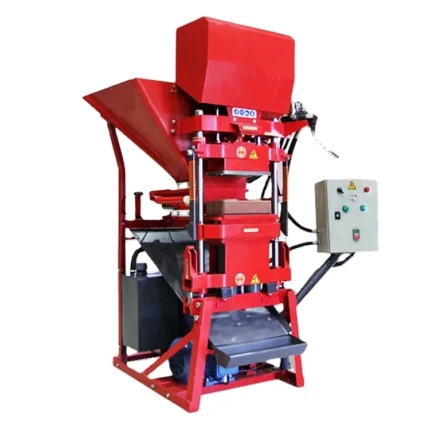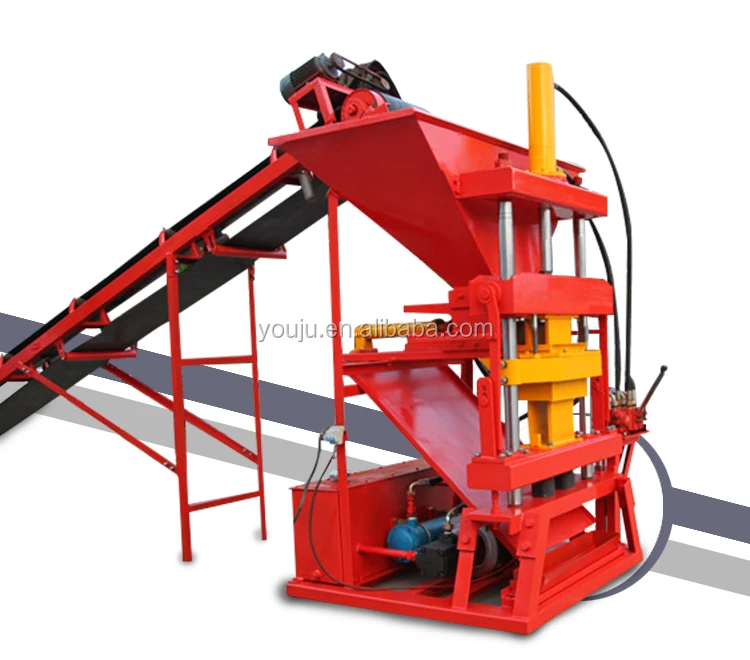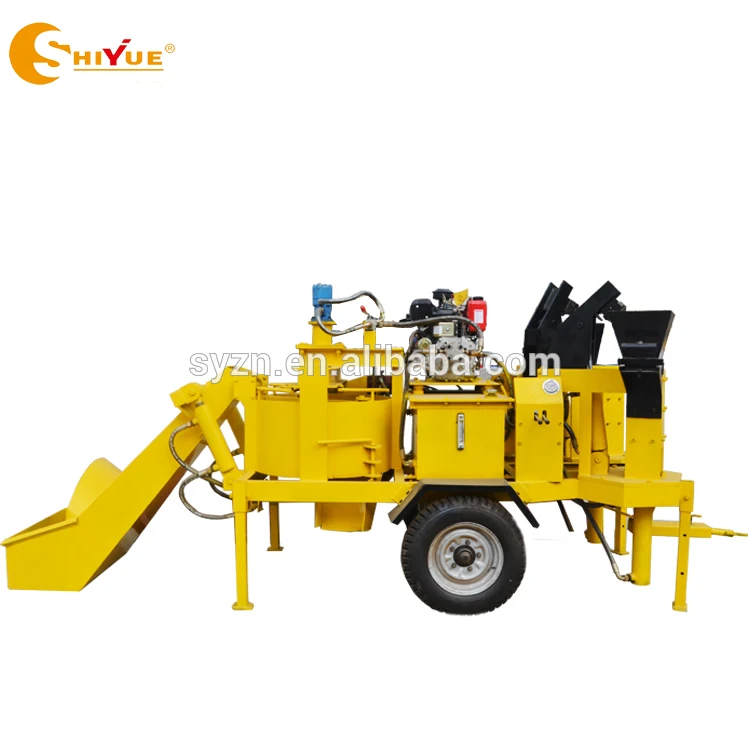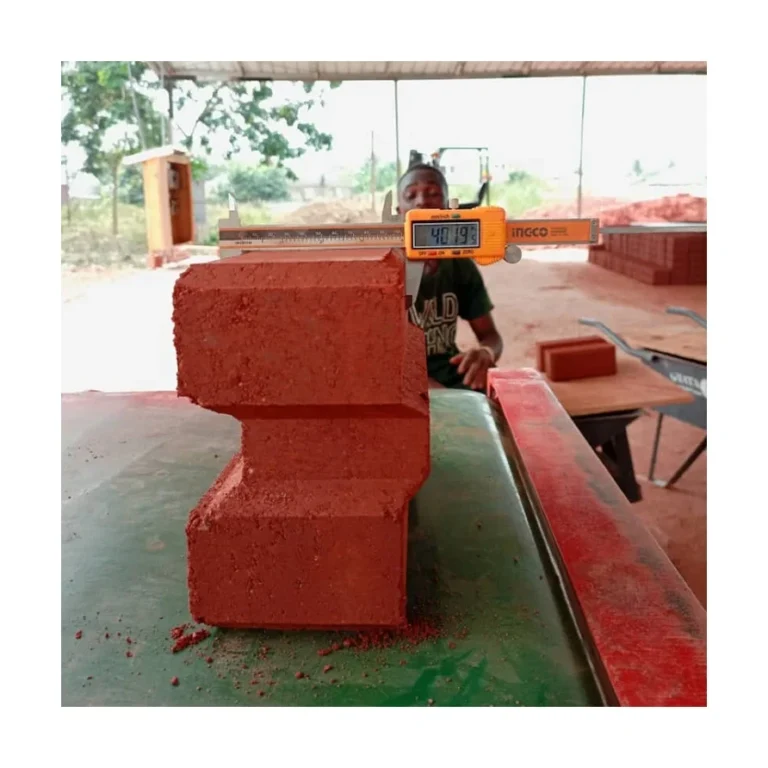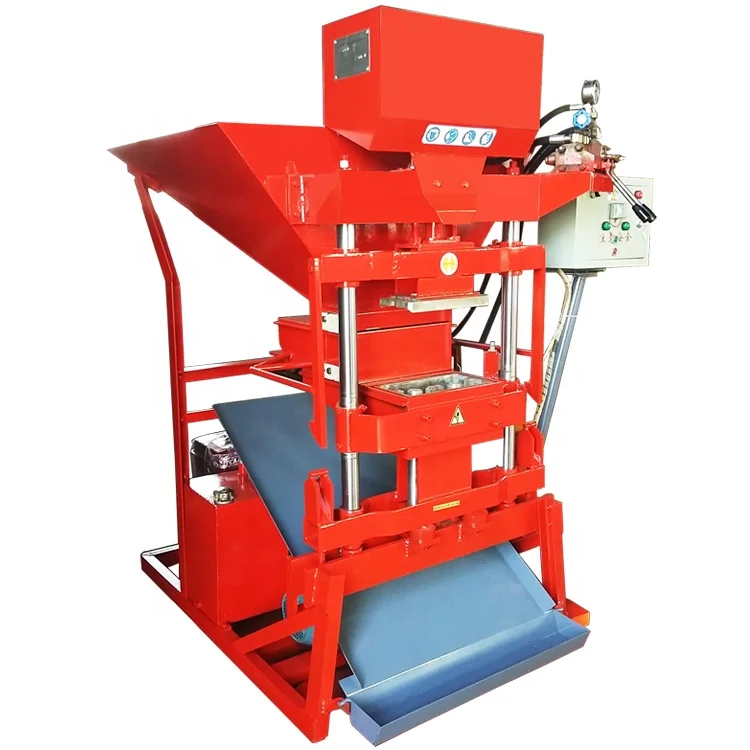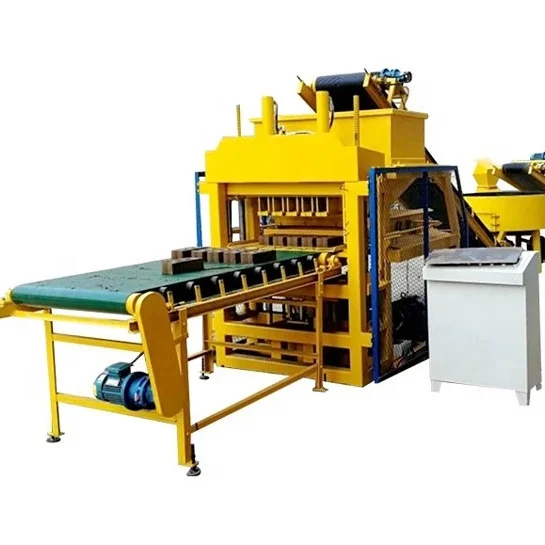
Description
Automation Configuration Lock — every PLC cycle on the LY5-10 is tuned against the buyer’s clay plasticity and moisture envelope, not defaulted from a catalogue table.
Technical Specifications
| Parameter | Value |
|---|---|
| Model | LY5-10 |
| Product Type | Automatic Hydraulic Interlocking Clay Brick Making Machine |
| Rated Power | 15 kW |
| Control System | PLC controlled, configurable display language |
| Overall Dimensions (L×W×H) | 2260 × 1500 × 2380 mm |
| Net Weight | 2200 kg |
| Output Capacity | 14400 pcs/day (basis not stated in source — confirm block format and material) |
| Molding Cycle | 10 s (basis not stated in source — confirm block format and material) |
| Hydraulic System | Hydraulic pressure forming for brick density (rated pressure to be confirmed per mix) |
| Brick Height Adjustment | Adjustable via screw mechanism |
| Mould Change | Changeable to customer-required interlocking formats |
| Automation Level | Fully automatic, single-person operation |
| Voltage & Frequency | Configurable to target market standard |
| Related Equipment | JQ500 mixer, soil crusher, screening machine, 6 m and 4 m belt conveyors, output conveyor |
Application Suitability
| Application | Material or Output |
|---|---|
| Plant-based interlocking brick production | Clay, soil blended with cement or lime |
| On-site brick manufacturing for housing projects | Locally excavated red or black soil with binder |
| Small to medium interlocking brick lines | Construction dregs and recycled soil mixes |
| Format diversification for existing block plants | Multiple interlocking profiles via mould swap |
Why the PLC Screen Language Matters Before the Machine Ships
A control panel your operator cannot read is a control panel they will bypass.
I watched a Middle East contractor lose four days of production because the PLC display was locked to a language the crew could not follow. The automatic PLC controlled interlocking clay brick making machine sat idle while we pushed parameter adjustments over a patchy video call. The clay in that region had higher plasticity than the trial sample, moisture crept up, and without local staff able to navigate the diagnostic screens, the forming pressure was never corrected in time. [NEED_CITE: PLC display language and operator error correlation in export machinery]
How Single-Person Operation Actually Works
The LY5-10 places the entire forming cycle — feed, compress, eject — under PLC sequencing so one operator monitors rather than drives each stage. Sensors confirm mould position and hydraulic pressure before each stroke, removing the timing judgment that causes density variation on manual presses. This is what the automatic PLC controlled interlocking clay brick making machine is built around: repeatability that lives in the controller, not in the operator’s reflexes.
Hydraulic Pressure Meets Clay Plasticity
Clay interlocking bricks demand a different pressure profile than concrete pavers. Too little force and t*ch and trapped moisture fractures the green brick on ejection. The LY5-10 hydraulic circuit is sized to hold pressure through the full dwell, but the set-point must match the buyer’s soil-cement ratio and moisture band. [NEED_CITE: hydraulic pressure requirements for clay-soil interlocking brick forming]
Reading the Numbers That Actually Matter
The 15 kW rated power covers the main hydraulic pump, vibration motor, and conveyor drives together — a figure that tells you the electrical supply headroom needed at the panel, not just the pressing station. The 2260 × 1500 × 2380 mm footprint is compact enough for a container-load setup yet leaves access space around the mould zone for a single operator to perform a changeover. Brick height adjustment via the screw mechanism lets you fine-tune thickness for different interlocking profiles without pulling the entire mould, which matters when a buyer runs two or three formats in the same shift. The 10-second moulding cycle is the mechanical stroke time; total cycle including feed and ejection depends on material flow and must be confirmed against the actual interlocking format.
The Cost of Skipping the Soil Sample
Buyers who send a generic "clay brick" inquiry and accept a default pressure setting often discover the problem only after the first container of machine arrives. High-plasticity soil holds more water, and if the hydraulic dwell is too short the green bricks crack on ejection — sometimes pushing rejection rates high enough to halt the line. We have seen entire commissioning weeks consumed by remote troubleshooting that a simple soil sample and moisture curve would have prevented before the machine left the factory. [NEED_CITE: green brick cracking causes in hydraulic clay brick pressing]
Why Buyers Source This Machine Here
The LY5-10 is configured as a matched system: mixer, crusher, screen, and conveyors are specified together so material arrives at the hopper at the right consistency, not as a list of separate catalogue items. Mould design starts from the buyer’s interlocking profile drawing, and the PLC program is written around that specific format’s feed-and-press sequence. Voltage, frequency, and panel language are confirmed before production starts, so the machine powers up on site without a transformer hunt. Automation level is selectable, letting a buyer begin with basic PLC cycling and add pallet handling later. Every unit ships with a factory test record run on material that matches the buyer’s soil description.
Documentation & Verification
- PLC parameter sheet listing cycle times for your confirmed interlocking format
- Hydraulic pressure set-point record matched to your soil-cement mix
- Factory test video showing ejection quality on your target brick profile
- Electrical schematic with confirmed voltage, frequency, and wire labels
- Mould drawing and interlocking format list approved before production
- Wear parts list with part numbers for hydraulic seals and mould liners
Installation, Commissioning & Support
- Foundation pad sized to the 2260 × 1500 mm footprint with anchor bolt template
- Dedicated 15 kW circuit with voltage and frequency confirmed before wiring
- Machine shipped as a single skid; hydraulic lines and conveyors bolt on site
- PLC parameters pre-loaded to your format; on-site tuning of dwell and pressure
- Operator training covers mould swap, height adjustment, and fault screen navigation
- Spare hydraulic seal kit and mould wear liners included in first shipment
What to Include in Your Inquiry
Send a representative soil sample or at minimum the Atterberg limits and natural moisture range of your local clay. Confirm the exact interlocking brick format you intend to run, including tongue-and-groove dimensions and target dry density. Specify your site voltage, frequency, and the PLC display language your operators need.
Frequently Asked Questions
Q: How is the 14400 pcs/day output figure calculated for the LY5-10?
A: That number is based on a moulding cycle and format not yet confirmed. Actual daily output depends on the interlocking brick size, wall thickness, and material flow rate through the crusher-mixer line. We calculate capacity per specific format once your mould drawing and soil mix are locked in.
Q: Which PLC brand is installed, and can the display language be changed?
A: The PLC brand and display language are confirmed during the ordering stage to match your operators. We program the interface in the required language and include a parameter backup on USB so your team can restore settings after any power event.
Q: How long does a mould change take, and can one person do it?
A: The LY5-10 is designed for single-operator mould swaps using the screw height adjustment and quick-release clamps. Actual changeover time depends on mould size and whether the operator has done the procedure before; we include a step-by-step video guide with each format delivered.
Q: What voltage and frequency options are available?
A: The machine electrical system is built to your confirmed site supply — common configurations include 380 V / 50 Hz and 440 V / 60 Hz three-phase. Voltage and frequency are locked before production so the motor nameplates, PLC power supply, and heater elements all match your grid.
Q: Can the LY5-10 be upgraded from basic PLC cycling to full pallet automation later?
A: Yes. The control architecture leaves I/O points reserved for pallet feeder and stacker integration. When you are ready to add automatic pallet handling, the existing PLC program is expanded and the new stations are commissioned without replacing the main controller.