

Description
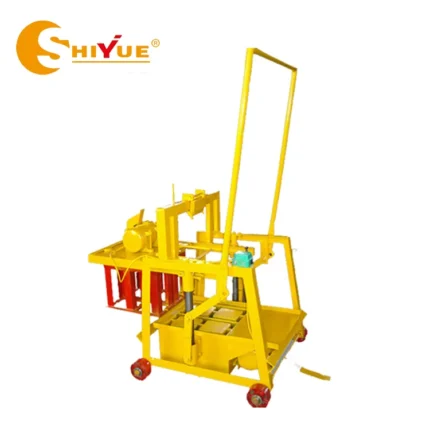
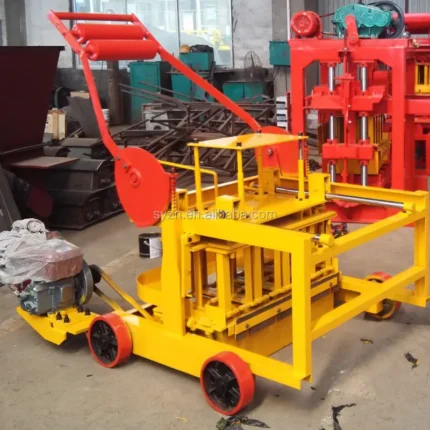
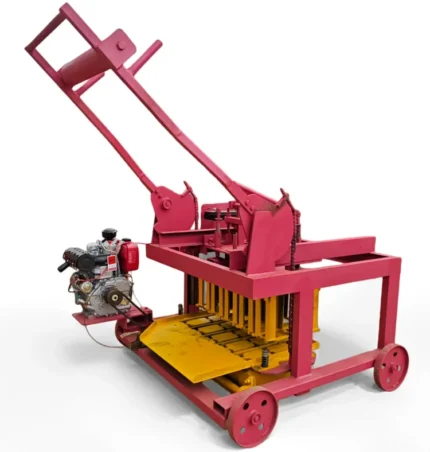
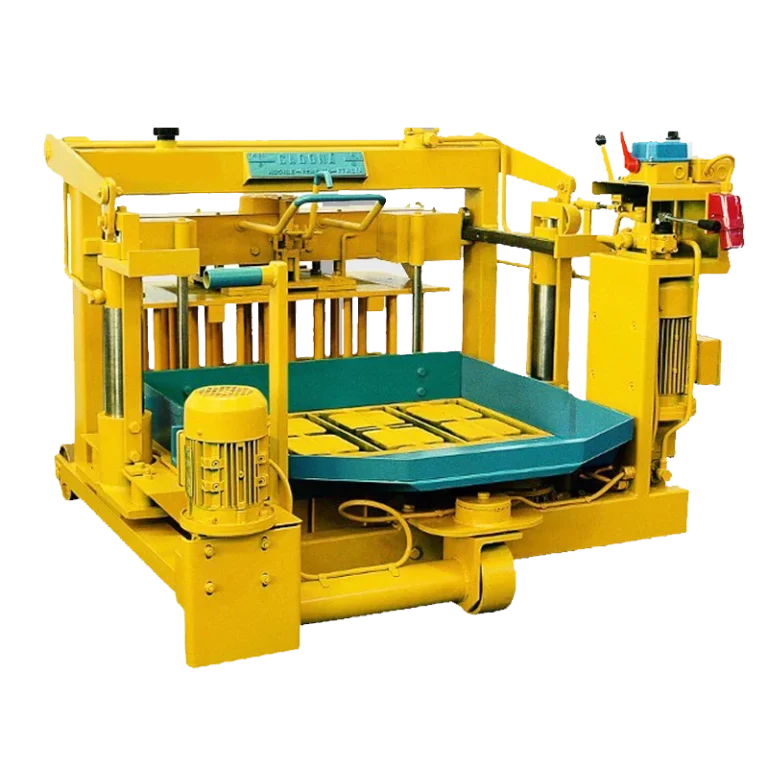
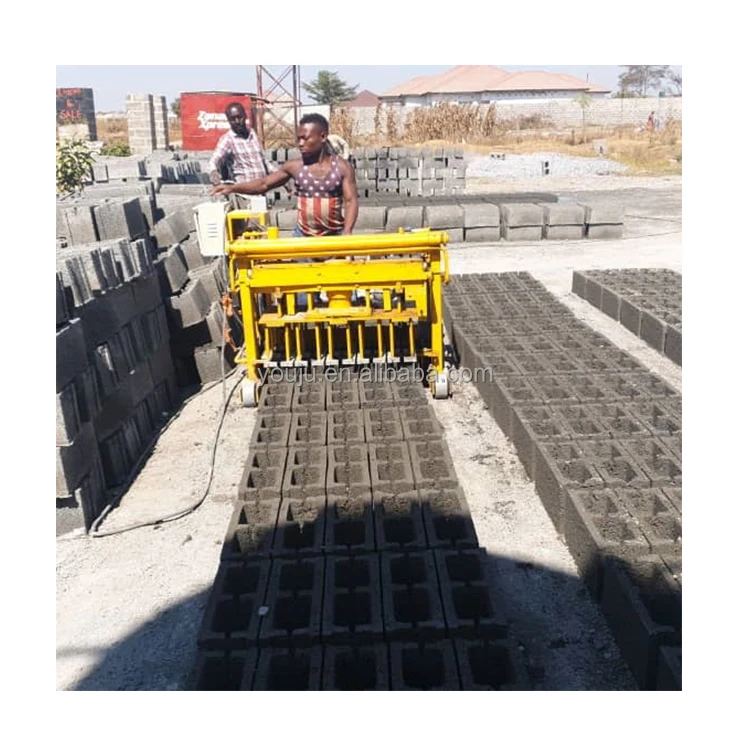
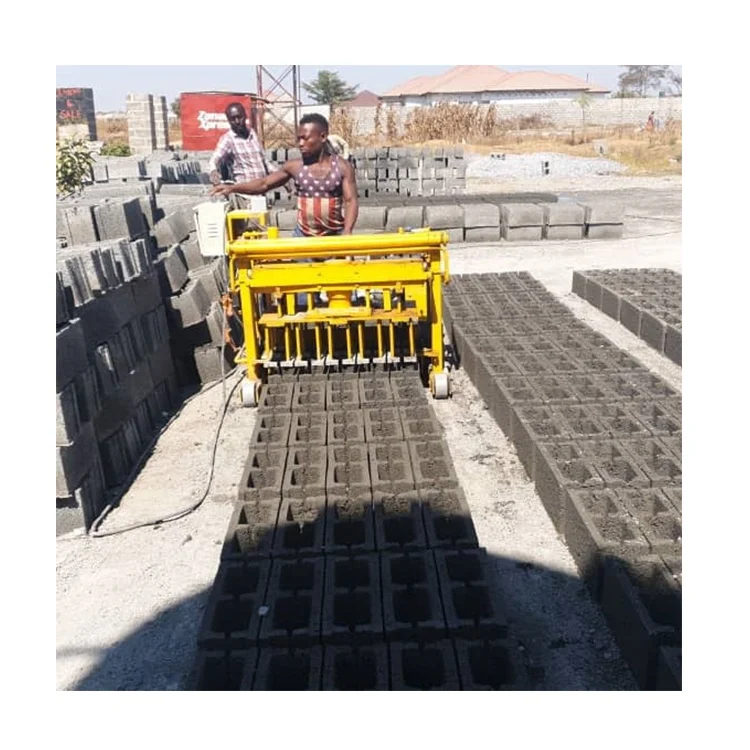
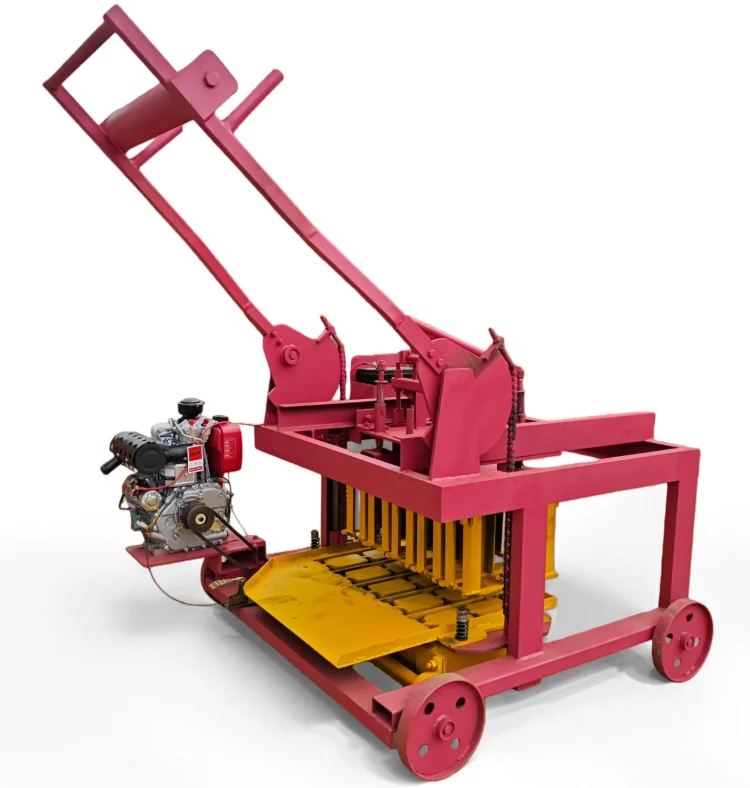
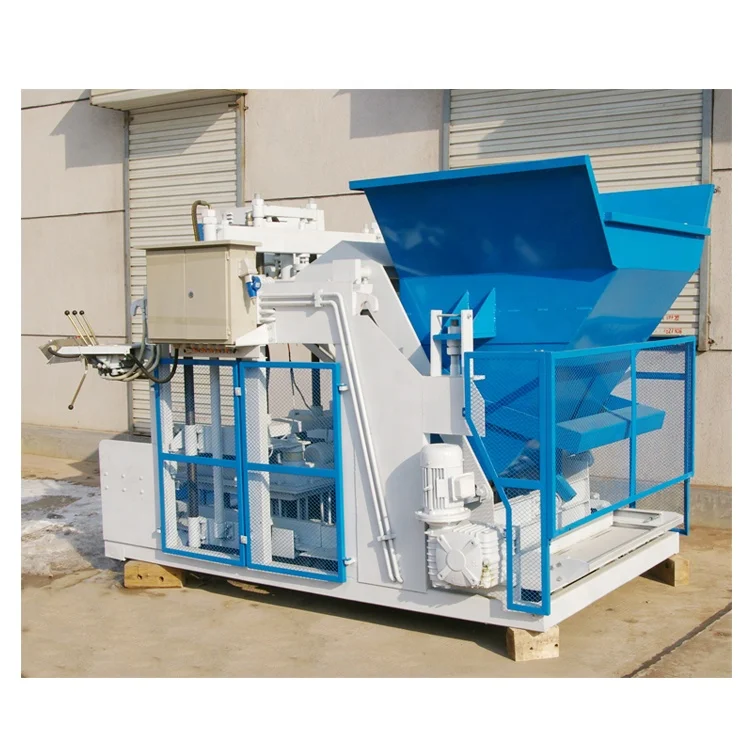
Pallet-Free Production — the QMY10-15 lays blocks directly on the ground through its egg-laying system, removing pallet inventory, curing rack handling and manual stacking from the operator’s workload.
Technical Specifications
| Parameter | Value |
|---|---|
| Model | QMY10-15 |
| Product Type | Mobile Hydraulic Concrete Block Making Machine |
| Molding Capacity | 10 pcs/mold |
| Molding Cycle | 10s–15s (basis not stated in source — confirm block format, material and wall thickness) |
| Total Power | 16 kW |
| Daily Output Capacity | 11,000 pcs/day (8 hours) (basis not stated in source — confirm block format, material and wall thickness) |
| Vibration System | Dual vibration motors |
| Hydraulic System | Upper and lower demoulding control with heat dissipator |
| Mobility | Electric walking, hydraulic steering |
| Pallet Requirement | None (egg-laying type) |
| Basic Equipment Included | QMY10-15 host machine, JS7500 concrete mixer, dump truck |
| Optional Equipment | PL1200 batching machine, cement silo, screw conveyor, loader |
| Mould Change | Supports multiple block formats (change time not stated in source) |
| Automation Level | Semi-automatic with hydraulic demoulding and electric mobility |
Application Suitability
| Application | Material or Output |
|---|---|
| Hollow block production on housing project sites | Cement, crushed stone and local aggregate blends |
| Interlocking block manufacturing for paving and retaining walls | Sand, cement and aggregate mixes |
| On-site block making for remote construction contracts | Locally sourced masonry raw materials |
| First-stage block plant for entrepreneurs | Standard concrete masonry mix designs |
Why Cycle Time Must Be Tied to Block Format, Not a Brochure Number
The 10s–15s cycle only holds when the block format, wall thickness and mix design match the assumptions used to set the hydraulic timing.
I have walked onto sites where a mobile block machine was purchased on a headline cycle time, only to find the local river sand had higher clay content than the factory test mix. Vibration had to run longer to compact each mold, pushing real output well below the expected daily volume. With the QMY10-15, the automatic mobile block machine PLC controlled system governs hydraulic pressure and vibration duration, but those parameters must be set against the actual material you feed into the mixer, not a default program [NEED_CITE: effect of aggregate clay content on concrete vibration time]. Confirming your block format and sending a raw material sample before shipment avoids this gap entirely.
Hydraulic Demoulding Removes the Heaviest Operator Task
On a manual egg-laying machine, the operator physically pulls the mold off every wet block. With the QMY10-15, the hydraulic system handles upper and lower demoulding on a timed sequence, so the operator’s role shifts to guiding the machine’s movement and monitoring mix feed. This consistency matters when a single pour stretches across several hundred blocks — the demoulding pressure stays the same from the first cycle to the last, reducing cracked corners and uneven walls that typically increase as operator fatigue builds through a shift.
Electric Walking Keeps the Line Moving Between Pours
Repositioning a mobile block maker between production runs usually requires a loader or a team of workers. The QMY10-15 has electric walking with hydraulic steering, allowing the operator to move the machine along the curing area independently. This matters on tight project sites where a loader is shared across multiple tasks or simply unavailable. The machine travels to the next open ground space, drops a row of blocks, and moves on without waiting for towing equipment [NEED_CITE: on-site mobile concrete block production logistics].
Heat Dissipator and Dual Vibration Motors in Sustained Operation
The 16 kW total power rating drives both the hydraulic circuit and dual vibration motors simultaneously. In hot-climate sites where ambient temperature already pushes hydraulic oil toward its upper operating range, the heat dissipator on the hydraulic circuit keeps oil viscosity stable across a full shift. Without it, oil thins as temperature rises, reducing demoulding force and introducing density variation between blocks produced in the morning and those produced in the afternoon. The dual vibration motors work with hydraulic pressure to compact each mold fill — vibration settles the mix while hydraulic pressure applies the final densification. The balance between the two must match your specific aggregate gradation and cement ratio, which is why a mix trial before finalizing machine settings is standard practice.
What Happens When the Mix Does Not Match the Machine
I have seen mobile block producers blame the machine when blocks crumble at demoulding, only to trace the problem back to a mix that was too dry for the vibration force available. When the automatic mobile block machine PLC controlled system runs a cycle with an incompatible mix, the block may hold its shape in the mold but fracture as the hydraulic demoulding lifts the form away. Specifying the machine against your actual local aggregate and cement supply — not a generic recipe — prevents this mismatch. If your sand source changes seasonally, the PLC parameters for vibration duration should be adjustable to compensate [NEED_CITE: concrete mix design variables for mobile block production].
Why Configuration Matters More Than Model Number
Every QMY10-15 that leaves the factory is set against a buyer’s confirmed block format, local raw material profile, and site electrical supply. The machine, mold, and optional batching equipment are specified together so that capacity calculations reflect the actual product being made. Voltage, frequency, and PLC display language are confirmed before production begins, avoiding the commissioning delay that occurs when a control panel arrives in a language the local operator cannot read. Moulds are designed or selected for the block formats your market actually sells, including custom drawings when standard formats do not apply. The automation level can be matched to your current labor setup and upgraded later if production scales.
Documentation & Verification
- Line layout with capacity calculation stating the block format assumed for output figures
- Mould drawing and format list showing exact block types covered by the supplied mould set
- Voltage, frequency, and PLC display language confirmation record signed before production
- Hydraulic and electrical schematic including heat dissipator circuit detail
- Factory test record run on your confirmed block format before dispatch
- Operation and maintenance manual with wear parts and mould replacement schedule
Installation, Commissioning & Support
- Ground preparation guidance for flat, load-bearing surface required by egg-laying operation
- 16 kW power supply connection with dedicated circuit and voltage verification on arrival
- On-site assembly of JS7500 mixer and dump truck included in basic equipment set
- First-run commissioning with hydraulic pressure and vibration timing set to your mix sample
- Operator training covering mould change procedure and PLC parameter adjustment
- Wear parts list with reorder schedule for vibration motor mounts and hydraulic seals
What We Need to Size This Machine to Your Project
Send us the block format and dimensions you plan to produce, your target daily output, and a sample or specification of your local sand and aggregate. Include your site voltage and frequency so the electrical system and PLC language can be confirmed before the QMY10-15 ships.
Frequently Asked Questions
Q: How is the 11,000 pieces per day figure calculated for the QMY10-15?
A: That figure is based on an 8-hour shift, but the block format, wall thickness, and mix design used for the calculation must be confirmed for your project. A larger hollow block with longer vibration time will produce fewer pieces per cycle. We provide a capacity table broken down by each format you plan to run.
Q: What voltage and PLC language options are available?
A: The electrical system is configured to your site voltage and frequency before production. The PLC display language is set to match your operator’s preference. Both are confirmed in writing before the machine ships to prevent commissioning delays.
Q: How does the heat dissipator affect performance in hot climates?
A: The heat dissipator maintains hydraulic oil temperature during continuous operation, keeping demoulding force consistent throughout a full shift. Without it, rising oil temperature reduces hydraulic pressure and introduces variation in block density across the production day.
Q: What block formats can the standard mould set produce?
A: The standard mould set covers the formats specified during the order stage. Custom moulds can be designed to your drawings. A mould drawing and format list is provided before production so you can verify coverage of the block types your market requires.