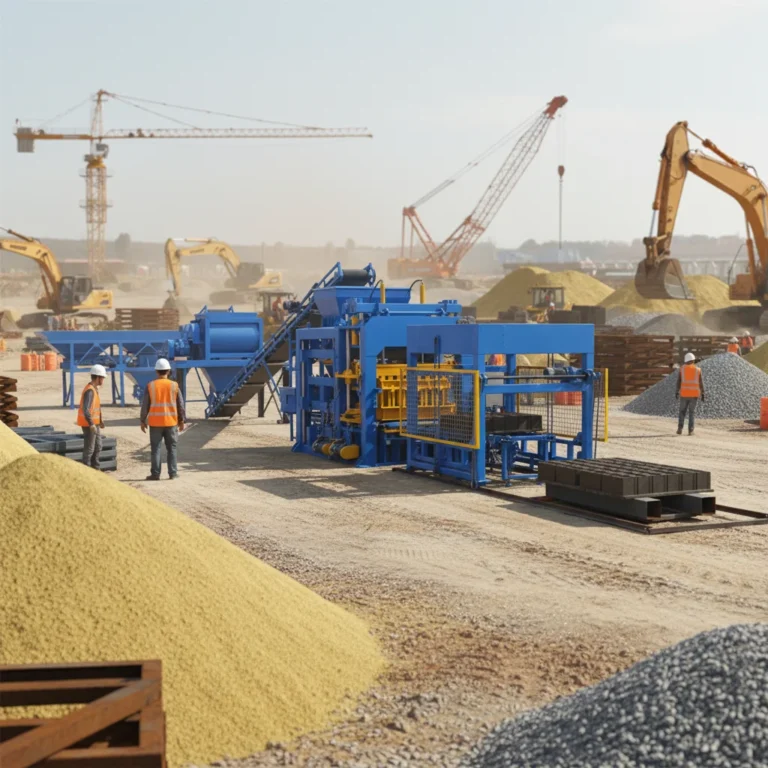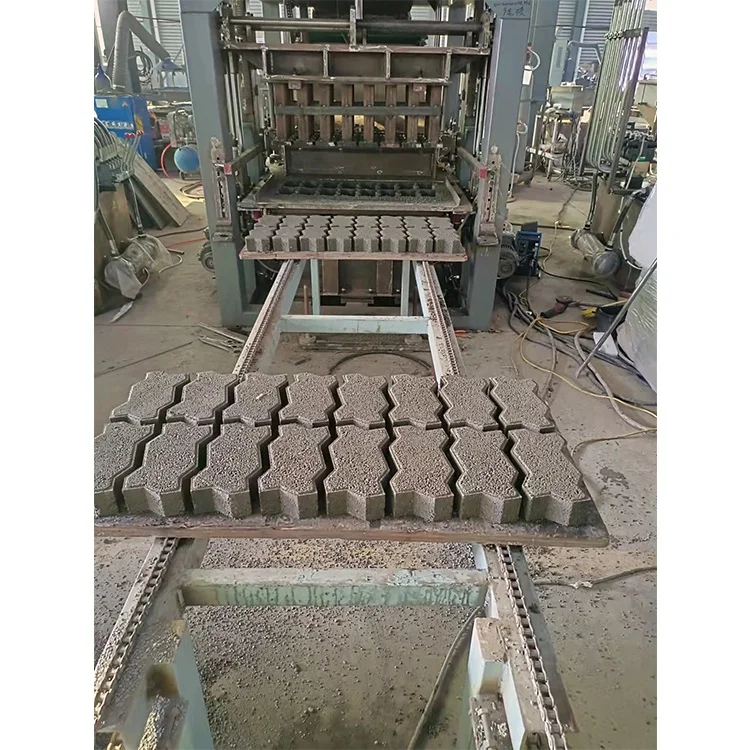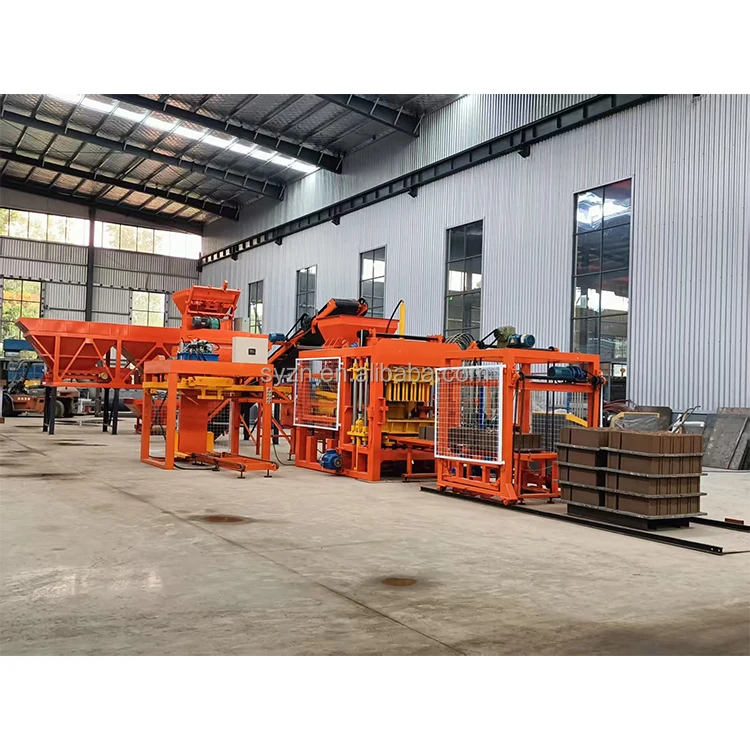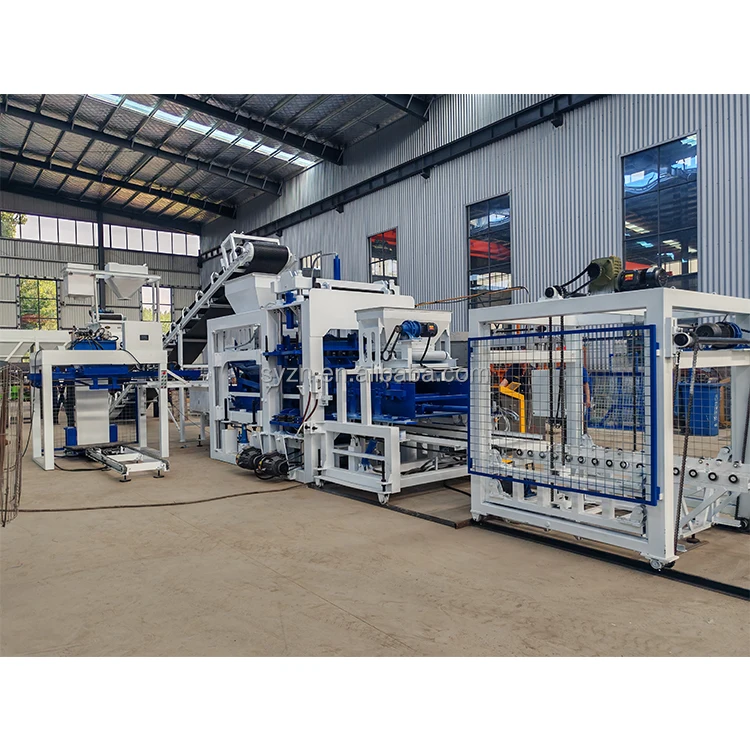
Description
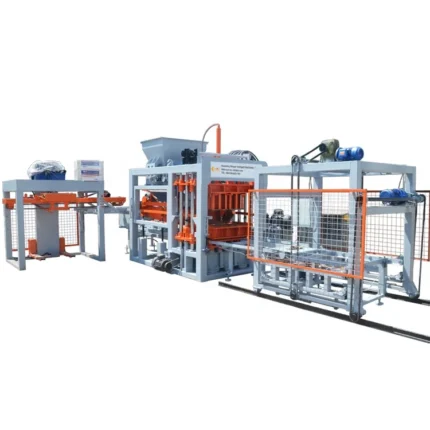
Matched system specification — every pallet size, vibration setting and control parameter is confirmed against the buyer’s actual mix and block format before the QT8-15 leaves our workshop.
Technical Specifications
| Parameter | Value |
|---|---|
| Model | QT8-15 |
| Product Type | Hydraulic Automatic Block Making Machine |
| Overall Dimensions (L×W×H) | 8300 × 1860 × 3000 mm |
| Rated Power | 55.5 kW |
| Net Weight | 8 T |
| Rated Hydraulic Pressure | 21 MPa |
| Vibration Form | Platform Vibration |
| Vibration Frequency | 2800–4500 r/min |
| Vibration Force | 45 kN |
| Pallet Size | 950 × 900 mm |
| Moulding Cycle | 15–20 s |
| Demolding Method | Hydraulic |
| Recommended Factory Area | 300 m² |
| Control System | PLC (language options configurable before dispatch) |
| Voltage & Frequency | Configurable to site supply (to be confirmed) |
| Raw Materials | Crushed stone, sand, cement, fly ash, gravel, slag |
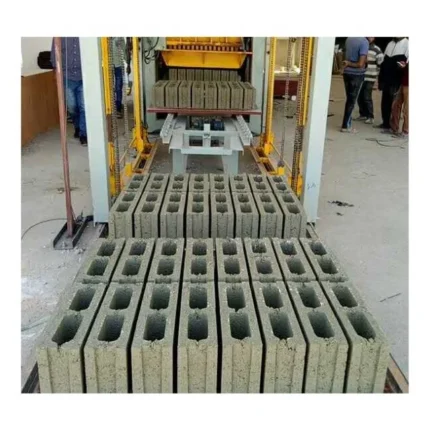
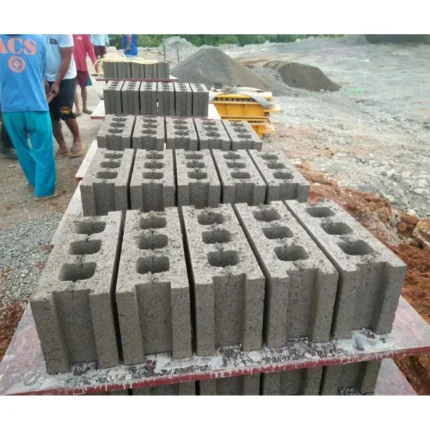
| Mould Formats | Hollow block, solid block, paver, interlocking block, curbstone, colored paver |
| Automation Level | Configurable from semi-automatic to fully automatic stacking and cubing |
| Output Capacity | Varies by block format and mix (basis to be confirmed per buyer specification) |
| Loading | 1 × 40HQ container (basic equipment) |
| Warranty | 1 year (whole machine, excluding spare parts) |
Application Suitability
| Application | Material or Output |
|---|---|
| Hollow block production for building walls | Crushed stone, sand, cement, fly ash blends |
| Solid block manufacturing for load-bearing structures | Gravel, sand and cement mixes |
| Paving block and colored paver runs for roads and plazas | Fine aggregate, cement, pigment additives |
| Interlocking brick production for retaining walls | Coarse aggregate, sand, cement |
| Curbstone forming for roadside and landscaping | Heavy aggregate, cement, slag blends |
Why "Cycles per Hour" Means Nothing Without the Block Format
Quoted capacity only matters when tied to the exact block you sell.
Many buyers sign off on a quotation that promises impressive hourly numbers, only to discover after commissioning that the figure assumed a small solid block while their market actually demands large hollow blocks. The moulding cycle on the QT8-15 runs between 15 and 20 seconds, but how many blocks that produces per hour depends entirely on the format sitting on the 950 × 900 mm pallet. A single hollow block mould fills the pallet differently than a multi-cavity paver mould, so the same cycle time yields very different daily totals. I have watched plants in West Africa run at half the expected output for months because nobody asked which block format the capacity figure assumed [NEED_CITE: block format impact on actual daily output]. The automatic QT8-15 block making machine must be sized against your real product mix, not a catalogue default.
Control Language and HMI Setup Before the Crate Closes
The PLC-controlled block machine eliminates guesswork from the pressing cycle, but only if the operator can read the screen. We confirm the HMI display language with you during the order stage, not after the container arrives at port. Voltage, frequency and control logic are set to match your site supply and operator expectations before the electrical cabinet is sealed. This step sounds basic, yet mismatched control languages remain one of the most common causes of delayed commissioning on exported block lines [NEED_CITE: PLC control language confirmation best practices].
Automation Tiers That Actually Remove Labour
Semi-automatic operation on the QT8-15 means the press cycles automatically while pallet feeding and stacking are handled manually. Moving to a fully automatic configuration adds automatic pallet feeding, stacking and cubing so the press is never left idle waiting for an operator to move a rack. The upgrade path is built into the same frame: buyers who start semi-automatic to manage initial investment can add the stacking and cubing stations later without replacing the press. This is the difference between automation that genuinely reduces headcount and automation that merely looks good on a spec sheet.
Pressure, Vibration and Pallet Size: How They Interact
The 21 MPa rated hydraulic pressure and 45 kN platform vibration force work together to compact the mix evenly across the full 950 × 900 mm pallet area. Hydraulic pressure alone cannot achieve consistent block density if vibration frequency is not tuned to the aggregate weight. At 2800–4500 r/min, the vibration frequency range covers both lightweight fly ash blends and heavy crushed stone mixes, but the exact setting must be dialed in during commissioning against your actual raw material. The pallet size must also match your curing area layout and the forklift you already have on site — a mismatch here means double-handling every block after pressing.
The Cost of Skipping Pallet and Handling Confirmation
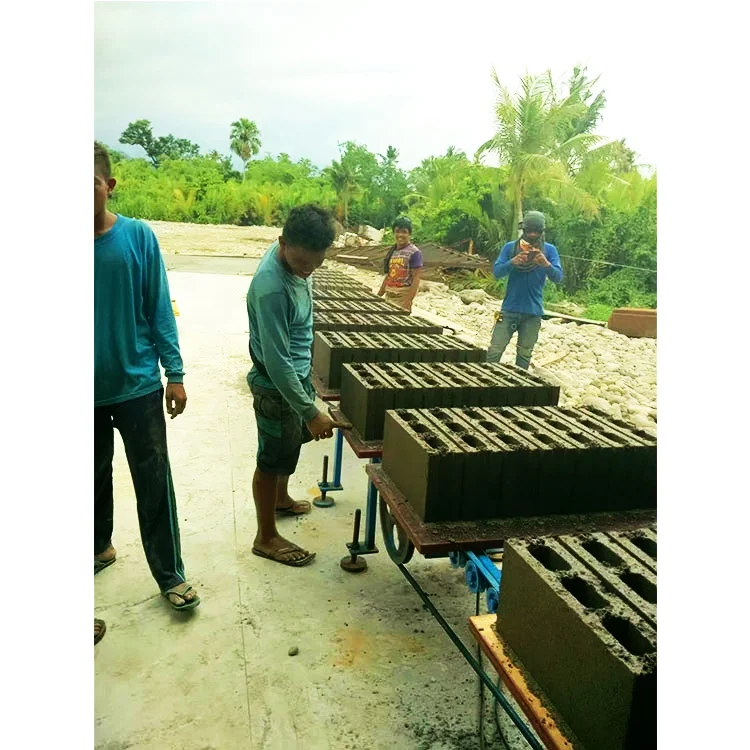
When pallet handling and stacking are left out of the quotation, every block coming off the QT8-15 must be moved by hand to the curing rack. On a high-output shift, that means several workers doing nothing but lifting and carrying, and the press cycle slows to match their pace rather than its own capability. Pallets specified without regard to the buyer’s curing area dimensions end up stacked awkwardly or require a different forklift attachment. These are costs that never appear on the machine invoice but consume labour and space every single production day [NEED_CITE: pallet handling impact on block plant labour costs].
Why Buyers Keep Coming Back to This Line
Block machinery is our single focus, which means the QT8-15 press, its moulds, pallets and handling equipment are specified as one matched system rather than assembled from separate suppliers. Configuration is set against your actual mix design, local aggregate and target block format, not a catalogue default. Mould design covers the formats your market sells, with custom drawings available when standard formats do not fit. Automation level is selectable so you can start semi-automatic and add stacking later. Installation support includes on-site commissioning with operator training so the first production run meets your density and dimensional requirements.
Documentation & Verification
- Line layout with capacity calculation stated per block format you will produce
- Machine specification sheet covering hydraulic pressure, vibration force and pallet dimensions
- Mould drawing and format list for every block type in your initial order
- Voltage, frequency and PLC display language confirmation record signed before production
- Hydraulic and electrical schematic for your maintenance team
- Factory test record on your specified raw material blend before dispatch
Installation, Commissioning & Support
- Foundation plan sized to the 8300 × 1860 × 3000 mm footprint and 8 T operating weight
- Dedicated power circuit planned around the 55.5 kW rated load and your confirmed voltage
- Machine dismantled for 40HQ container loading and reassembled on your prepared floor
- Vibration frequency tuned from 2800–4500 r/min range against your local aggregate during first run
- Operator training on PLC screen navigation, mould change procedure and daily maintenance checks
- Wear parts and mould list provided so first replacements are ordered before they are needed
What We Need From You to Build the Right Quote
Tell us which block formats your market sells and the daily volume you need for each one. Share your local raw material source — the type of aggregate, its gradation and whether fly ash or slag is available — so we can match vibration and pressure settings before build. Confirm your site voltage, frequency and preferred PLC display language so the electrical cabinet is correct from day one.
Frequently Asked Questions
Q: How do you calculate the real daily output of the QT8-15?
A: We state capacity per block format, not as a single headline number. The 15–20 second moulding cycle applies to every format, but the number of blocks per cycle depends on the mould cavity layout on the 950 × 900 mm pallet. We provide a written calculation showing assumed format, cycle time and daily hours so you can verify against your own production targets before ordering.
Q: Can the PLC control system be set to my operator’s language?
A: Yes. We confirm the HMI display language with you during the order stage and record it on the voltage and control confirmation document. The PLC brand and remote diagnostics availability are also discussed at this point so there are no surprises when the electrical cabinet is opened on site.
Q: What is the difference between semi-automatic and fully automatic on this machine?
A: Semi-automatic means the press cycles automatically while pallet feeding and product stacking are done by hand. Fully automatic adds powered pallet feeding, stacking and cubing so the press runs at its full cycle rate without waiting for manual handling. The upgrade from semi-auto to full auto can be done later without replacing the QT8-15 press itself.
Q: How do you match vibration settings to my local aggregate?
A: We ask for a sample or detailed description of your aggregate type, gradation and mix proportions. Vibration frequency within the 2800–4500 r/min range and the 45 kN force are then adjusted during commissioning to achieve consistent block density. A factory test on your specified blend is recorded before the machine ships.
Q: How are pallet feeding and stacking cycle times balanced with the press?
A: The pallet feeder, stacker and cubing stations are specified so their cycle times match or beat the 15–20 second press cycle. If any station is slower, the press sits idle and real output drops. We show this balance on the line layout document so you can see where each station connects and how throughput is maintained across the full system.