

Description
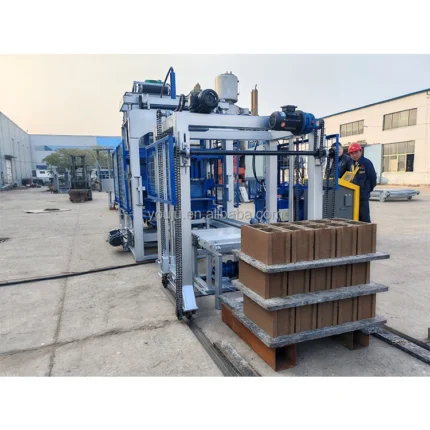
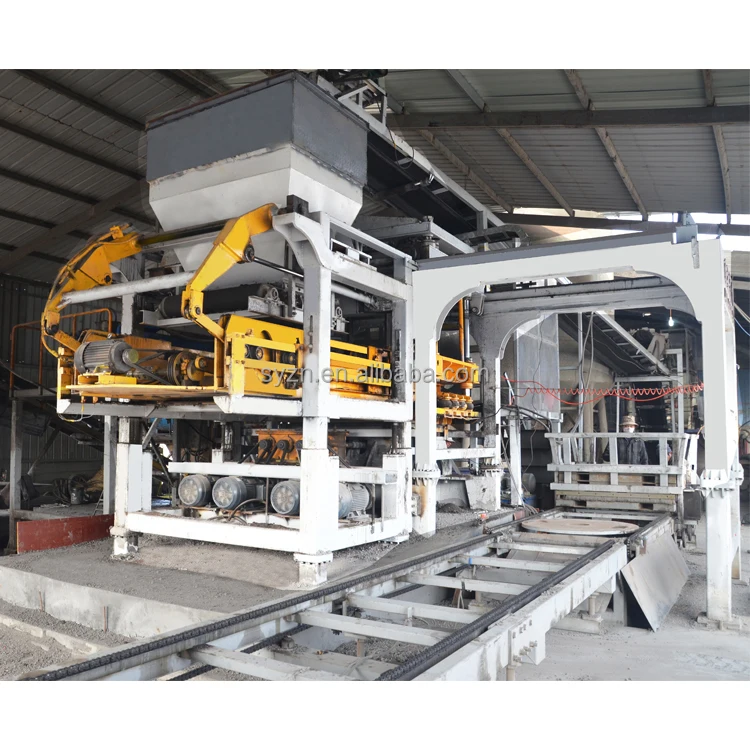
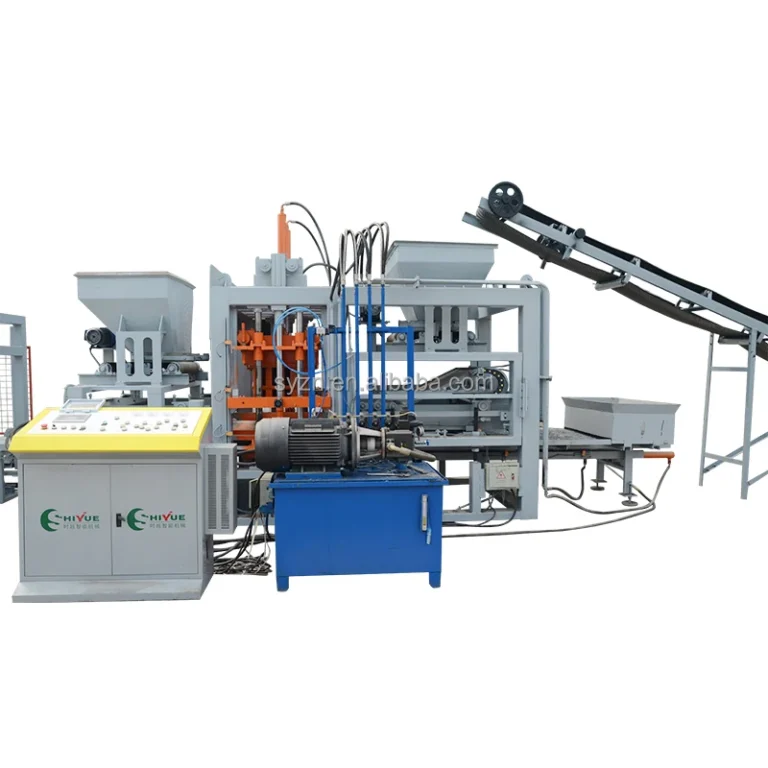
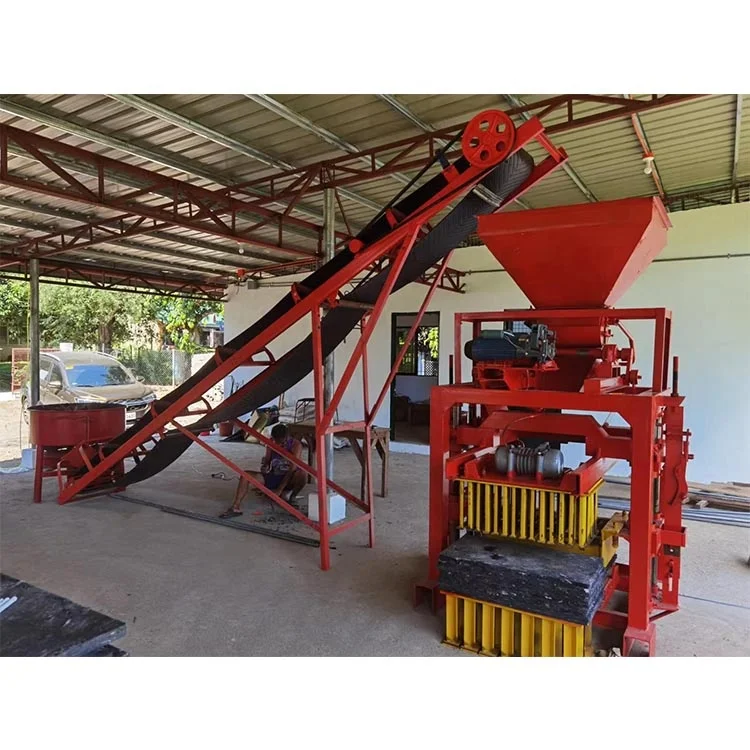
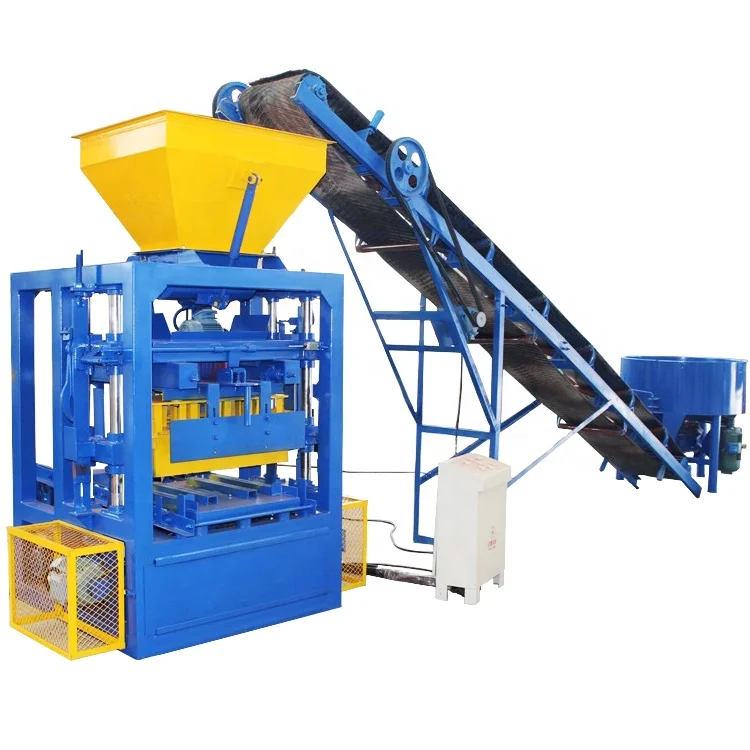
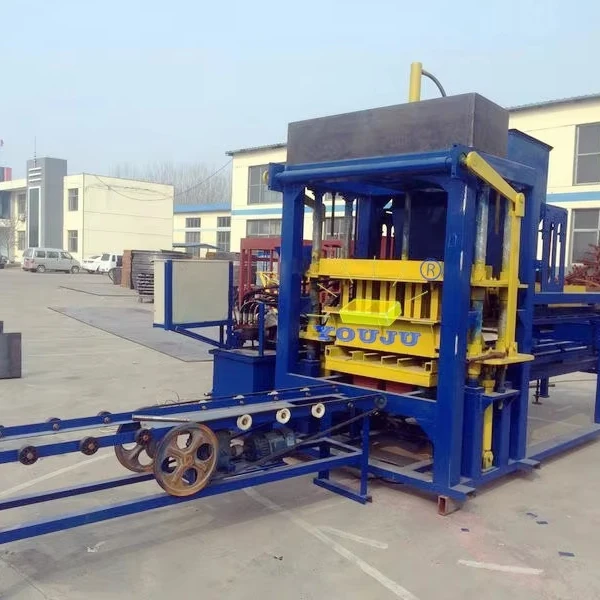
Configurable automation — the QT4-20 is specified as a matched press, pallet, mould and handling system so a plant owner can start semi-automatic and upgrade stacking or cubing in a later phase without replacing the core machine.
Technical Specifications
| Parameter | Value |
|---|---|
| Model | QT4-20 |
| Product Type | Fully Automatic Hydraulic Block Making Machine |
| Overall Dimensions (L×W×H) | 7100×1600×2610 mm |
| Rated Pressure | 16–21 MPa |
| Main Vibration Form | Platform Vibration |
| Vibration Frequency | 4600 r/min |
| Vibration Force | 40 kN |
| Pallet Size | 1020×570 mm |
| Molding Cycle | 15–25 s |
| Overall Power | 27.5 kW |
| Total Mass | 5 T |
| Demolding Method | Hydraulic |
| Molding Area | 400×800 mm |
| Recommended Factory Area | 500 m² |
| Control System | PLC (basis not stated in source — confirm brand / language / HMI details) |
| Voltage & Frequency | Not stated in source — confirm before commissioning |
| Automation Level | Fully Automatic (line stations included not stated — confirm) |
| Raw Materials | Crushed stone, sand, cement, dust, fly ash, gravel, slag |
| Warranty | One year for the whole machine |
Application Suitability
| Application | Material or Output |
|---|---|
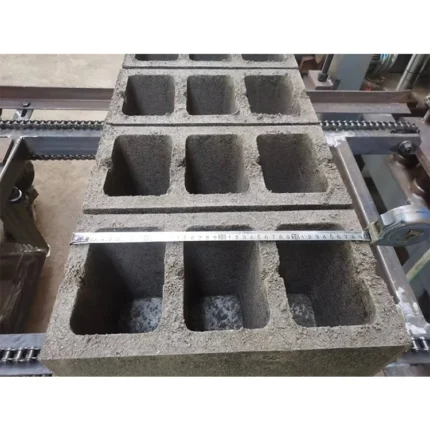
| Stationary hollow block production | Crushed stone and cement, 400×200×200 mm format |
| Porous brick manufacturing | Fly ash and sand blends, 240×115×90 mm format |
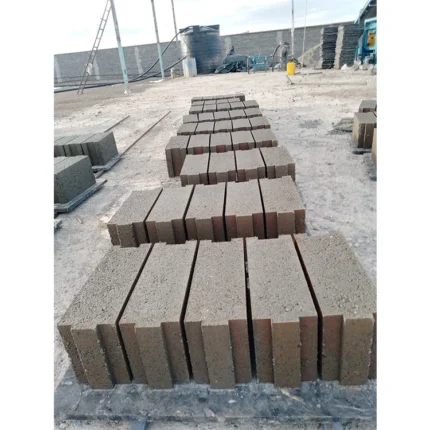
| Solid standard brick runs | Gravel, slag and cement mixes, 240×115×53 mm format |
| Paving brick and interlocking formats | Local aggregate with cement binder |
| On-site contractor block yards | Mobile yard setups producing for housing projects |
What "Fully Automatic" Actually Means on Your Factory Floor
An automatic block making machine PLC controlled system only removes the labour you explicitly specify — pallet feeding, stacking and cubing may still be manual unless confirmed in the line layout.
Many buyers receive a quotation labelled "fully automatic" and assume every station from raw material batching through to final stacking is included. On site, the QT4-20 press itself runs under PLC control with hydraulic demolding, but the upstream pallet feeder and downstream stacker are separate line decisions. When these stations are missing from the scope, operators end up handling wet pallets by hand for the first week, and the daily output figure quoted on paper never materialises [NEED_CITE: typical scope gaps in block line quotations]. The question to resolve before signing is which exact stations sit inside the automation boundary and which are optional add-ons.
Mapping the Automation Boundary
The QT4-20 sits at a point where the press cycle is fully governed by the PLC, but the surrounding material flow can be configured in stages. A plant owner upgrading from manual or semi-automatic operation can commission the press with manual pallet handling first, then bolt on an automatic pallet feeder and stacker once the curing area and forklift logistics are settled. This phased approach avoids the situation where the automatic block making machine PLC controlled system produces faster than the downstream handling can keep up.
The PLC as a Batch Consistency Tool
Beyond cycle control, the PLC holds the vibration force, hydraulic pressure and molding time as repeatable parameters for each block format. When a buyer switches from hollow blocks to porous bricks, the operator selects the stored recipe rather than adjusting timers by feel. The QT4-20 platform vibration runs at 4600 r/min with 40 kN force, and the PLC locks those values so batch-to-batch density stays within the tolerance the buyer’s market requires [NEED_CITE: PLC recipe management in hydraulic block presses]. Confirming the PLC display language and HMI brand before production avoids a situation where the operator cannot read the alarm screen on commissioning day.
Reading the Specs That Shape Your Daily Output
The rated pressure of 16–21 MPa working together with the 40 kN vibration force determines how densely the mix is compacted inside the mould. Higher vibration without matching hydraulic pressure leaves the block surface porous and edges fragile, while excessive pressure with low vibration traps air and produces laminations. The 1020×570 mm pallet size must align with the curing rack spacing and forklift tine width already in the buyer’s yard — a mismatch means new racks or a second forklift. The 15–25 s molding cycle varies by format; hollow blocks at 400×200×200 mm run at the longer end while standard bricks at 240×115×53 mm complete at the shorter end. Overall power of 27.5 kW means the plant electrical supply must include a dedicated circuit rated above the motor inrush current.
The Cost of Skipping the Line Layout
When a buyer orders the press without a full line drawing, the pallet return path often clashes with the curing rack footprint. Pallets pile up against the press frame, operators drag them clear by hand, and the cycle time stretches beyond the 15–25 s window the quotation assumed. Mould changeovers become an entire shift event instead of a planned format switch, erasing the flexibility the buyer paid for [NEED_CITE: block line layout and pallet flow conflicts]. The 500 m² recommended factory area covers the press and immediate handling zone, but does not account for curing space or raw material storage, so a site survey against actual dimensions prevents a cramped installation.
Why Specify Here Instead of Assembling from Separate Vendors
The QT4-20 is quoted as a matched system — press, pallet size, mould format and handling stations are sized against each other rather than sourced independently. Configuration starts from the buyer’s actual mix design and local aggregate, not a catalogue default, so vibration force and hydraulic pressure are set before the machine leaves the factory. Mould drawings cover the specific formats the buyer’s market sells, including custom profiles from buyer-supplied drawings. The automation level is selectable, allowing a semi-automatic start with a documented upgrade path to full stacking and cubing. Installation and commissioning include operator training on the PLC recipes, so the first production run is supervised rather than left to guesswork.
Documentation & Verification
- Line layout showing each station from raw material feed to stacking with the block format assumed in the capacity calculation
- Machine specification sheet confirming PLC brand, display language and voltage before production starts
- Mould drawing and format list matched to the buyer’s local market requirements
- Hydraulic and electrical schematic for on-site troubleshooting and spare part sourcing
- Factory test record run on the buyer’s target block format before dispatch
- Wear parts and mould list with part numbers so the first replacement is planned
Installation, Commissioning & Support
- Foundation pad poured to the 7100×1600 mm footprint with anchor bolt pockets matching the 5 T mass
- Dedicated 27.5 kW circuit with breaker rated above motor inrush and voltage confirmed with the plant supply
- Press arrives with hydraulic lines pre-assembled; on-site connection limited to power, water and PLC signal cables
- PLC recipes loaded for each confirmed block format during commissioning with operator hands-on training
- Mould change procedure demonstrated on the buyer’s two most-used formats with changeover time recorded
- Spare hydraulic seals and vibration motor brushes shipped with the machine for the first maintenance cycle
Before You Send the Inquiry
Share the block formats your market actually buys, the daily volume you need for each, and a sieve analysis of your local aggregate so the vibration force and mix ratio are set before the QT4-20 is built. Confirm your plant voltage, frequency and preferred PLC display language so the control panel is wired and labelled correctly at the factory. If you already have pallets, curing racks or a forklift on site, send the dimensions so the pallet size and stacking stations are matched to your existing equipment rather than specified in isolation.
Frequently Asked Questions
Q: How is daily output calculated, and which block format does the figure assume?
A: The output figures are based on continuous operation using the molding cycle range of 15–25 s. Hollow blocks at 400×200×200 mm produce 4 pieces per mould, while standard bricks at 240×115×53 mm produce 28 per mould. Daily totals assume a shift length that must be confirmed with the buyer. We state the format alongside every capacity number so there is no mismatch between expectation and reality.
Q: Which automation level am I buying — is stacking and cubing included or optional?
A: The QT4-20 press runs under full PLC control with hydraulic demolding, but upstream pallet feeding and downstream stacking are line-level decisions. We specify each station separately in the line layout so you see exactly what is included. If you prefer to start with manual pallet handling and add an automatic stacker later, the upgrade path is documented before you sign.
Q: Is the PLC display language and voltage confirmed for my country before shipment?
A: Both must be confirmed in writing before production begins. We record your plant voltage, frequency and preferred HMI language on the specification sheet so the control panel is built to match. This avoids a situation where the operator cannot read alarms on commissioning day or the motor is wired for the wrong supply.
Q: How long does a mould change take, and can I switch formats without losing a shift?
A: Mould changeover time depends on the format switch and the quick-release system fitted to the press. We record the actual change time during commissioning on your two most-used formats so you can plan production shifts around it. The goal is a format switch within a planned break, not an event that cancels half a day of output.