

Description
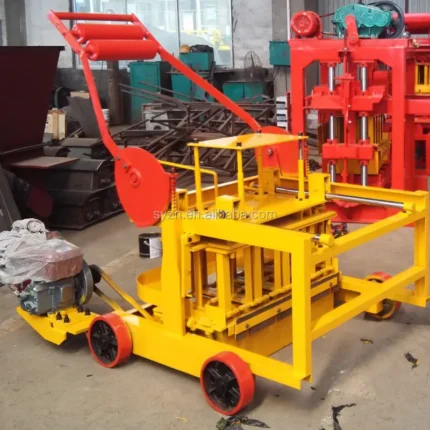
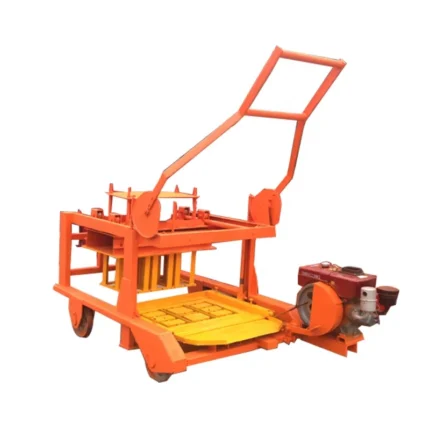
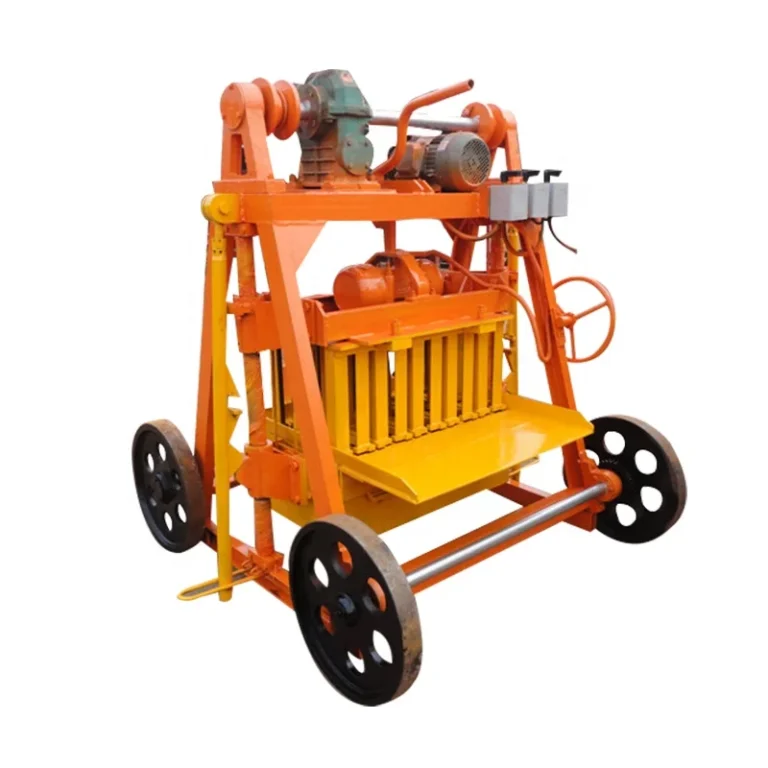
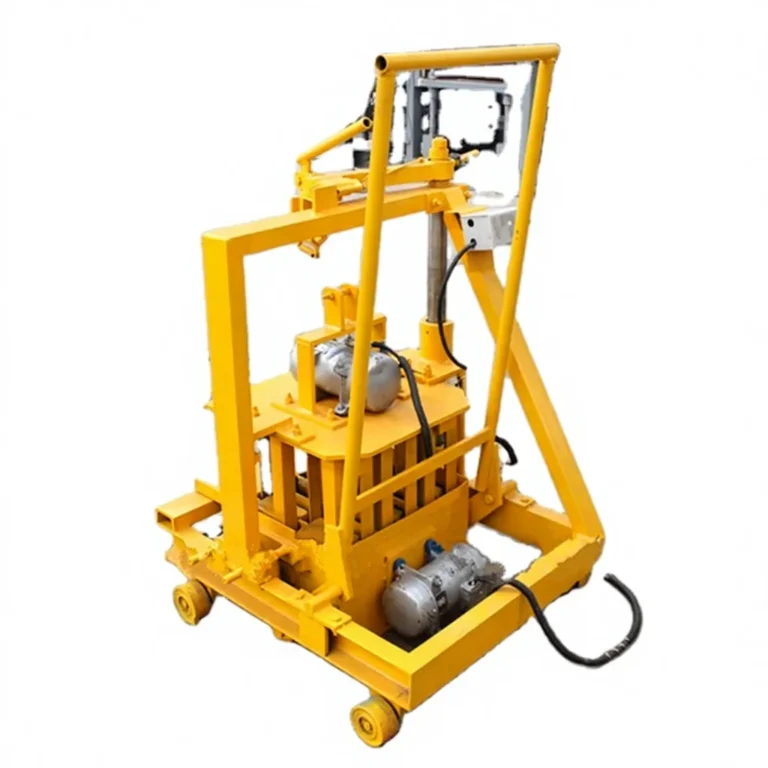
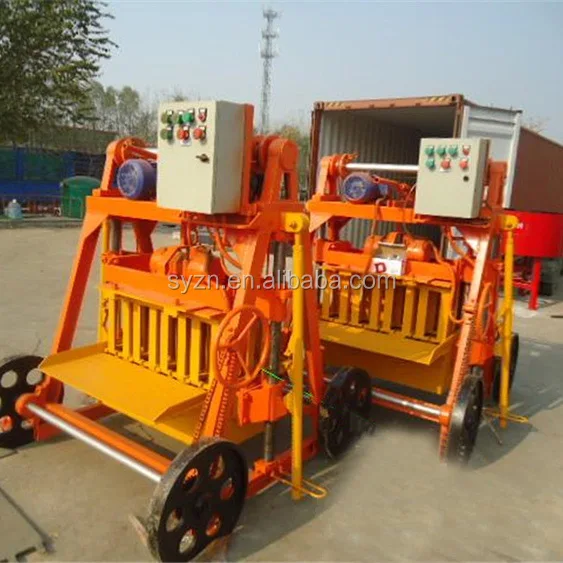
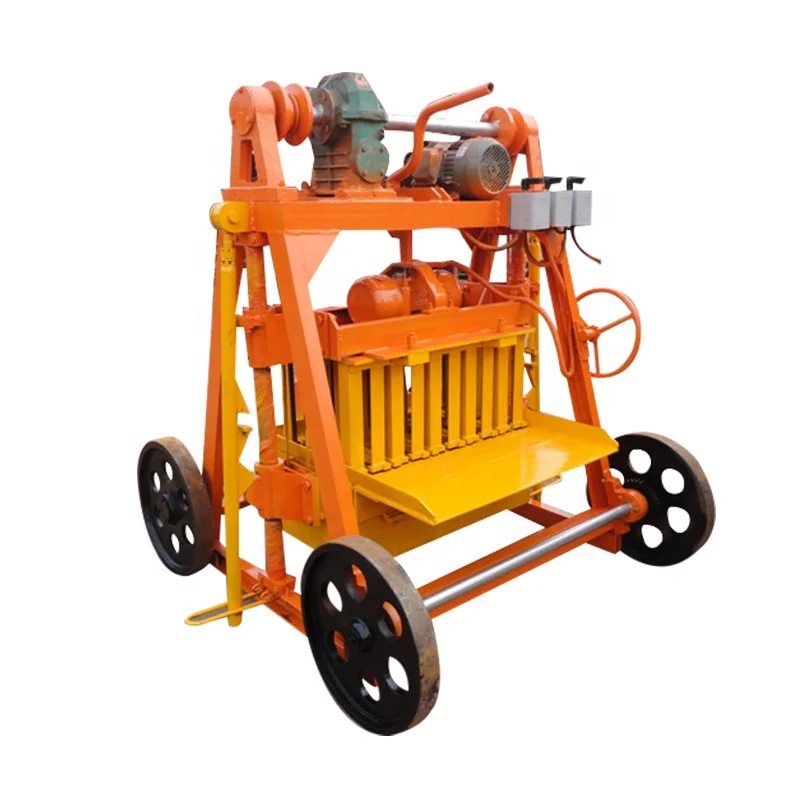
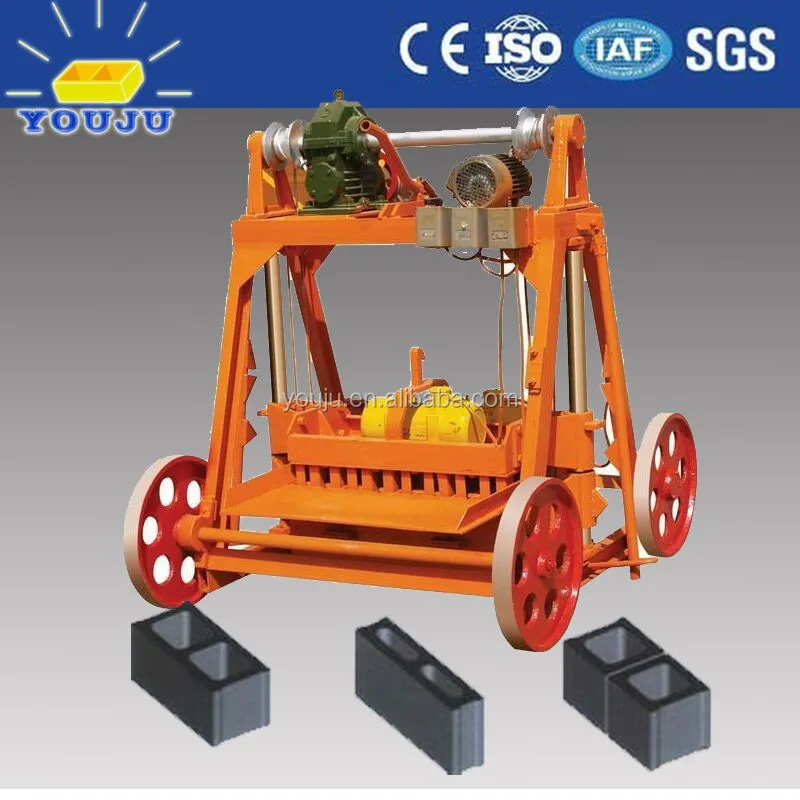
System-Level Match — we treat the QMJ4-45 mobile block machine, its moulds, power source and control options as one coordinated package rather than a collection of separate parts, so buyers avoid mismatched components once the machine arrives on site.
Technical Specifications
| Parameter | Value |
|---|---|
| Model | QMJ4-45 |
| Product Type | Mobile Egg-Laying Block Making Machine |
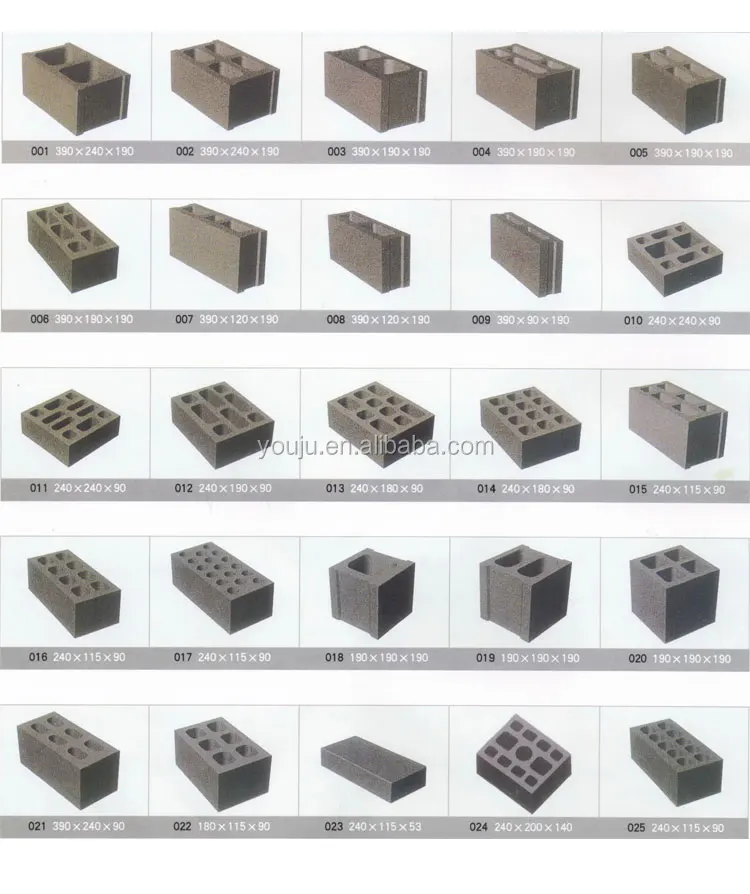
| Molding Capacity | 4 pcs/mould (400×200×200 mm), 5 pcs/mould (400×150×200 mm), 6 pcs/mould (400×120×200 mm) |
| Molding Cycle | 40–45 s (hollow block formats) |
| Productivity | 3000 pcs/day for 400×200×200 mm, 3500 pcs/day for 400×150×200 mm, 4500 pcs/day for 400×120×200 mm (based on an 8-hour shift) |
| Vibration Method | Mold vibration (twice-vibration core) |
| Vibration Frequency | 2400 r/m |
| Demold & Turning | Manual |
| Total Power | 6 kW |
| Power Source | Diesel / Petrol engine |
| Automation Level | Manual egg-laying (mobile, no fixed plant required) with selectable upgrade path |
| Pallet Requirement | Not applicable (egg-laying type, blocks laid directly on ground) |
| Warranty | 1 year for the whole machine |
| Standards | CE |
Application Suitability
| Application | Material or Output |
|---|---|
| Remote construction sites without grid power | Hollow blocks produced from local crushed stone, sand and cement using engine power |
| On-site housing and development projects | Multicellular bricks and standard bricks laid directly on prepared ground |
| Small contractor block yards | Paving bricks and hollow blocks from locally available aggregate blends |
| First-time entrepreneur block plants | Low-investment start-up producing hollow blocks before adding automated pallet lines |
Why Cycle Time Without Block Format Means Nothing
A machine rated at a certain number of cycles per hour tells you nothing unless you know which block size those cycles were measured on.
I spent years helping contractors in Southeast Asia set up mobile production. One crew in Cambodia bought a unit based on a headline cycle figure, only to realize the quoted speed assumed a thin paving format while they were making heavy 400×200×200 mm hollow blocks. Their actual daily throughput fell well short of what they had planned around. When a PLC controlled mobile block machine is discussed, buyers should always ask which format the cycle time belongs to and whether the vibration and timing settings have been matched to their specific aggregate [NEED_CITE: block format and cycle time relationship in mobile egg-laying machines].
Building the Automation Ladder From Manual Egg-Laying
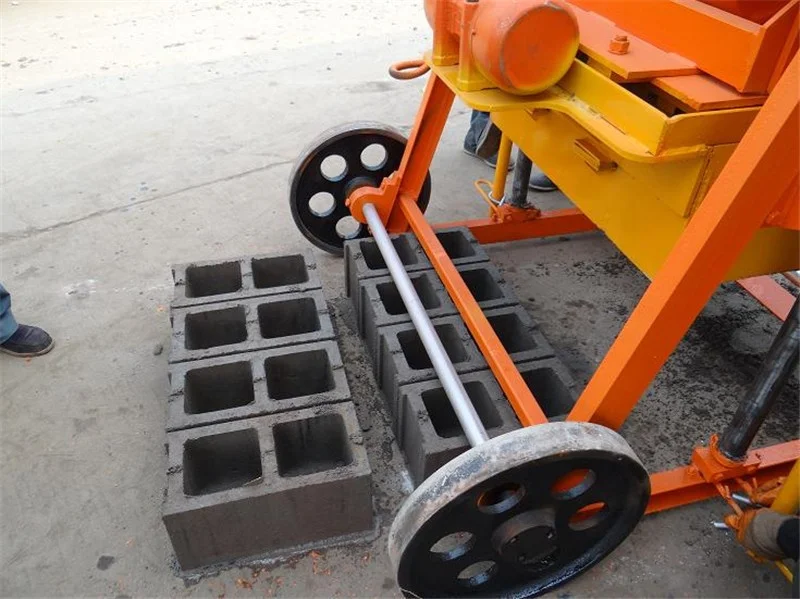
The QMJ4-45 starts as a fully manual, engine-powered unit that lays blocks directly on the ground. That simplicity is exactly what remote job sites need — no pallets, no curing racks, no three-phase power supply to arrange before production begins. The twice-vibration molding core gives operators a density advantage over single-vibration machines of this class, producing blocks with more consistent wall strength straight out of the mould.
Where the PLC Controlled Mobile Block Machine Fits in the Upgrade Path
As output grows, the same machine platform can accept automatic pallet feeding, PLC-controlled batching and eventually stacking and cubing. This means a contractor who begins with manual egg-laying on a housing project can transition toward a semi-fixed line without replacing the press itself. The control language, voltage and batching accuracy are confirmed before the PLC panel is built, so commissioning does not stall over a display the operator cannot read [NEED_CITE: PLC display language and voltage confirmation for export machinery].
Reading the Specs That Actually Shape Your Day
The 2400 r/m vibration frequency and the twice-vibration core work together to compact the mix in two stages, which is particularly important when local aggregate contains a high percentage of fine material like volcanic ash or crusher dust. The 6 kW total power, delivered by a diesel or petrol engine, removes the dependency on grid availability — a critical factor on rural sites in regions where three-phase power is unreliable. The 40–45 s cycle time across the three hollow block formats (400×200×200 mm, 400×150×200 mm and 400×120×200 mm) means the operator can switch moulds without recalibrating expectations for the shift. Mould change is manual, and the demold-and-turn process is handled by the crew, keeping maintenance simple and spare-part requirements minimal.
The Cost of Skipping the Raw Material Conversation
Sending a machine to a site without confirming the local aggregate, moisture content and cement ratio is one of the most expensive oversights in this sector. I watched a crew stand around for a week because the blocks coming off the machine failed strength tests — the vibration timing was calibrated for standard sand while the local material was volcanic ash with completely different particle behavior. That delay cost more than the machine itself. When buyers skip the raw material dialogue, they absorb rework costs, crew idle time and reputational damage with their own clients [NEED_CITE: aggregate and mix design matching for mobile block production].
Why This Machine Is Specified as a System
The QMJ4-45 is configured against the buyer’s target block format, local aggregate and site power conditions rather than shipped as a catalogue default. Mould design covers the exact formats the buyer’s market sells, including custom drawings where standard moulds do not match. The automation level is selectable, allowing a semi-automatic start with a defined path toward PLC-controlled batching and stacking. Documentation — from capacity calculations to wear parts lists — is prepared per order so nothing is left ambiguous at commissioning. Installation support and operator training are included, with mould and hydraulic wear part availability confirmed before the machine leaves the factory.
Documentation & Verification
- Capacity calculation document stating the exact block format and cycle time assumed for each output figure
- Mould drawing and format list showing included block sizes and the manual mould change procedure
- Voltage and control language confirmation sheet, applicable when PLC upgrade is selected
- Factory test record run on the buyer’s target hollow block format before dispatch
- Operation and maintenance manual with wear parts and mould availability list
Installation, Commissioning & Support
- Level ground preparation with adequate space for the 400×200×200 mm block curing footprint
- Diesel or petrol engine commissioned on site with fuel and oil specifications confirmed
- Mould fitted and vibration timing adjusted to the buyer’s local aggregate blend
- Manual demold and turning technique trained with the operating crew over a full shift
- Wear parts and mould reorder list reviewed before the team leaves site
- Daily maintenance schedule set around the 2400 r/m vibration motor and engine service intervals
What We Need to Size Your Machine Correctly
To prepare an accurate configuration, share the hollow block formats you intend to produce, your target daily output and the local aggregate you plan to use. If you are considering the PLC upgrade path, let us know the voltage and frequency at your site along with the preferred display language for the control panel.
Frequently Asked Questions
Q: How is daily output calculated for each hollow block format?
A: Each output figure is tied to a specific block size, mould cavity count and cycle time over an 8-hour shift. For example, the 400×200×200 mm hollow block uses 4 cavities with a 40–45 s cycle, yielding approximately 3000 pieces per day. We provide a written capacity calculation that names the exact format assumed so there is no ambiguity.
Q: What does the automation upgrade path look like from this manual machine?
A: The QMJ4-45 can move from manual egg-laying to PLC-controlled batching, automatic pallet feeding and eventually stacking and cubing. Each stage is added as output justifies it, meaning you invest in automation only when volume demands it rather than paying for capacity you cannot yet use.
Q: How does the twice-vibration core change block density?
A: The two-stage vibration compacts the mix more evenly than a single-vibration system, particularly when the local aggregate contains a high proportion of fine material. This results in more consistent wall thickness and compressive strength across the batch, reducing the number of blocks rejected during quality checks.
Q: What control language and voltage options are available with the PLC upgrade?
A: The PLC panel is configured before build to match the buyer’s site voltage, frequency and preferred operator language. We confirm these details in writing during the proposal stage so the display reads correctly the moment the machine is powered on at the destination.
Q: How do I match the machine to my local aggregate?
A: Share a sample description or lab report of your local sand, crusher dust or volcanic ash along with your cement ratio. We adjust vibration timing and cycle settings to that specific material profile, and we recommend a test batch before full production begins to verify block strength.