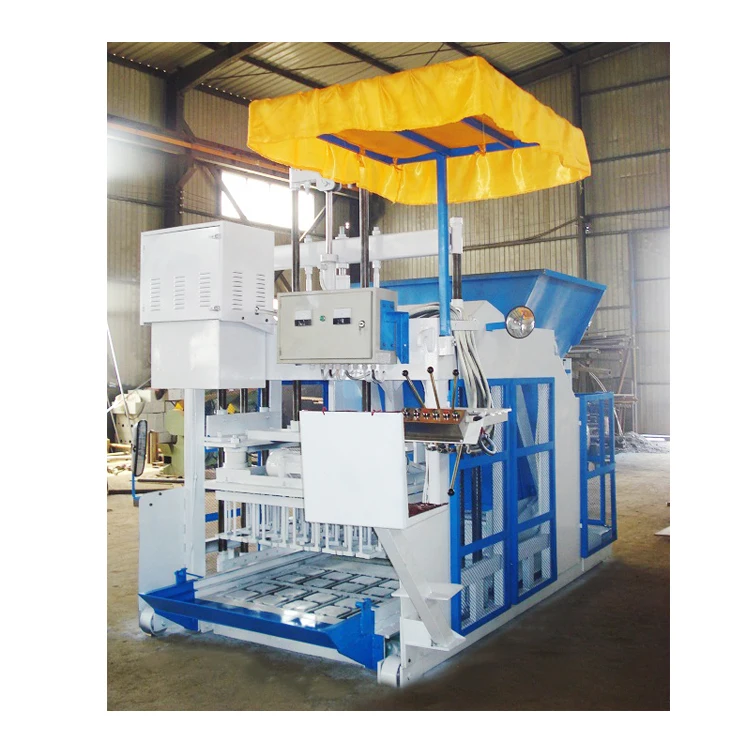


Description
Matched Automation — Full-automatic cycling on the QMY10-15 is tuned to the buyer’s mix and block format, not left at a factory default that ignores local aggregate and curing conditions.
Technical Specifications
| Parameter | Value |
|---|---|
| Model | QMY10-15 |
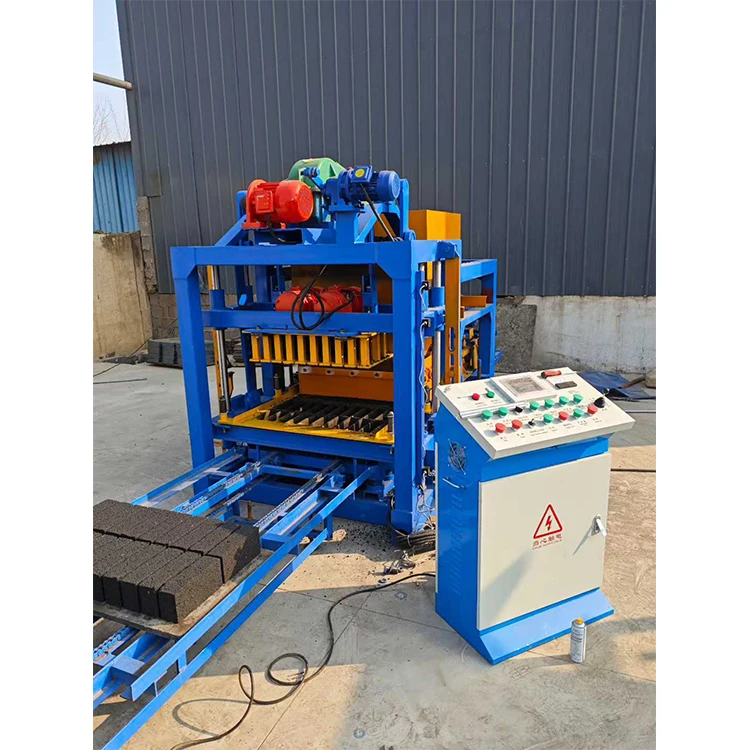
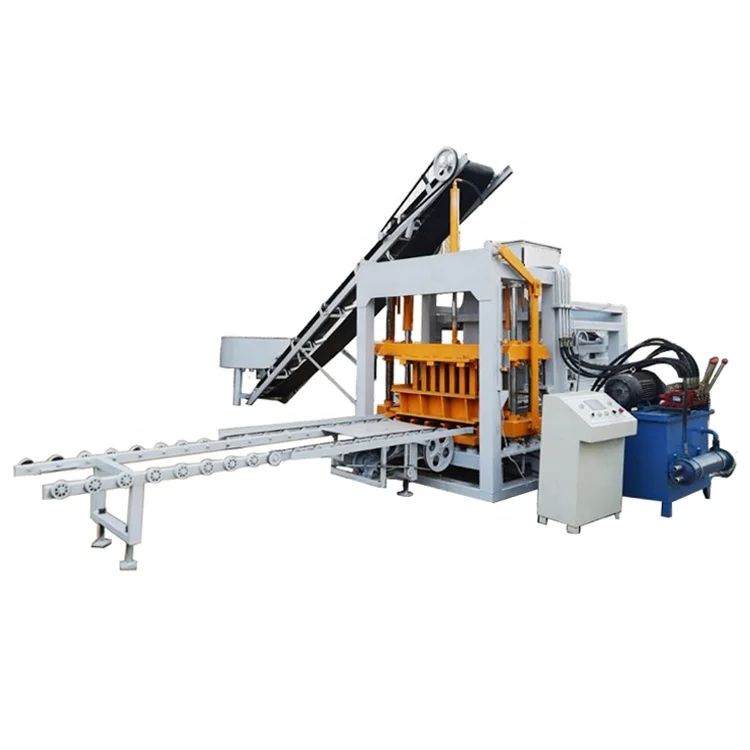
| Product Type | Mobile Hydraulic Block Making Machine |
| Machine Type | Mobile / egg-laying block machine |
| Hydraulic Pressure | Yes (specific MPa not stated in source — confirm with manufacturer) |
| Vibration Force | Yes (specific kN not stated in source — confirm with manufacturer) |
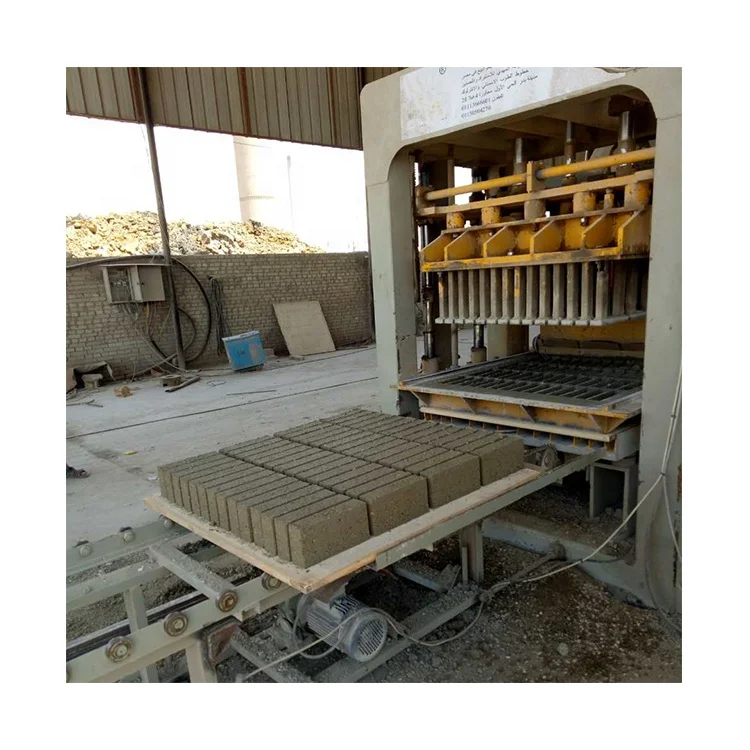
| Pallet Requirement | Pallet-free (egg-laying type) |
| Mould Formats | Hollow block 400×200×200mm / 400×150×200mm / 400×120×200mm / 400×100×200mm |
| Cycle Time | 15–20 s (basis: hollow blocks listed above) |
| Output Capacity | 1,800–2,400 pcs/h based on 400×200×200mm hollow block, 10 pcs/mould |
| Daily Output (8 hr) | 14,400–19,200 pcs based on 400×200×200mm hollow block |
| Motor Brand | Siemens motor |
| Mould Material | Heat-treated steel |
| Automation Level | Full-automatic cycling |
| Key Features | PLC or relay control options, pallet-free operation, hydraulic and vibration combined forming |
Application Suitability
| Application | Material or Output |
|---|---|
| On-site hollow block production | Crushed stone, sand, cement, water |
| Contractor self-supply for housing projects | Local aggregate with cement binder |
| Remote job site block manufacturing | Site-mixed concrete with available aggregate |
| First block plant with lower initial investment | Hollow blocks in multiple wall thicknesses |
What "2,400 Pieces per Hour" Leaves Out on a Mobile Block Machine
The capacity figure only holds true when the exact block format, mould cavity count and mix design are specified upfront.
When a supplier quotes an automatic mobile block making machine at a single hourly number, that number almost always assumes the smallest block in the mould range. On the QMY10-15, the difference between producing 400×200×200mm blocks and 400×100×200mm blocks is significant — the mould cavity count changes from 10 to 18, and the per-cycle output nearly doubles. A buyer who plans production around the larger format but receives a quote based on the smaller one will find the daily shortfall adds up fast. The control system must also match the operator’s language and the site’s voltage before the machine ever leaves the factory, otherwise the first day of commissioning stalls on a setting that should have been confirmed weeks earlier [NEED_CITE: voltage and frequency standards by export market].
How Automatic Cycling Removes Operator Timing Errors
On a manual egg-laying machine, the operator decides when each press cycle ends by watching the block surface and judging density by eye. That introduces variation from the first block of the shift to the last. The QMY10-15 as a PLC controlled mobile block machine replaces that judgment with a timed cycle of 15–20 seconds, held constant regardless of operator fatigue or inexperience. The hydraulic pressure and vibration force fire at the same intensity every cycle, so block density stays within a narrow band across the full production run.
What Consistency Means for Block Strength and Curing
Batch-to-batch density variation is the main reason blocks crack unevenly during curing. When one block is pressed harder than the next, moisture migrates at different rates and the weaker blocks develop hairline fractures before they reach the construction site. With automatic cycling locked to a repeatable sequence, the QMY10-15 delivers uniform compaction across every mould drop. This uniformity is especially important for hollow blocks, where wall thickness is already reduced and there is less margin for density inconsistency [NEED_CITE: relationship between vibration force consistency and compressive strength in hollow concrete blocks].
Reading the Specs That Actually Shape Output
The hydraulic pressure and vibration force on the QMY10-15 work together: hydraulic pressure compacts the mix vertically while vibration settles the aggregate into voids. If either force is undersized for the buyer’s aggregate gradation, the block emerges with lower density and weaker edges. The heat-treated mould steel maintains dimensional tolerance over extended runs, which matters because worn moulds produce blocks that drift out of nominal size and cause laying problems on the wall. The Siemens motor provides stable torque to the vibration system so cycle execution does not slow down as the machine warms up through a full shift. Pallet-free operation eliminates the pallet investment and circulation space that a stationary plant requires, but it also means the ground surface must be level and firm enough to receive blocks directly.
The Hidden Cost of Skipping Control System Confirmation
A mobile block machine arrives at a job site with no fixed plant infrastructure to fall back on. If the control display is in a language the operator cannot read, the entire commissioning schedule stops until a new panel or translation overlay is sourced — sometimes weeks later. Voltage mismatch is the other silent delay: a machine wired for 380 V/50 Hz landed on a 440 V/60 Hz site will burn out motors within hours. These are not manufacturing defects; they are specification gaps that a simple pre-shipment checklist would have prevented [NEED_CITE: CE machinery directive requirements for industrial equipment].
Why Source This Automatic Mobile Block Making Machine Here
Block machinery is our single focus, so the QMY10-15 is specified as a matched system — machine, mould and control logic configured together rather than assembled from separate suppliers. Every configuration is set against the buyer’s actual mix design and target block format, not pulled from a catalogue default. Mould design covers the four hollow block formats the buyer’s market demands, and custom moulds can be produced to buyer drawings. The automation level is selectable, meaning a buyer can start with relay control and move to PLC with remote diagnostics as the operation grows. Installation support includes operator training on the exact control interface the buyer receives, so the team is productive from day one.
Documentation & Verification
- Factory test record documenting cycle time and block density on your target mix design
- PLC program backup and control language confirmation sheet signed before dispatch
- Hydraulic and electrical schematic matching the as-built QMY10-15 configuration
- Mould drawing and format list for all four hollow block sizes included
- Operation and maintenance manual with wear parts replacement intervals
- Packing photographs and customs documentation support for smooth clearance
Installation, Commissioning & Support
- Level, compacted ground surface required since the QMY10-15 lays blocks without pallets
- Confirm voltage and frequency match the QMY10-15 motor rating before connecting power
- Machine arrives assembled; on-site setup covers control language verification and test cycling
- First-run parameter tuning against buyer’s mix to validate cycle time and block density
- Operator training on PLC interface, mould change procedure and daily maintenance checklist
- Wear parts and mould list provided so first replacement intervals are known before commissioning
What to Include in Your Inquiry
To configure the QMY10-15 correctly, share the hollow block format and wall thickness you plan to produce, your local aggregate type and cement ratio, and the daily output you need from an eight-hour shift. We also need your site voltage, frequency and the display language your operators will use. If you have an existing curing area or plan to add stacking equipment later, let us know so the automation level can be set with that upgrade path in mind.
Frequently Asked Questions
Q: How do I verify the real daily output of the QMY10-15 for my block format?
A: Output depends on which hollow block size you run. For 400×200×200mm blocks the QMY10-15 produces 1,800–2,400 pieces per hour based on 10 cavities per mould, giving 14,400–19,200 pieces in an eight-hour shift. We provide a capacity calculation tied to your exact format and mix design so the figure reflects your production plan, not a catalogue assumption.
Q: What PLC display languages are available and how is this confirmed?
A: The control display language is configured to the buyer’s requirement before the QMY10-15 leaves the factory. We send a language confirmation sheet for sign-off during production so the panel matches the operator’s working language on arrival. This step is built into our pre-shipment checklist specifically to avoid first-day commissioning delays.
Q: Can the QMY10-15 be upgraded with remote diagnostics later?
A: The automation architecture on the QMY10-15 supports an upgrade path from basic relay control to PLC with remote diagnostics capability. If you plan to scale or add monitoring, tell us at the inquiry stage so the control hardware is specified with the necessary communication ports and memory capacity from the start.
Q: How is the motor and voltage matched to my local power supply?
A: The Siemens motor on the QMY10-15 is configured to the buyer’s confirmed voltage and frequency before production. We request your site power specification at inquiry and verify it again before wiring, so the machine arrives ready to connect without transformers or motor replacements.