Description
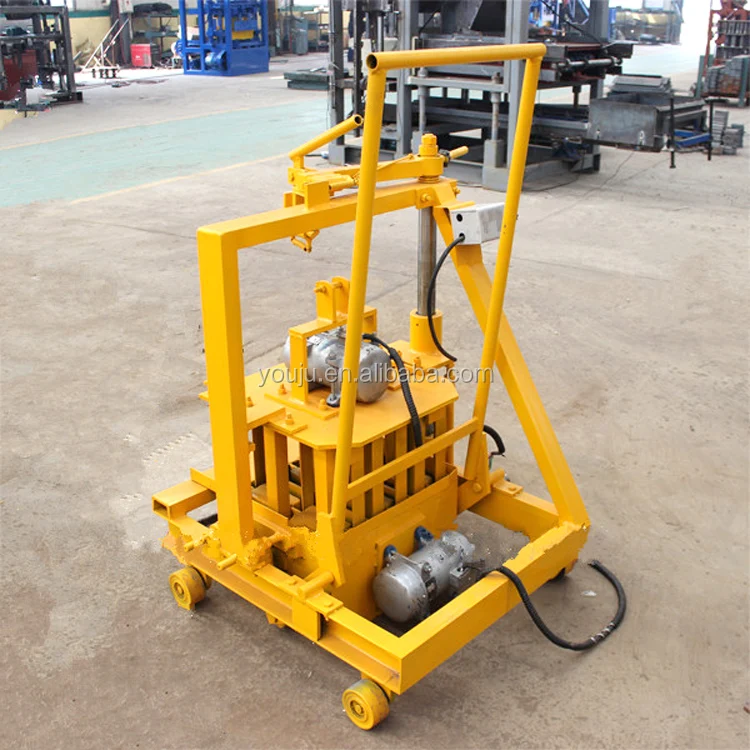
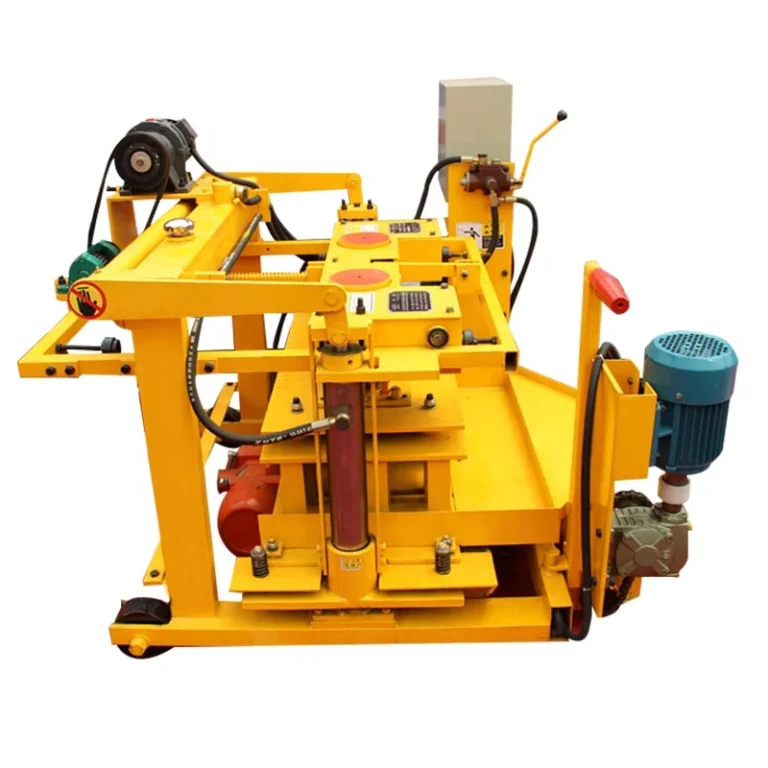
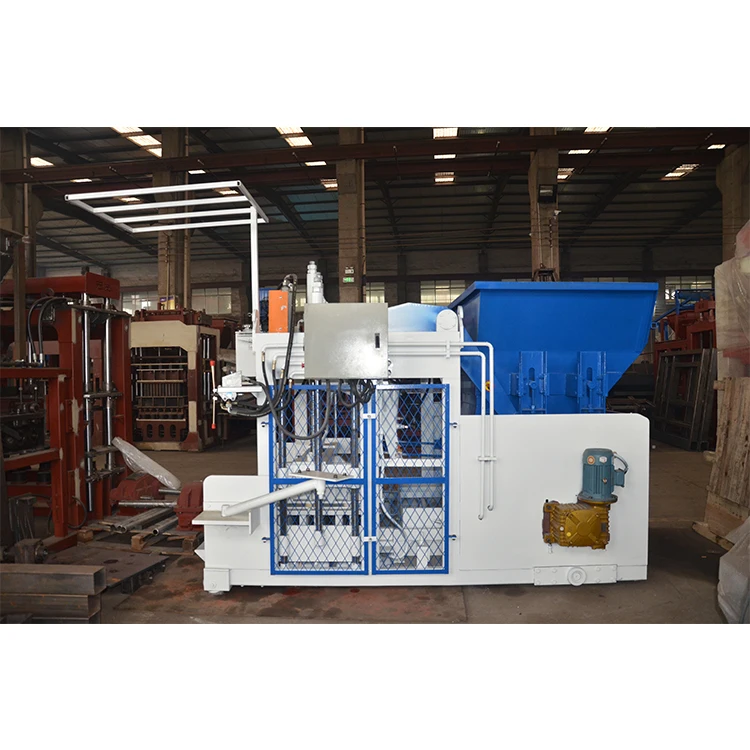
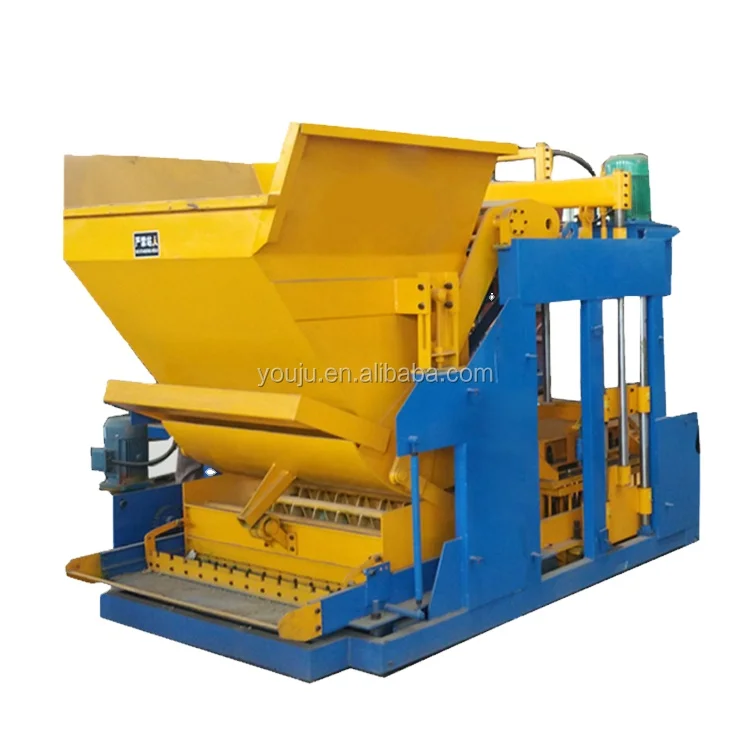
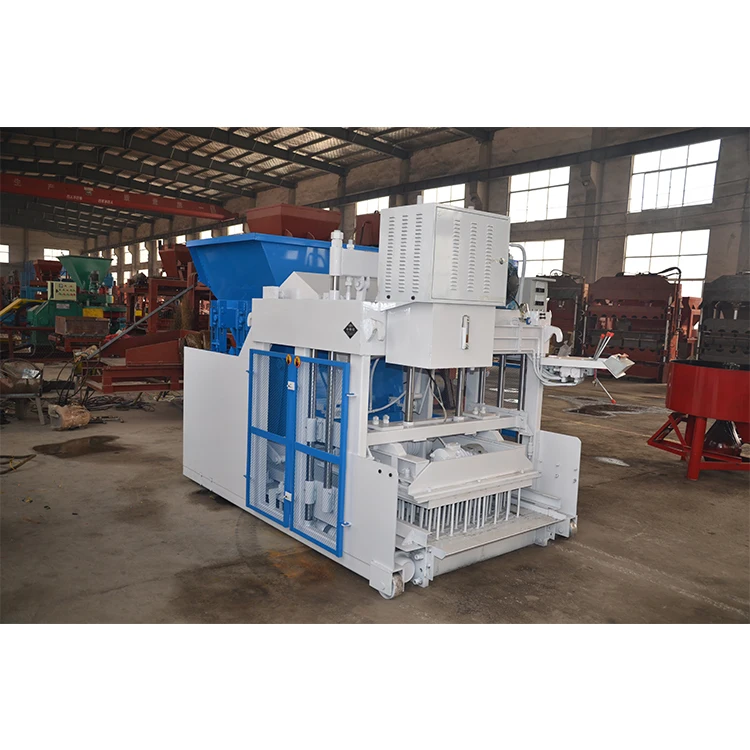
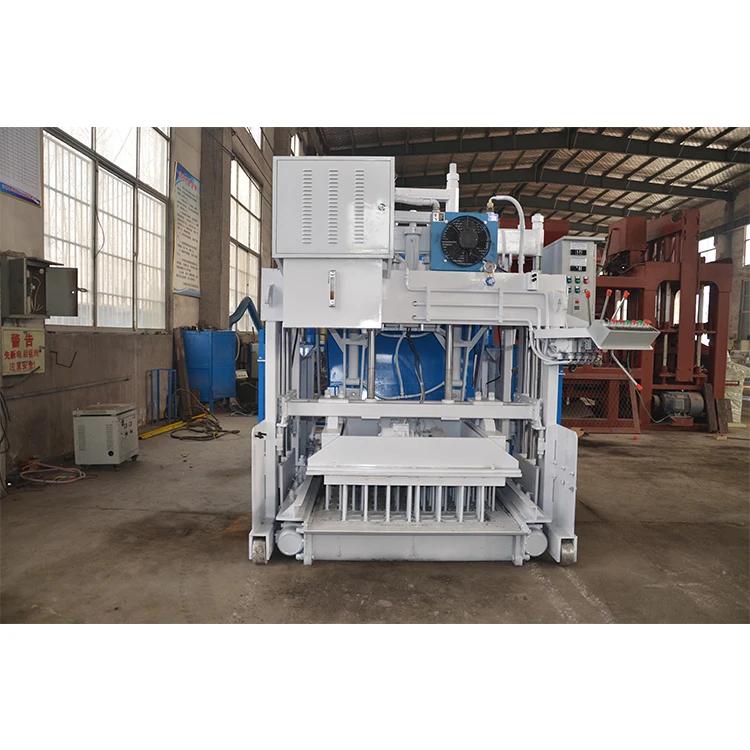
Matched Control Logic — the PLC on the QMY12-15 is specified after the buyer’s mix design and local aggregate are confirmed, so the hydraulic pressure and vibration timing are locked to a recipe the operator cannot accidentally override.
Technical Specifications
| Parameter | Value |
|---|---|
| Model | QMY12-15 |
| Product Type | Mobile Hydraulic Hollow Block Making Machine |
| Pressure Type | Hydraulic |
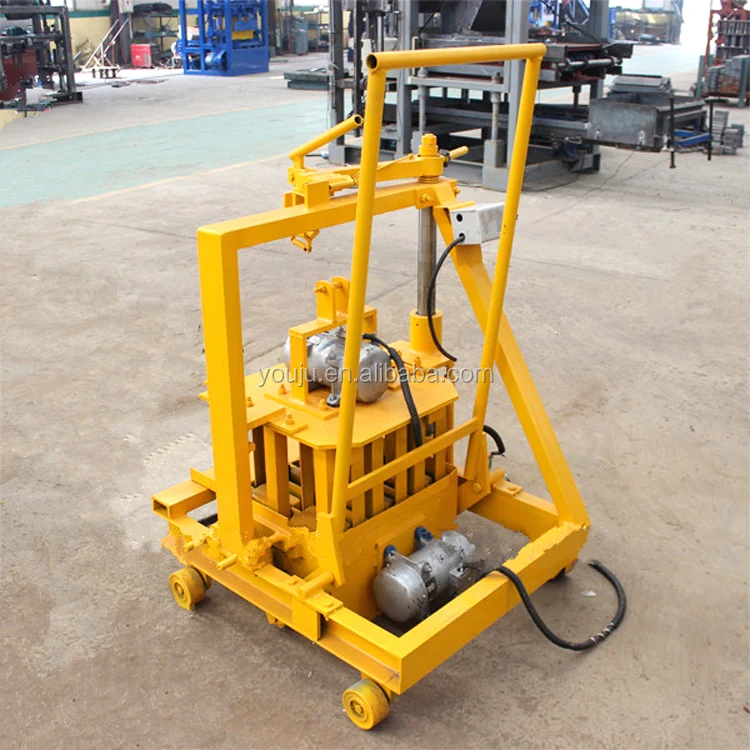
| Vibration System | Twice-vibration of molding core |
| Rated Power | 16 kW |
| Motor Brand | Siemens |
| Overall Dimensions (L×W×H) | 3250 × 2100 × 2300 mm |
| Net Weight | 4500–4600 kg |
| Moulding Cycle | 10–15 s |
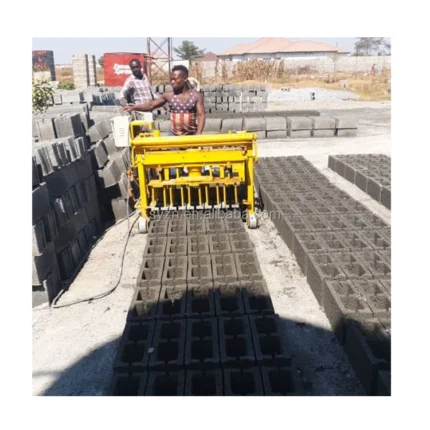
| Pallet Requirement | No pallet required (egg-laying type) |
| Worker Requirement | 2–3 operators |
| Capacity (400×200×200 mm hollow block) | 12 pcs/mould, approx. 23040 pcs/day (8 h) |
| Capacity (400×150×200 mm block) | 14 pcs/mould (basis to be confirmed) |
| Capacity (400×100×200 mm block) | 12 pcs/mould (corrected from source typo), approx. 42240 pcs/day (8 h, basis to be confirmed) |
| Automation Level | Automatic hydraulic pressure |
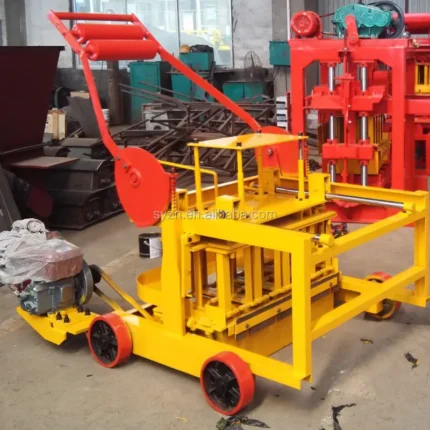
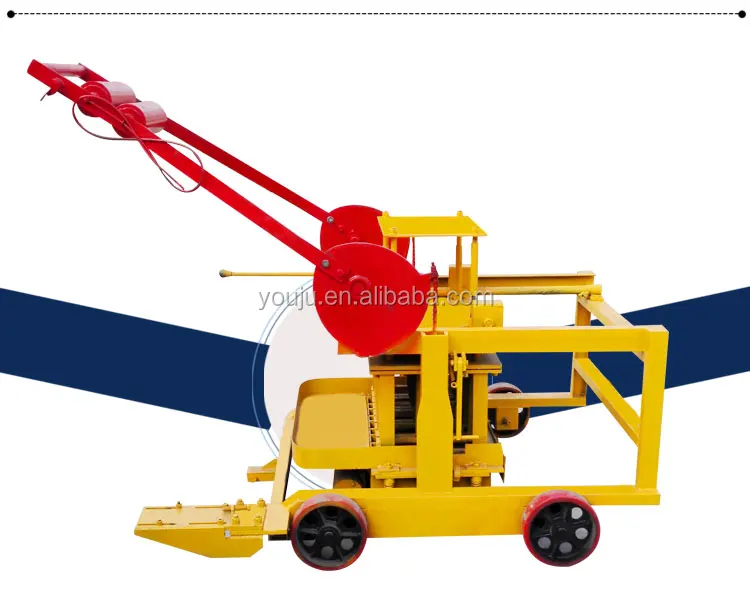
| Assembly State | Skid-mounted mobile unit |
| Control System | PLC (brand and language configurable) |
| Voltage & Frequency | Configurable to target market standard |
| Standards | ISO 9001:2008, SGS, CE |
Application Suitability
| Application | Material or Output |
|---|---|
| On-site hollow block production for building contractors | Crushed stone, sand, cement, water |
| Mobile solid block runs on remote housing projects | River sand, gravel, Portland cement |
| First-stage block plant without pallet infrastructure | Local aggregate blends with cement ratios from 8% to 15% |
| Supplemental capacity for existing cement product yards | Fly ash or stone dust mixed with cement binder |
Why the Control Language Must Be Decided Before the Machine Ships
An automatic mobile block making machine PLC controlled in a language the operator cannot read is a manual machine with extra wiring.
I once stood on a site outside Bogotá watching a crew try to decipher a Chinese-only HMI while the hydraulic cycle faulted out repeatedly. Two weeks of lost production followed, not because the press was wrong, but because the interface was. Voltage mismatches burn transformers; language mismatches burn schedules. The QMY12-15 automatic mobile block making machine PLC controlled panel is confirmed for display language and alarm text during the order stage, so the operator sees diagnostics they can act on. [NEED_CITE: HMI language and operator comprehension in industrial equipment]
How PLC Automation Removes Guesswork from the Press Cycle
On a mobile egg-laying machine, the operator controls the pace of movement and the timing of each drop. Without programmable logic, that timing drifts as the shift wears on and fatigue sets in. The QMY12-15 PLC locks the vibration duration, hydraulic dwell, and mold lift sequence into a repeatable cycle. The automatic mobile block making machine PLC controlled logic means block density at hour eight matches block density at hour one.
Where the Upgrade Path Actually Leads
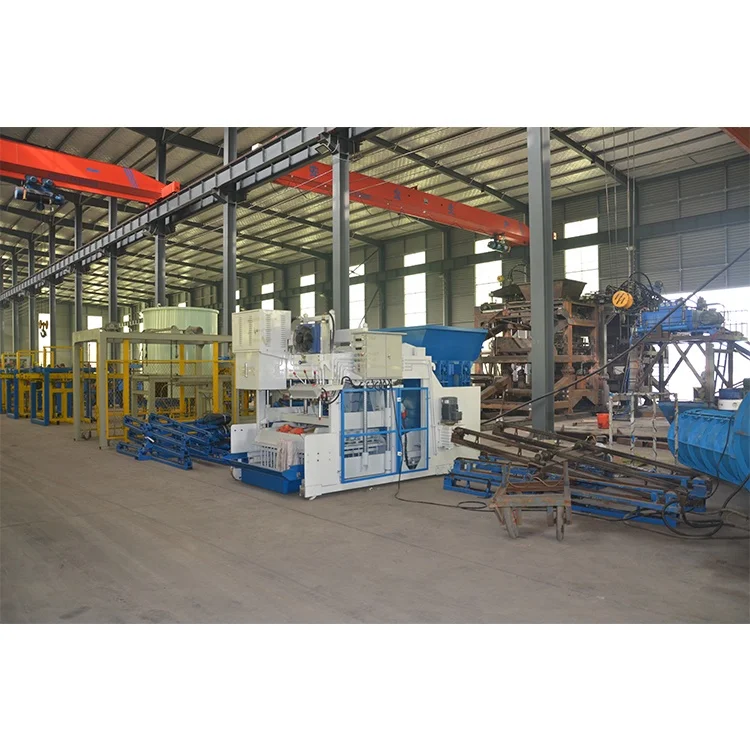
Many contractors buy mobile units as a first step. The question they rarely ask is what happens when volume outgrows the egg-laying format. The QMY12-15 is skid-mounted and shares mould geometry with the semi-automatic stationary lines in the same family, so block formats do not have to be requalified when production eventually moves to a fixed plant. The PLC architecture supports additional I/O modules for pallet feeding and stacking sensors, allowing a phased transition rather than a full machine replacement. [NEED_CITE: modular PLC expansion in block making machinery]
Reading the Specs That Actually Matter on Site
The twice-vibration molding core replaces the single-vibration design found on earlier mobile machines. Two vibration phases — one at the mold base and one through the core pins — compact the concrete from both directions, producing a denser block wall with fewer voids. The 16 kW rated power drives the Siemens motor that feeds the hydraulic pump; this pairing determines how quickly full pressure builds between cycles. The 3250 × 2100 mm footprint matters less than the turning radius the machine needs when laying blocks in a row — plan for roughly four meters of clear path. Moulding cycle times of 10–15 seconds are achievable on standard hollow block formats, though dense aggregate mixes push toward the upper end of that range. The no-pallet egg-laying design eliminates the single largest consumable cost on a stationary line, but it demands a level, cured concrete floor or a compacted gravel bed to lay blocks onto.
What Happens When the Electrical Spec Is an Afterthought
A mobile block machine arriving with the wrong voltage rating does not just fail to start — it can damage the PLC, the motor contactor, and the hydraulic solenoid valves before anyone locates the fault. Transformers rated for 50 Hz run hotter and eventually fail on 60 Hz supply, and the reverse situation starves the motor of torque during pressure build-up. I have seen commissioning delayed by weeks because the control circuit voltage was never separated from the main drive supply on paper. [NEED_CITE: voltage and frequency standards by export market]
Why Source the QMY12-15 Through This Channel
Block machinery is the only product line here, so the machine, mould, and control system are specified together rather than assembled from unrelated vendors. Every quotation states which block format the capacity figure assumes, preventing the gap between quoted output and actual daily production. The PLC brand, display language, and voltage are confirmed on a written checklist before the machine enters production. Mould design covers the formats the buyer’s local market actually sells, including custom drawings if the standard catalogue does not cover them. Installation support includes operator training on the specific PLC interface, not a generic manual handover.
Documentation & Verification
- Line capacity calculation stating the exact block format and moulding cycle assumed
- PLC brand, model, and display language confirmation sheet signed before production
- Voltage, frequency, and control circuit specification matched to site supply
- Factory test record showing hydraulic pressure and vibration timing on your mould
- Hydraulic and electrical schematic in the operator’s working language
- CE declaration and SGS certificate included with shipping documentation
Installation, Commissioning & Support
- Level compacted gravel or cured concrete slab required across the full 3250 × 2100 mm machine footprint
- Dedicated electrical circuit matching confirmed voltage and frequency for the 16 kW Siemens motor
- Skid-mounted unit arrives assembled; only hydraulic hoses and PLC connections need on-site fitting
- First-run commissioning includes moulding cycle tuning against your local aggregate and cement ratio
- Operator training covers PLC fault diagnosis, mould change procedure, and hydraulic pressure adjustment
- Wear parts list provided with mould and hydraulic seal replacement intervals
What to Prepare Before Requesting a Quote
Send the block formats your market currently buys, along with the daily volume you need to hit. Confirm the site supply voltage and frequency, and let us know the language your operators read. If you already have aggregate sources, a sample or gradation report helps match the vibration settings before the machine leaves the factory.
Frequently Asked Questions
Q: How is the daily capacity figure calculated for the QMY12-15?
A: The capacity depends entirely on the block format and moulding cycle. For a 400×200×200 mm hollow block at 12 pieces per mould and a cycle within 10–15 seconds, output reaches approximately 23040 pieces over an eight-hour shift. Different block dimensions change both the pieces-per-mould count and the cycle time, so we calculate and state output per format in every proposal.
Q: Can the PLC display language be matched to my operators?
A: Yes. The PLC brand, model, and HMI language are confirmed during the order stage, not assumed. Alarm text, cycle status labels, and diagnostic screens are set to the language your crew reads before the control panel is wired. This confirmation is documented on a signed checklist included in the shipping file.
Q: Will the voltage and frequency be correct for my country’s grid?
A: Voltage, frequency, and control circuit specifications are confirmed in writing before production starts. The Siemens motor and hydraulic pump are matched to your site supply, and the PLC power supply is independently rated so that a main drive fault does not take down the control logic. [NEED_CITE: CE machinery directive requirements for industrial equipment]
Q: How does the twice-vibration system handle my local aggregate?
A: The two-phase vibration — base and core — is adjusted during commissioning to match the gradation and density of your aggregate blend. Coarser crushed stone typically needs longer vibration at lower amplitude, while finer sand responds to shorter, higher-frequency pulses. The PLC stores these settings so operators select the recipe rather than guessing parameters.
Q: What is the upgrade path if I need higher volume later?
A: The QMY12-15 shares mould geometry with the semi-automatic stationary lines in the same range, so block formats do not require requalification when you transition to a fixed plant. The PLC supports additional I/O modules for pallet feeders and stackers, allowing automation to expand in stages without replacing the control platform entirely.