Description
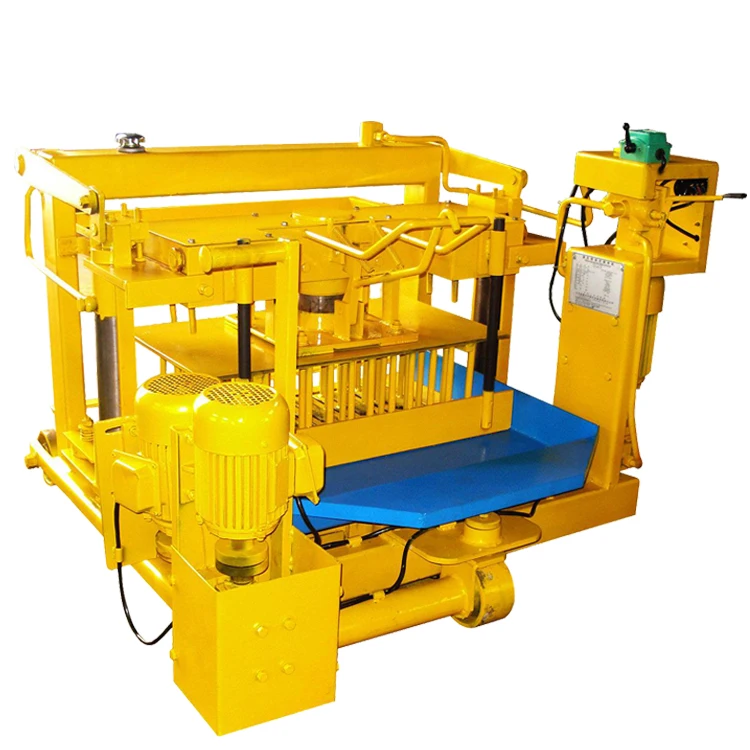
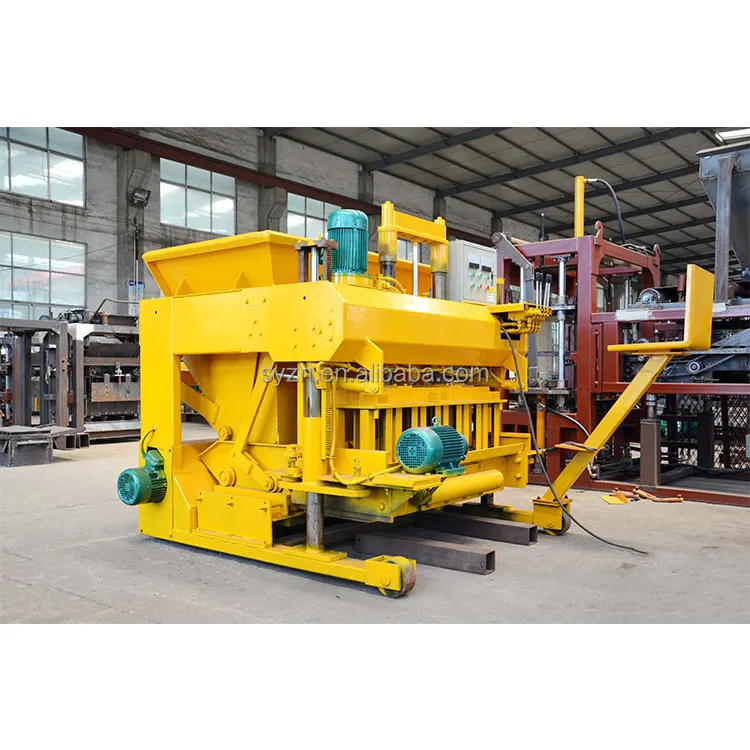
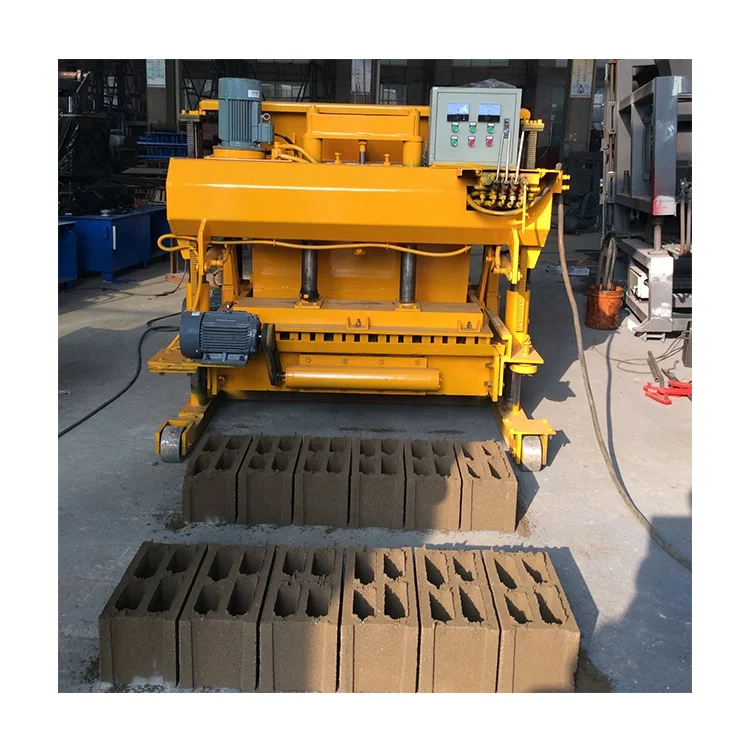
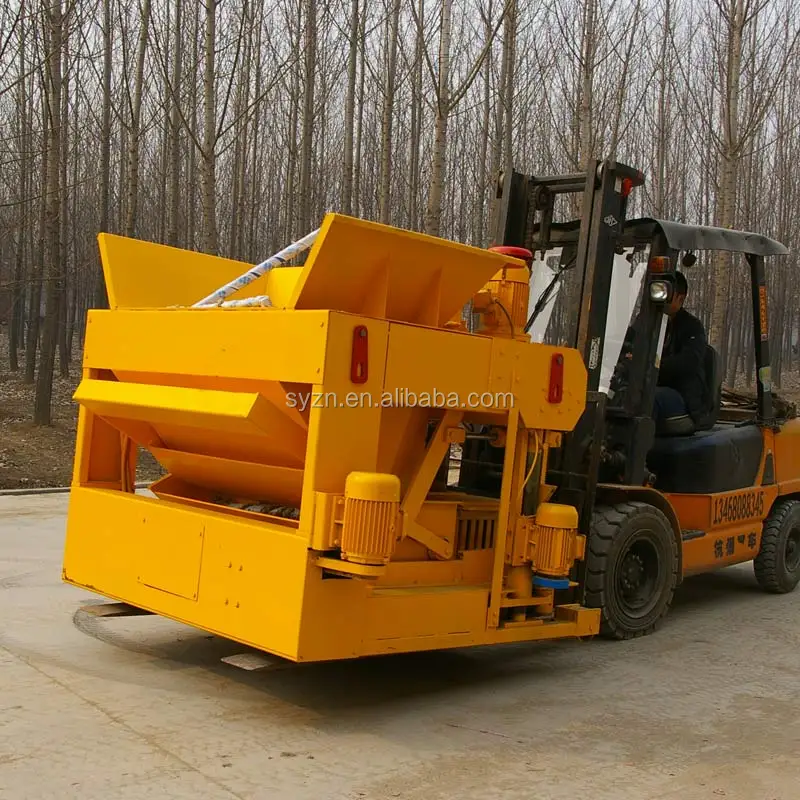
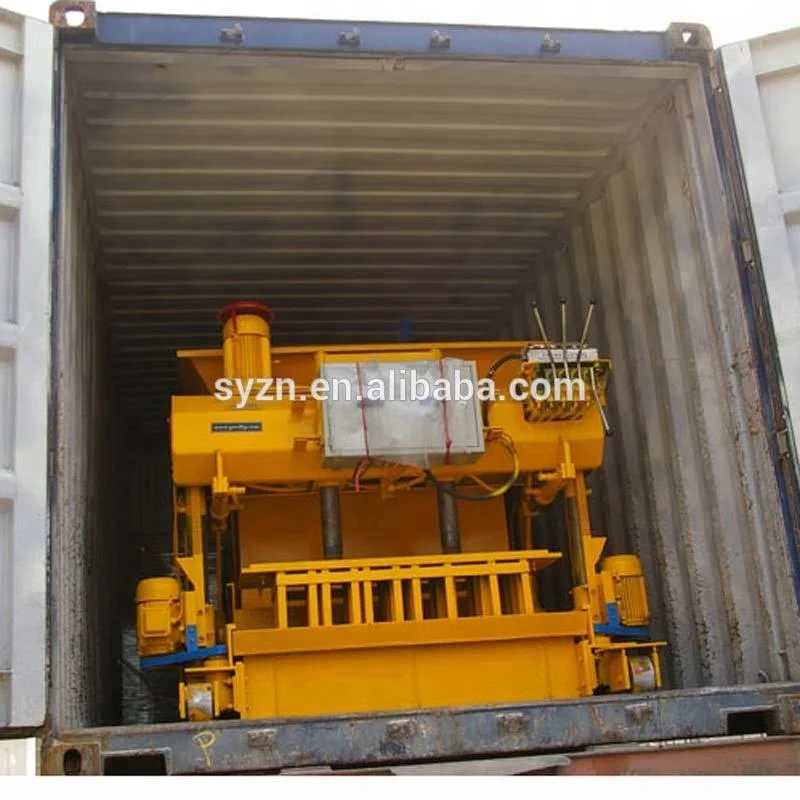
QMY6-25 Automatic Hydraulic Mobile Block Machine with PLC Control
Single-Focus Machinery Match — Every control parameter on the QMY6-25 is configured against your confirmed block format and automation requirements, not pulled from a generic catalogue.
Technical Specifications
| Parameter | Value |
|---|---|
| Product Type | Automatic Hydraulic Mobile Cement Block Making Machine |
| Model | QMY6-25 |
| Main Vibration Form | Three-dimensional excitation |
| Vibration Frequency | 3200 Hz |
| Moulding Cycle | 25–30 s |
| Moving Method | Automatic movement with hydraulic steering |
| Overall Dimensions (L×W×H) | 2000 × 2100 × 1650 mm |
| Overall Power | 9.6 kW |
| Output Capacity | 1080 pcs/h (based on 400×200×200 mm hollow blocks, 6 pcs/mould) |
| Output Capacity | 1260 pcs/h (based on 400×150×200 mm hollow blocks, 7 pcs/mould) |
| Output Capacity | 1620 pcs/h (based on 400×120×200 mm solid blocks, 9 pcs/mould) |
| Output Capacity | 1800 pcs/h (based on 400×100×200 mm solid blocks, 12 pcs/mould) |
| Shift Output (8 h) | Up to 14400 pcs (basis: 400×100×200 mm solid blocks) |
| Pallet Requirement | No pallet needed (egg-laying type) |
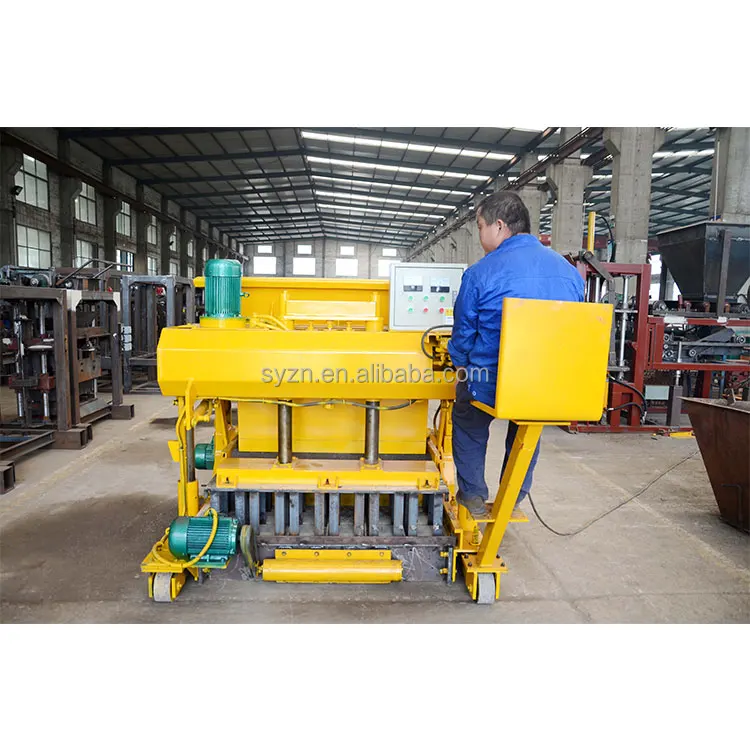
| Operator Requirement | One person |
| Control System | Configurable (confirm PLC / relay / manual before order) |
| Voltage & Frequency | Configurable to buyer market (basis to be confirmed) |
| Mould Formats Supported | Hollow blocks, solid blocks (custom sizes available) |
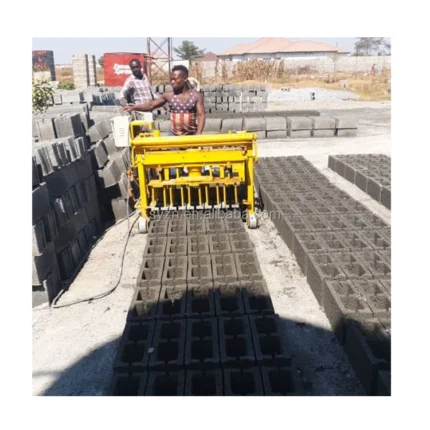
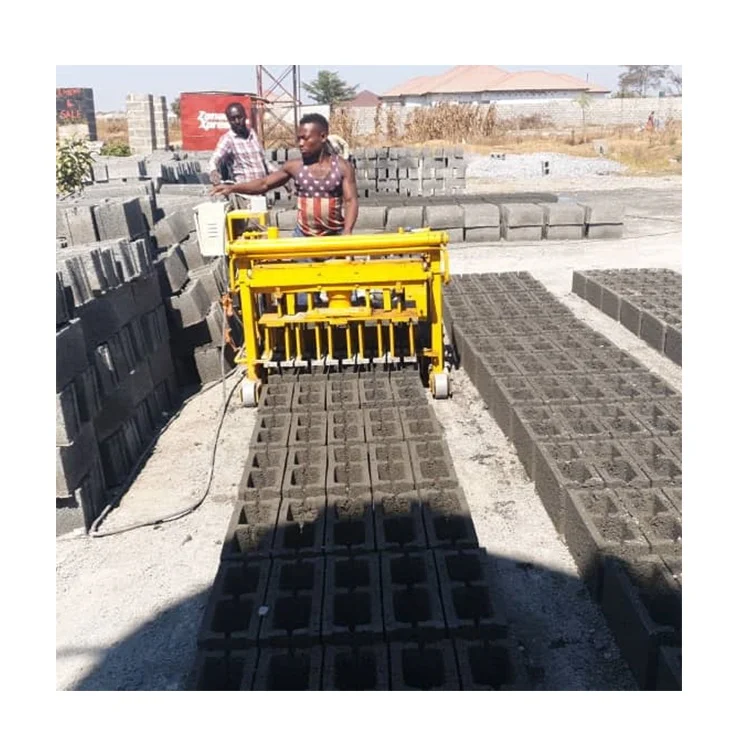
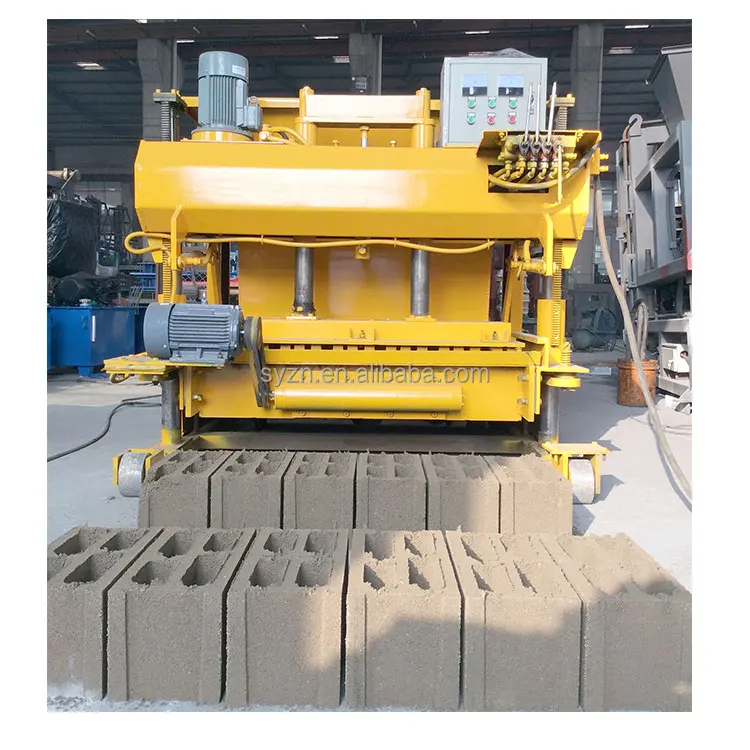
| Stacking Method | Blocks laid directly on ground |
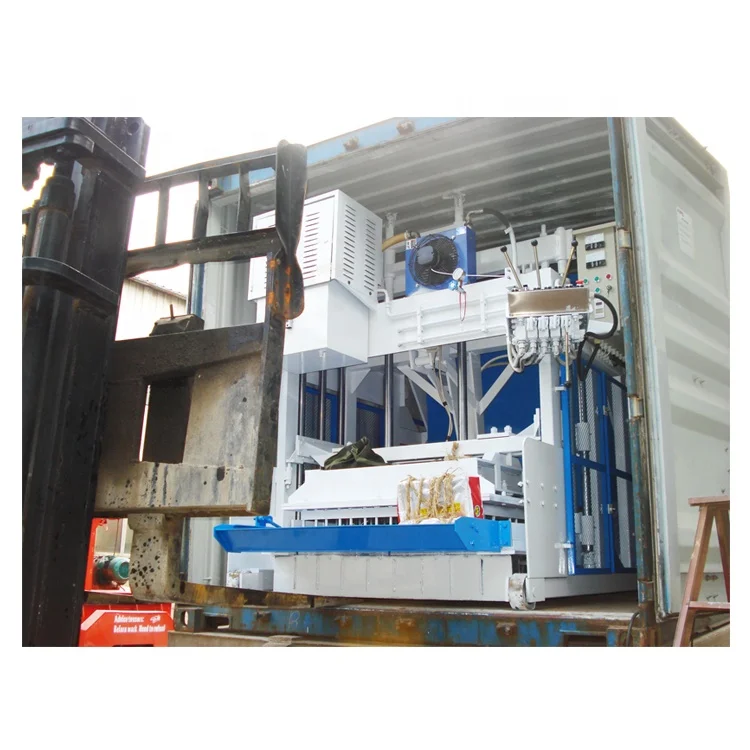
| Assembly State | Fully assembled, mobile unit |
| Warranty | 1 year for the whole machine (excluding spare parts) |
Application Suitability
| Application | Material or Output |
|---|---|
| On-site construction block production | Hollow and solid concrete blocks from local aggregate and cement |
| Contractor-led housing projects | Direct ground-laid block output without a fixed plant footprint |
| Small-scale block enterprise startup | Pallet-free mobile production minimizing initial infrastructure investment |
| Supplementary mobile capacity | On-site format runs complementing an existing stationary block line |
Why Control Language Must Be Locked Before Shipment
When you buy an automatic mobile block machine PLC controlled, the interface language and voltage are often left as defaults until the machine arrives. Confirming the control specification during the order stage prevents commissioning delays that can stall a project for weeks.
I worked on a QMY6-25 delivery where the PLC display was left in a default language the local operator could not read. The machine sat idle while we arranged a remote firmware update, and the contractor lost critical curing days. Voltage mismatches are another common trap; a 380V unit plugged into a site running 440V will trip breakers or damage the vibration motor [NEED_CITE: voltage and frequency standards by export market]. Locking these details before production ensures the automatic mobile block machine PLC controlled system is ready to run on day one.
Single-Operator Workflow Through Hydraulic Automation
The QMY6-25 removes the need for a second operator to push or guide the machine. Hydraulic steering and automatic movement allow a single worker to manage the material feed, cycle start, and machine repositioning. This reduces the labor footprint on a cramped construction site where space for extra personnel is limited. The three-dimensional vibration maintains density across the block face, which is critical when one person is managing the entire output flow.
Removing the Pallet Logistics Burden
Pallets represent a hidden cost in mobile block production. They must be purchased, stored, cleaned, and moved between the machine and the curing area. The QMY6-25 eliminates this by laying blocks directly on the ground in an egg-laying pattern. This removes the need for pallet investment and the forklift traffic required to move them, simplifying the site logistics significantly [NEED_CITE: comparative operational costs of pallet versus pallet-free block production].
Interpreting Vibration and Cycle Parameters
The 25–30 s moulding cycle paired with 3200 Hz three-dimensional excitation determines the final block density. Higher frequency vibration consolidates the concrete mix more effectively, reducing voids and increasing compressive strength. The 9.6 kW overall power must be sufficient to drive both the hydraulic steering and the vibration motors simultaneously; if the power supply on site is weak, cycle consistency will suffer. Buyers must match the hydraulic pressure and vibration force ratings to their specific aggregate type, as volcanic scoria requires different consolidation energy than standard river sand.
The Cost of Unconfirmed Automation Details
When automation parameters are assumed rather than specified, the machine may arrive with a control logic that does not match the site workflow. A PLC configured for a different cycle sequence can cause the vibration to cut off before the block is fully formed, leading to crumbling corners and rejected output. Hydraulic steering calibrated for a different ground condition may cause the machine to drift, producing uneven block rows that complicate later construction work [NEED_CITE: impact of unconfirmed automation parameters on block quality].
Why Procurement Here Aligns With Control
Our focus on block machinery means the QMY6-25 is specified as a matched system, not assembled from disparate components. The automation level is selectable, allowing a buyer to start with the current mobile configuration and plan a future upgrade path to a stationary line. Every control parameter is set against the buyer’s actual mix design and local aggregate, ensuring the three-dimensional vibration is tuned for the specific material being used. Installation support includes operator training on the exact PLC interface delivered.
Documentation & Verification
- Factory test record confirming cycle time and block strength for your ordered mould format.
- Hydraulic and electrical schematic matching the confirmed voltage and control language.
- Mould drawing and format list showing dimensional tolerances for your specific block size.
- Operation manual translated to the confirmed PLC display language.
Installation, Commissioning & Support
- Verify site ground bearing capacity for the 2000 × 2100 mm machine footprint.
- Confirm dedicated power circuit for the 9.6 kW overall power requirement.
- Machine arrives fully assembled; commissioning focuses on parameter tuning.
- On-site vibration frequency calibration against your local aggregate sample.
- Operator training covering hydraulic steering and single-person workflow.
- Wear parts list provided for vibration motor and hydraulic seals.
Preparing Your Technical Inquiry
To specify the QMY6-25 correctly, we need your target block formats and the specific local aggregate you intend to use. Provide your site voltage, frequency, and preferred PLC display language to ensure the control system is built to your market. Let us know if you require custom mould drawings for non-standard block sizes sold in your region.
Frequently Asked Questions
Q: How is the output capacity calculated for different block formats?
A: The capacity figures are tied directly to the block size and the number of cavities in the mould. For example, the 1080 pcs/h figure assumes a 400×200×200 mm hollow block with 6 pcs per mould. Smaller solid blocks allow more units per cycle, increasing the hourly output. Always request the capacity calculation based on your specific target format.
Q: Can the PLC display language be set to my local language?
A: Yes, the control system language is configurable. You must confirm the required language during the order stage so the firmware is loaded before factory testing. This prevents the need for post-shipment updates that can delay operator training and initial production runs on your site.
Q: What voltage and frequency options are available?
A: The electrical system is built to match your country’s grid. You must provide the exact voltage and frequency (e.g., 380V/50Hz or 440V/60Hz) at the inquiry stage. This ensures the vibration motors and hydraulic pumps are wound correctly and the control panel components are rated for your local supply.
Q: How does this mobile machine fit into a future automation upgrade?
A: The QMY6-25 serves as an entry point with single-operator automation. As your production volume grows, you can transition to a semi-automatic or fully automatic stationary line. The mould formats and block specifications established on this mobile unit can often be carried over, maintaining product consistency for your market.