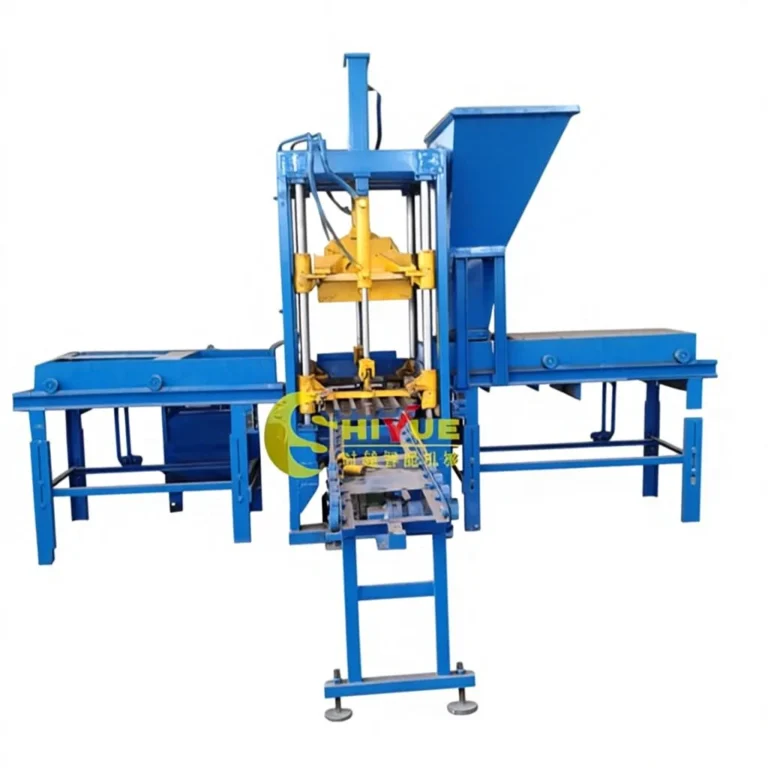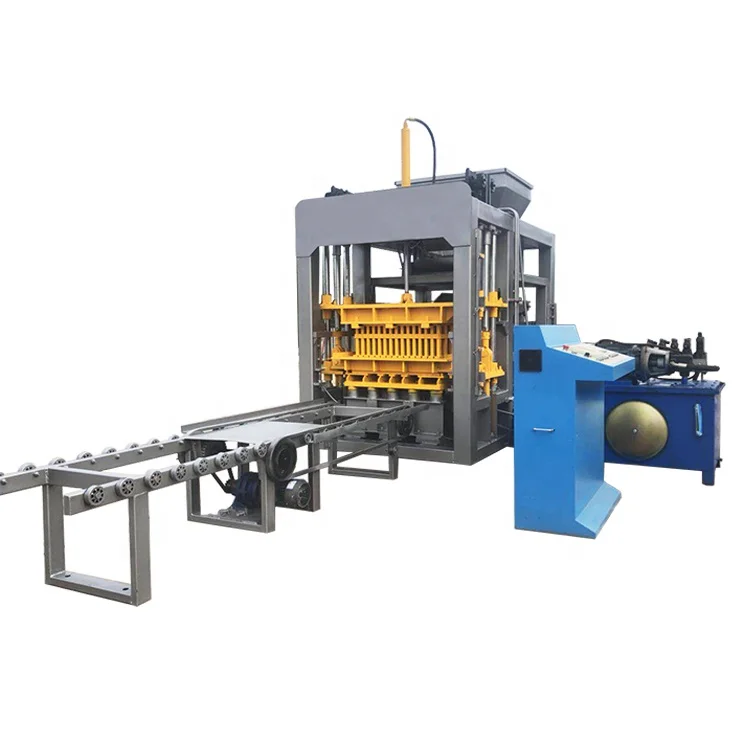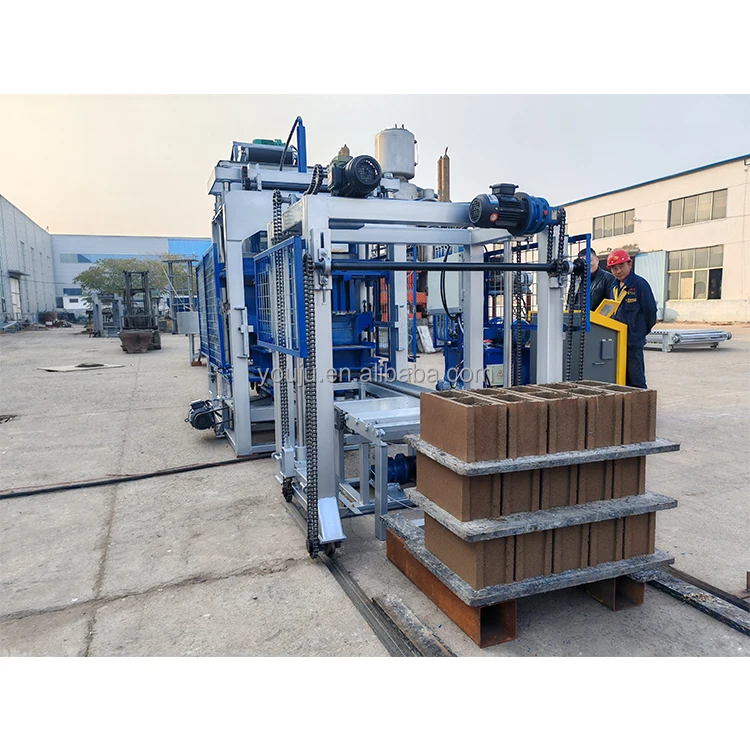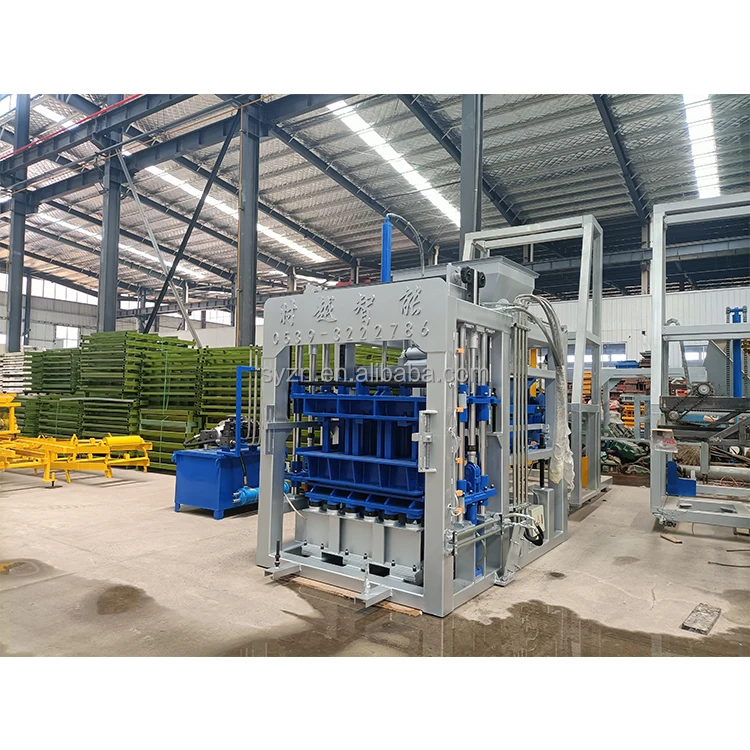
Description
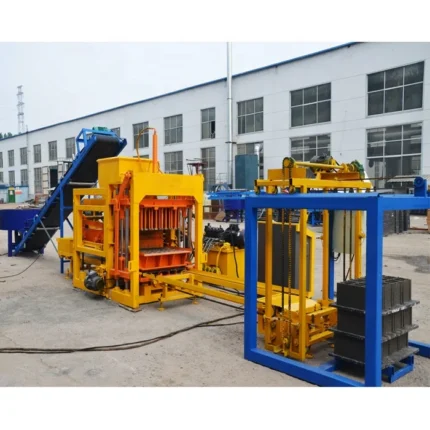
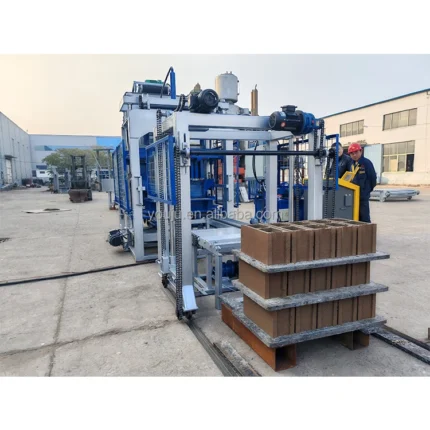
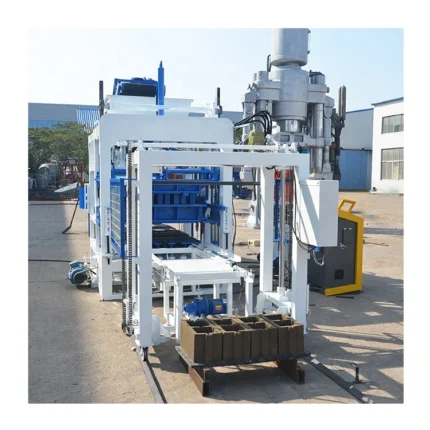
Intelligent Control Integration — The QT10-15 automatic block making machine PLC controlled system removes manual guesswork by synchronizing batching, pressing, and stacking under one Siemens touch screen interface.
Technical Specifications
| Parameter | Value |
|---|---|
| Model | QT10-15 |
| Product Type | Full Automatic Concrete Block Making Machine |
| Dimension of Host Machine | 5870×2220×2850 mm |
| Weight of Host Machine | 12 Tons |
| Molding Area | 1100×900 mm |
| Workshop Area Required | 200 m² |
| Host Machine Power | 57 kW |
| Vibration Force | 100 kN |
| Vibration Method | Hydraulic + Platform Vibration |
| Vibration Frequency | 2800–4500 Times/Minute |
| Pallet Size | 1100×900×30 mm |
| Voltage Options | 220/380/415/440V (Customized) |
| Control System | Siemens PLC with Touch Screen |
| Molding Period | 15 Seconds (basis not stated in source — confirm block format) |
| Motor Brand | Germany SIEMENS or CE standard brand |
| Travel Switch | France Schneider / Japan Omron |
| Mould Treatment | Heat treatment and carburizing, 54–58 HRC, lifespan over 100,000 cycles |
| Batching Machine | PLD1200, 4×2.5 m³ hopper, ±2% ingredient precision |
| Concrete Mixer | JS750, 750L discharge, 35 m³/h capacity, 30 kW mixing motor |
| Stacker | SY-8, 3 kW, mobile pallet stack, 600 kg weight |
| Automation Level | Full Automatic (pallet feeder, brick receiver, hydraulic station, stacker included) |
| Standards | CE (materials and spare parts per international CE standards) |
Application Suitability
| Application | Material or Output |
|---|---|
| Hollow block production | Crushed stone, cement, sand, and fly ash blends for load-bearing and partition walls |
| Solid block production | Dense aggregate mixes for foundation and structural masonry |
| Paving brick production | Fine aggregate and cement blends with optional color feeding system for driveways and walkways |
| Interlocking brick production | Graded aggregate mixes for dry-stack retaining walls and landscape applications |
| Porous brick production | Permeable aggregate blends for sponge-city drainage installations |
What "15-Second Molding Cycle" Actually Means for Your Daily Output
A cycle time only becomes meaningful once you lock in the exact block format, thickness, and mix design you intend to run.
Manufacturers often quote molding periods without naming the block size behind that number. A 15-second cycle on a thin paving brick does not translate to the same cycle on a 200mm hollow block. I have seen buyers arrive at commissioning expecting a certain pallet count per shift, only to discover the quoted figure assumed a completely different format. That mismatch stalls production planning and erodes trust before the first block cures. Confirming the target format upfront lets the automatic block making machine PLC controlled configuration calculate realistic daily output instead of optimistic brochure numbers [NEED_CITE: block format assumptions in capacity quotations].
How PLC Logic Replaces Operator Guesswork
On manual or semi-automatic lines, the operator decides when to feed, when to vibrate, and when to release — introducing variation across every shift. The Siemens PLC on this machine stores cycle parameters per mould, so once a recipe is saved, the touch screen runs the sequence identically every time. Batching precision from the PLD1200 feeds into the JS750 mixer on a timed schedule coordinated by the same controller, eliminating the lag between mixing and pressing that leaves the hopper starved or overflowing.
Remote Diagnostics and Language Configuration
The touch screen interface supports multiple language packs loaded before dispatch. I remember a QT10-15 shipment to West Africa where the panel defaulted to Chinese — the local engineer could not navigate the fault log, and commissioning stalled for an entire day until we pushed an English firmware file remotely. Since that incident, PLC display language is confirmed in writing before the machine leaves the factory floor. The system also exposes diagnostic registers over a standard communication port, letting your maintenance team read sensor states and hydraulic pressures without opening the cabinet [NEED_CITE: PLC multilingual interface requirements for export machinery].
Matching Vibration Force to Your Aggregate and Mix
The 100 kN hydraulic platform vibration system operates between 2800 and 4500 cycles per minute, but that range only delivers consistent block density when it is tuned to the aggregate grading and cement ratio available at your site. Coarse crushed stone absorbs energy differently from fine river sand or fly ash blends. The frequency band is adjustable through the PLC, allowing your technician to sweep the range during commissioning and lock the optimum setting for each mould. Carburized moulds rated at 54–58 HRC withstand sustained vibration without surface fatigue cracking, maintaining dimensional accuracy across the 100,000-cycle rated lifespan.
The Cost of Overlooking Automation Synchronization
When the batching machine, mixer, press, and stacker arrive from different suppliers, cycle times rarely align. The press finishes a pallet and waits because the mixer has not discharged, or the stacker jams because pallets arrive faster than it can index. These micro-stoppages accumulate across a shift, cutting actual output well below the sum of individual machine ratings. The full line here — PLD1200, JS750, pallet feeder, brick receiver, and SY-8 stacker — shares one control bus so the PLC schedules each station to match the press rhythm, preventing idle time at the most expensive node in the line [NEED_CITE: production line synchronization losses in block manufacturing].
Why Sourcing the Intelligent Side from One Supplier Matters
Block machinery is the single focus here, which means the PLC program is written against the actual hydraulic valves, vibration motors, and sensors installed on the machine rather than adapted from a generic template. Configuration starts with your mix design, local aggregate, and target block format — not a catalogue default. Mould drawings are produced against your format list, and the pallet size is chosen to match the curing racks and forklifts already on your site. Voltage and frequency are confirmed in writing before production begins, and the PLC language is locked before the control cabinet is sealed. Factory test records document actual cycle performance on your chosen block format before crating.
Documentation & Verification
- Line layout drawing with capacity calculation per confirmed block format
- Hydraulic and electrical schematics matching installed Siemens and Schneider components
- Mould drawing pack covering every format in your purchase list
- PLC program backup file with language setting confirmed pre-dispatch
- Factory test record showing actual molding cycles on your target block
- CE declaration covering materials, electrical safety, and machinery directive compliance
Installation, Commissioning & Support
- 200 m² workshop footprint requires level concrete slab rated for 12-ton dynamic load
- 57 kW host machine power plus mixer and stacker loads demand dedicated three-phase supply at confirmed voltage
- Host machine ships in dismantled sections for container loading; reassembly guided by hydraulic schematic
- PLC parameters loaded and tested against your block format during on-site commissioning
- Operator training covers touch screen navigation, mould changeover procedure, and daily sensor checks
- Wear parts list and mould maintenance schedule provided at handover
What We Need Before Quoting Your Line
Share the specific block formats your market sells — hollow, solid, paving, or interlocking — along with the target daily output for each. Tell us your local aggregate type, cement grade, and whether you plan to use fly ash or other supplementary materials. Confirm the voltage, frequency, and phase available at your site, plus the language your operators will need on the PLC touch screen. If you have existing pallets, forklifts, or curing racks, send the dimensions so the line layout accommodates them from day one.
Frequently Asked Questions
Q: The 15-second molding period is quoted — for which block format, and how does daily output vary?
A: That figure is a general reference and must be matched to your specific block format and thickness. A thin paving brick may cycle within 15 seconds, while a 200mm hollow block typically requires longer vibration and compaction. We calculate real daily output only after you confirm the target formats, so the capacity sheet you receive reflects actual pallets per shift for each product you intend to run.
Q: Can the Siemens PLC display show my local language, and is remote troubleshooting possible?
A: Yes, the touch screen supports multiple language packs, and we load your chosen language before the control cabinet is sealed. The PLC exposes diagnostic registers that your maintenance team can read on-site. Remote support is available when connectivity permits, allowing our technicians to review fault logs and adjust parameters without waiting for a site visit.
Q: How is the 100 kN vibration force adjusted for different mix designs?
A: The PLC allows your technician to adjust vibration frequency between 2800 and 4500 cycles per minute during commissioning. We sweep the range with your local aggregate and cement blend, measure block density and strength, then lock the optimum setting per mould. This ensures consistent compaction whether you run crushed stone, river sand, or fly ash mixes.
Q: What automation upgrade path exists if I start semi-automatic and add stacking later?
A: The PLC architecture supports staged upgrades. You can begin with manual pallet handling and add the SY-8 stacker, automatic pallet feeder, or brick receiver as production volume grows. The control program is written to accommodate these additions without replacing the main controller, protecting your initial investment while leaving room for full automation later.
Q: How does the line ensure the press never waits for material or pallets?
A: Every station — PLD1200 batching, JS750 mixing, pallet feeding, pressing, and stacking — communicates through the single Siemens PLC. The controller schedules each upstream and downstream action against the press cycle, so material arrives just before the hopper empties and pallets index precisely when the mould releases. This eliminates the micro-stoppages that silently erode output on lines assembled from separate suppliers.