


Description
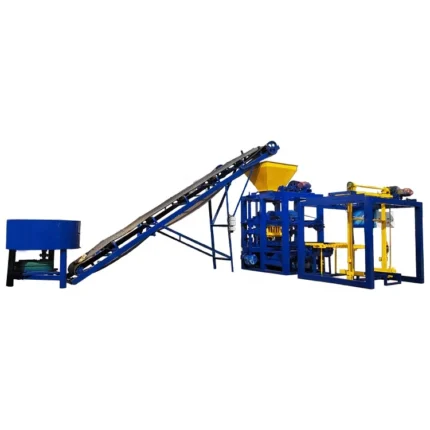
Automation-First Design — the QT10-15 ships with PLC-managed cycle control that removes manual timing from the operator and locks batch-to-batch consistency across every pallet.
Technical Specifications
| Parameter | Value |
|---|---|
| Model | QT10-15 |
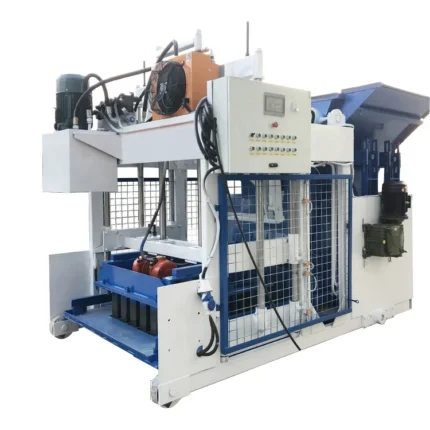
| Product Type | Hydraulic Concrete Block Making Machine |
| Moulding Cycle | 15–25s (basis not stated in source — confirm block format / material / thickness) |
| Control System | PLC control cabinet |
| Hydraulic System | Independent integrated hydraulic station |
| Vibration Mode | Vertical station mode resonance, automatic FM-AM |
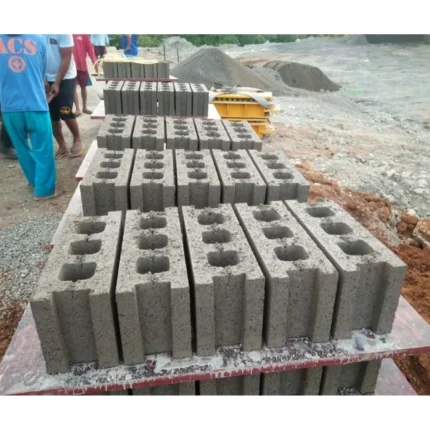
| Output (400×200×200mm hollow) | 1800–2400 pcs/h; 14,400–19,200 pcs/8hr (10 pcs/mould, 15–20s cycle) |
| Output (400×150×200mm hollow) | 2160–2880 pcs/h; 17,280–23,040 pcs/8hr (12 pcs/mould, 15–20s cycle) |
| Output (240×115×53mm solid) | 8928–11,160 pcs/h; 71,424–89,280 pcs/8hr (62 pcs/mould, 15–20s cycle) |
| Output (200×100×60mm paver) | 5184–6480 pcs/h; 41,472–51,840 pcs/8hr (27 pcs/mould, 20–25s cycle) |
| Output (225×112.5×60mm interlock) | 4032–5040 pcs/h; 32,256–40,320 pcs/8hr (24 pcs/mould, 20–25s cycle) |
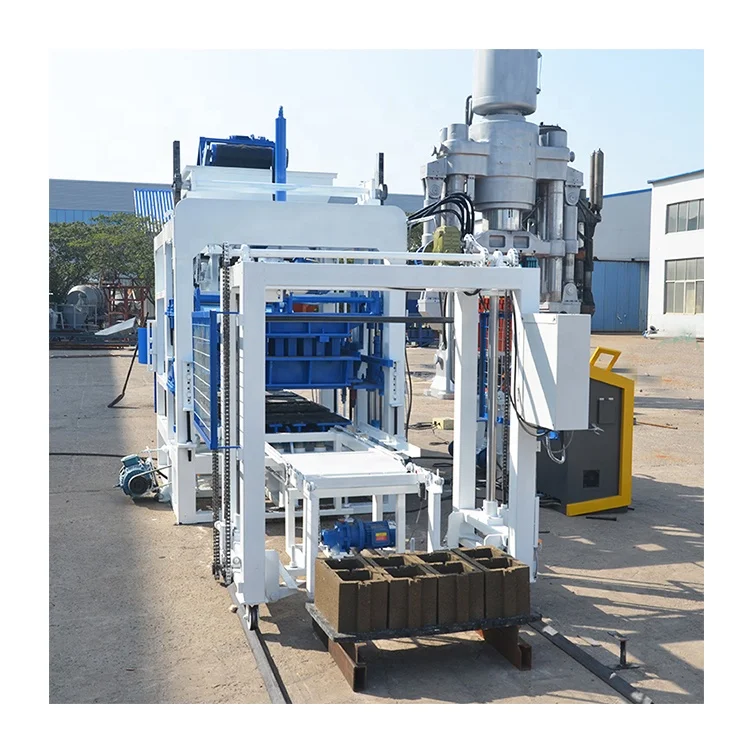
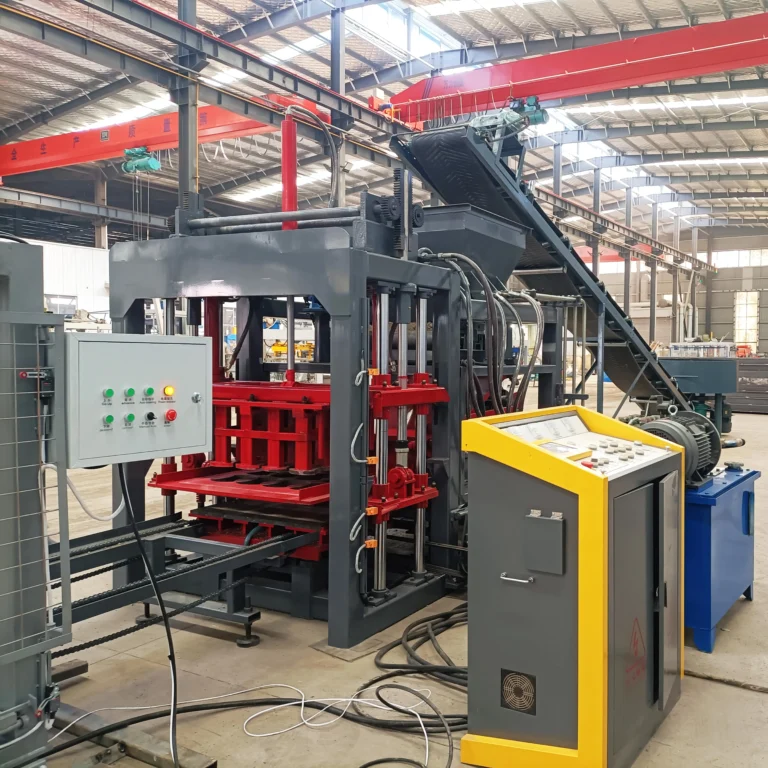
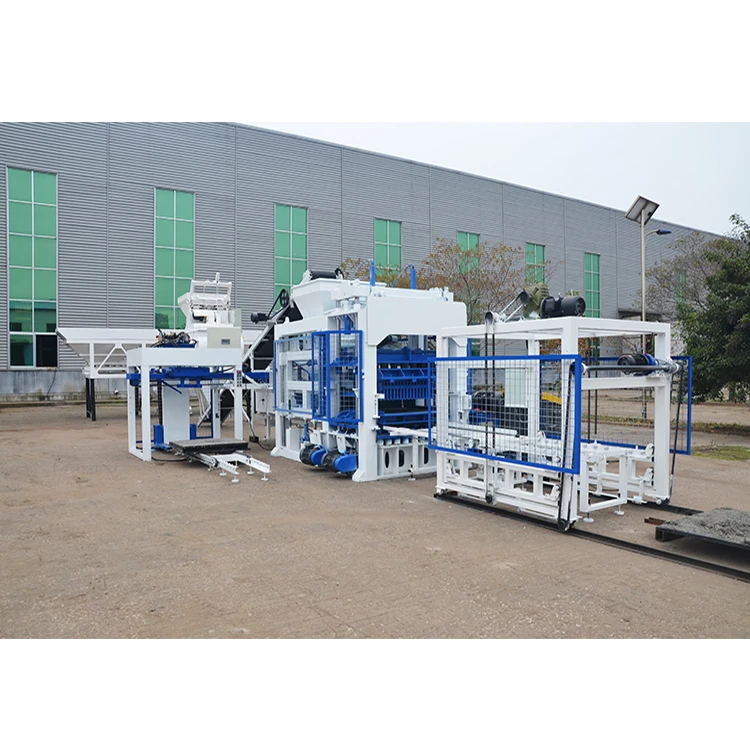
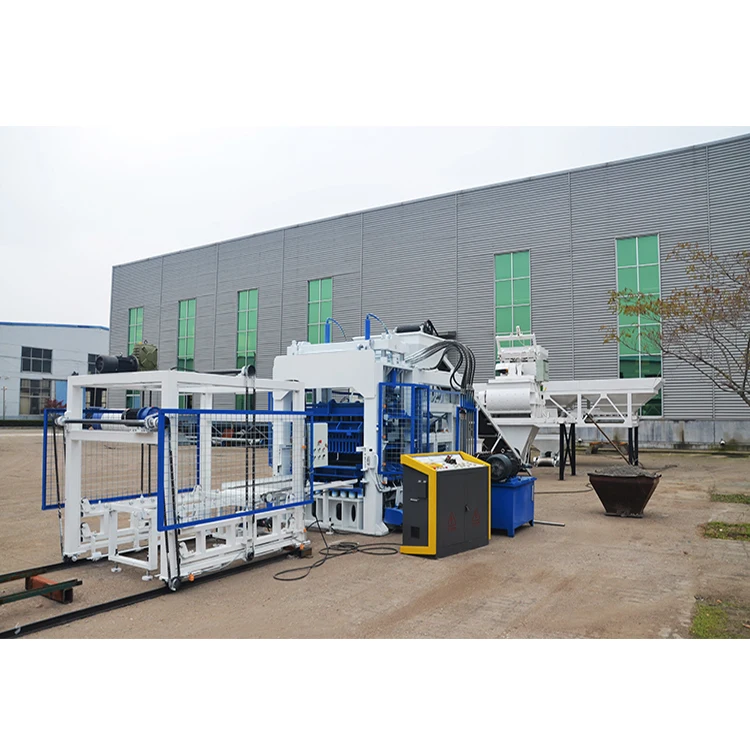
| Components Included | Pallet feed machine, block making machine, storage hopper, conveyor, hydraulic unit, PLC control cabinet |
| Mould Change | Simple mould replacement for multi-format production |
| Warranty | 1 year for whole machine (excluding spare parts) |
Application Suitability
| Application | Material or Output |
|---|---|
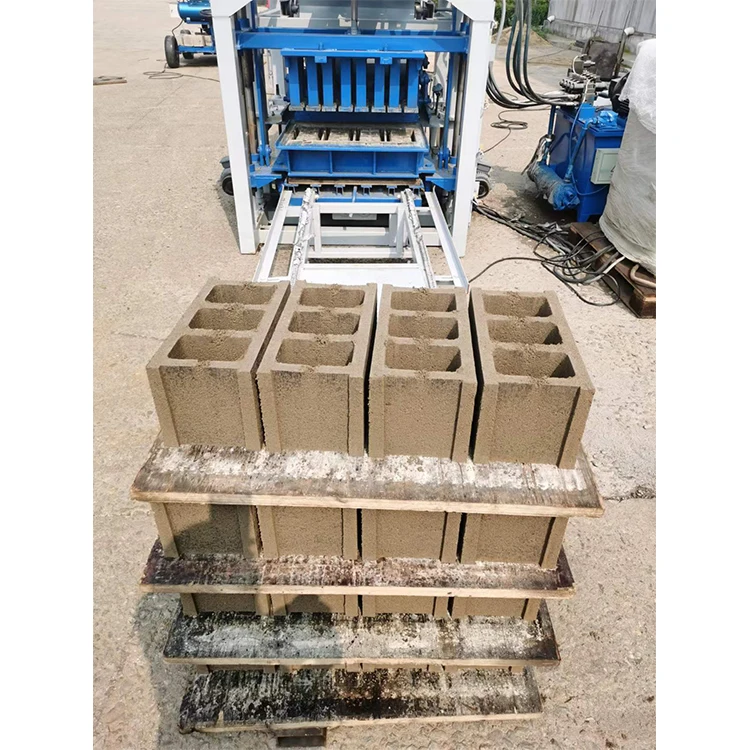
| Hollow block production plants | Multi-cellular hollow blocks from crushed stone, sand, and cement |
| Paving block manufacturing | Interlocking and solid pavers from fine aggregate and pigment |
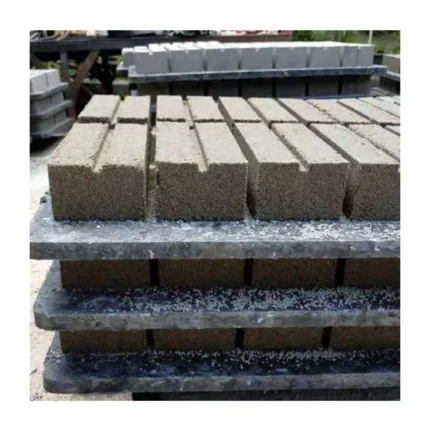
| Solid brick production lines | Standard clay-format bricks from concrete mix |
| Interlocking brick for erosion control | Slope and retaining wall bricks from dense aggregate blends |
| Contractors producing blocks on site | Construction-format blocks matching local building codes |
What "15-Second Cycle Time" Leaves Out About Output
Cycle time only tells half the story — the block format and pieces-per-mould determine what actually leaves the press each hour.
Catalogue numbers often quote a single cycle time without stating which block size it assumes. I have seen buyers compare two machines on cycle time alone, only to realise at commissioning that one press produces fewer blocks per cycle, so daily output never matched the sales pitch. With the automatic QT10-15 block making machine, we state pieces-per-mould and cycle time for each format so you can calculate your own daily figure against your actual product mix. This matters even more when you switch formats mid-shift; a faster cycle on hollow blocks does not carry over to pavers, where the cycle lengthens due to higher compaction demands [NEED_CITE: block format effect on real-world cycle time in hydraulic presses].
How PLC Control Removes Operator Variability
The PLC control cabinet on the QT10-15 manages feed timing, vibration duration, hydraulic pressure, and pallet indexing in a single sequenced loop. Once the cycle parameters are set for a given block format, the press repeats them without operator intervention. This is the difference between an automatic QT10-15 block making machine and a manually triggered press: consistency comes from the programme, not the shift worker.
Why the Hydraulic Station Sits Away From the Frame
The independent integrated hydraulic station is physically separated from the press frame. Every vibration cycle sends shock loads through the steel structure; mounting valves and pumps directly on that frame accelerates seal wear and introduces dust into hydraulic oil. Isolating the station extends service intervals and keeps maintenance access straightforward — you can work on a valve block without climbing over the mould box. On project sites in the Gulf, I have watched frame-mounted hydraulic units lose pressure within months because vibration cracked a fitting no one could reach without dismantling half the feed hopper. The separated layout avoids that failure pattern entirely [NEED_CITE: hydraulic contamination rates in vibration-isolated versus frame-mounted systems].
Reading the Capacity Table Against Your Product Mix
The output figures above assume specific mould cavity counts and cycle windows. A 400×200×200mm hollow block yields 10 pieces per cycle at 15–20 seconds, while a 200×100×60mm paver yields 27 pieces at a longer 20–25 second cycle due to the denser compaction required. Before you compare this PLC controlled block machine to another quote, check which format the other supplier is assuming. If their headline number is based on solid brick and yours is a paving contract, the real output gap can be substantial. Request the factory test record for your exact block dimensions before the machine ships.
The Cost of Skipping Language and Voltage Confirmation
One commissioning trip to a Saudi site stalled for two days because the PLC display defaulted to English and the local crew read only Arabic. The parameter screens were inaccessible, the press sat idle, and the contractor burned through standby costs while we uploaded a new language pack remotely. That job is why voltage, frequency, and HMI display language now go into our order confirmation before production starts. Leaving any of these three items open invites a delay that shows up the week the container arrives, not the week you placed the order [NEED_CITE: typical commissioning delays caused by unconfirmed PLC language settings].
When the Wrong Pallet Size Reaches Your Curing Yard
Buyers often confirm pallet dimensions based on the press alone, forgetting that those pallets must fit the curing racks and forklifts already on site. A mismatch means blocks are stacked by hand or pallets are cut down after delivery — both erode the automation advantage the QT10-15 was purchased to deliver. Confirm pallet length, width, and material against your existing rack spacing and forklift tine width during the proposal stage, not after the machine is bolted to the floor.
Why This Machine Fits an Automation Upgrade Path
Shiyue builds block machinery as a single matched system — press, mould, pallet, and handling — rather than assembling components from separate suppliers. The QT10-15 is configurable from automatic pallet feeding through to full stacking and cubing, so a plant can start with the core press and add downstream automation as output grows. Every mould is designed for the formats the buyer’s market actually sells, including custom drawings when a standard cavity layout does not match local demand. The PLC programme is matched to the buyer’s mix design and target block format rather than shipped on a catalogue default. Before dispatch, a factory test record documents actual cycle times for the buyer’s specified block, not a generic figure [NEED_CITE: importance of format-specific factory testing before shipment].
Documentation & Verification
- Line layout showing QT10-15 cycle synchronisation with upstream batching and downstream stacking
- Capacity calculation stating block format, pieces-per-mould, and assumed cycle time
- Hydraulic and electrical schematics matched to your site voltage and frequency
- PLC HMI language confirmation signed off before production begins
- Factory test record with actual cycle data on your target block format
- Packing photographs and customs documentation for export clearance
Installation, Commissioning & Support
- Foundation plan accounts for QT10-15 vibration load and independent hydraulic station footprint
- Electrical supply matched to confirmed voltage, frequency, and dedicated circuit rating
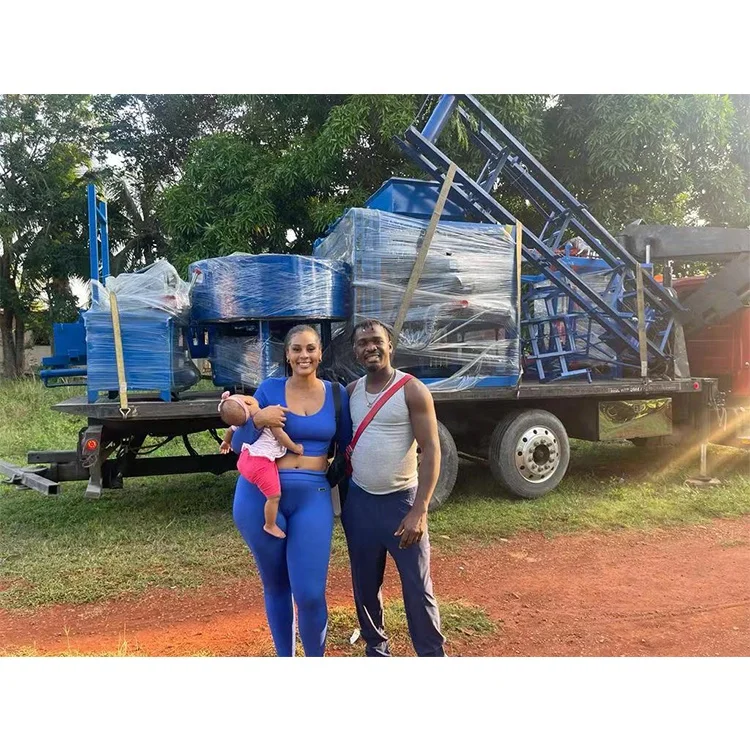
- Machine arrives dismantled for container loading; reassembly supervised on site
- First-run parameter setting covers your block format, mix design, and compaction targets
- Operator training includes PLC navigation, mould change procedure, and fault codes
- Wear parts list and mould inventory provided for first replacement cycle
What We Need From You to Size the Line Accurately
Share the block formats you sell today and the ones you plan to add, along with your target daily output for each. Let us know your site voltage, frequency, and preferred HMI language so the automatic QT10-15 block making machine ships ready for your crew on day one. If you already have pallets, curing racks, or upstream mixers in place, send their dimensions so the press cycle and pallet feed are configured around what you already own.
Frequently Asked Questions
Q: How is the QT10-15 output capacity calculated per block format?
A: Each capacity row assumes a specific block dimension, mould cavity count, and cycle window. For example, 400×200×200mm hollow blocks run at 10 pieces per mould with a 15–20 second cycle. Your actual output depends on mix design and material flow, so we provide a factory test record on your target format before dispatch.
Q: Which PLC brand is used, and can the HMI display my local language?
A: PLC brand is confirmed during the proposal stage to match your maintenance ecosystem. The HMI language is agreed in writing before production — this avoids commissioning delays on sites where operators cannot read the default screen language. Remote diagnostics capability depends on the selected PLC model.
Q: How does the mould change system work on the QT10-15?
A: The press uses a simplified mould replacement mechanism that allows format changeovers within a single shift. We state realistic changeover times during the proposal rather than quoting a catalogue figure, because actual time depends on operator familiarity and whether the next mould is pre-staged.
Q: What automation level does the QT10-15 ship with, and can it be upgraded?
A: The standard configuration includes PLC control, automatic pallet feeding, and integrated vibration management. Downstream stacking and cubing can be added at order or retrofitted later. The upgrade path is planned during initial line layout so the press cycle remains synchronised.
Q: How does the independent hydraulic station reduce maintenance downtime?
A: Separating the hydraulic station from the press frame prevents vibration-induced fitting failures and dust contamination of hydraulic oil. This keeps valve access unobstructed and extends seal life compared to frame-mounted units, reducing unplanned stops on high-cycle production days.