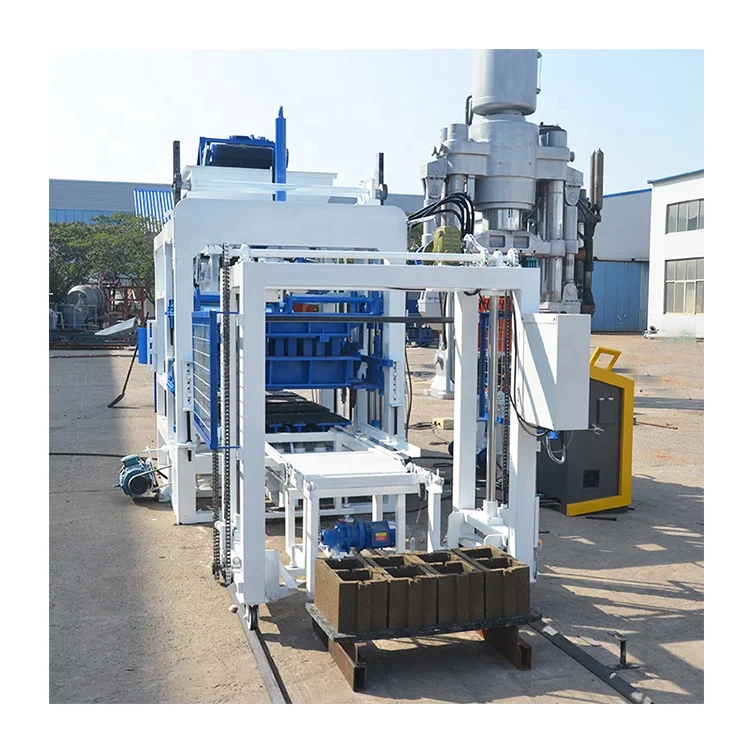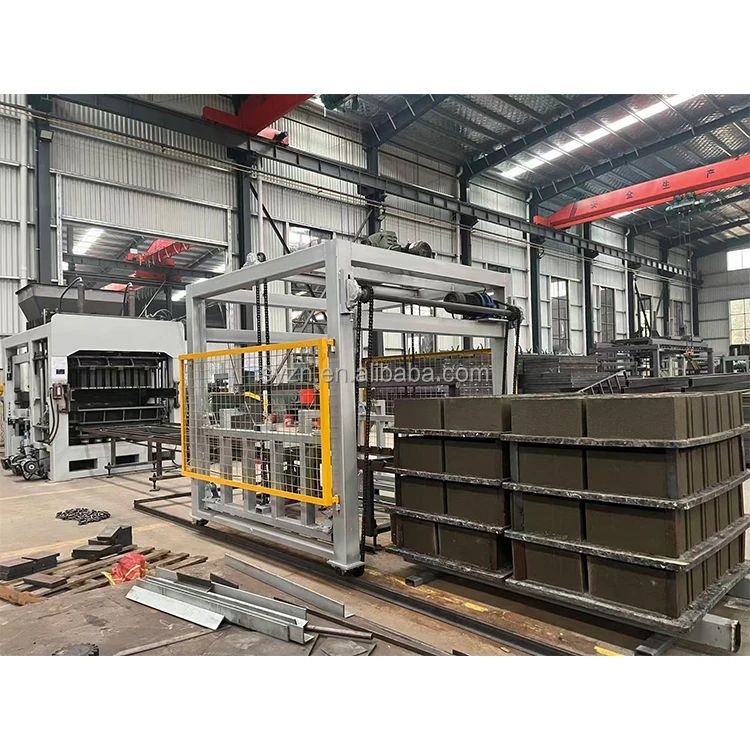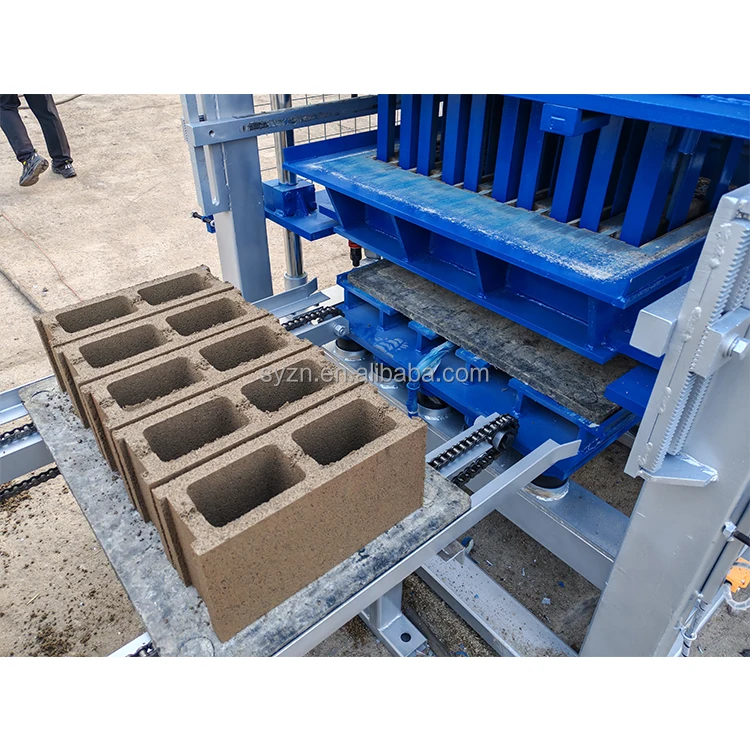
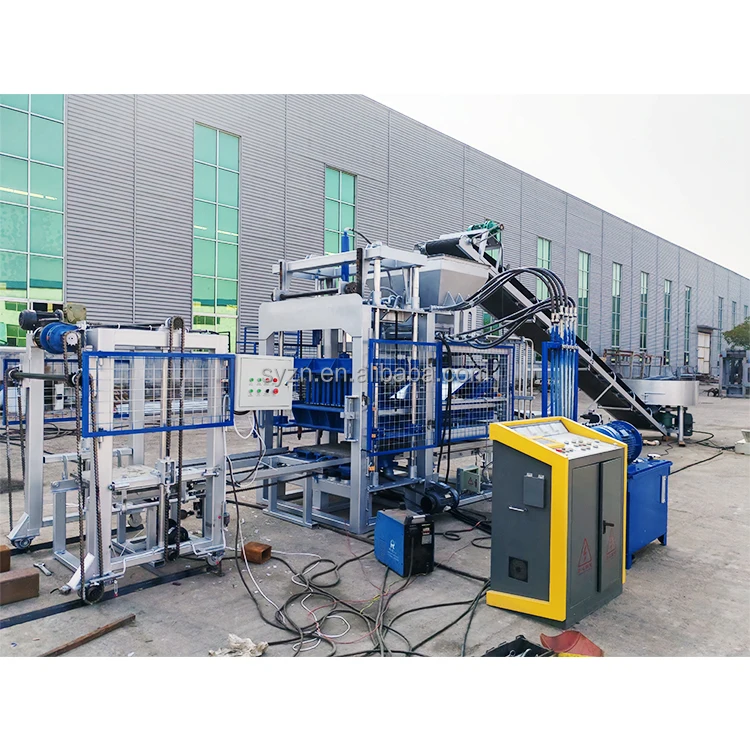
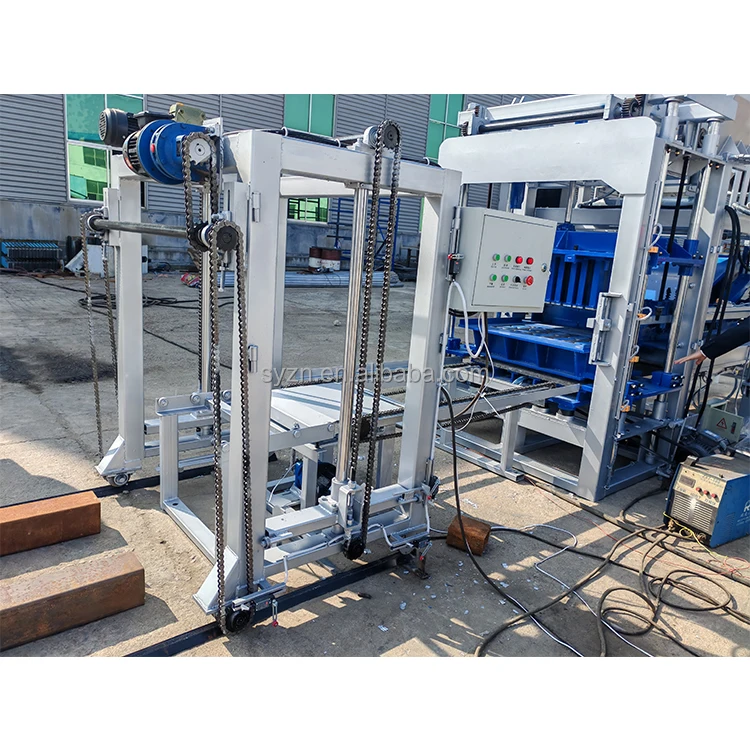
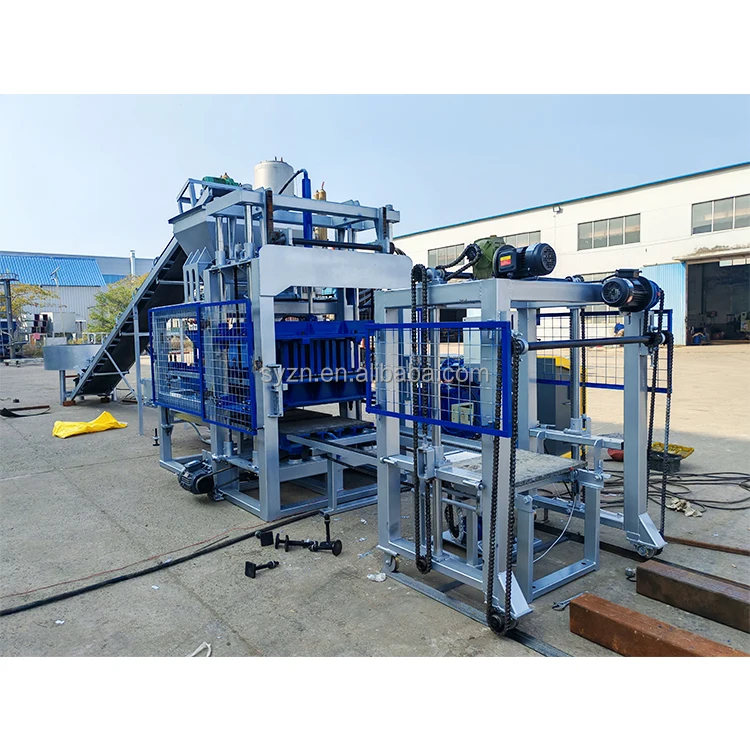
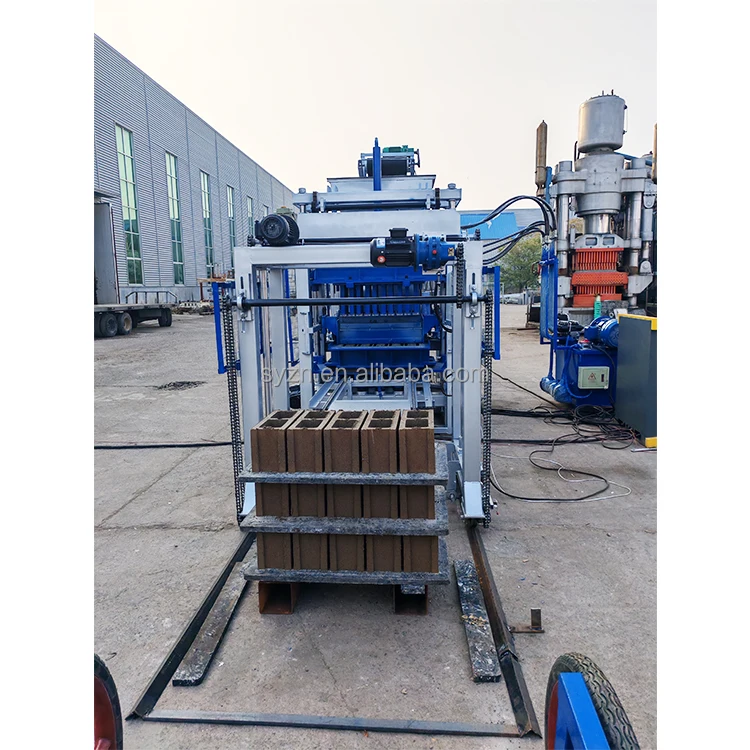
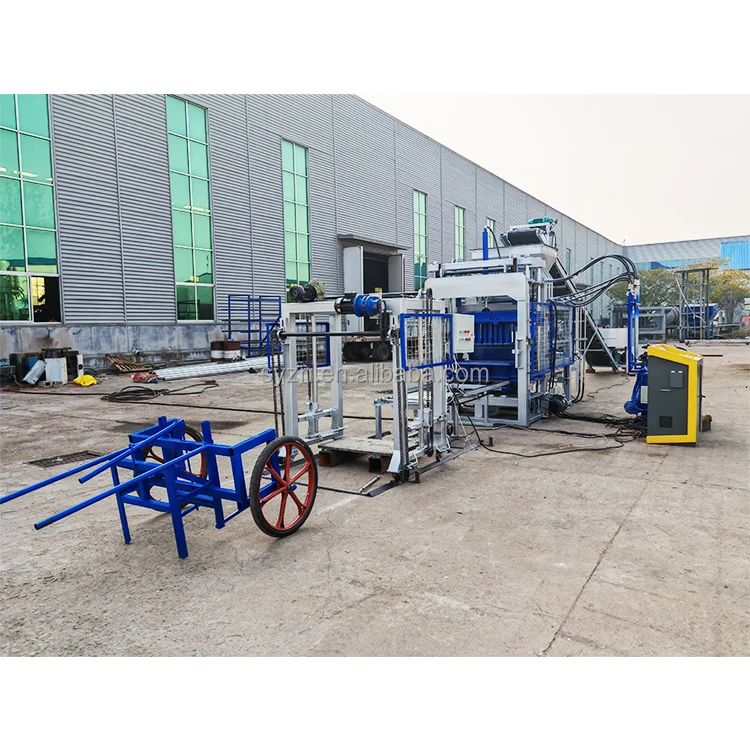
Description
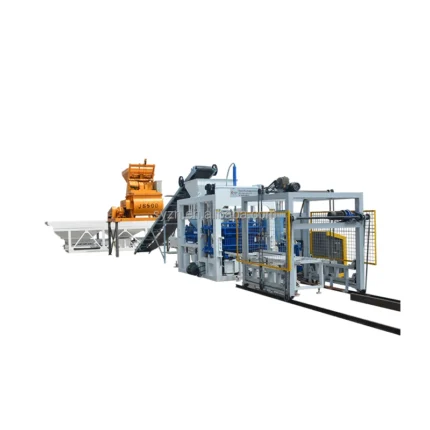
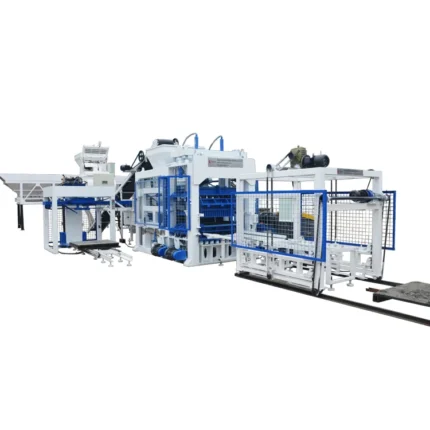
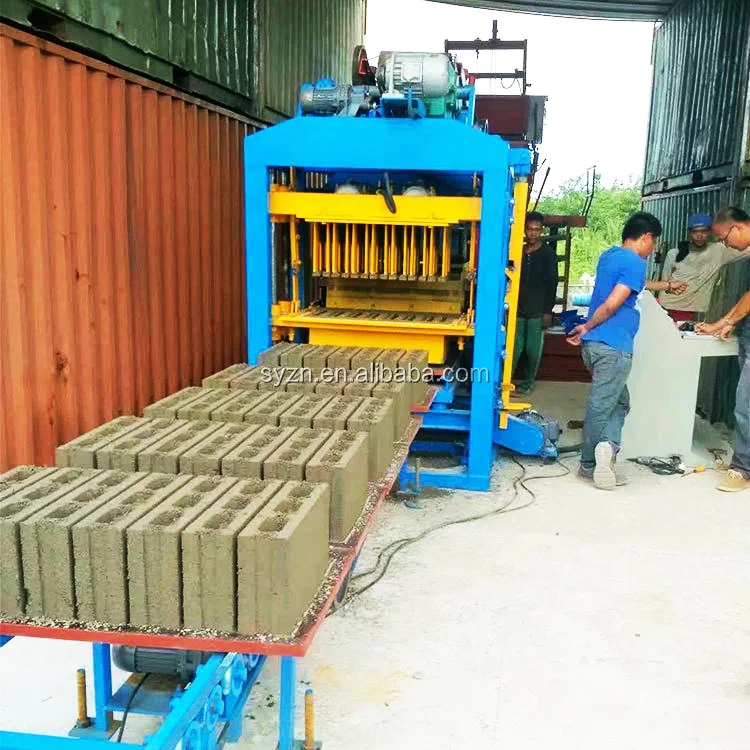
Intelligent control architecture — The QT4-15A locks every pressing parameter inside a PLC-controlled sequence so the machine repeats each molding cycle identically, removing the operator variation that causes inconsistent block density across shifts.
Technical Specifications
| Parameter | Value |
|---|---|
| Model | QT4-15A |
| Product Type | Fully Automatic Concrete Block Making Machine |
| Overall Dimensions (L×W×H) | 4100×1600×2600 mm |
| Rated Pressure | 16-21 MPa |
| Main Vibration Form | Platform Vibration |
| Vibration Frequency | 4200 r/min |
| Vibration Force | 55 kN |
| Pallet Size | 880×550 mm |
| Molding Cycle | 25-30 s (basis not stated in source — confirm block format / material / thickness) |
| Overall Power | 18.45 kW |
| Total Mass | 4 T |
| Demolding Method | Hydraulic |
| Automation Level | Fully automatic |
| Factory Area Required | 300 m² |
| Warranty | 1 year (excluding spare parts) |
Application Suitability
| Application | Material or Output |
|---|---|
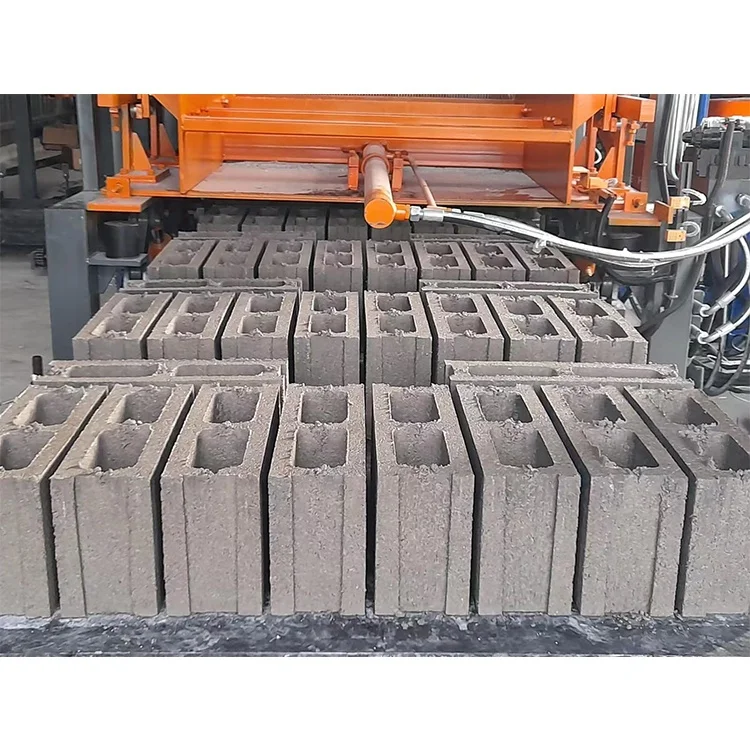
| Hollow block production for wall construction | Crushed stone, sand, cement, fly ash, gravel, slag |
| Solid block manufacturing for load-bearing structures | Dense aggregate blends with cement binder |
| Interlocking paver production for driveways and walkways | Fine aggregate and pigment mixes for colored surfaces |
| Kerbstone and curb production for road infrastructure | High-strength concrete mixes with coarse gravel |
| Porous brick production for permeable paving | Open-graded aggregate with reduced cement content |
Why the Control Language Question Must Come Before the Voltage Question
An automatic concrete block making machine PLC controlled in a language the operator cannot read is a manual machine in practice.
I watched a buyer lose an entire commissioning week because the touch-screen displayed fault codes in a language the local team did not understand. The hydraulic pressure was correct, the vibration force was matched, the pallet size fit the curing racks — and none of that mattered because the first alarm stopped the line and nobody could clear it. That single oversight cost more downtime than any mechanical failure I have seen on a block press of this class. [NEED_CITE: PLC display language configuration standards for exported machinery]
What the PLC Actually Removes from the Operator
On a semi-automatic press, the operator decides when to start the vibration, when to apply hydraulic pressure, and when to release the mould — introducing variation every cycle. The QT4-15A transfers those decisions to a programmable logic controller, so the timing, pressure ramp, and vibration duration remain identical whether it is the first block of the morning or the last block before a shift change. This repeatability is the defining difference between an automatic concrete block making machine PLC controlled system and one where consistency depends entirely on operator attention.
Batch-to-Batch Consistency Across Format Changes
When the buyer switches from hollow blocks to pavers, the PLC stores separate parameter sets for each mould. The operator selects the recipe, and the system adjusts vibration duration, hydraulic pressure within the 16-21 MPa range, and demolding speed accordingly. Without this stored-parameter approach, every mould change becomes a trial-and-error session that wastes raw material and produces out-of-spec product until the operator finds the right settings by feel. [NEED_CITE: PLC recipe management in block manufacturing automation]
Reading the Numbers That Matter for Automation
The 55 kN vibration force and 4200 r/min platform vibration work together to compact the concrete mix into the mould cavity. Insufficient vibration leaves voids and reduces block strength; excessive vibration causes segregation where heavier aggregate settles to the bottom. The hydraulic demolding at 16-21 MPa must release the block cleanly without cracking the freshly pressed edges — a function the PLC manages by controlling the pressure release curve rather than relying on a fixed mechanical trip. The 880×550 mm pallet size determines how many blocks sit on each board and directly affects how the curing area is laid out and which forklift dimensions will service the line.
The Hidden Cost of Assuming Automation Is Complete
Buyers sometimes interpret "fully automatic" as meaning the entire line runs without manual labour, when the automation may cover only the press and pallet feeding. If stacking and cubing are not included, workers still handle every loaded pallet by hand after it exits the press — and the labour saving the buyer counted on simply shifts to a different station. Confirming exactly which stations are automated and which remain manual before shipment prevents the surprise of needing additional workers on day one. [NEED_CITE: automation scope definitions in block production line quotations]
Why Procurement through This Channel Matters
Block machinery is the single focus here, which means the press, moulds, pallets, and handling equipment are specified as one matched system rather than assembled from unrelated suppliers. Configuration is set against the buyer’s actual mix design and local aggregate, not a catalogue default — so the vibration force and hydraulic pressure are validated before the machine ships. Automation level is selectable, allowing a buyer to start with the QT4-15A and add stacking or cubing stations later as production volume grows. Installation and commissioning include operator training on the PLC interface, reducing the risk of a language or control-logic mismatch at first start-up. Mould design covers the formats the buyer’s market actually sells, including custom drawings when a standard mould does not fit the product range.
Documentation & Verification
- Line layout showing station sequence from raw material feed through to block stacking for the QT4-15A configuration
- Capacity calculation document stating the block format assumed for the 25-30 s cycle time
- Voltage, frequency, and PLC display language confirmation sheet signed before production
- Hydraulic and electrical schematic for on-site troubleshooting by local electricians
- Factory test record on the buyer’s specified block format before dispatch
Installation, Commissioning & Support
- Foundation must accommodate 4100×1600 mm footprint with level tolerance for platform vibration stability
- Electrical supply must match confirmed voltage and frequency before the 18.45 kW system is energized
- Machine ships partially assembled; hydraulic lines and PLC wiring completed on site during commissioning
- PLC parameter sets configured for buyer’s block formats during initial start-up and operator training
- Mould change procedure trained on site to confirm actual changeover time against production schedule
- Wear parts list provided with recommended replacement intervals for hydraulic seals and vibration components
Before You Send the Inquiry
To size the QT4-15A correctly, share the specific block formats your market demands along with target daily output so the cycle time can be calculated per format. Provide your local aggregate type and cement source so the vibration and pressure settings can be matched before the machine is built. State your site voltage, frequency, and the language your operators read so the PLC interface is configured before the control panel leaves the factory.
Frequently Asked Questions
Q: What block format is the 25-30 s cycle time based on?
A: The source does not state which block format the 25-30 s molding cycle assumes. Cycle time varies significantly between a standard hollow block and a thinner paver, so the actual figure must be calculated against your specific product dimensions and mix design before capacity claims are made.
Q: Which PLC brand is installed, and can the language be changed?
A: The PLC brand and model are not stated in the current specification sheet and must be confirmed before ordering. The display language should be set to match your operator team before the control panel is finalized — changing language after shipment can require a system reflash that delays commissioning.
Q: Is stacking and cubing included in the fully automatic package?
A: The specification does not confirm whether stacking and cubing are part of the automation scope or if the line ends at the press with manual pallet handling afterward. Clarifying this before quotation ensures you know exactly how many workers the line requires at full operation.
Q: Can additional automation stations be added later?
A: The QT4-15A is designed as a fully automatic press, and the automation level is selectable across the product range. Buyers can start with the core press and pallet feeding system and integrate automatic stacking or cubing stations as production volume justifies the investment.
Q: What voltage and frequency is the control system configured for?
A: The voltage and frequency are not stated in the source specification and must be confirmed against your site electrical supply before production begins. Mismatched voltage can damage the PLC and motors, so this confirmation is required before the machine ships.