Description
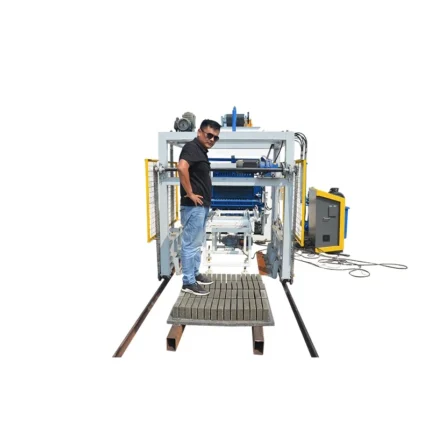
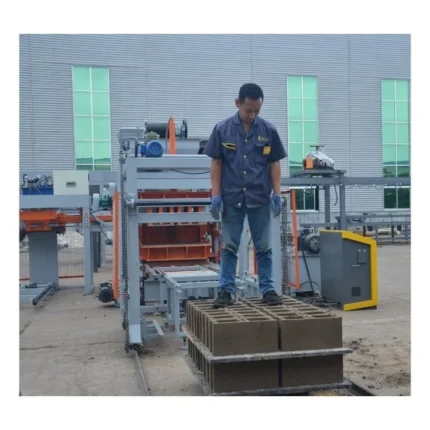
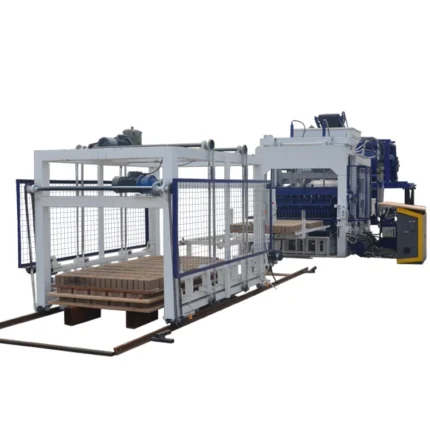
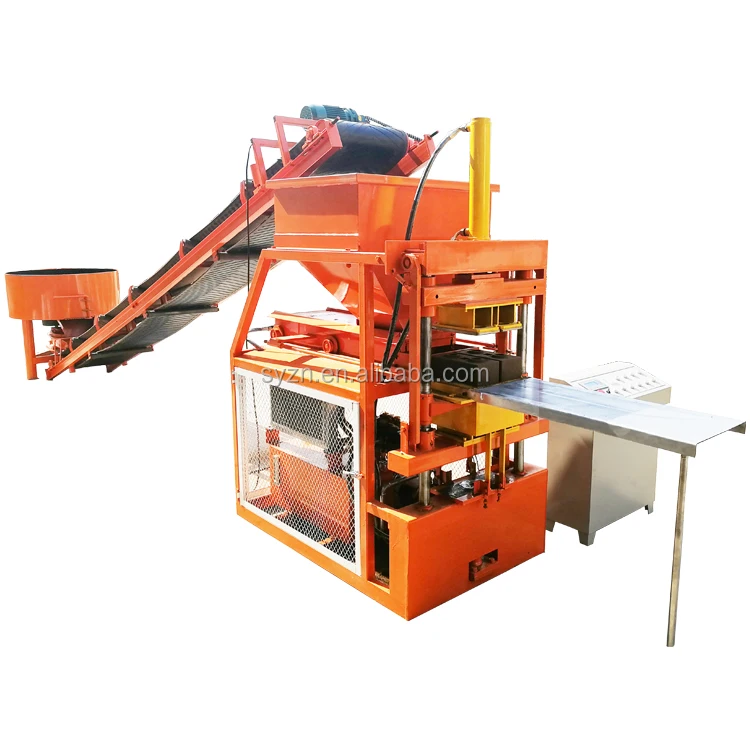
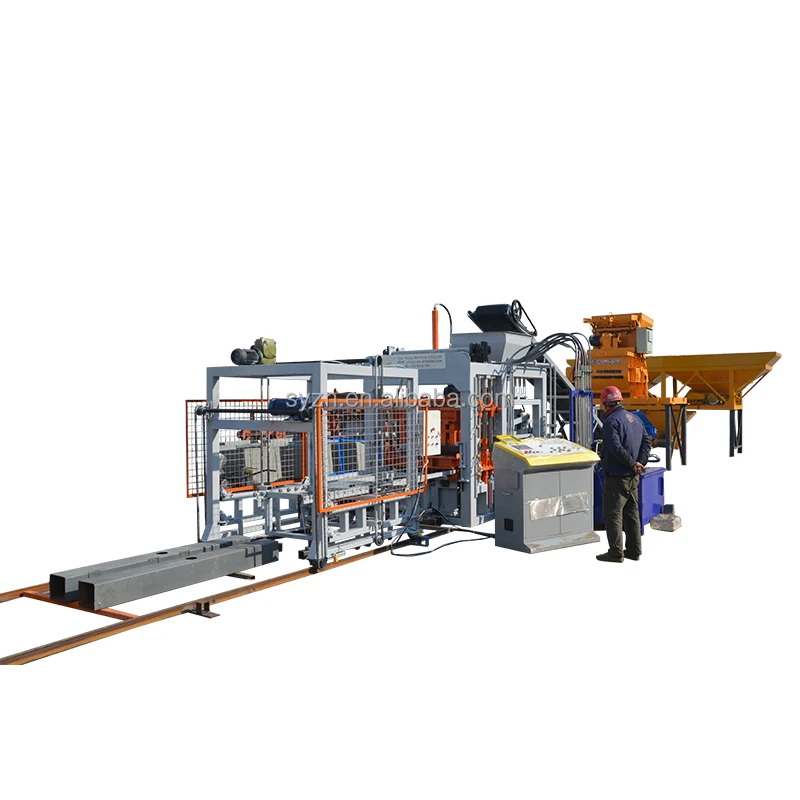
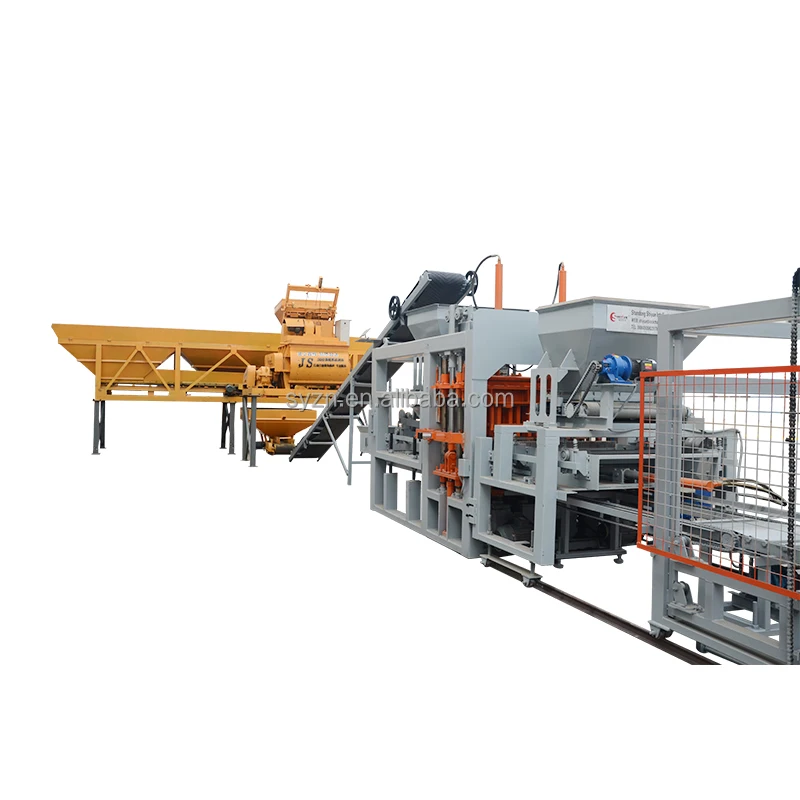
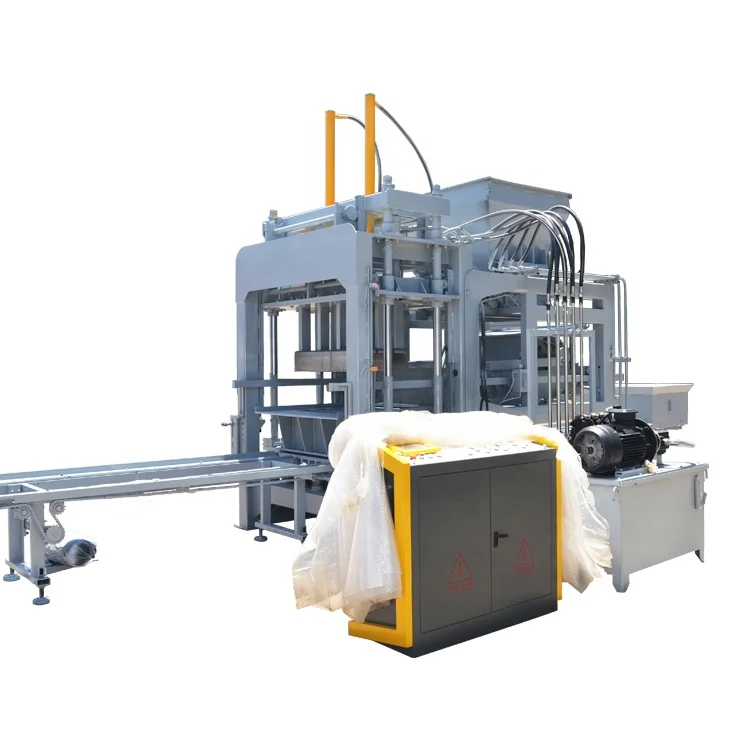
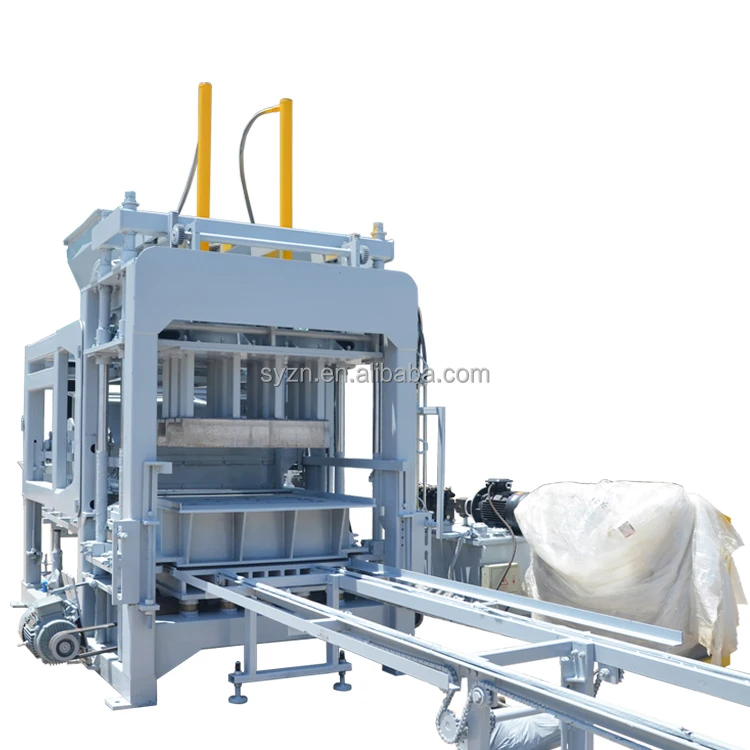
Single-focus block machinery engineering — machine, mould, pallet, and handling are specified as one matched system, not assembled from disconnected suppliers.
Technical Specifications
| Parameter | Value |
|---|---|
| Model | QT7-15 |
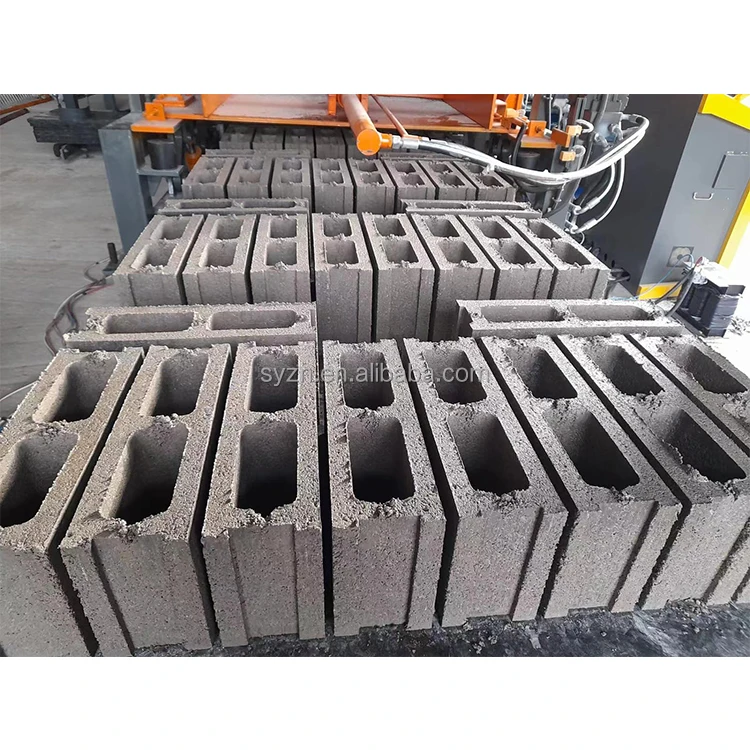
| Product Type | Full Automatic Hollow Block Machine |
| Pallet Size | 1150×700 mm |
| Molding Cycle | 15–20 s |
| Overall Power | 45 kW |
| Vibration Force | 100 kN |
| Vibration Frequency | 0–60 Hz |
| Vibration Form | Platform Vibration |
| Total Mass | 8 T |
| Demolding Method | Hydraulic |
| Control System | PLC with touch screen interface |
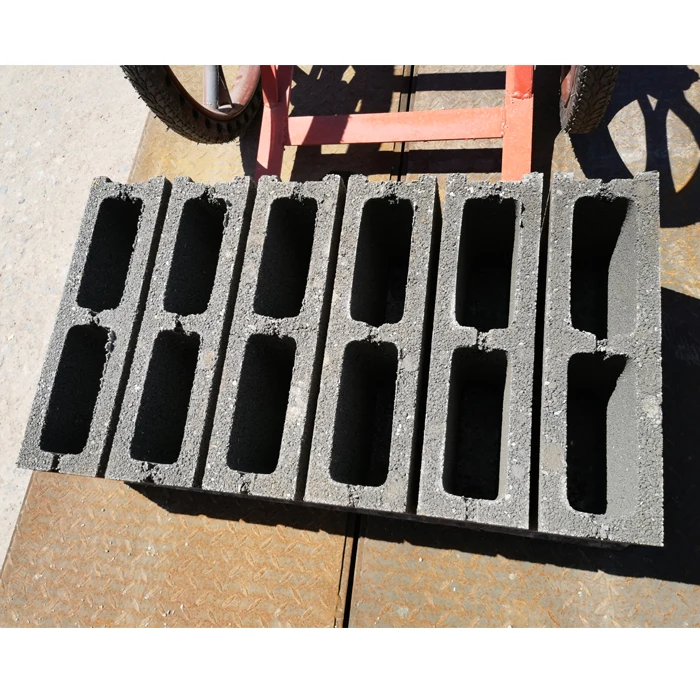
| Output Capacity (Hollow block 400×200×200 mm) | 1260–1680 pcs/h, 10080–13440 pcs/8 hr |
| Output Capacity (Hollow block 400×150×200 mm) | 1440–1920 pcs/h, 11520–15360 pcs/8 hr |
| Output Capacity (Rectangular brick 200×100×60 mm) | 3888–4860 pcs/h (basis: molding cycle 20–25 s, 27 pcs/mould) |
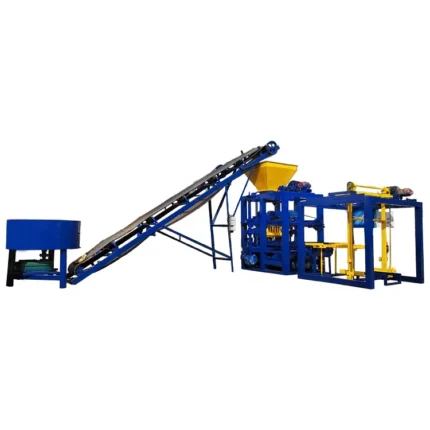
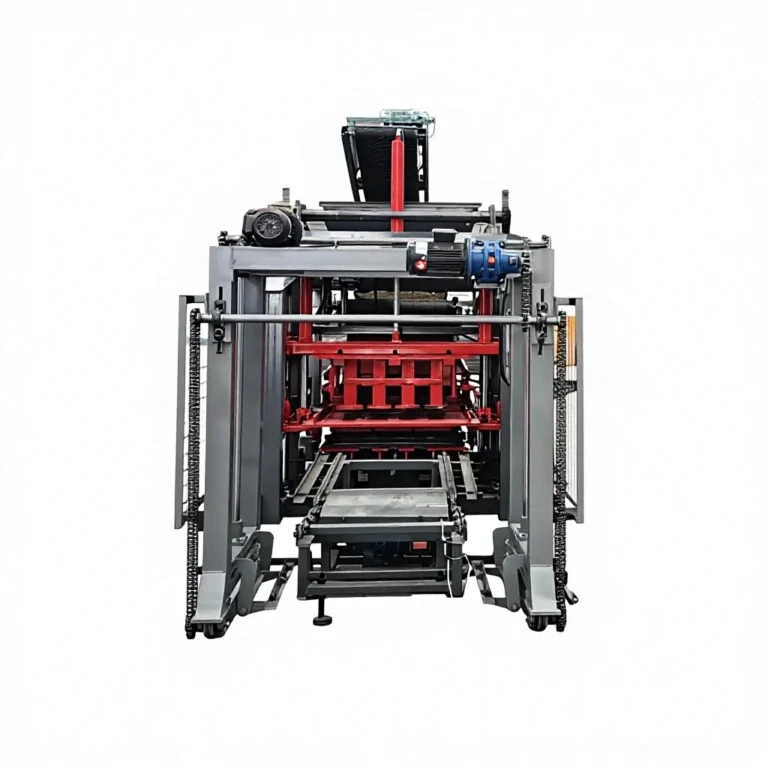
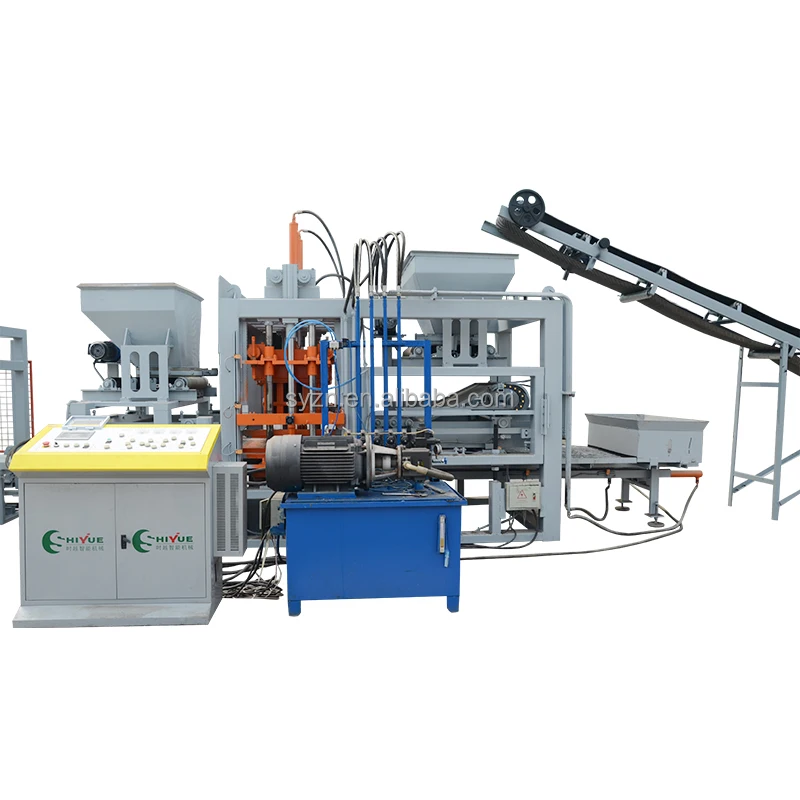
| Key Features | Pallet feed machine, storage hopper, conveyor, hydraulic unit, PLC control cabinet, remote diagnostics support, simple mould replacement, CE declaration applicable |
Application Suitability
| Application | Material or Output |
|---|---|
| Hollow block production | Crushed stone, cement, sand, and water mix for standard 400×200×200 mm and 400×150×200 mm formats |
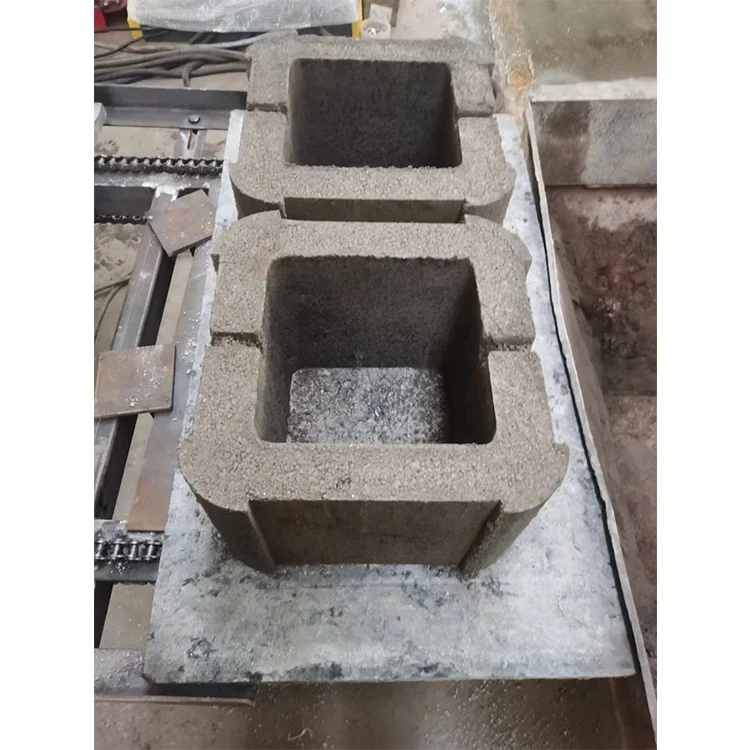
| Multi-cellular brick production | Lightweight aggregate blends for partition and load-bearing wall units |
| Paving brick production | Fine aggregate and pigment mixes for 200×100×60 mm rectangular interlocking pavers |
| Solid brick production | Dense concrete mixes for structural and boundary wall formats |
What "10080 Blocks per Shift" Actually Depends On
The QT7-15’s rated output is only valid when every cycle parameter matches the block format you plan to sell.
I once watched a plant owner in Colombia point at a nameplate quoting 1680 pieces per hour, then ask why his daily tally never crossed 7000. The seller had based that figure on 400×150×200 mm hollow blocks with a 15-second cycle, but the buyer’s market demanded 400×200×200 mm units needing a longer press and cure window. Nobody had confirmed the format before shipping. The automatic QT7-15 block machine PLC controlled cycle memory now stores parameters per format, but the lesson remains: capacity numbers without a block format attached are meaningless [NEED_CITE: block format and cycle time correlation in concrete masonry production].
PLC Process Memory Removes Shift-to-Shift Guesswork
The heart of this machine is the PLC control cabinet with a touch screen interface that lets operators store and recall process data for each mould format. Vibration frequency, hydraulic pressure, and feed timing are all logged, so a Monday morning start-up replicates the exact parameters of Friday’s closing run. The automatic QT7-15 block machine PLC controlled architecture means the press itself enforces consistency, not the operator’s memory.
Remote Fault Diagnosis Without an On-Site Visit
When a sensor drifts or a solenoid valve sticks, the advanced control system can relay fault codes to a remote engineering desk for diagnosis. This capability shortens the gap between a warning light and a corrective action from days to hours in most cases. Plants in remote project sites, where flying in a service engineer is measured in weeks rather than days, find this layer of support especially valuable [NEED_CITE: remote diagnostics adoption in distributed concrete product manufacturing].
Platform Vibration and Hydraulic Pressure Working Together
A 100 kN vibration force applied through the platform, adjustable from 0 to 60 Hz, compacts the concrete mix from below while hydraulic pressure holds the mould head in place. The interplay between vibration frequency and hydraulic clamping force determines the density and surface finish of every block. A low-frequency, long-duration setting suits large hollow blocks where the mix must flow into deep cavities, while a higher frequency with a shorter cycle works better for thin paving bricks where surface density matters most.
The 1150×700 mm pallet size defines how much curing floor space one cycle occupies and which forklift class can handle loaded racks. Pairing this pallet with an undersized curing yard creates a bottleneck no amount of press speed can fix. The 45 kW overall power draw also dictates whether a plant needs a dedicated transformer tap or can share supply with adjacent equipment.
The Hidden Cost of Skipping Voltage Confirmation
I learned this the hard way when a QT-class unit arrived at a South American site wired for 440V/60Hz while the machine had been built for 380V/50Hz. The variable frequency drives failed on first energization, and the plant sat idle for three weeks waiting for a replacement control cabinet. That single oversight cost the buyer more in lost production than the entire electrical upgrade would have. Every order now begins with a photograph of the buyer’s distribution board nameplate before the PLC panel enters production [NEED_CITE: voltage and frequency standards by export market].
Why Buyers Source the QT7-15 Here
Block machinery is the single focus of this operation, so the press, mould, pallet, and handling equipment leave the factory as one matched set rather than a collection of components from unrelated vendors. Mould design covers the specific formats the buyer’s local market actually sells, including custom drawings when standard catalogues fall short. Automation level is selectable — a buyer can commission the line with semi-automatic pallet handling today and add stacking and cubing modules later without replacing the press. Configuration is set against the buyer’s actual mix design and local aggregate, not a default catalogue page. Installation support includes operator training on the PLC interface and remote diagnostics workflow, so the plant team is self-sufficient before the commissioning engineer departs.
Documentation & Verification
- Machine specification sheet listing output per confirmed block format, not a generic cycles-per-hour figure
- Mould drawing and format list matching the buyer’s product range at order confirmation
- Hydraulic and electrical schematic for on-site maintenance team reference
- Factory test record demonstrating cycle parameters on the buyer’s specified pallet size
- Voltage, frequency, and PLC display language confirmation signed before production release
- CE declaration included where applicable to the destination market
Installation, Commissioning & Support
- Foundation plan sized to the 8 T total mass and 100 kN vibration load of the QT7-15
- Dedicated 45 kW power circuit confirmed against local voltage and frequency before wiring
- Pallet feed machine and conveyor aligned to the 1150×700 mm pallet during on-site assembly
- PLC touch screen parameters set to the buyer’s confirmed block format during first run
- Operator training covers remote diagnostics access and fault code interpretation
- Wear parts list and mould maintenance schedule handed over at commissioning sign-off
Tell Us What You Need to Run
To size the QT7-15 correctly, share the block formats your market sells, the daily volume you target, and the aggregate and cement available locally. Confirm your site’s supply voltage, frequency, and preferred PLC display language so the control cabinet is built right the first time. If you already operate pallet racks or forklifts, send their dimensions so the pallet spec aligns with your existing curing and handling layout.
Frequently Asked Questions
Q: How is the QT7-15’s output capacity verified for each block format I plan to produce?
A: Capacity is calculated per format using the confirmed mould cavity count and cycle time. For example, the 400×200×200 mm hollow block is rated at 1260–1680 pieces per hour based on a 15–20 second molding cycle. A written capacity statement listing each format accompanies the quotation.
Q: What PLC language options and voltage configurations are confirmed before shipment?
A: The PLC display language and the supply voltage and frequency are confirmed in writing before the control cabinet enters production. This prevents the kind of on-site mismatch that once left a South American plant idle for three weeks awaiting a rebuilt electrical panel.
Q: How does the remote diagnostics system work on the QT7-15?
A: The advanced control system transmits fault codes and process logs to a remote engineering desk over a network connection. Engineers can identify sensor drift, valve timing errors, and communication faults without a site visit, reducing response time for plants in remote project locations.
Q: What is the mould change procedure and how long does a format switch take?
A: The QT7-15 uses a simple mould replacement design that lets trained operators swap formats on the shop floor. The hydraulic demolding system releases the mould assembly, and the new unit is bolted and aligned. PLC stored parameters for the new format are recalled on the touch screen.
Q: What automation upgrade path is available if I start with basic pallet handling?
A: The line supports a phased approach. Buyers can begin with manual or semi-automatic pallet feeding and later integrate automatic stacking and cubing modules without replacing the press or PLC cabinet, protecting the initial investment while scaling labor efficiency over time.