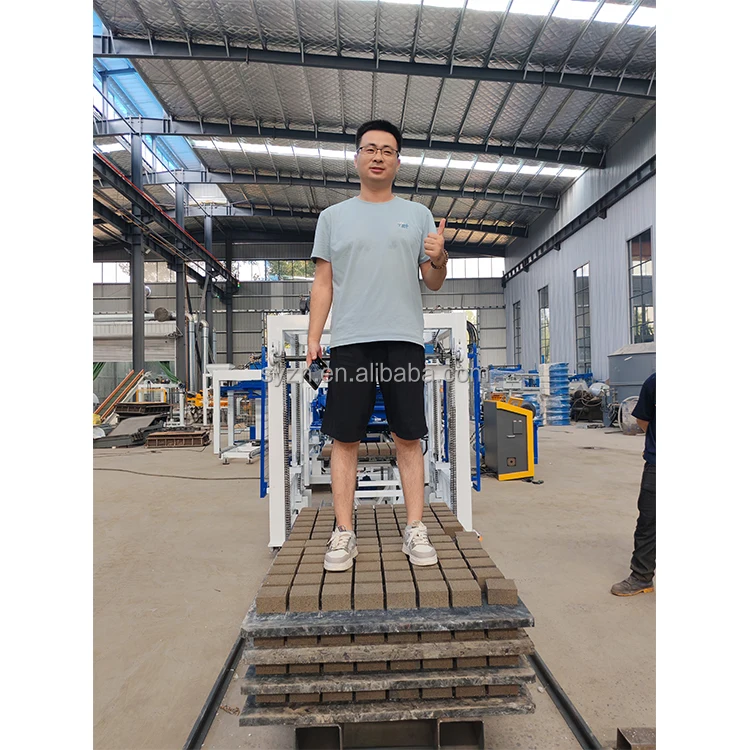
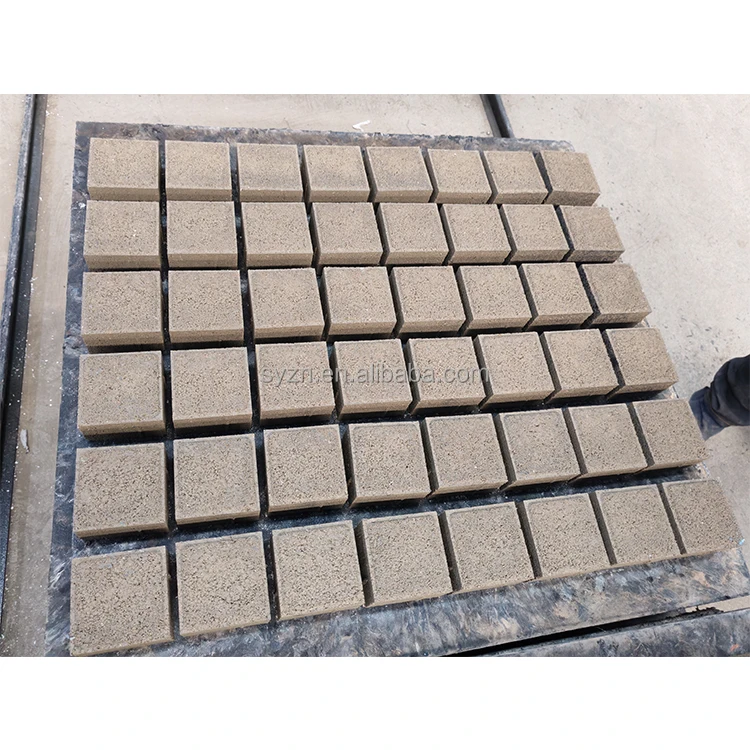
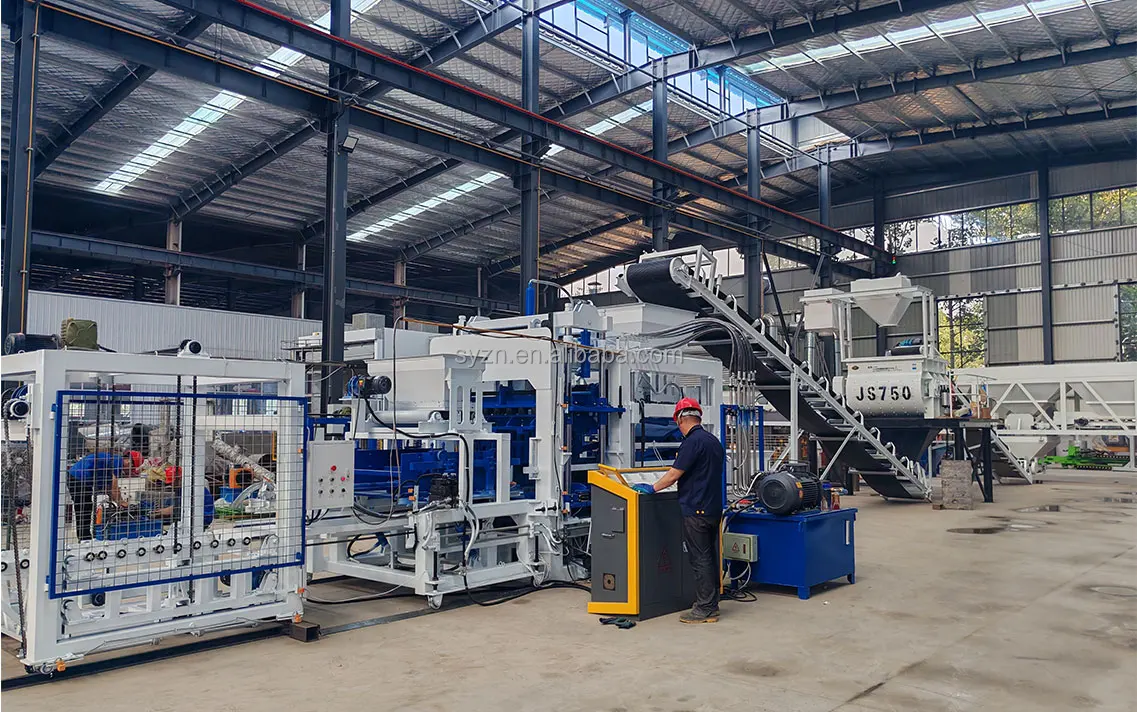
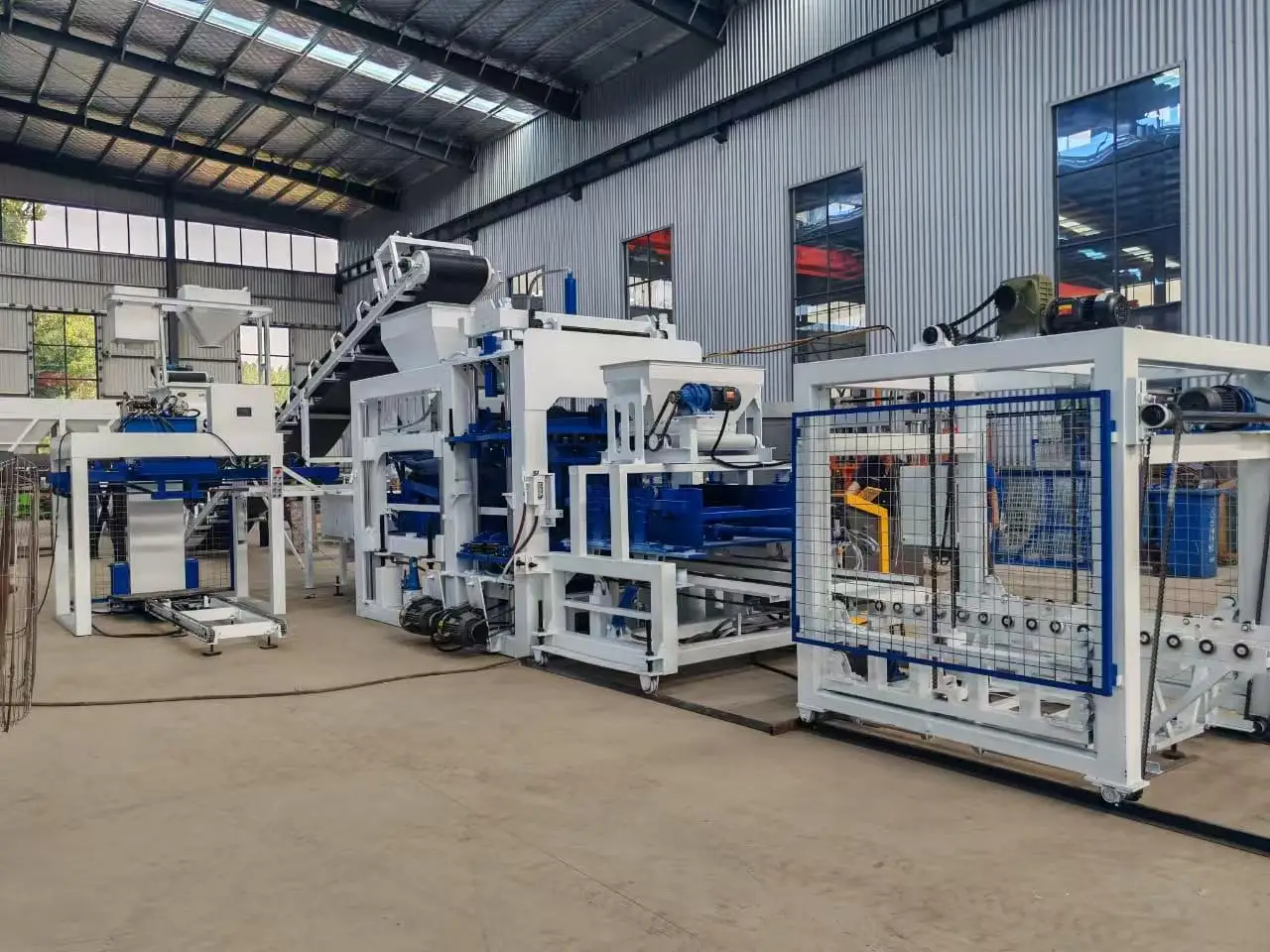
Description
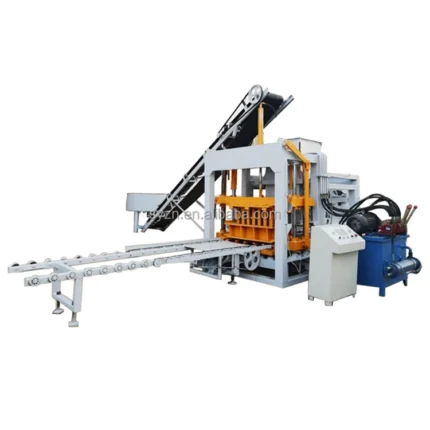
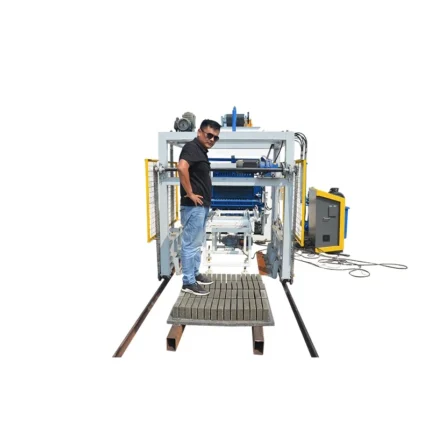
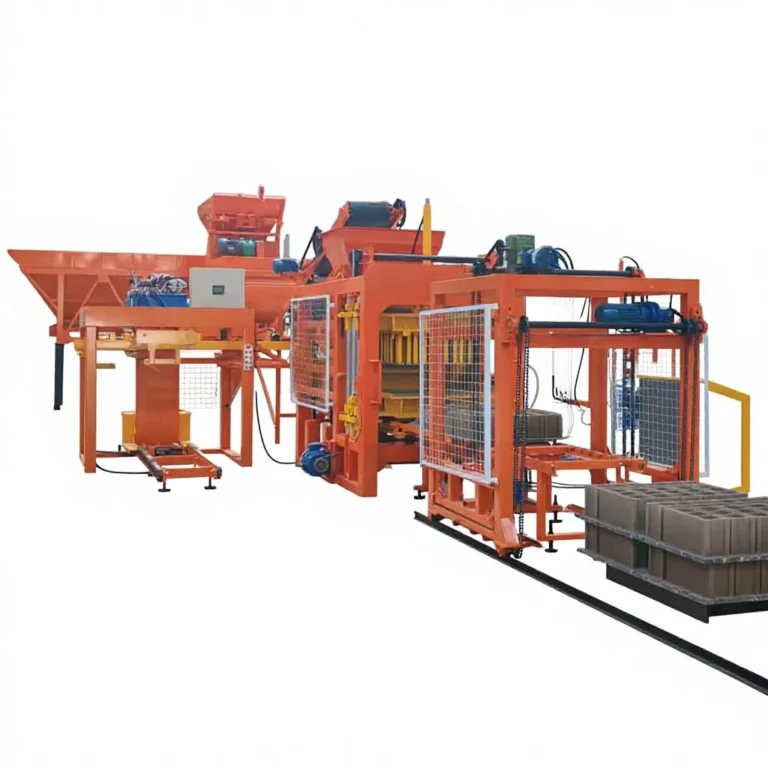
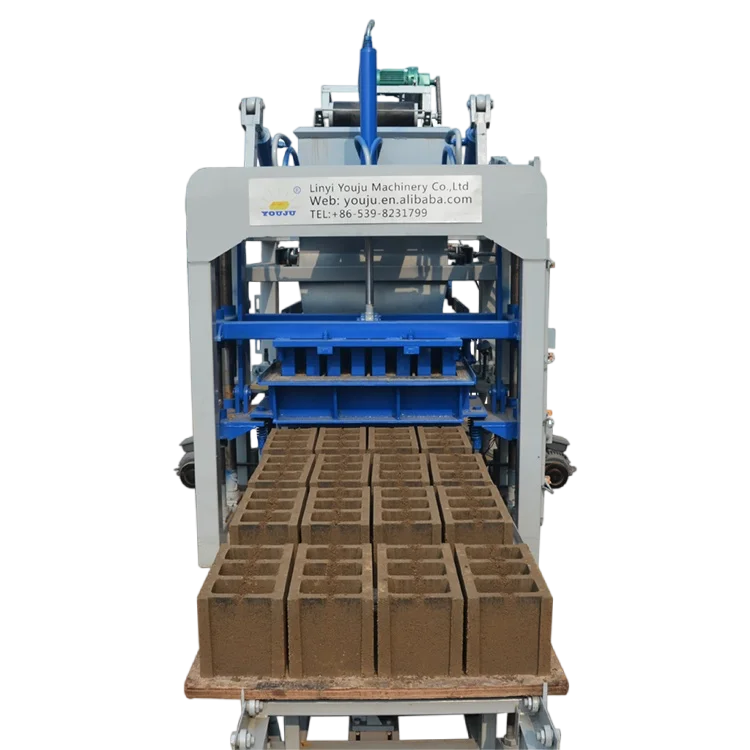
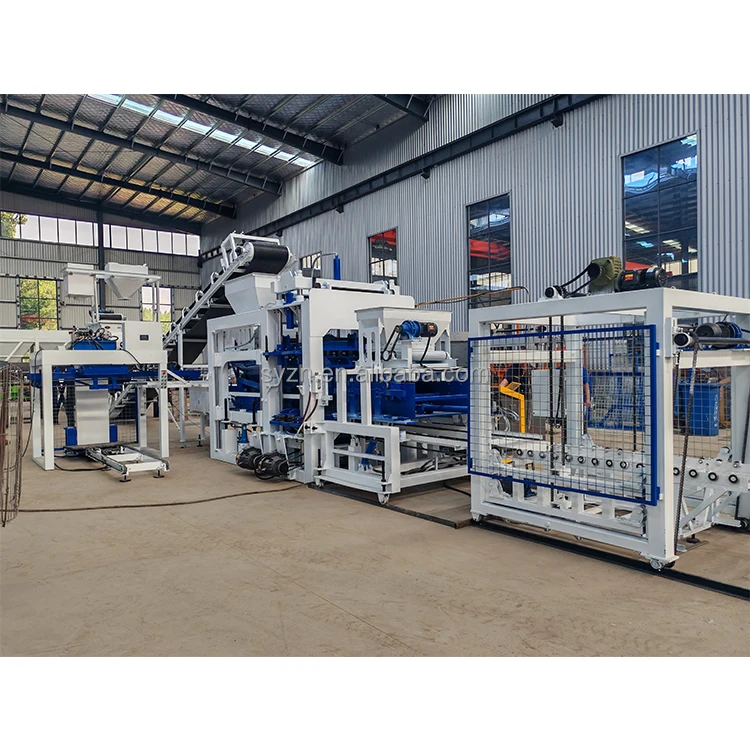
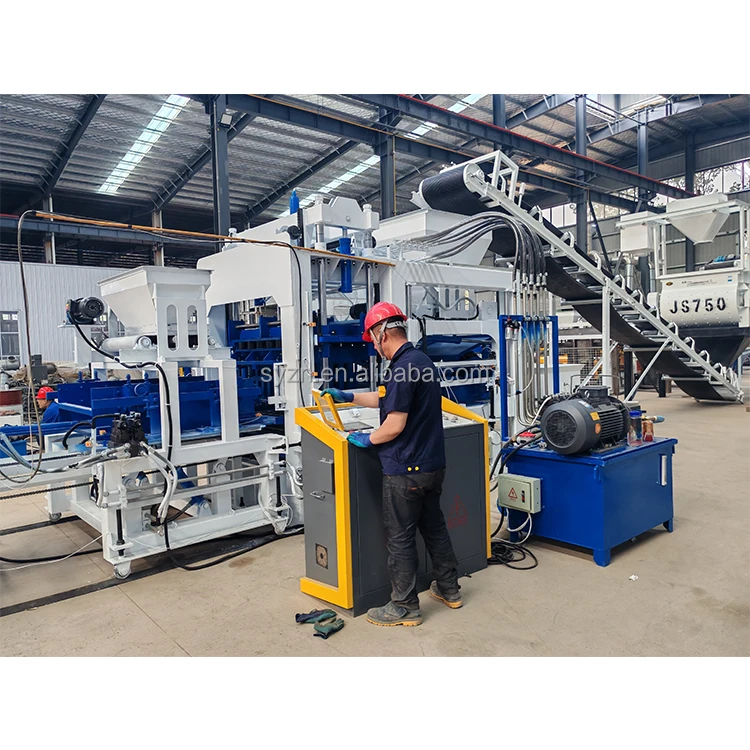
Automation logic matched to your block format — The QT8-15 is configured as a single system where PLC sequencing, hydraulic pressure and platform vibration are tuned together rather than bolted on from separate suppliers.
Technical Specifications
| Parameter | Value |
|---|---|
| Model | QT8-15 |
| Product Type | Hydraulic Block Making Machine |
| Overall Dimensions (L×W×H) | 8300 × 1860 × 3000 mm |
| Rated Pressure | 21 MPa |
| Main Vibration Form | Platform Vibration |
| Vibration Frequency | 2800–4500 r/min |
| Vibration Force | 45 kN |
| Pallet Size | 950 × 900 mm |
| Molding Cycle | 15–20 s (basis not stated in source — confirm block format / material / thickness) |
| Overall Power | 55.5 kW |
| Total Mass | 8 T |
| Demolding Method | Hydraulic |
| Control System | PLC (language options and brand to be confirmed) |
| Voltage & Frequency | Configurable to buyer’s site supply (to be confirmed) |
| Automation Level | Scalable from semi-automatic to full pallet feeding, stacking and cubing (scope to be confirmed) |
| Applied Products | Concrete blocks, hollow/solid blocks, pavers, interlocking blocks, curbstone, colored pavers |
| Raw Material | Crushed stone, sand, cement, dust, fly ash, gravel, slag |
| Factory Area Required | 300 m² |
| Warranty | 1 year (whole machine, excluding spare parts) |
| Assembly State | Shipped in 1×40HQ container (basic equipment) |
Application Suitability
| Application | Material or Output |
|---|---|
| Hollow block production for commercial and residential walls | Crushed stone, sand, cement and fly ash mixes |
| Solid block manufacturing for load-bearing structures | Gravel, sand and cement with high hydraulic compaction |
| Paving block and colored paver runs for municipal and landscape projects | Fine aggregates with pigment dosing |
| Interlocking brick and kerbstone production | Slag, dust and cement blends requiring precise mould filling |
| On-site block production for housing and development contractors | Locally sourced aggregates matched to available curing space |
Why the Control Language Must Be Set Before the Crate Is Nailed Shut
A PLC-controlled block machine that speaks the wrong language is a very expensive paperweight on day one.
I once supervised the dispatch of a QT8-15 automatic QT8-15 block making machine to a West African project. The press passed every factory test — hydraulic pressure held, vibration frequency tracked, demolding was clean. Then it arrived on site and the operator stared at a menu full of Chinese characters. Commissioning stalled for days while we pushed a firmware update across three time zones. The block format was right, the pallet size was right, but the automation logic was unreadable to the people who had to run it. That delay is entirely avoidable if the PLC display language is locked in before the machine leaves the factory floor. [NEED_CITE: PLC interface language configuration best practices for export machinery]
Sequencing That Removes the Operator from the Cycle
The PLC governed sequence on this PLC controlled block machine ties batching accuracy, pallet feed timing, press stroke and stacking into one continuous loop. When the automation level is set to full, the operator monitors rather than intervenes, which keeps batch-to-batch density consistent across a ten-hour shift. The control logic is written around the actual mould you will run, not a generic programme that assumes a single block format.
From Semi-Automatic Roots to a Fully Automatic Line
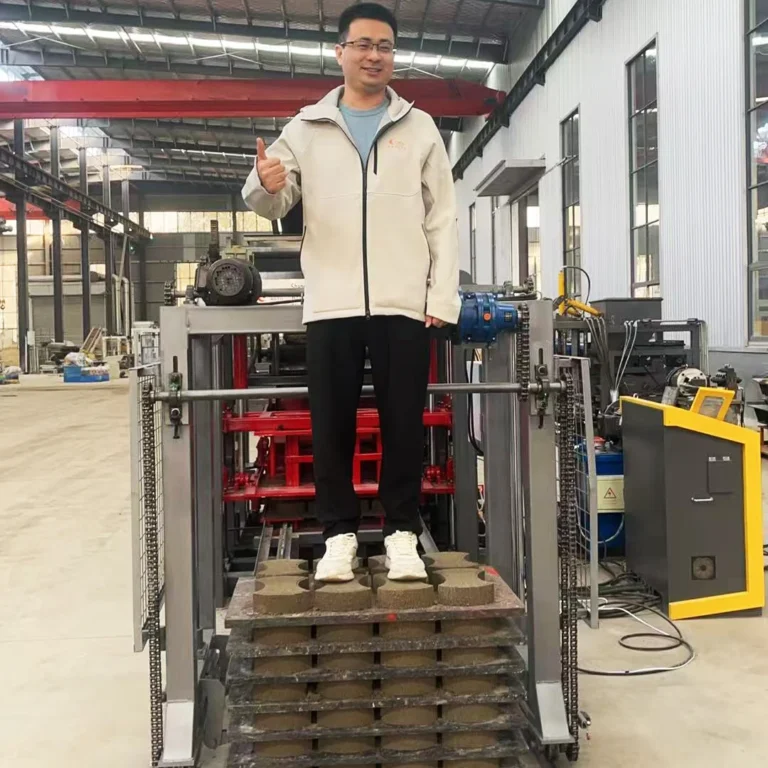
Many plant owners start with manual pallet handling to keep initial investment contained, then add automatic pallet feeding and stacking as volume grows. The QT8-15 supports that path because the mechanical interfaces for pallet magazines, stackers and cubing units are present from the base configuration. Upgrading later means bolting on modules and extending the PLC programme, not replacing the press. [NEED_CITE: modular automation upgrade paths in concrete block production]
Pressure, Vibration and What They Actually Do to Your Block
The 21 MPa rated hydraulic pressure and 45 kN platform vibration force work together — pressure compacts the mix vertically while vibration settles fines into the voids left by coarse aggregate. If one is high and the other is low, you get blocks that look dense on the outside but fracture under a drop test. The vibration frequency range of 2800–4500 r/min lets the operator tune the shake to the specific aggregate grading available locally, rather than forcing a material change to suit a fixed frequency. The 950 × 900 mm pallet size determines how many blocks press per cycle and must align with the curing rack spacing and forklift tine width already in use at the plant. Mould change time is governed by the hydraulic clamping design; a clean swap keeps format switching inside a single shift instead of eating the whole morning.
The Cost of Specifying Automation Without Checking the Site
Ordering a fully automatic stacking and cubing line without confirming the curing area dimensions means the stacker may place pallets in a footprint the forklift cannot reach. Specifying a PLC with remote diagnostics is valuable only when the site has stable network connectivity; otherwise the feature sits unused while the operator reverts to manual overrides. Choosing a pallet material — bamboo, PVC or steel — without considering local humidity and curing temperature leads to warping or premature wear that no amount of automation can correct. These mismatches surface weeks after commissioning, long after the supplier has left the site. [NEED_CITE: common commissioning failures in exported concrete block machinery]
What This Supplier Brings to the Table
Block machinery is the sole product focus, so the QT8-15 is quoted as a matched system — press, mould, pallet and handling — rather than a collection of standalone items. Machine configuration is set against the buyer’s actual mix design and local aggregate, not a catalogue default that assumes materials you cannot source. Mould design covers the formats your market actually sells, and custom mould drawings are accepted to buyer specifications. Automation level is selectable, meaning a semi-automatic start today can become a full line tomorrow without replacing the core press. Installation includes on-site commissioning and operator training so the crew running the machine on day one is the same crew trained on its logic. [NEED_CITE: equipment supplier capability verification standards for industrial machinery buyers]
Documentation & Verification
- Line layout and capacity calculation stating the exact block format assumed for cycle time
- Machine specification sheet with hydraulic and electrical schematic for the QT8-15
- Mould drawing and format list matched to your target market products
- Pallet specification covering size, material and load rating for curing rack compatibility
- Voltage, frequency and PLC display language confirmation document before dispatch
- Factory test record on your specified block format before the machine is crated
Installation, Commissioning & Support
- Foundation plan sized to the 8300 × 1860 mm footprint and 8 T operating mass of the QT8-15
- Dedicated power circuit matching the 55.5 kW total load at the confirmed site voltage and frequency
- Machine dismantled for 40HQ container loading and reassembled on site with alignment verification
- PLC programme loaded and tested in the confirmed display language during first-power commissioning
- Operator training covering mould change procedure, vibration frequency tuning and daily maintenance checks
- Wear parts and mould list provided with part numbers for first replacement ordering
What We Need from You to Build the Right Configuration
To size the QT8-15 correctly, share the block formats you intend to produce along with the daily output target for each, because cycle time varies significantly between a hollow block and a paver. Confirm the voltage and frequency at your site, and specify the preferred PLC display language so the control panel is configured before shipment. Let us know what pallet size and curing rack layout you already have in place, or whether you need the full line designed from raw material feeding through to cubing.
Frequently Asked Questions
Q: How is cycle time verified per block format on the QT8-15, and what output does that yield per shift?
A: The 15–20 second molding cycle is a general range. Actual cycle time depends on block format, wall thickness and mix composition. We run a factory test on your specific mould before dispatch and document the achieved cycle and shift output for that format, so the capacity figure you plan against is tied to the product you will actually sell.
Q: Which PLC brand and display languages are supported, and can parameters be tuned remotely?
A: PLC brand and available display languages are confirmed during the quotation stage to match your operator team and site conditions. Remote diagnostics capability depends on the selected PLC platform and your site’s network infrastructure. We lock in language and remote access specifications before the machine enters production.
Q: How does the automation level scale from semi-automatic pallet handling to full stacking and cubing?
A: The QT8-15 base frame includes mechanical interfaces for pallet magazines, stackers and cubing units. A buyer can start with manual pallet handling and add automatic modules later by extending the PLC programme and bolting on the hardware, without replacing the press or redesigning the line layout.
Q: What voltage and frequency configurations are available for the target market?
A: Voltage and frequency are configured to your site supply and confirmed in writing before production begins. This avoids the common situation where a machine arrives wired for a supply standard that does not match the local grid, delaying commissioning by days or weeks.
Q: How are mould change times kept short enough to preserve format flexibility across a working day?
A: The hydraulic clamping system on the QT8-15 is designed for tool-free mould release, and the PLC stores parameter sets for each registered mould. This means the operator selects the new format on the touchscreen, the press adjusts pressure and vibration to the stored profile, and the physical swap is completed within a fraction of a shift rather than consuming the entire morning.