



Description
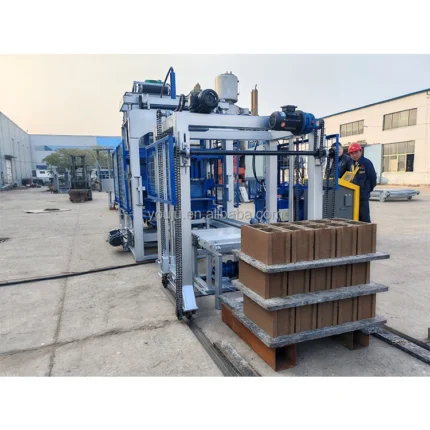
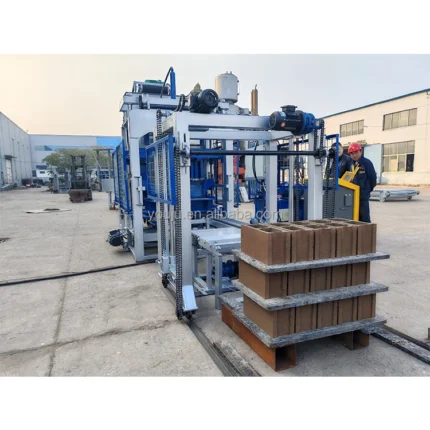
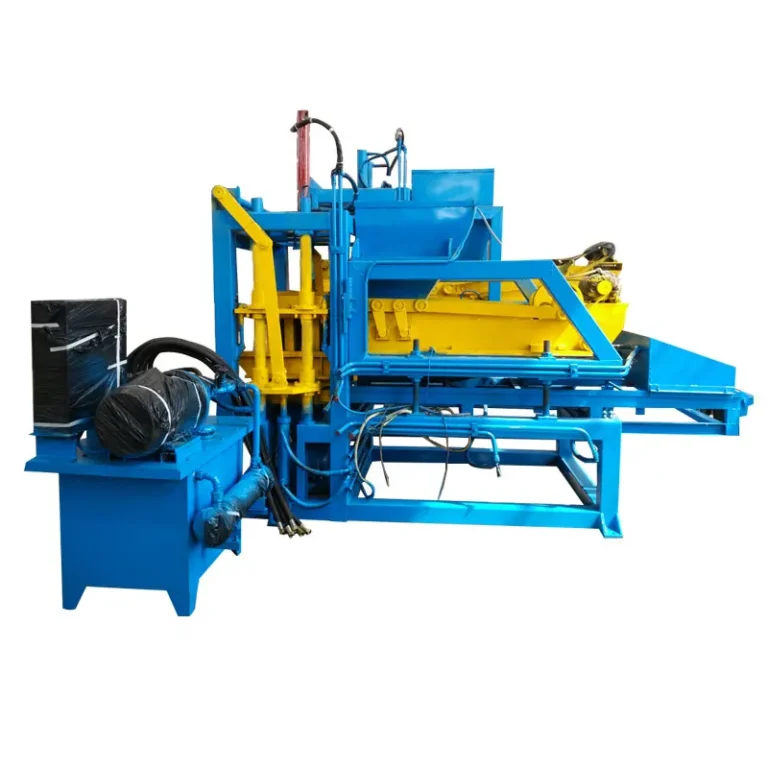
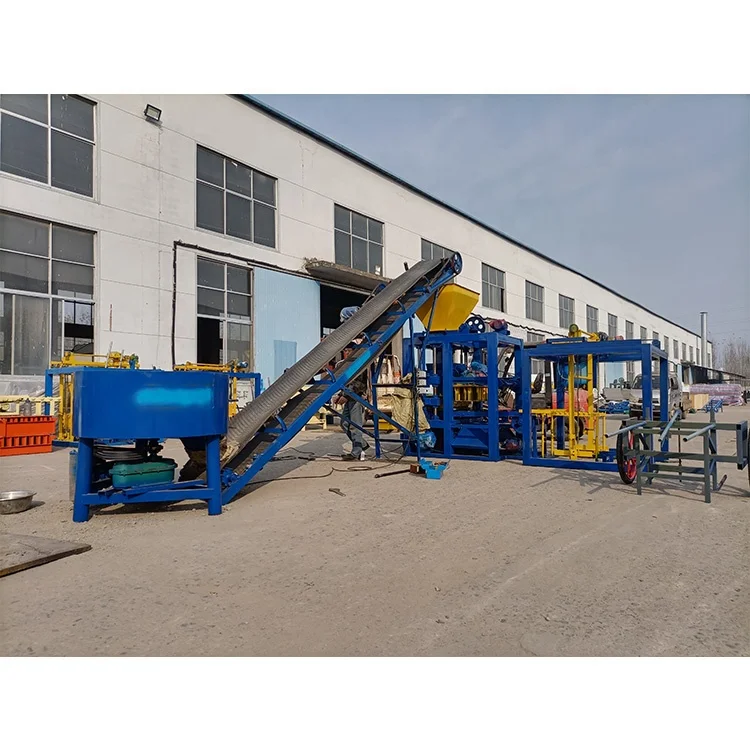
Automation Path Clarity — the QTJ4-40 starts as a semi-automatic press with manual pallet handling, and the upgrade scope to automatic feeding, stacking, and cubing is defined before the order is placed.
Technical Specifications
| Parameter | Value |
|---|---|
| Model | QTJ4-40 |
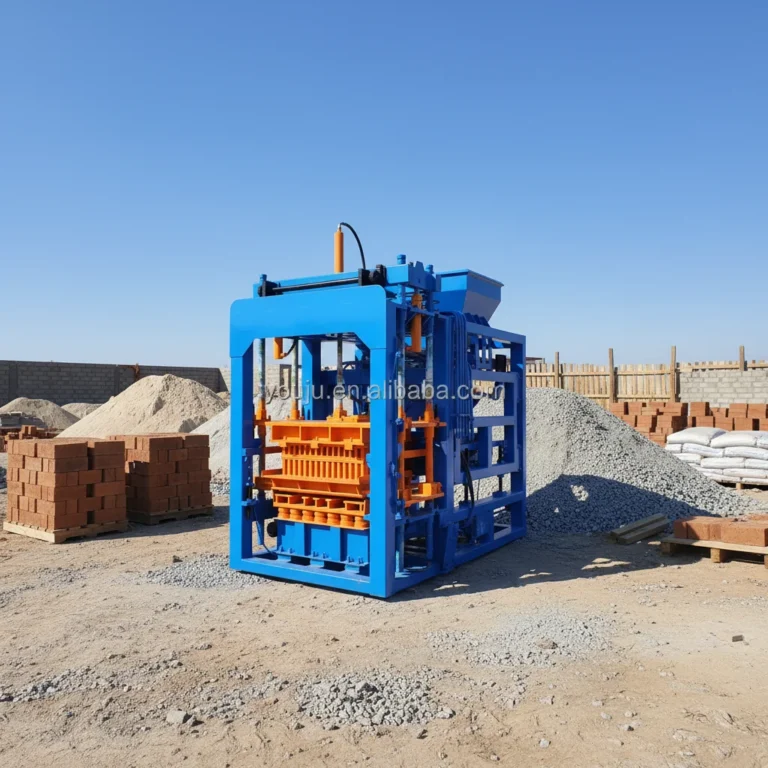
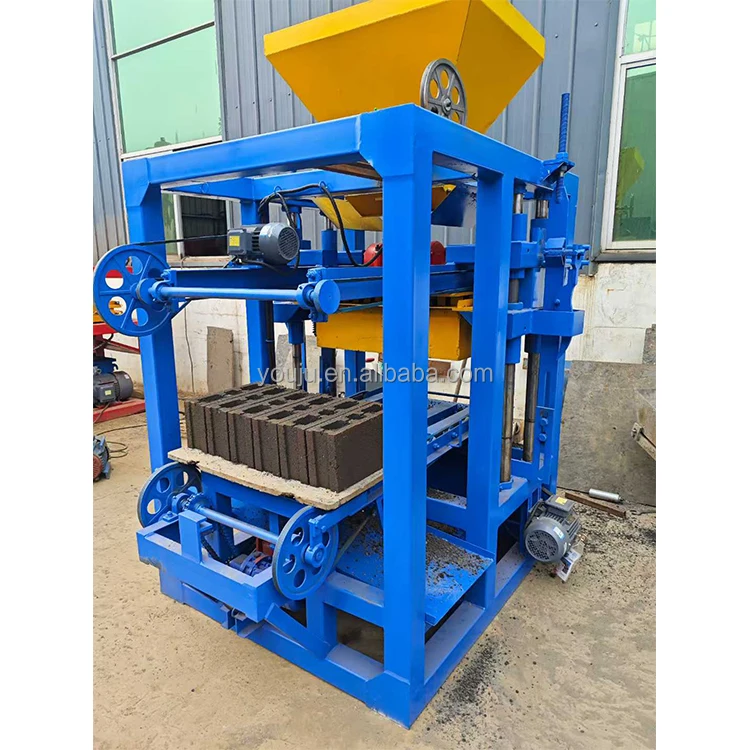
| Product Type | Manual Hydraulic Pressure Block Making Machine |
| Overall Dimensions (L×W×H) | 1350×1460×1800 mm |
| Rated Power | 10.4 kW |
| Voltage & Frequency | Configurable to buyer’s local supply (basis to be confirmed) |
| Moulding Cycle | 40 s |
| Output Capacity (400×200×200 mm hollow block) | 4 pcs/mould, 360 pcs/hour, 2880 pcs/day |
| Output Capacity (400×150×200 mm hollow block) | 5 pcs/mould, 450 pcs/hour, 3600 pcs/day |
| Output Capacity (225×112.5×60 mm solid/paver block) | 9 pcs/mould, 800 pcs/hour, 6400 pcs/day |
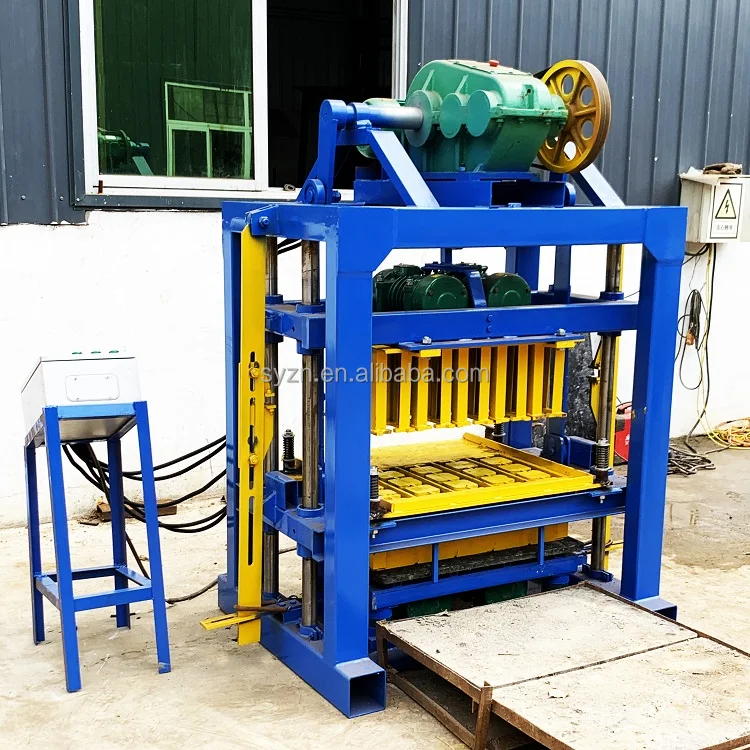
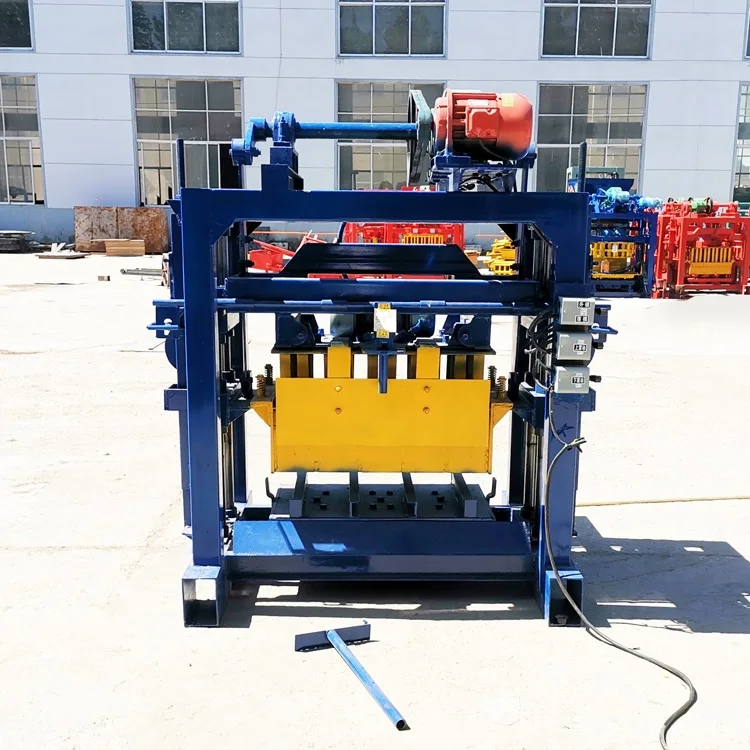
| Vibration Type | Bed mould vertical vibration + upper mould compression vibration |
| Pallet Size | 850×450×20 mm |
| Machine Weight | 1.2 T |
| Raw Materials | Concrete, sand, cement, fly ash, lime, gypsum |
| Automation Level | Semi-automatic (manual pallet handling); automatic pallet feeding, stacking, and cubing available as staged additions |
| Control System | Available with PLC or relay logic (basis to be confirmed) |
Application Suitability
| Application | Material or Output |
|---|---|
| Small-scale hollow block plant | 8-inch, 6-inch, and 4-inch hollow blocks from crushed stone, sand, and cement |
| On-site contractor production | Solid blocks for housing projects using locally available aggregate and fly ash |
| Paving and interlocking block runs | 225×112.5×60 mm pavers from cement and fine sand mixes |
| Entrepreneur first-line setup | Mixed-format output across hollow, solid, and paver blocks within a single shift |
What "40-Second Cycle" Does Not Tell You About Daily Output
Cycle time measures the press, not the line. The QTJ4-40 completes a moulding cycle in 40 seconds, but if the operator is still carrying the last pallet by hand to the curing rack, the press sits idle and the real daily throughput drops well below the headline number. I have watched contractors size a machine on cycles-per-hour, then discover on site that manual pallet handling costs them a third of their shift. The automatic QTJ4-40 block making machine addresses this by offering a defined upgrade path: the base semi-automatic unit can be fitted with automatic pallet feeding, stacking, and cubing once production volume justifies the addition [NEED_CITE: staging automation investment against volume growth].
Where the PLC Controlled Block Making Machine Fits in the Line
The intelligent side of block production is not just about pressing a button. For the QTJ4-40, a PLC controlled block making machine configuration means the batching sequence, vibration duration, and compression stroke are managed electronically, removing guesswork from the operator and keeping batch-to-batch density consistent. The semi-automatic base unit still requires manual pallet loading and unloading, but the control layer is ready to integrate an automatic pallet feeder and stacker without replacing the main press.
Defining the Automation Boundary Before Shipment
A frequent source of dispute is the gap between what the buyer assumed was automated and what the quotation actually covered. On the QTJ4-40, the automation boundary is specified line by line: pallet handling method, stacking arrangement, and cubing configuration are each confirmed as included or excluded before the order enters production. This prevents a situation where the operator is still wheeling pallets to the curing yard by hand while the buyer expected a fully closed loop [NEED_CITE: automation scope documentation in machinery contracts].
Matching Vibration and Pressure to Your Actual Mix
Block strength depends on the relationship between vibration force, hydraulic pressure, and the raw material entering the hopper. The QTJ4-40 uses bed mould vertical vibration combined with upper mould compression vibration to densify the mix from both directions. However, if the local aggregate has high clay content or the sand is poorly graded, the vibration amplitude and dwell time must be adjusted to match; otherwise the blocks crack during curing or fail a compression test. Configuration is set against the buyer’s actual mix design and target block format rather than a default catalogue setting.
Pallet Size, Curing Area, and the Forklift You Already Own
The QTJ4-40 runs on 850×450×20 mm pallets. Before confirming the order, the buyer should verify that this pallet dimension matches the curing rack spacing and the fork pocket width of the forklift already on site. A mismatch here means either building new curing racks or ordering non-standard pallets, both of which add cost and delay before the first block is produced.
The Cost of Skipping the Voltage Confirmation Step
Electrical specifications are often treated as a detail to sort out later, but arriving at site with a machine wound for the wrong voltage or frequency means weeks of downtime and an expensive motor rewind. The QTJ4-40 rated power is 10.4 kW, and both voltage and frequency must be locked against the buyer’s site supply before production begins. Control display language should also be confirmed at the same point so that the operator can read fault codes and cycle parameters without translation delays [NEED_CITE: voltage and frequency standards by export market].
Why Procure the QTJ4-40 From This Line
Block machinery is the single focus of this factory, so the press, mould, pallet, and handling equipment are specified as one matched system rather than assembled from separate suppliers. The vibration force and hydraulic pressure are configured against the buyer’s mix design and local aggregate, not a catalogue default. Mould design covers the block formats the buyer’s market actually sells, including custom drawings when required. The automation level is selectable: a buyer can commission the QTJ4-40 as semi-automatic and add pallet feeding, stacking, and cubing later. Installation support includes operator training on the specific control system shipped, and mould and wear parts are listed with the dispatch documentation.
Documentation & Verification
- Line layout and capacity calculation stating the block format assumed for the QTJ4-40 daily output figure
- Mould drawing and format list showing changeover dimensions for hollow, solid, and paver blocks
- Voltage, frequency, and PLC display language confirmation sheet signed before production
- Factory test record on the buyer’s target block format prior to dispatch
- Hydraulic and electrical schematic matching the as-built QTJ4-40 configuration
Installation, Commissioning & Support
- Foundation pad leveled to 1350×1460 mm footprint with anchor bolt provision for the 1.2 T host machine
- Dedicated circuit rated for 10.4 kW confirmed against buyer’s local voltage and frequency before wiring
- Machine shipped as host unit with detachable mixer; pallets and mixer optional if buyer sources locally
- Vibration amplitude and hydraulic pressure adjusted on site to match local aggregate and cement ratio
- Operator trained on PLC or relay logic control, including fault code reading in confirmed display language
- Wear parts list and mould maintenance schedule provided with the dispatch documentation
What to Include in Your Inquiry
To configure the automatic QTJ4-40 block making machine for your plant, share the block formats you sell, the daily volume you need per format, and the local raw materials you intend to use. Provide your site voltage, frequency, and preferred control display language. If you already have curing racks or a forklift, include the pallet dimension those assets are built around so the 850×450 mm pallet specification can be verified before quotation.
Frequently Asked Questions
Q: How is the output capacity verified, and which block format does it assume?
A: The QTJ4-40 capacity is stated per block format, not as a generic cycles-per-hour figure. For example, 2880 pieces per day assumes the 400×200×200 mm hollow block at a 40-second cycle. When you request a quotation, the capacity calculation lists your specific target format so the daily output figure matches what you will actually produce.
Q: What automation level does the QTJ4-40 ship with, and what is the upgrade path?
A: The base configuration is semi-automatic with manual pallet handling. Automatic pallet feeding, stacking, and cubing are available as staged additions that integrate with the existing press and control system. The scope of each addition is documented before order confirmation so you know exactly which tasks remain manual.
Q: How do voltage, frequency, and control display language get confirmed before shipment?
A: A confirmation sheet covering voltage, frequency, and PLC or relay logic display language is signed by the buyer before the QTJ4-40 enters production. This prevents commissioning delays caused by electrical mismatches or unreadable fault codes on site.
Q: How does the vibration and pressure system match my local aggregate and mix design?
A: The bed mould vertical vibration and upper mould compression vibration are adjusted to suit the buyer’s raw material profile, including aggregate type and cement ratio. Configuration is set during commissioning on site so that block density and strength remain consistent across production batches.
Q: What mould change time should I expect when switching between hollow, solid, and paver formats?
A: Mould change duration depends on the format and the changeover system specified. The quotation includes a realistic changeover estimate for each mould pair so that shift planning accounts for the downtime, and format flexibility is not cancelled out by lengthy swaps.