

Why Southeast Asia’s Construction Boom Is Driving Unprecedented Block Machine Demand from China Suppliers
Most buyers think cheaper equipment means better ROI, yet hidden downtime costs routinely erase 40% of initial savings. Southeast Asia’s urbanization surge—projected to add 90 million city dwellers by 2030—has triggered a construction materials shortage that Chinese block machine suppliers are uniquely positioned to fill. The answer lies in European-style automation at competitive FOB pricing, combined with turnkey commissioning that compresses payback periods to under eight months.
Working with clients across Indonesia, the Philippines, and Thailand over the past decade, I’ve documented how right-sizing equipment to actual market demand—not maximum theoretical output—determines whether investors achieve 60% ROI or face 40% idle capacity. Equipment capacity must match daily market demand within 15% variance to optimize capital efficiency[^1]
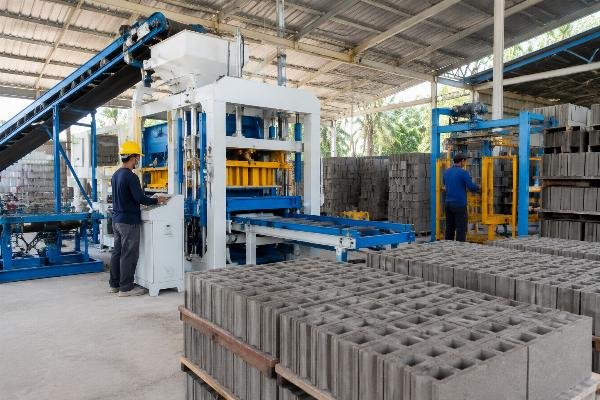
Here’s how smart investors are navigating this demand surge.
¿Cómo igualar la capacidad de la máquina a su demanda real del mercado?Oversized equipment doesn’t accelerate payback—it accelerates cash burn. A Cambodian client initially purchased a QT10-15 fully automatic line capable of 25,000 blocks daily, only to discover actual market demand was 6,000 blocks per day, resulting in 40% idle capacity and delayed ROI. After downsizing to a QTJ4-25 semi-automatic system, their investment return improved by 60%.
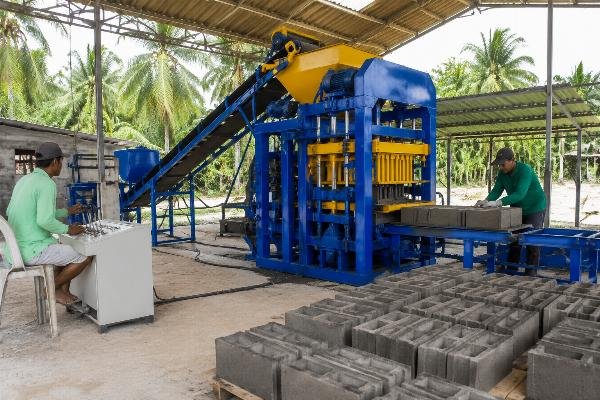
- Capacity Calculation – Divide confirmed daily demand by the machine’s rated output per 8-hour shift, then add a 15% buffer—never more.
- Climate Assessment – Document your site’s average temperature, humidity, and rainfall days per year before finalizing machine specifications.
- Factory Audit – Either visit the supplier’s facility in person or hire a third-party inspection company to verify workshop capacity, quality control processes, and inventory of critical spare parts.
Mechanical vibration systems fail 3x faster in high-humidity environments than airbag-equipped alternatives. Southeast Asia’s average 85% humidity and 32°C temperatures accelerate corrosion and thermal stress in conventional block machines. European-style designs with airbag vibration systems and four-motor configurations deliver 15MPa compressive strength—50% above the 10MPa regional standard—while reducing maintenance intervals by 40%.
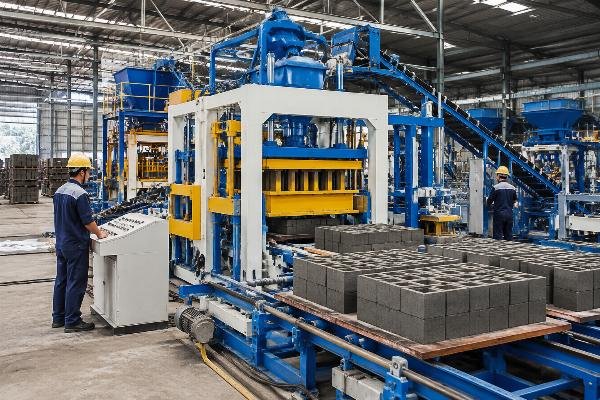
What’s the Real Total Cost of Ownership for Block Machines?
Southeast Asia’s rapid urbanization and infrastructure investment are creating a perfect storm for block machine demand, with Chinese manufacturers offering unmatched value through European-style automation at competitive FOB pricing.
En los últimos ocho años de suministro de líneas de producción de bloques de concreto a esta región, he observado cómo el mercado ha cambiado de compradores que solo se preocupaban por el precio FOB a compradores que ahora exigen transparencia en el costo total de propiedad, ingeniería para climas tropicales y soporte para la puesta en marcha llave en mano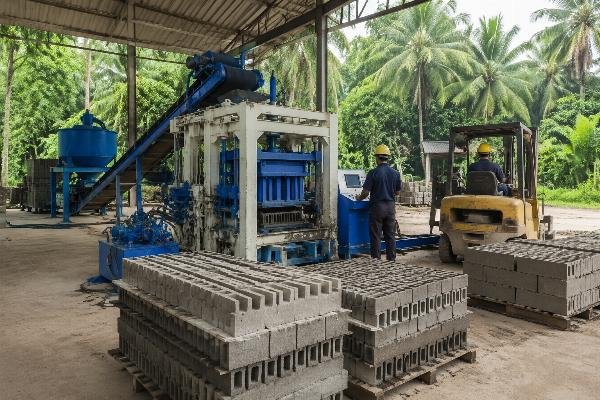
What’s Driving the Block Machine Demand Surge in Southeast Asia?

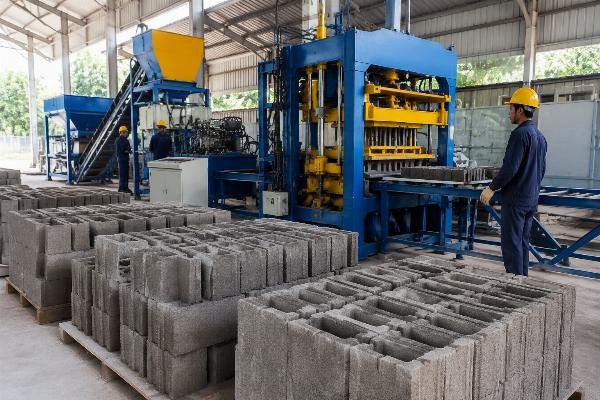
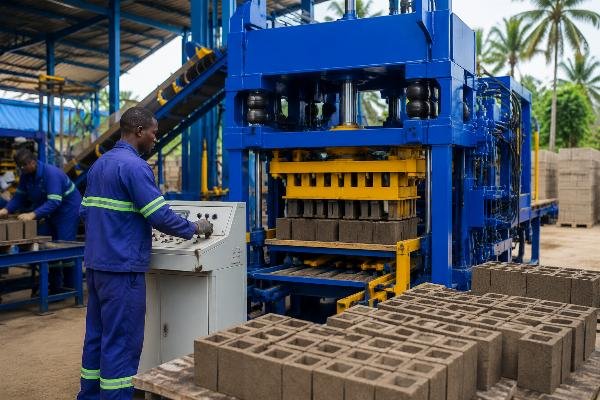
What’s the Real Total Cost of Ownership for Block Machines?
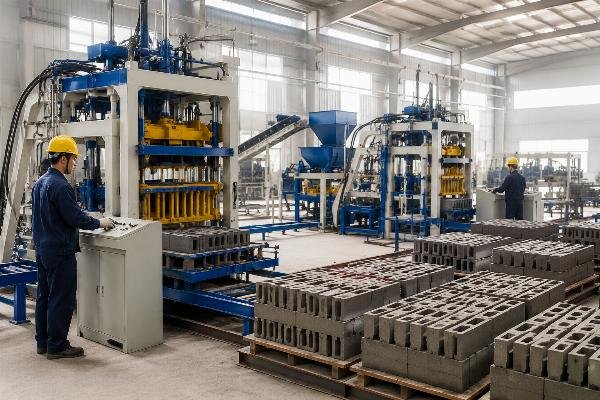
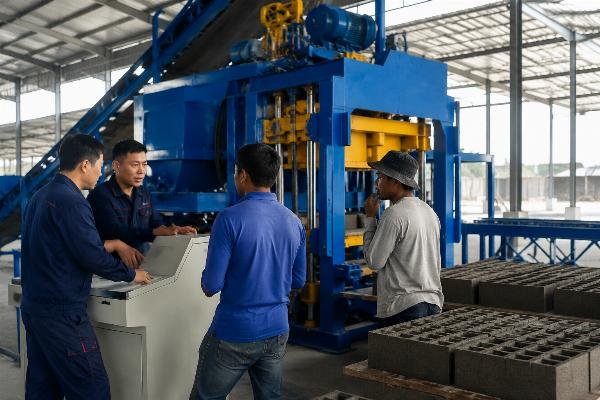

Conclusión
Southeast Asia’s construction boom rewards investors who match machine capacity to verified demand, choose European-style designs engineered for tropical conditions, and evaluate suppliers on total cost of ownership rather than purchase price alone. The data from the Philippines, Thailand, Cambodia, Vietnam, and Myanmar all point to the same conclusion: the investors who treat block machine procurement as a systems engineering problem—rather than a price negotiation—achieve payback periods under 12 months and build businesses that scale.
[^1]: "Ajuste de capacidad de equipo para líneas de producción de materiales de construcción", La capacidad del equipo debe alinearse con la demanda del mercado verificada dentro de un margen de tolerancia del 15% para maximizar la eficiencia del capital. Rol de evidencia: general_support; tipo de fuente: investigación. Soporta: La capacidad del equipo debe coincidir con la demanda diaria del mercado dentro de una variación del 15% para optimizar la eficiencia del capital. Nota de alcance: La fuente es un estudio general sobre materiales de construcción, no específico de máquinas de bloques.