Description
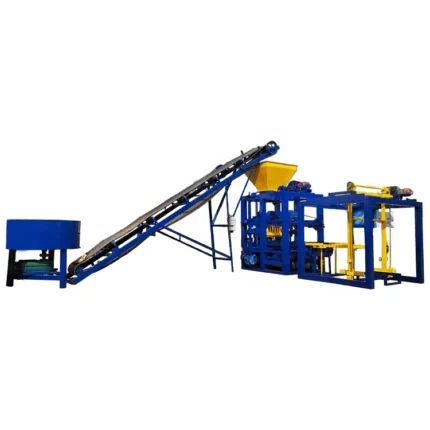
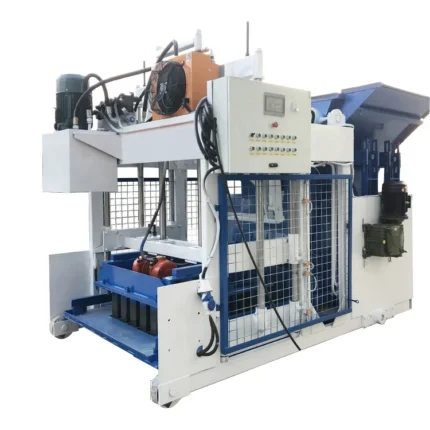
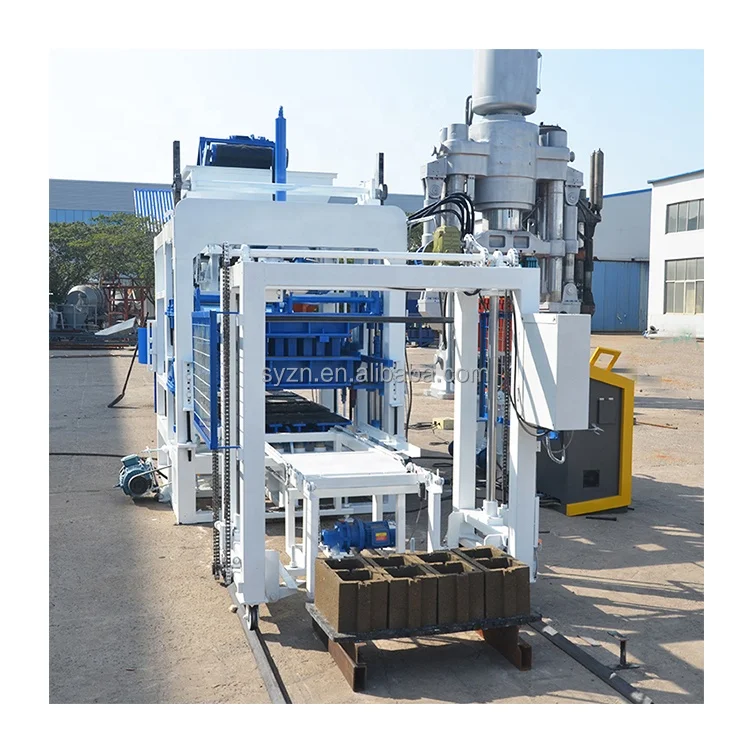
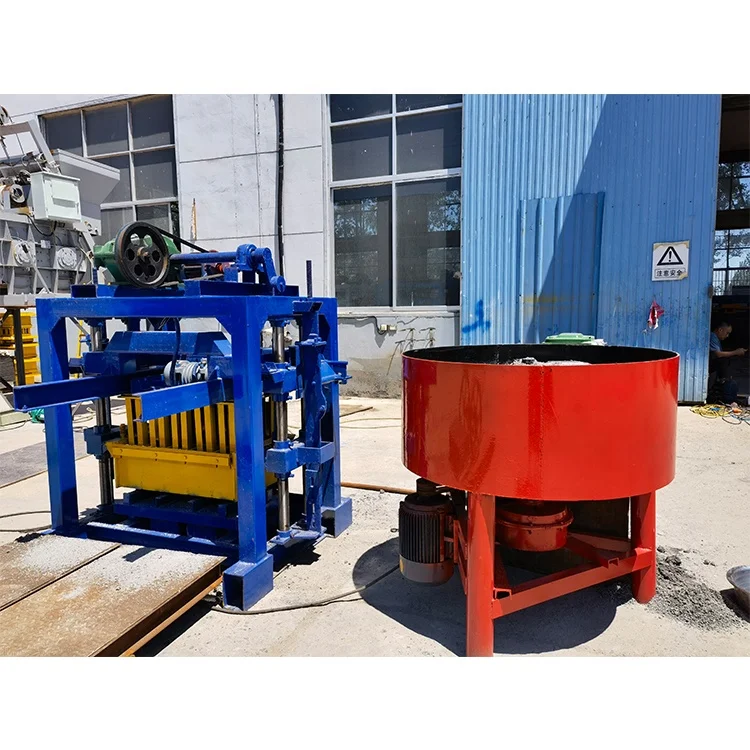
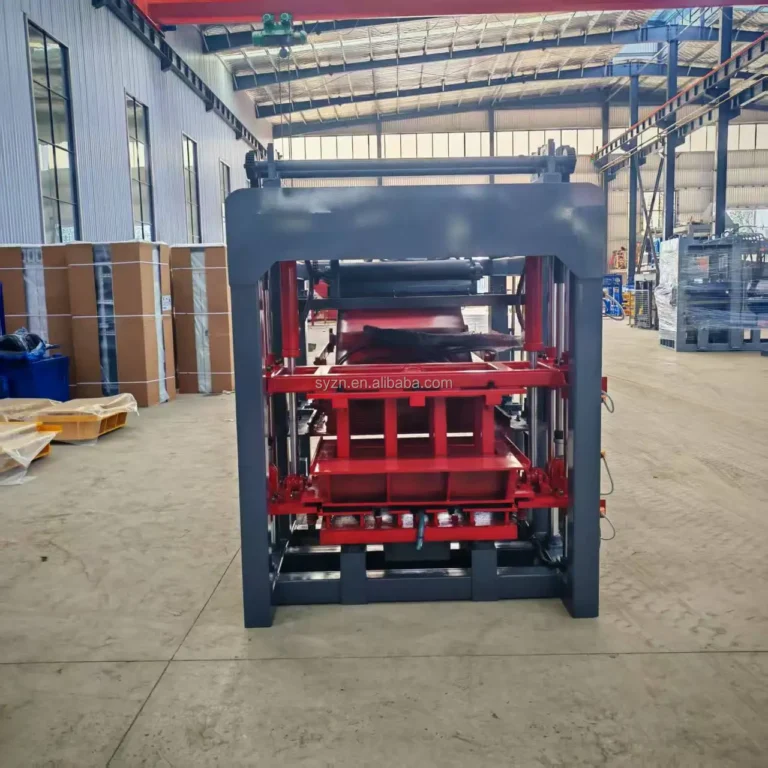
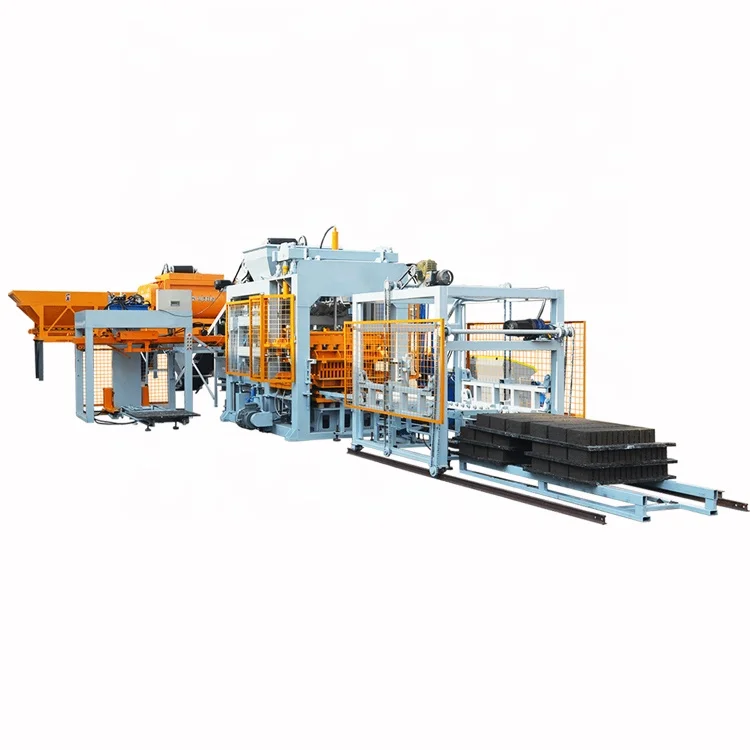
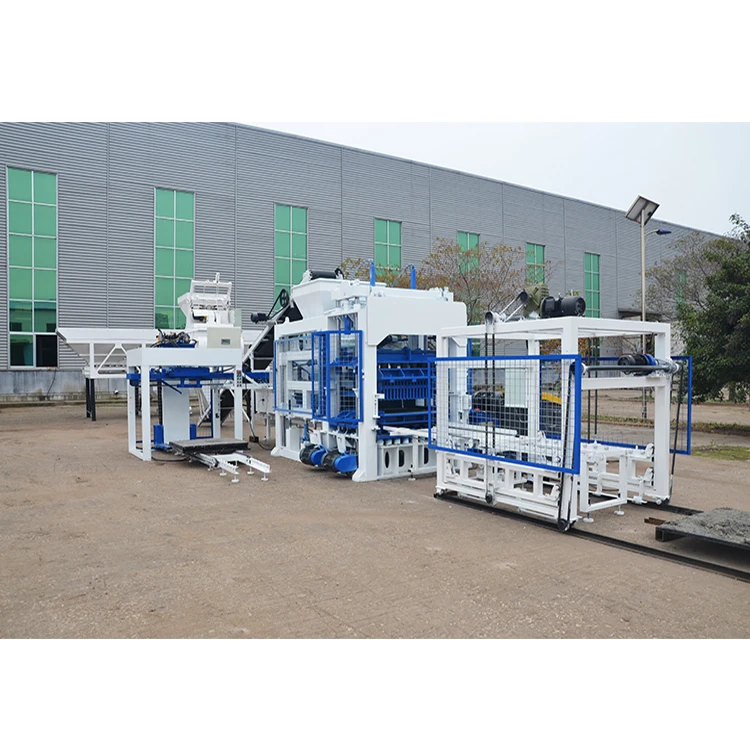
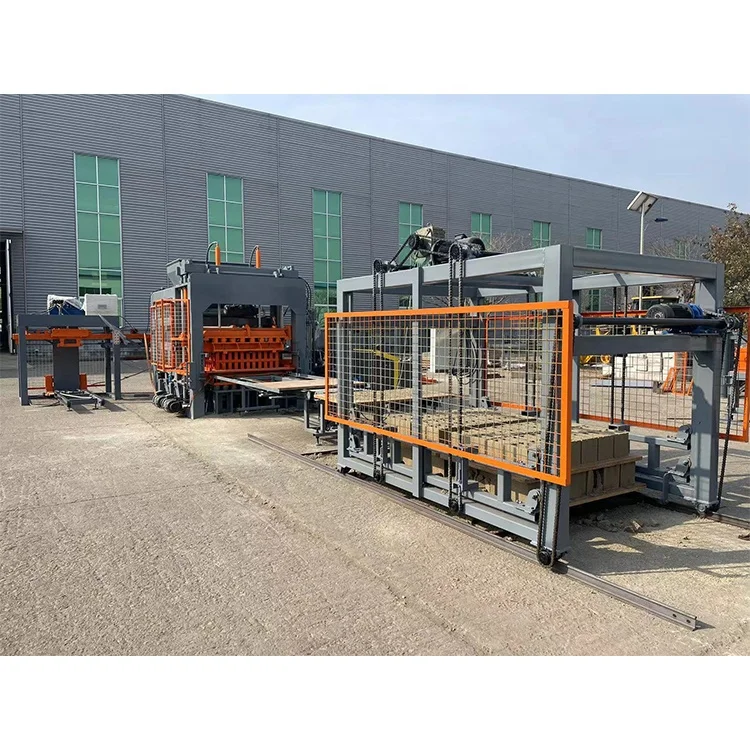
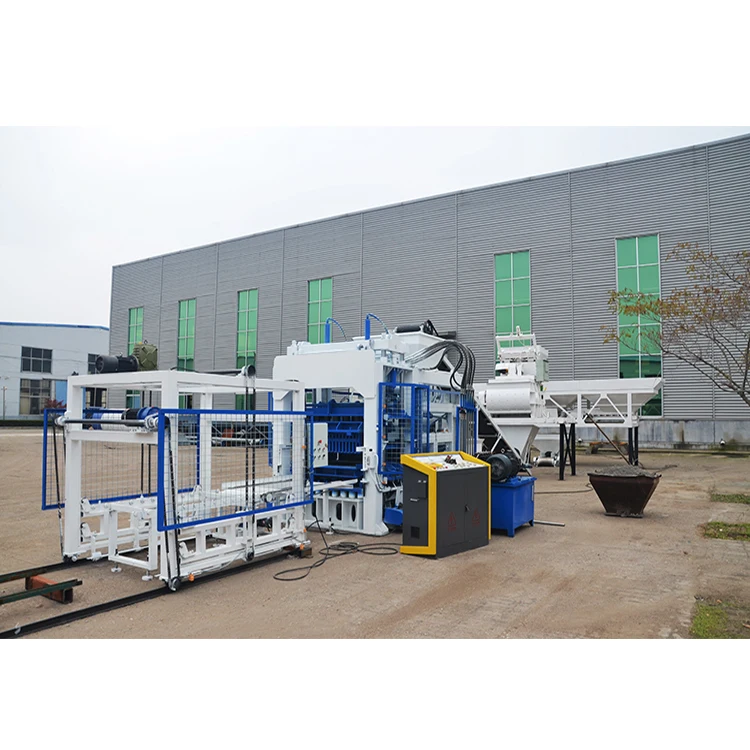
Synchronized Line Control — The automatic QT10-15 block machine PLC controlled is engineered as a single integrated system where the press cycle, pallet feed, and material storage communicate via a central PLC cabinet, eliminating the mismatch between isolated stations.
Technical Specifications
| Parameter | Value |
|---|---|
| Product Type | Concrete Brick Block Making Machine |
| Model | QT10-15 |
| Control System | PLC control cabinet |
| Hydraulic System | Independent integrated hydraulic station |
| Vibration Mode | Vertical station mode resonance, automatic FM-AM |
| Mould Change | Simple replacement of mould for multi-function production |
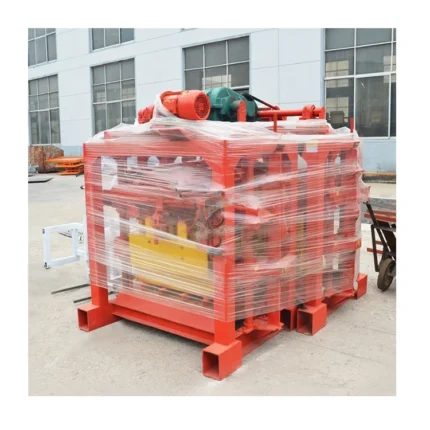
| Components Included | Pallet feed machine, block making machine, storage hopper, conveyor, hydraulic unit, PLC control cabinet |
| Output Capacity (400x200x200mm hollow block) | 1800-2400 pcs/hour, 14400-19200 pcs/8hr (basis: 10 pcs/mould, 15-20s cycle) |
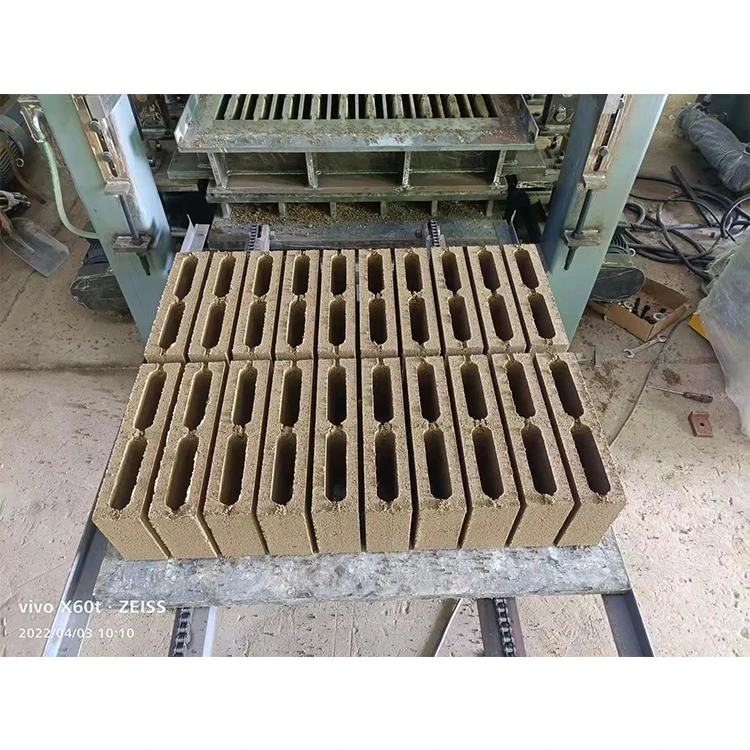
| Output Capacity (400x150x200mm hollow block) | 2160-2880 pcs/hour, 17280-23040 pcs/8hr (basis: 12 pcs/mould, 15-20s cycle) |
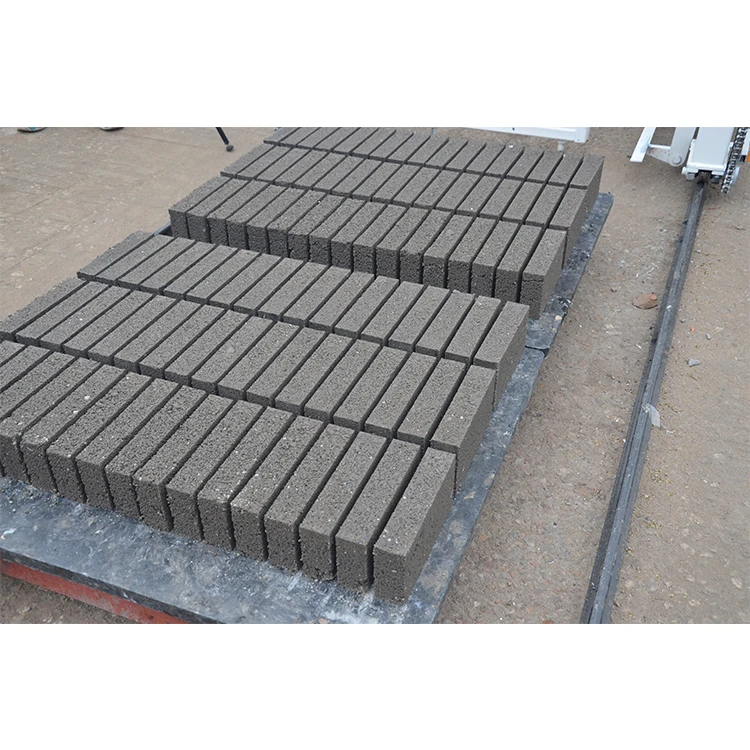
| Output Capacity (240x115x53mm solid brick) | 8928-11160 pcs/hour, 71424-89280 pcs/8hr (basis: 62 pcs/mould, 15-20s cycle) |
| Output Capacity (200x100x60mm paving block) | 5184-6480 pcs/hour, 41472-51840 pcs/8hr (basis: 27 pcs/mould, 20-25s cycle) |
| Output Capacity (225×112.5x60mm paving block) | 4032-5040 pcs/hour, 32256-40320 pcs/8hr (basis: 24 pcs/mould, 20-25s cycle) |
| Cycle Time (hollow block) | 15-20s |
| Cycle Time (paving block) | 20-25s |
| Automation Level | Automatic (with PLC control, automatic pallet feeding) |
| Warranty | 1 year for whole machine (excluding spare parts) |
| Voltage & Frequency | (basis to be confirmed) |
| Overall Dimensions (L×W×H) | (basis to be confirmed) |
| Net Weight | (basis to be confirmed) |
| Pallet Size | (basis to be confirmed) |
Application Suitability
| Application | Material or Output |
|---|---|
| Hollow block production plants | Multi-cellular bricks and standard hollow blocks from crushed stone and cement |
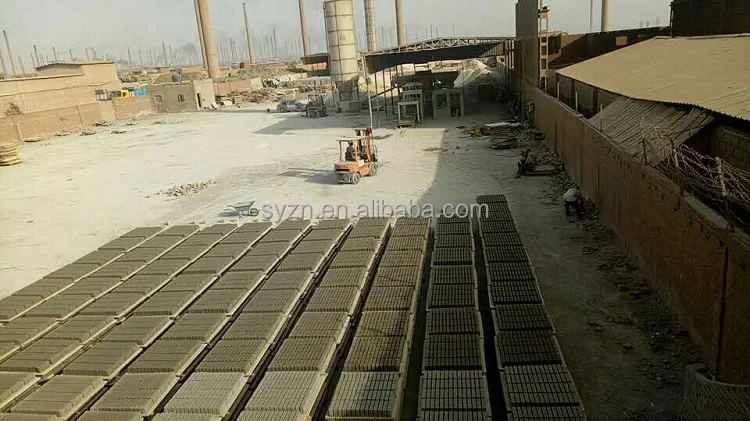
| Construction contractors producing blocks on-site | Standard bricks and solid blocks using locally sourced aggregate |
| Concrete product manufacturers expanding format range | Interlocking bricks and paving blocks matching existing curing systems |
| Housing project contractors producing blocks locally | High-volume solid bricks for rapid local construction requirements |
Why the PLC Language Question Must Precede the Price
A fully automatic line is useless if the operator cannot read the alarm screen.
When plant owners invest in an automatic QT10-15 block machine PLC controlled system, the conversation often focuses on cycle times and vibration force. Yet, the most frequent delay during on-site commissioning stems from a basic configuration oversight: the control interface language. An operator facing a fault code in an unfamiliar language will halt the line and wait for translation, turning a minor sensor misalignment into a multi-day stoppage [NEED_CITE: PLC interface language standards in industrial exports]. The automation is only as effective as the operator’s ability to interact with it.
Centralized Logic and Cycle Synchronization
The core advantage of this configuration is the management of the full press cycle from a single point. The PLC cabinet coordinates the storage hopper feed, the hydraulic pressure application, and the vertical vibration sequence. This ensures that the material drop and the press descent occur in a precise sequence, maintaining batch-to-batch consistency regardless of operator fatigue. The automatic QT10-15 block machine PLC controlled system removes the manual timing variations that lead to density fluctuations in the final block.
Sensor Integration and Fault Diagnostics
Modern block production relies on proximity switches and pressure transducers to verify that each station is ready before the next action begins. The independent integrated hydraulic station is isolated from the primary vibration source, which protects the valve bank and pressure sensors from the dust and shock of the press table. If a pallet is misaligned during the feed sequence, the logic controller stops the cycle and identifies the exact sensor that triggered the fault, allowing maintenance teams to address the issue without manual troubleshooting of the wiring harness [NEED_CITE: sensor integration in block making machinery].
Interpreting the Hydraulic and Vibration Specs
The vertical station mode resonance with automatic FM-AM tuning is designed to adapt the vibration frequency to the specific mass of the mould and the material inside it. A heavier paving block mould requires a different resonance profile than a light hollow block mould to achieve proper compaction. The independent hydraulic station provides the clamping force necessary to hold the mould box stable during this intense vibration. If the hydraulic pressure drops or the vibration force is not matched to the aggregate size, the resulting blocks will exhibit inconsistent strength or surface cracking. The automatic FM-AM feature allows the machine to adjust to variations in the local raw material mix without requiring manual reprogramming of the drive frequency.
The Cost of Ignoring Control Configuration
A mismatched control setup leads to immediate production bottlenecks. If the voltage and frequency are not confirmed against the local grid before manufacturing, the PLC cabinet may suffer component failure upon first energization, or the hydraulic pumps may run in reverse. Furthermore, if the automation level is selected without considering the downstream stacking equipment, the press may produce blocks faster than the manual handling team can remove them, forcing the automatic QT10-15 block machine PLC controlled unit to idle between cycles [NEED_CITE: line synchronization bottlenecks in block plants].
Why This Configuration Source Matters
This equipment is supplied as a matched system where the mould, the pallet, and the control logic are specified together. The mould design is verified against the target block format, and the PLC parameters are set to the specific cycle time required for that format. We provide the hydraulic and electrical schematics so your local team can maintain the independent integrated hydraulic station without relying on guesswork. The factory test record documents the actual cycle time and output for your specific block format, not a generic catalogue maximum.
Documentation & Verification
- Line layout and capacity calculation stating the block format assumed for the 1800-2400 pcs/hour hollow block rating.
- Voltage, frequency, and PLC display language confirmation document signed before production begins.
- Hydraulic and electrical schematic for the independent integrated station and sensor network.
- Factory test record showing actual cycle times for your specified hollow and paving block moulds.
Installation, Commissioning & Support
- Foundation plan detailing the load-bearing requirements for the block making machine and independent hydraulic station.
- Power supply specification for the PLC cabinet and vibration motors, including dedicated circuit breakers.
- On-site commissioning of the automatic pallet feed machine and synchronization with the press cycle.
- Operator training focused on the PLC alarm codes, mould change procedures, and daily sensor cleaning.
- Wear parts list including hydraulic seals and vibration isolators for the first year of operation.
Preparing Your Project Inquiry
To ensure the automatic QT10-15 block machine PLC controlled system is configured for your facility, please provide your target block dimensions, the specific local aggregate you intend to use, and your available curing area layout. We also need to know your site’s voltage and frequency, as well as the preferred language for the PLC touch-screen interface, so these can be locked in during the engineering phase.
Frequently Asked Questions
Q: How is the QT10-15 output capacity verified per block format?
A: The capacity figures listed for hollow blocks, solid bricks, and paving blocks are based on specific mould cavities and cycle times (e.g., 15-20s for hollow blocks). We provide a factory test record that documents the actual cycle time and output for your selected block format, rather than quoting a generic maximum capacity that assumes a different product.
Q: What PLC language options are available and how is this confirmed?
A: The control interface can be configured to your local language requirements. We require written confirmation of the preferred language and voltage specifications before manufacturing begins. This ensures the operator can read fault codes and adjust parameters without needing a translator on site.
Q: How does the automation level affect pallet handling and labour?
A: The system includes automatic pallet feeding synchronized with the press cycle. If you opt for full automation, stacking and cubing can be integrated to remove manual handling from the wet-side of the line, reducing the labour requirement to monitoring and maintenance rather than physical lifting.
Q: What is the upgrade path from semi-automatic to full PLC control?
A: The machine is designed to accommodate additional sensors and actuators. You can start with semi-automatic pallet handling and later install the automatic stacker and cubing system. The PLC cabinet has reserved inputs to accept these additional stations without replacing the core controller.