Description
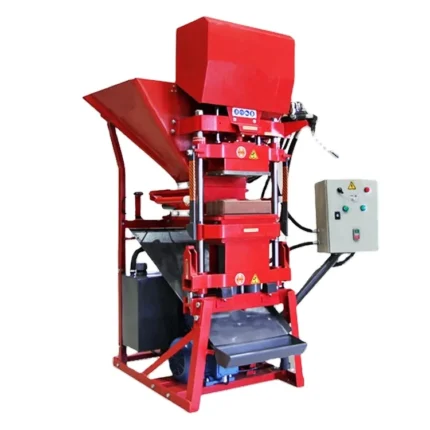
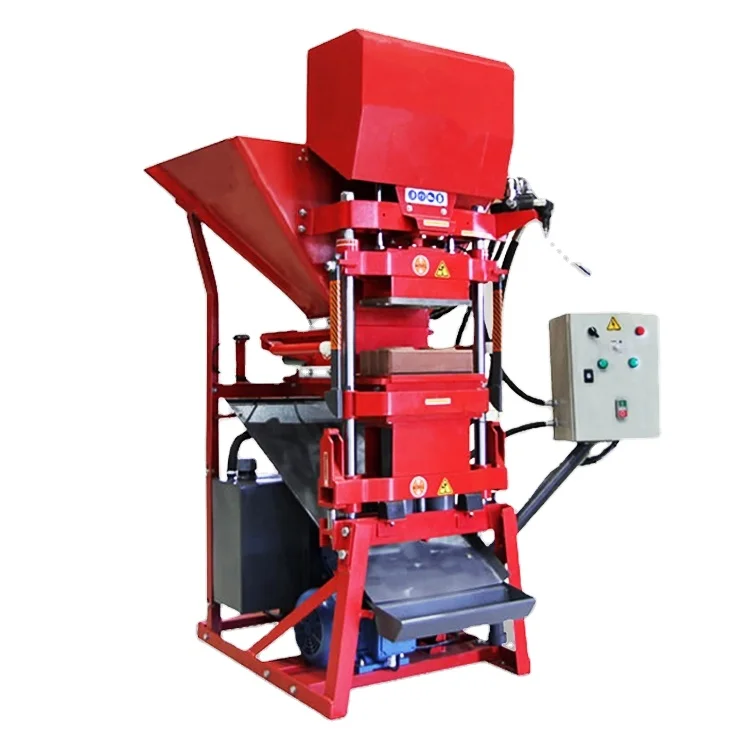
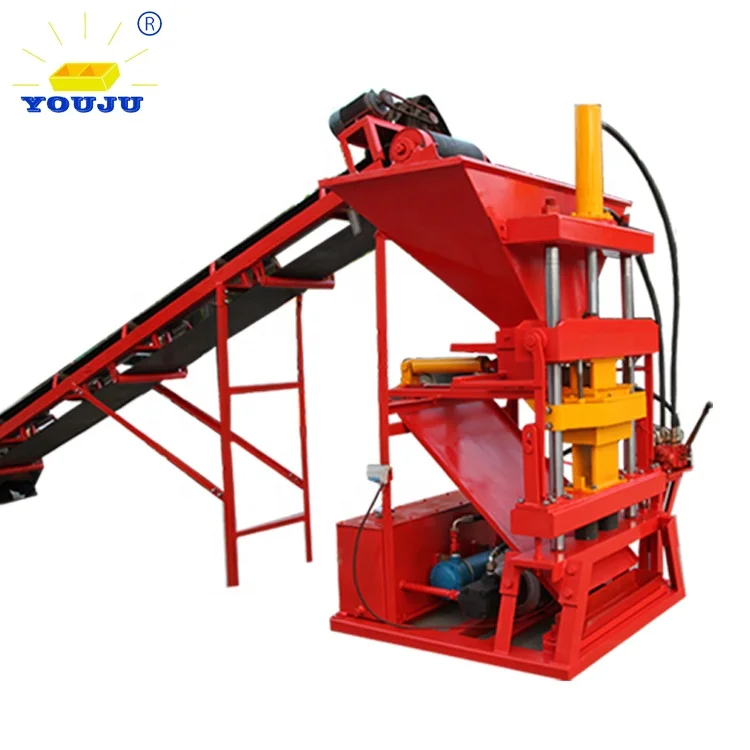
Control-First Brick Pressing — the LY5-10 hydraulic interlocking clay brick making machine is specified around the buyer’s actual clay plasticity index and target interlocking profile, not a generic catalogue default.
Technical Specifications
| Parameter | Value |
|---|---|
| Model | LY5-10 |
| Product Type | Hydraulic Interlocking Clay Brick Making Machine |
| Control System | PLC controlled |
| Overall Dimensions (L×W×H) | 2260×1500×2380 mm |
| Net Weight | 2200 kg |
| Rated Power | 15 kW |
| Molding Cycle | 10 s |
| Output Capacity | 14,400 pcs/day (basis not stated in source — confirm block format / material / thickness) |
| Hydraulic System | Hydraulic pressure for brick density and strength (pressure rating not stated in source) |
| Raw Material | Clay, soil, cement, or other construction dregs |
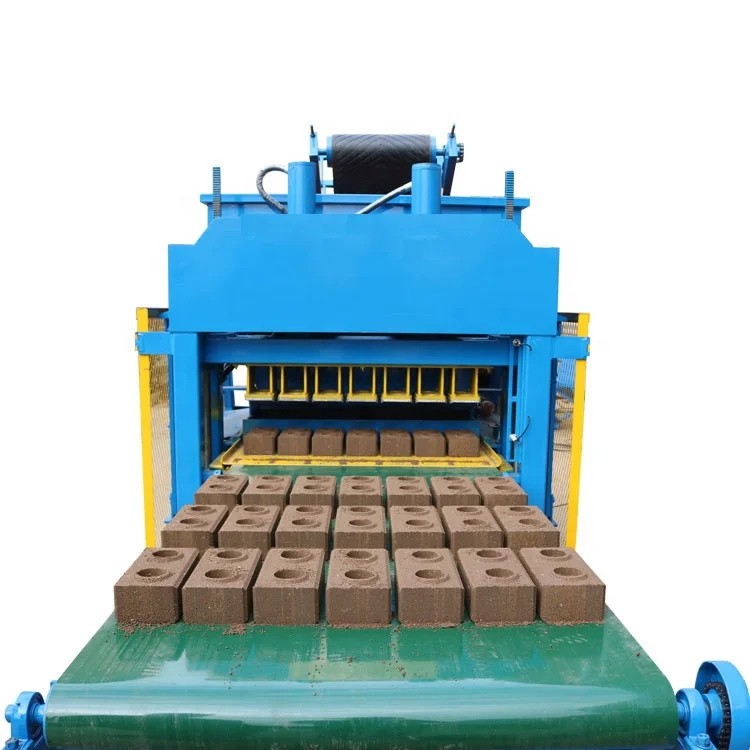
| Mould Format | Interlocking brick (adjustable brick height via screws; mould changeable per customer requirements) |
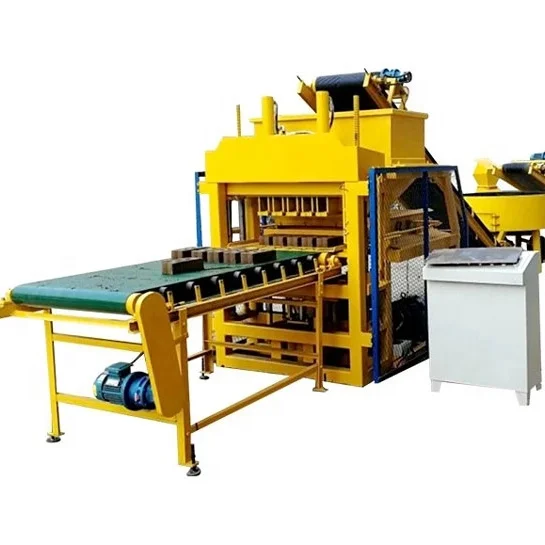
| Related Equipment | JQ500 Concrete Mixer, 6M Conveyor Belt, Soil Crusher, Soil Screening Machine, 4M Belt Conveyor, Output Conveyor |
| Automation Level | Automatic (PLC, operable by one person) |
| Assembly State | Requires on-site assembly (main circuit to electric box, connect crusher, screen, mixer, conveyor to control box) |
| Hydraulic Oil Requirement | 70L anti-wear hydraulic oil |
| Gearbox Oil Requirement | 15 kg oil for mixer gearbox |
Application Suitability
| Application | Material or Output |
|---|---|
| Small to medium interlocking brick plants | Locally sourced clay and soil blended with cement |
| On-site production for housing and development projects | Excavated site soil processed through soil crusher and screening machine |
| Building material distributors adding interlocking formats | Clay-based mixes with adjustable cement ratio for regional strength requirements |
| First-time brick plant entrepreneurs | Low-labour setup with PLC-controlled single-operator operation |
Why the PLC Language Question Must Come Before the Proforma
Confirming the HMI display language and control voltage before the machine leaves the factory is the single step that prevents commissioning from stalling on day one.
When an automatic interlocking clay brick making machine PLC controlled arrives at a job site in a region where the default display language does not match the operator’s working language, the entire training window shifts from parameter tuning to basic translation. I have watched installers spend the first two days of a scheduled five-day commissioning just mapping HMI screens to a language the local crew can read. Voltage mismatches are worse — a control cabinet wired for a frequency the local grid cannot supply will refuse to start at all, and the replacement transformer alone can add weeks [NEED_CITE: voltage and frequency standards by export market]. Neither problem reflects a machine defect; both reflect a conversation that did not happen early enough.
What the PLC Actually Removes from the Operator
On a manual interlocking press, the operator decides when to feed material, when to apply pressure, and when to release the mould. Every decision introduces variation. The PLC-controlled cycle on the LY5-10 replaces those decisions with a timed sequence — hydraulic pressure, vibration duration, mould release — repeated identically across every stroke. For interlocking clay brick, where a depth difference of a few millimetres between the tongue and groove makes the brick unusable on a wall, that repeatability is the entire value proposition of choosing an automatic interlocking clay brick making machine PLC controlled over a hand-fed alternative.
Where Automation Ends and Mix Design Begins
Automation controls the press, not the material feeding it. I once stood next to a freshly commissioned interlocking clay brick line in Eastern Europe where the bricks left the mould perfectly for the first two hours, then began slumping at the edges. The PLC was doing exactly what it was told. The problem was that the clay batch had a plasticity index noticeably different from the sample used during factory testing, and the vibration frequency needed adjustment to compensate. A programmable press lets you store multiple parameter profiles — one for dry summer clay, another for wetter winter material — so the operator selects the correct recipe rather than guessing at hydraulic pressure mid-shift [NEED_CITE: clay plasticity testing methods for brick production].
Reading the Specification Sheet Against Real Production
The 15 kW rated power covers the hydraulic pump, vibration motor, and conveyor drives simultaneously, which is adequate for a single-press line of this size but leaves limited headroom for adding extra conveyors later. The 10-second molding cycle governs the theoretical stroke rate; actual daily throughput depends on how quickly the upstream mixer and soil crusher can deliver prepared material to the hopper, and how fast the operator or pallet system clears finished bricks from the output side. The 70-litre anti-wear hydraulic oil reservoir is sized for continuous operation at the stated pressure, but in high-ambient-temperature environments an oil cooler becomes necessary to prevent viscosity breakdown. The adjustable brick height via screw mechanism means a single mould can produce interlocking bricks of different thicknesses, reducing the number of mould sets a buyer needs to stock initially.
The Hidden Cost of Skipping the Control Confirmation Step
When the PLC display language, alarm codes, and parameter labels arrive in a language the site electrician cannot read, every fault becomes a phone call. A simple proximity sensor failure that should take ten minutes to diagnose turns into a half-day exercise in translation, and the line sits idle the entire time. Hydraulic schematics that do not match the actual valve layout inside the cabinet compound the problem — the maintenance team traces the wrong circuit, replaces the wrong component, and orders a spare part they did not need [NEED_CITE: hydraulic schematic accuracy requirements for field service]. These delays rarely appear in any quotation because they are not equipment failures; they are documentation failures, and they only surface after the machine has been installed.
What Buying This Line Actually Gets You
Block machinery is our single focus, which means the LY5-10 press, its interlocking mould, the JQ500 mixer, soil crusher, screening machine, and conveyors are specified as one matched system rather than assembled from unrelated suppliers. The configuration is set against the clay sample you send us — plasticity index, moisture range, and cement ratio — so the hydraulic pressure and vibration profile match your material, not a catalogue default. Mould design covers the interlocking profile your local market sells, including custom drawings when your format falls outside the standard range. The automation level is selectable: a buyer can start with PLC-controlled single-operator pressing and add automatic pallet feeding or stacking later as production volume justifies the investment. Commissioning includes operator training on parameter selection, mould change procedure, and daily maintenance checkpoints specific to the equipment delivered.
Documentation & Verification
- Line layout drawing showing crusher, screen, mixer, and conveyor positions relative to the LY5-10 press footprint
- Capacity calculation document stating the interlocking brick format and dimensions assumed for output figures
- Hydraulic and electrical schematic matching the actual valve and wiring configuration inside the cabinet
- PLC display language and voltage confirmation record signed before production begins
- Factory test record on your clay sample with molding cycle time and brick density results
- Mould drawing confirming the interlocking tongue-and-groove profile matches your market requirement
Installation, Commissioning & Support
- On-site assembly required: main circuit connected to the electric box, crusher, screen, mixer, and conveyor wired to the PLC control cabinet
- Foundation must be level and cured before the 2260×1500×2380 mm press is positioned, with anchor bolt locations confirmed from the layout drawing
- Dedicated power circuit sized for the 15 kW rated load plus start-up current, with voltage and frequency verified against the confirmed configuration
- 70 litres of anti-wear hydraulic oil and 15 kg of gearbox oil filled before first start-up; oil grade confirmed for local ambient temperature range
- Commissioning includes parameter tuning for your specific clay plasticity index and interlocking brick height setting
- Operator training covers PLC screen navigation, mould height adjustment via screws, and daily hydraulic oil level inspection
What We Need to Quote the Right Configuration
To size this automatic interlocking clay brick making machine PLC controlled correctly, send us a representative clay sample with moisture content noted, the interlocking brick profile drawing or photograph your market demands, and your site’s available voltage and frequency. Include the daily output target and the number of operating hours you plan, so we can calculate whether the 10-second molding cycle with your upstream equipment meets that volume. If you already own a mixer or conveyors, share their specifications so we can confirm compatibility or adjust the line layout.
Frequently Asked Questions
Q: How is the 14,400 pcs/day output calculated — which interlocking brick format and dimensions does it assume?
A: The published daily figure is based on a specific brick size and molding cycle that was not stated in the source documentation we received. Before confirming the order, we provide a capacity calculation that names the exact interlocking brick dimensions, wall thickness, and material mix assumed, so you can compare that output against your own production target rather than relying on a number that may not reflect your format.
Q: What PLC language options are available, and can the HMI display be set to the operator’s local language?
A: The PLC supports multiple display languages, and the correct one must be confirmed before the control cabinet is wired. We record the chosen language on a signed confirmation sheet alongside voltage and frequency details. Changing the language after the machine has shipped requires a PLC program reload on site, which is possible but adds unnecessary commissioning time.
Q: How does the mould change system work on the LY5-10, and what is the realistic changeover time between formats?
A: The interlocking mould is secured to the press platen with bolted clamps, and brick height is adjusted via screw mechanisms rather than requiring a full mould swap for thickness changes. Switching to a completely different interlocking profile involves removing the current mould set and installing the new one. Realistic changeover time depends on operator familiarity and whether the new mould is pre-assembled; we provide a step-by-step procedure during commissioning.
Q: Can I start with semi-automatic operation and upgrade the stacking or pallet handling to full automatic later?
A: The LY5-10 press itself is PLC-controlled and operates automatically. Upstream and downstream automation — pallet feeding, stacking, and cubing — can be added as separate modules when production volume justifies the investment. We design the line layout from the beginning with upgrade space reserved, so adding those stations later does not require relocating the press or rewiring the main control cabinet.
Q: What voltage and frequency configurations are supported, and is the control system compatible with my site’s power supply?
A: The electrical system is built to the voltage and frequency you confirm before production. Common configurations include 380V/50Hz, 440V/60Hz, and other regional standards. We document the confirmed electrical specification on the quotation and re-verify it against the control cabinet before dispatch [NEED_CITE: regional voltage and frequency standards for industrial machinery]. Mismatches discovered after arrival require transformer replacement and delay commissioning.