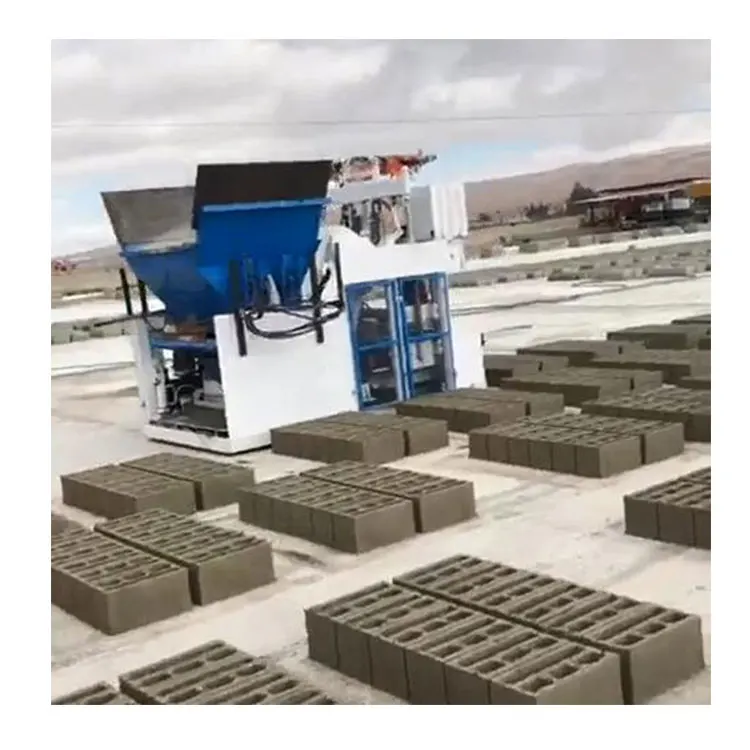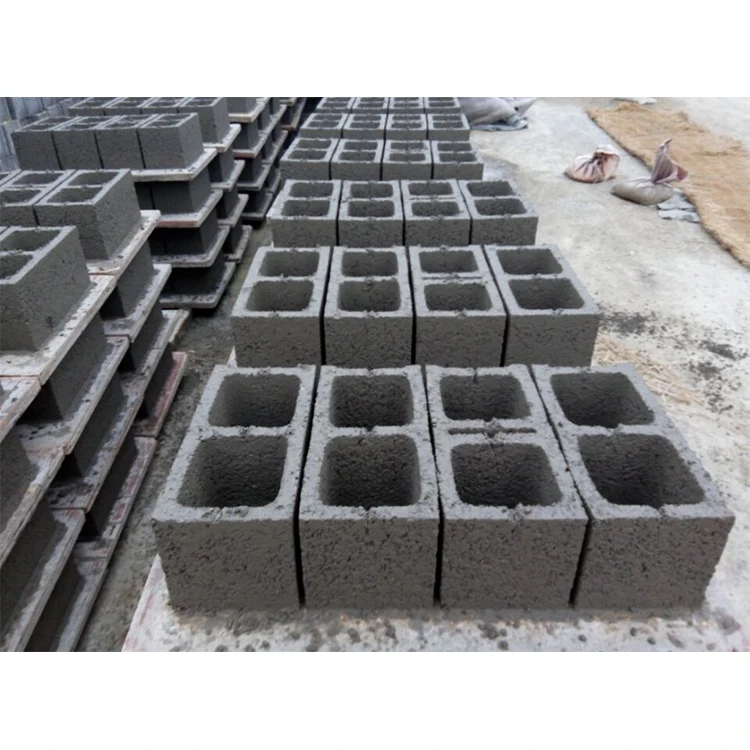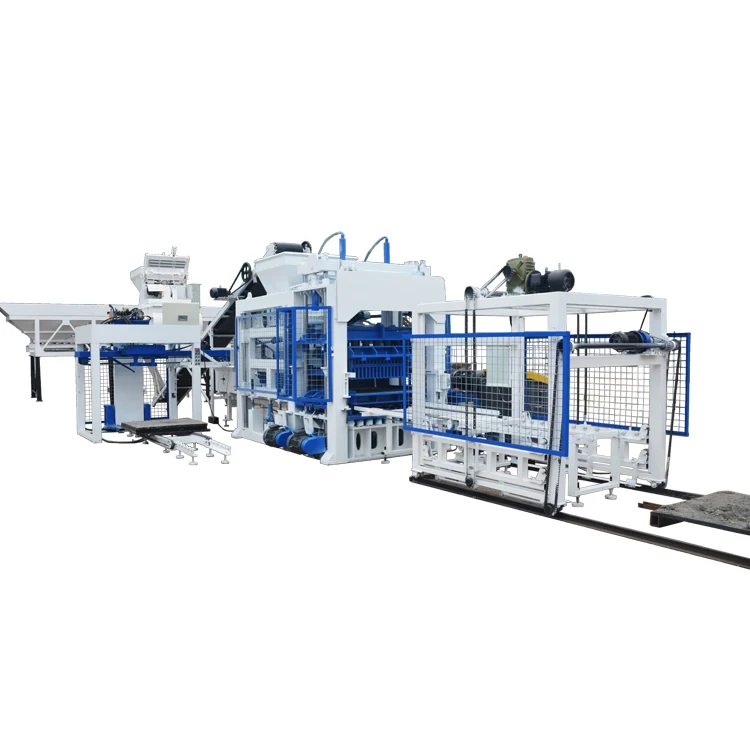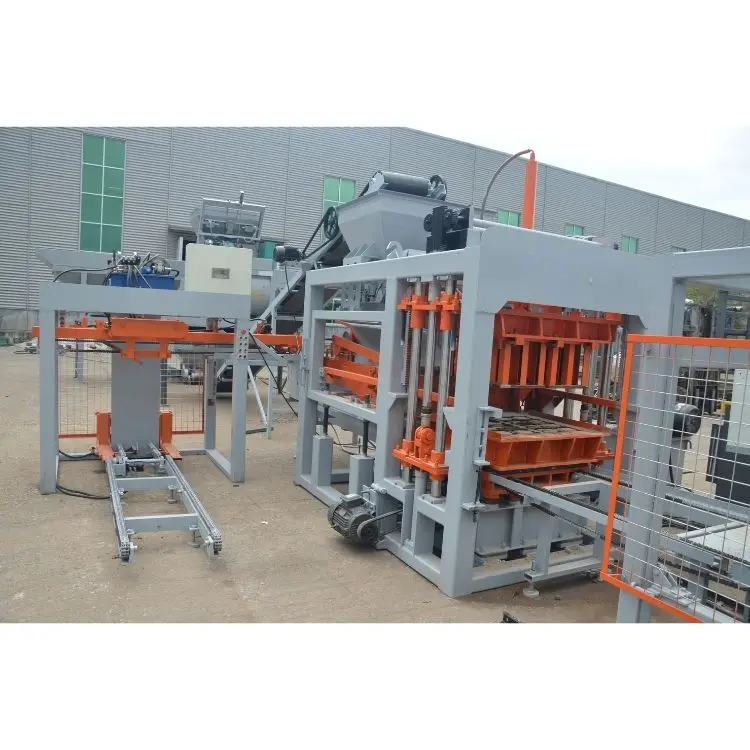


Description
Selectable Automation Tiers — the LY2-10 offers semi-automatic or automatic PLC-controlled configurations, allowing plant owners to remove manual pallet handling and improve batch-to-batch consistency as production volume grows.
Technical Specifications
| Parameter | Value |
|---|---|
| Model | LY2-10 |
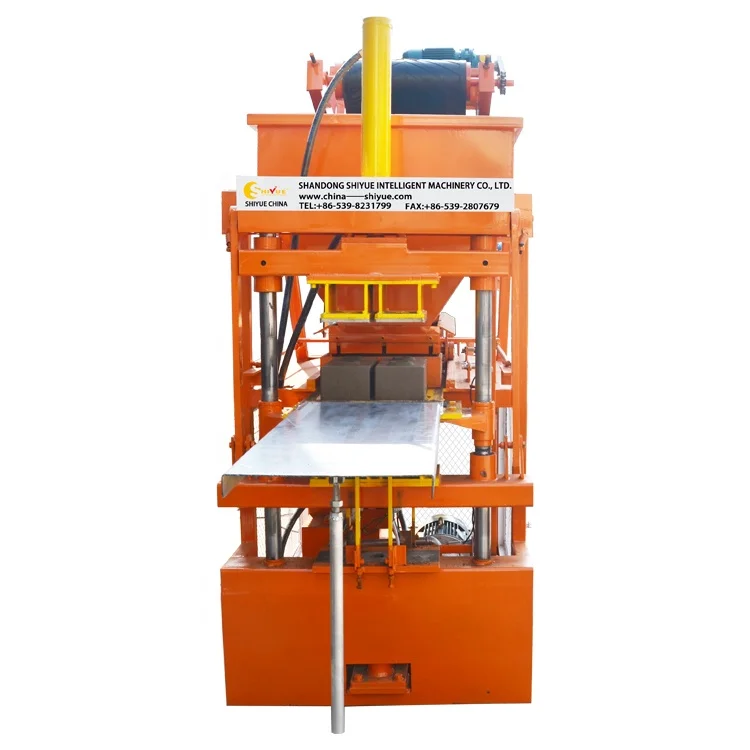
| Product Type | Automatic Interlocking Clay Brick Making Machine |
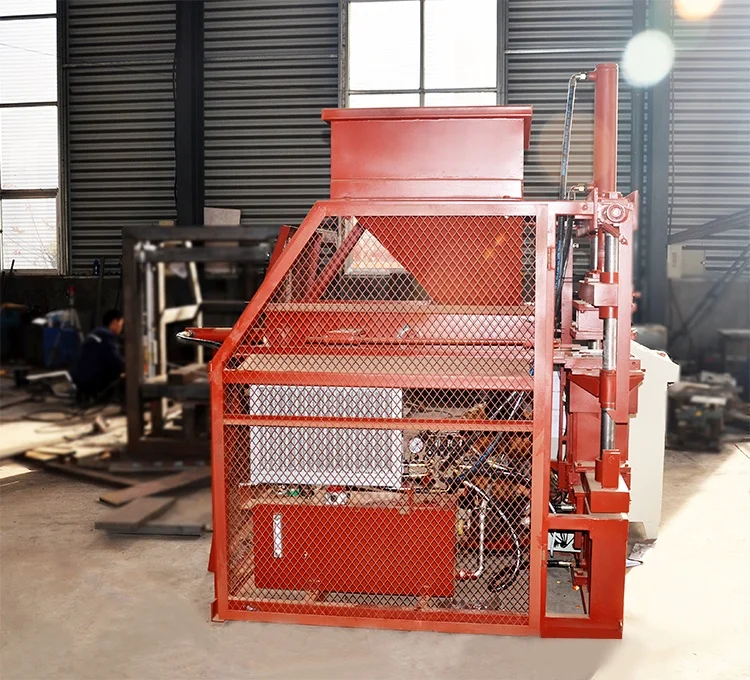
| Overall Dimensions (L×W×H) | 1300×1800×2400 mm |
| Net Weight | 1200 kg |
| Power Source | Electric motor or Diesel engine |
| Rated Power | 7.5 kW or 12 HP |
| Rated Hydraulic Pressure | 16 MPa |
| Cycle Time | 10 s per press |
| Output Capacity | 5760 pcs/day (8h) (basis not stated in source — confirm block format / material / thickness) |
| Mould Format | 300×150×100 mm interlock (2 pcs/mold); 250×125×60 mm interlock (2 pcs/mold) |
| Pallet Requirement | No pallets required |
| Automation Level | Semi-automatic or Automatic (configurable per buyer request) |
| Voltage & Frequency | 380 V, 3-phase, 50 Hz default; customizable to buyer’s local voltage |
| Motor Brand Option | Chinese Siemens brand |
| Raw Material Compatibility | Clay + Cement (6–8% cement, 80–90% clay, ~3% water); Full Clay (97% clay, ~3% water) |
| Warranty | 1 year (excluding wearing parts) |
Application Suitability
| Application | Material or Output |
|---|---|
| On-site housing projects | Interlocking clay bricks using locally available clay with or without cement stabilization |
| Small plant production | Interlock formats (300×150×100 mm and 250×125×60 mm) without pallet infrastructure |
| Building contractors | Pavers and structural bricks from clay-cement mixes (6–8% cement content) |
What "10 Seconds per Cycle" Actually Means for Your Daily Output
Cycle time only translates to daily capacity when the block format, mix design, and material handling are synchronized.
I have seen buyers assume that a 10-second cycle automatically delivers 5760 bricks per 8-hour shift, only to find that their local clay requires longer compression or that manual pallet handling creates bottlenecks between presses. The LY2-10 automatic interlocking clay brick machine PLC controlled system can maintain consistent cycle timing, but only if the vibration force and hydraulic pressure are matched to your specific clay source and cement ratio [NEED_CITE: hydraulic pressure requirements for clay-cement interlock bricks]. When the mix design demands higher moisture or the aggregate contains excess fines, the actual cycle stretches beyond the catalogue figure, and daily output falls accordingly.
Removing the Operator from the Compression Cycle
The shift from semi-automatic to full PLC control eliminates the manual decisions that cause batch-to-batch variation. An operator timing the press by eye will inevitably compress some bricks longer than others, creating density differences that show up as strength inconsistency during curing. The automatic interlocking clay brick machine PLC controlled configuration standardizes the compression duration and hydraulic pressure application, so every brick in a production run receives identical treatment regardless of shift changes or operator fatigue.
Pallet-Free Operation and Curing Area Logistics
Interlock brick production traditionally requires pallets to transport wet bricks from the press to the curing area, adding material cost and handling complexity. The LY2-10 produces bricks that stack directly on the ground or on simple curing racks, removing the need for pallet inventory management and the forklift traffic that pallet-based systems demand [NEED_CITE: pallet-free interlock brick curing methods]. This configuration suits contractors producing on-site where curing space is limited and pallet storage infrastructure does not exist.
Hydraulic Pressure and Clay Density Requirements
The 16 MPa rated hydraulic pressure addresses the compression force needed to achieve structural density in clay and clay-cement mixes. Lower pressure ratings produce bricks that crumble during handling or fail compressive strength tests after curing. The LY2-10’s pressure rating is specified against interlock brick density requirements, but the actual pressure applied during production must be tuned to your clay’s plasticity and cement content. A mix with 97% clay and 3% water responds differently to compression than a stabilized mix with 8% cement, requiring pressure adjustment to avoid cracking or insufficient bonding.
The Hidden Cost of Voltage Mismatch After Arrival
Machines configured for 380V 50Hz arrive in markets running 440V 60Hz and sit idle while transformers are sourced or motors are rewound. I have seen commissioning delays stretch into weeks because the voltage and frequency were assumed rather than confirmed during ordering [NEED_CITE: voltage and frequency standards by export market]. The LY2-10’s electrical system can be customized to local specifications, but this requires the buyer to provide exact voltage, phase configuration, and frequency before production begins. PLC display language is another detail that delays startup when operators cannot read the interface during troubleshooting.
Why Procurement Decisions Should Focus on System Integration
Block machinery specified as one matched system — the LY2-10’s press, mould, and automation level are configured together rather than assembled from separate suppliers, so cycle times and material handling align from the start.
Configuration set against actual mix design — the hydraulic pressure and compression parameters are tuned to your local clay source and cement availability, not applied from a catalogue default that assumes standard aggregate.
Automation level selectable with upgrade path — buyers can start with semi-automatic operation and transition to full PLC control as production volume justifies the investment, without replacing the entire press.
Mould design for formats your market sells — the 300×150×100 mm and 250×125×60 mm interlock formats are available, with custom mould design possible if your regional market demands different dimensions.
Installation and commissioning support — the machine arrives with operator training on the specific automation level chosen, so your team can manage PLC parameters and hydraulic adjustments from the first production run.
Documentation & Verification
- Machine specification sheet stating which block format the 5760 pcs/day capacity assumes
- Mould drawing and format list for the 300×150×100 mm and 250×125×60 mm interlock configurations
- Voltage and control language confirmation document signed before production release
- Hydraulic and electrical schematic for local maintenance and troubleshooting
- Factory test record on your specified clay-cement mix ratio before dispatch
- Operation and maintenance manual covering PLC parameter adjustment and hydraulic system service
Installation, Commissioning & Support
- Foundation requirements based on the 1300×1800×2400 mm footprint and 1200 kg operating weight
- Dedicated 3-phase electrical circuit sized for the 7.5 kW motor load and startup surge
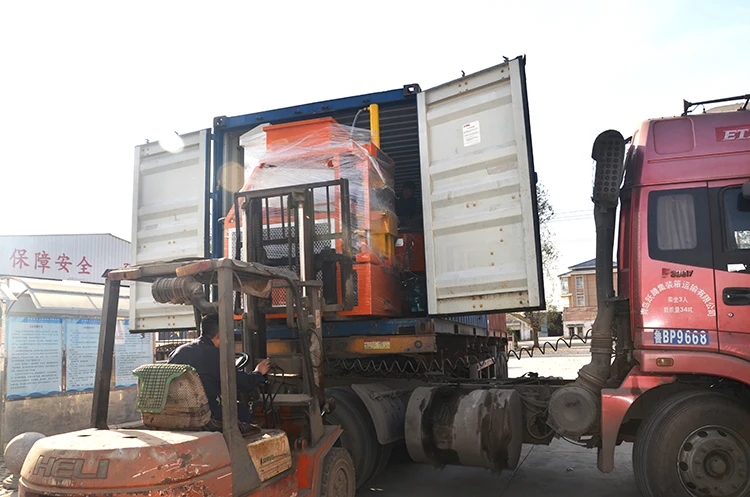
- Assembly state confirmation and on-site reassembly if the machine ships partially dismantled
- First-run parameter tuning on your local clay source to establish baseline compression settings
- Operator training on PLC interface navigation and hydraulic pressure adjustment procedures
- Wear parts list identifying hydraulic seals and mould components requiring scheduled replacement
- Daily maintenance checklist covering hydraulic fluid levels and vibration mechanism inspection
What Information Speeds Up the Configuration Process
Provide your target interlock brick format and the daily output you need to meet project deadlines. Share your local clay characteristics including moisture content and whether cement stabilization is available or if you plan to run full clay. Confirm your site’s voltage, frequency, and the language your operators need on the PLC display so the automatic interlocking clay brick machine PLC controlled system arrives ready for commissioning.
Frequently Asked Questions
Q: How is output capacity verified per block format, and what mix design is assumed?
A: The 5760 pcs/day figure requires confirmation of which block format and material composition it assumes. We provide a capacity calculation document stating the specific format (300×150×100 mm or 250×125×60 mm), the clay-cement ratio, and the cycle time per format so you can verify daily output against your production targets.
Q: What automation level options are available, and can the machine be upgraded from semi-automatic later?
A: The LY2-10 is available in semi-automatic or automatic PLC-controlled configurations. Buyers can start semi-automatic and upgrade to full automation later, with the control system and hydraulic components designed to support the transition without replacing the press.
Q: How is voltage, frequency and PLC display language confirmed for the target market?
A: We require exact voltage, phase configuration, frequency, and preferred PLC display language before production begins. This information is documented and confirmed in writing to prevent commissioning delays when the machine arrives at your site.
Q: What clay and cement ratios are compatible, and can the machine be adjusted for local aggregate?
A: The machine handles clay-cement mixes (6–8% cement, 80–90% clay, ~3% water) and full clay (97% clay, ~3% water). Hydraulic pressure and compression parameters are tuned to your specific clay source and aggregate characteristics during commissioning.
Q: What spare parts and hydraulic wear items are included, and what is the replacement schedule?
A: The shipment includes a wear parts list identifying hydraulic seals, mould components, and vibration mechanism parts that require scheduled replacement. The operation manual provides replacement intervals based on production volume and material abrasiveness.