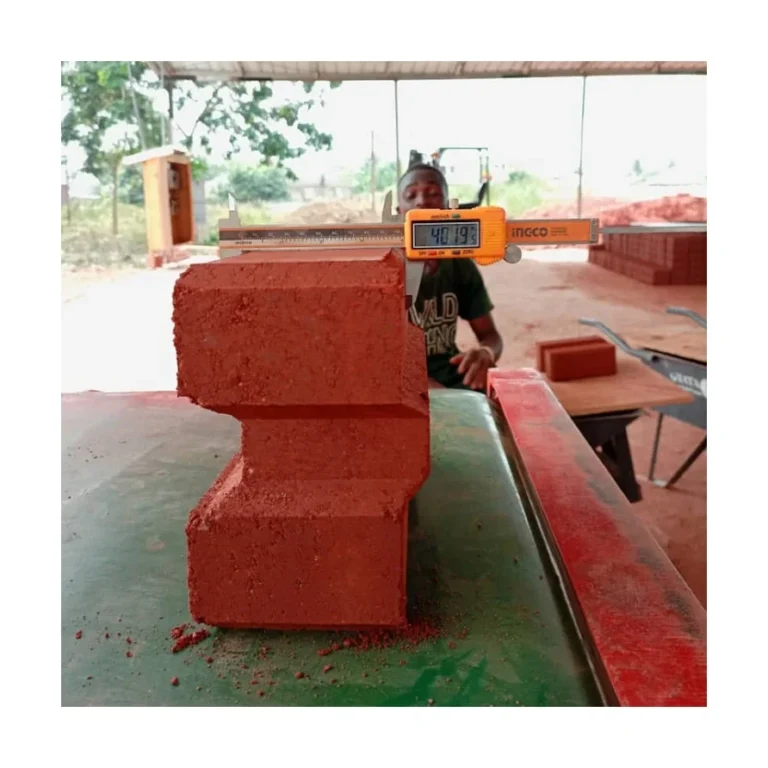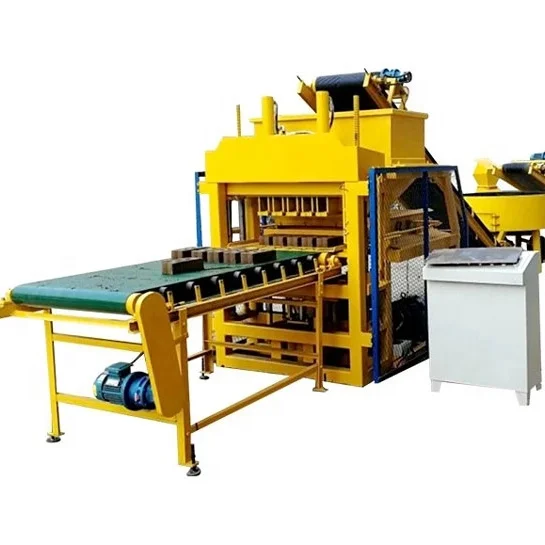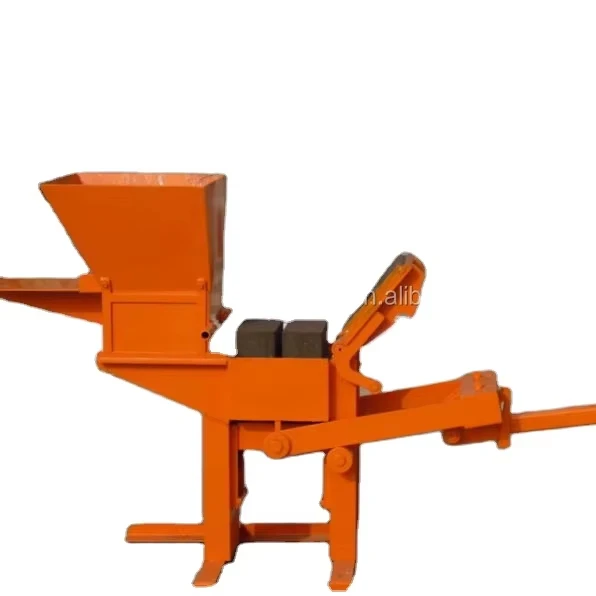
Description
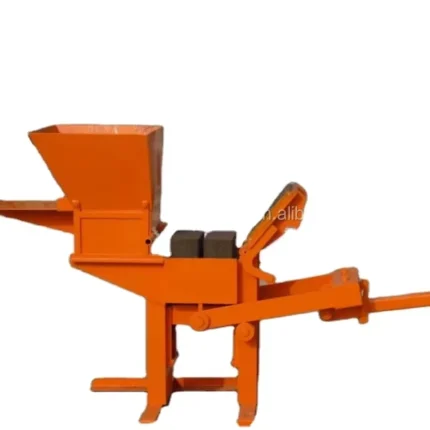
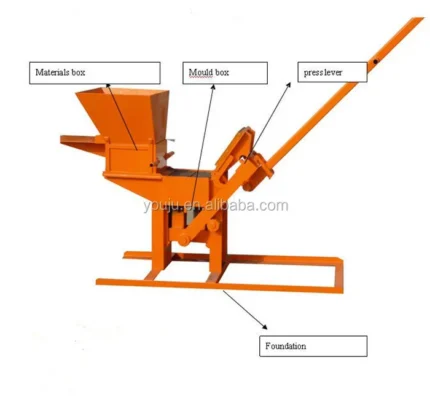
Zero-power design matched to upgrade path — the LY2-40 manual clay interlocking brick machine is specified as a starting point on an automation ladder, not an isolated press.
Technical Specifications
| Parameter | Value |
|---|---|
| Model | LY2-40 |
| Product Type | Manual Clay Interlocking Brick Making Machine |
| Overall Dimensions (L×W×H) | 1600 x 700 x 1200 mm |
| Net Weight | 200–240 kgs |
| Rated Power | No Power. Completely Manual |
| Mould Format | Changeable moulds for various interlocking brick formats (basis to be confirmed) |
| Output Capacity | 400–1000 pcs/day (basis not stated in source — confirm block format / material / thickness) |
| Cycle Time | 30–40s |
| Automation Level | Completely manual, no power required |
| Lifting System | Manual |
| Mobility | Steel wheels for on-site relocation |
| Basic Equipment Included | JFA-1 Mixer or JQ350 Mixer |
| Warranty | 1 Year |
Application Suitability
| Application | Material or Output |
|---|---|
| Off-grid interlocking clay brick production | Locally available clay mixed with cement, no grid or generator required |
| Small-scale on-site brick production for housing | Soil-cement interlocking bricks produced directly at the development site |
| Entrepreneur-level first brick plant | Minimal capital investment with soil-cement mix using local clay |
| Project contractor producing blocks locally | Interlocking bricks for walls and structures without fixed plant infrastructure |
Why the Upgrade Question Must Come Before the Mould Question
A manual press that cannot scale becomes a stranded asset the moment your daily order volume exceeds hand-stacking capacity.
Many buyers focus entirely on which interlocking brick format the mould produces and only discover, months later, that moving to semi-automatic pallet feeding or PLC-controlled batching requires replacing the entire press. The cost of a new machine, new moulds and new operator training wipes out whatever capital advantage the manual starting point offered. When evaluating an automatic manual clay interlocking brick machine PLC controlled upgrade path, the conversation must cover the physical and control interfaces that future stations will plug into [NEED_CITE: automation integration standards for block production lines].
Designing the Manual Start Around a Future PLC Layer
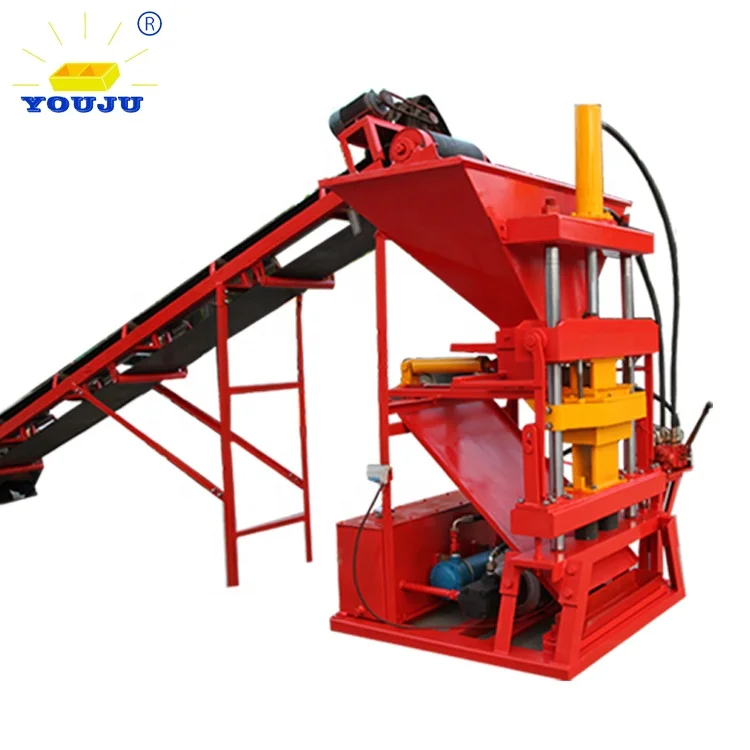
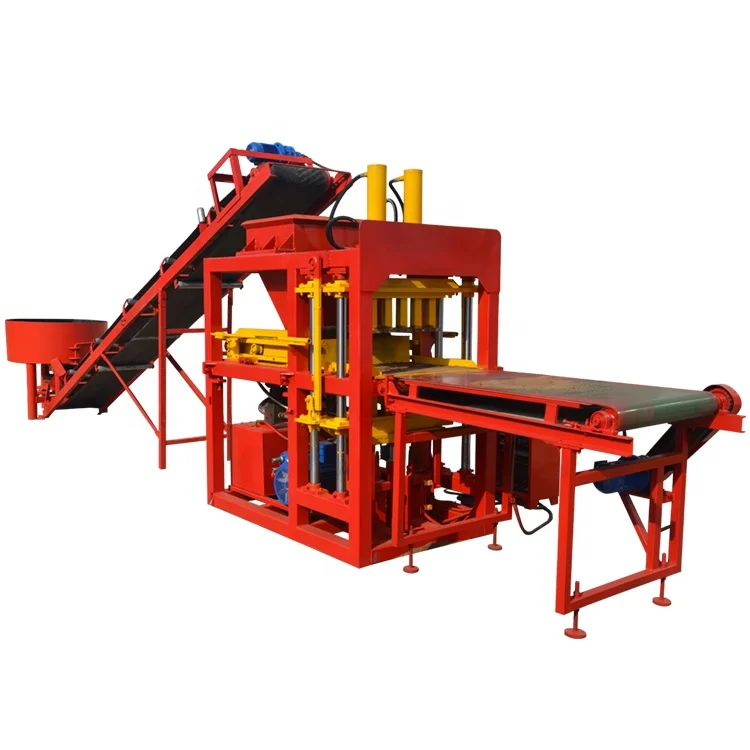
The LY2-40 operates with zero electrical dependency, which is exactly what off-grid sites and early-stage projects need. Yet the frame geometry, mould mounting pattern and press stroke are specified so that a future hydraulic power pack, PLC panel and automatic pallet feeder can be added without replacing the core structure. This is what separates an automatic manual clay interlocking brick machine PLC controlled upgrade path from simply buying a new machine later.
Where the Mixer Fits in the Automation Ladder
The included JFA-1 or JQ350 mixer is matched to the manual press cycle, delivering enough soil-cement mix to keep one operator loading without material waiting. When the line later adds automatic batching, the same mixer footprint is retained while a PLC-controlled weigh batcher takes over proportioning. Consistency in mix moisture and cement ratio is what ultimately determines whether the interlocking bricks meet compressive strength targets across every batch [NEED_CITE: soil-cement mix proportioning for interlocking brick compressive strength].
Reading the Specs That Shape Daily Output
The 1600 x 700 x 1200 mm frame footprint determines how much floor area the press occupies and whether it can be repositioned inside a confined site compound using the built-in steel wheels. A 30–40 second cycle time sets the rhythm for a single operator loading mix, pressing and demoulding; that rhythm, combined with the changeable mould system, defines which interlocking brick formats are realistic for a given workday. The 200–240 kgs net weight is low enough for two workers to maneuver yet heavy enough to resist shifting during the manual press stroke, which directly affects brick edge consistency and interlocking fit.
The Hidden Cost of Ignoring the Mould Change Reality
Buyers who select a machine based on format flexibility often find that a mould swap consumes most of a shift, effectively cancelling the versatility they paid for. On a completely manual press with no quick-release clamps or hydraulic ejectors, every bolt and alignment pin must be set by hand, and the operator must verify that the new mould seats flush before resuming production. If the quoted mould list includes six formats but a changeover demands extensive dismantling, the realistic production day will feature only one or two formats [NEED_CITE: mould changeover time impact on block plant daily output].
Why Sourcing Here Changes the Conversation
Block machinery is our single focus, so the LY2-40 manual press, its changeable moulds, the included mixer and any future automation stations are specified as one matched system rather than assembled from separate suppliers. We configure the machine against the buyer’s actual soil-cement mix design and local clay properties, not a catalogue default. Mould design covers the interlocking formats the buyer’s market actually sells, with custom drawings available. The automation level is selectable — a buyer can start fully manual and upgrade to semi-automatic or PLC-controlled operation on the same frame. Installation and commissioning support includes operator training specific to the soil-cement ratios and interlocking brick formats the site will produce.
Documentation & Verification
- Machine specification sheet stating the interlocking brick format assumed in the capacity calculation
- Mould drawing and format list confirming which interlocking profiles are included
- Factory test record showing actual cycle times against the buyer’s confirmed mix design
- Voltage and control language confirmation sheet for any future PLC or batching upgrade
- Operation and maintenance manual covering manual press stroke adjustment and mould care
Installation, Commissioning & Support
- Level ground preparation within the 1600 x 700 mm footprint, no fixed foundation required due to steel-wheel mobility
- Zero electrical connection for the LY2-40 manual press; dedicated circuit planning reserved for future mixer or PLC upgrade
- Machine arrives assembled with changeable moulds; on-site commissioning verifies press stroke and mould alignment
- Operator training covers soil-cement loading rhythm matched to the 30–40 second cycle time
- Wear parts list provided for manual press bearings, mould faces and mixer blades
What to Include in Your First Inquiry
To move from general interest to a configuration proposal, share the specific interlocking brick format your market demands, the daily output target stated per that format, and a sample of the local clay so we can confirm soil-cement mix compatibility. If you anticipate upgrading to semi-automatic or PLC-controlled operation within a defined timeframe, state the intended automation scope and your site’s voltage and frequency so the upgrade path can be engineered into the initial LY2-40 specification.
Frequently Asked Questions
Q: How do I verify the 400–1000 pcs/day capacity against my specific interlocking brick format?
A: Request a factory test record that states cycle time and daily output for the exact interlocking brick format and soil-cement mix you intend to produce. Capacity varies with mould size, mix moisture, operator rhythm and curing method, so a generic range is only useful as a starting point.
Q: What automation upgrade path exists from this manual press to PLC-controlled operation?
A: The LY2-40 frame accommodates a future hydraulic power pack, PLC panel and automatic pallet feeder without requiring a full machine replacement. Specify your intended upgrade scope and site voltage at the inquiry stage so control interfaces are engineered into the initial build.
Q: Which mould formats are available and how long does a changeover take on-site?
A: Changeable moulds cover various interlocking brick profiles, but exact formats must be confirmed before order. On a fully manual press, changeover involves hand-setting bolts and alignment pins; request the mould drawing and format list to plan realistic production scheduling.
Q: How should I match the included JFA-1 or JQ350 mixer to my local soil-cement mix?
A: Provide a sample of your local clay and target cement ratio so we can confirm which mixer model delivers adequate batch volume and mixing consistency for the LY2-40 manual press cycle. Local aggregate characteristics directly affect interlocking brick strength.
Q: What documentation is provided before shipment to verify the machine matches my order?
A: Before dispatch, you receive a machine specification sheet, mould drawing with format list, factory test record run against your confirmed mix design, and an operation manual covering press stroke adjustment and mould maintenance procedures.