

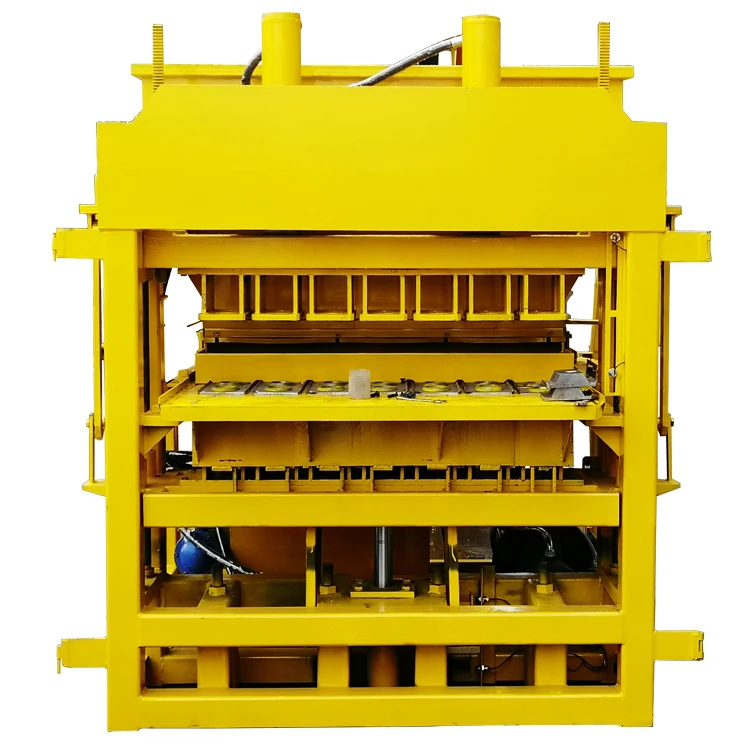
Description
Control Language Verification — Every PLC display and alarm string is checked against the operator’s native language before dispatch, preventing the commissioning delays that happen when a machine arrives with the wrong interface.
Technical Specifications
| Parameter | Value |
|---|---|
| Model | LY7-10 |
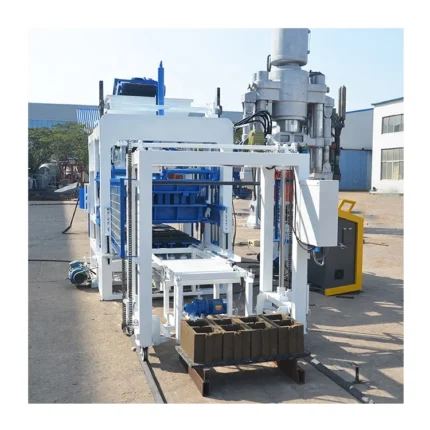
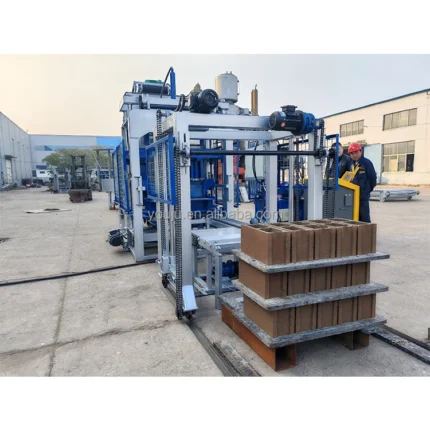
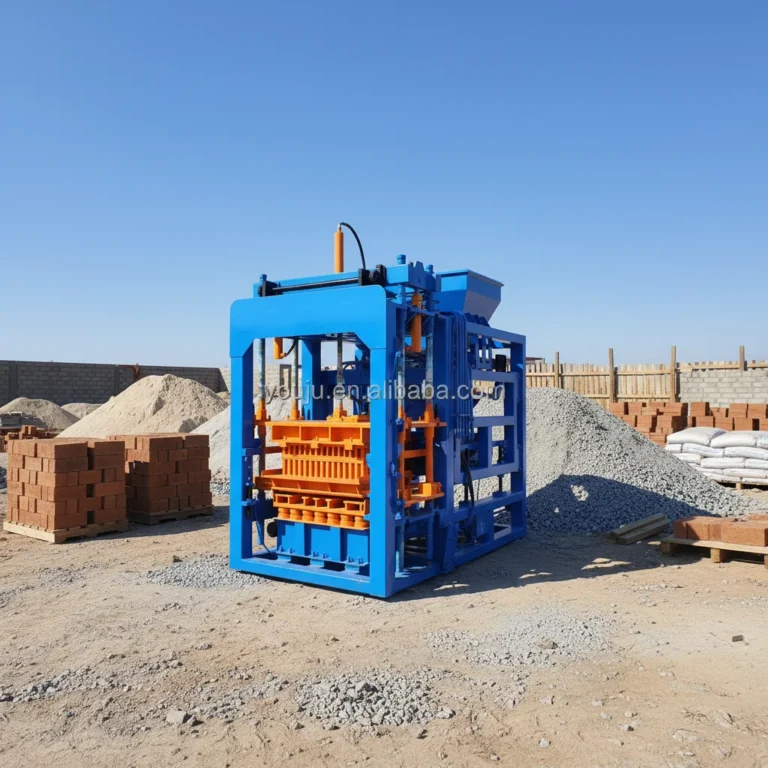
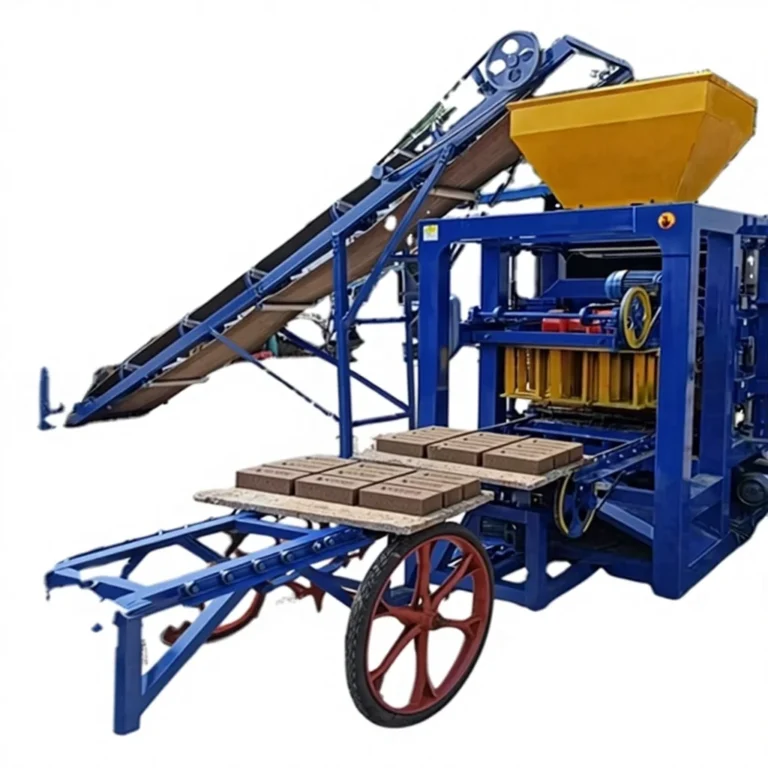
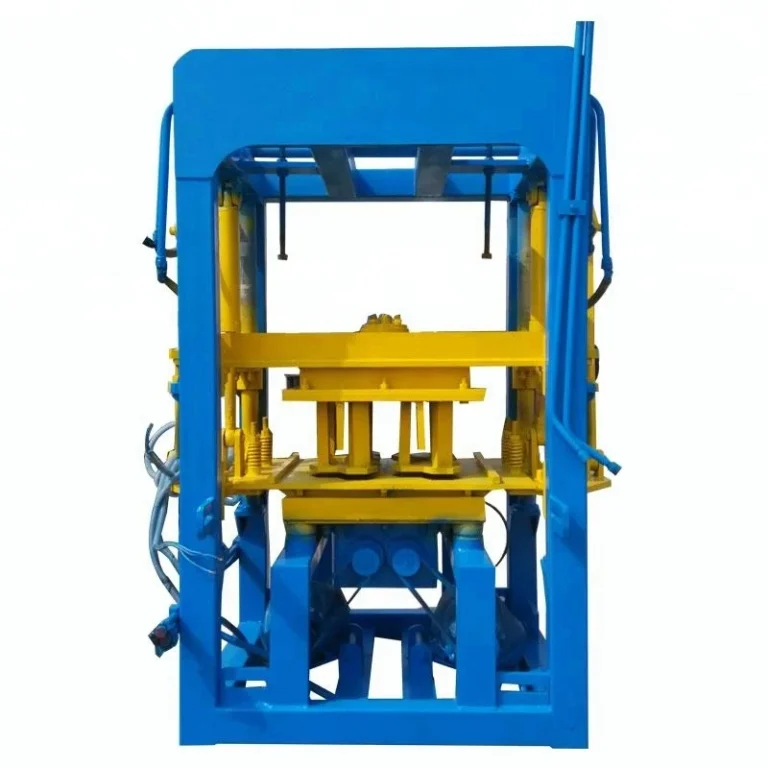
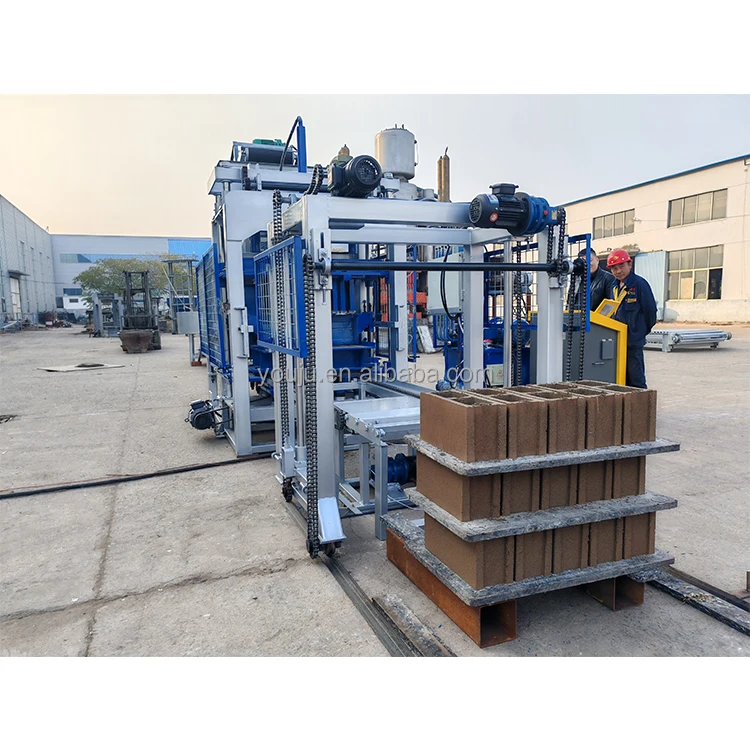
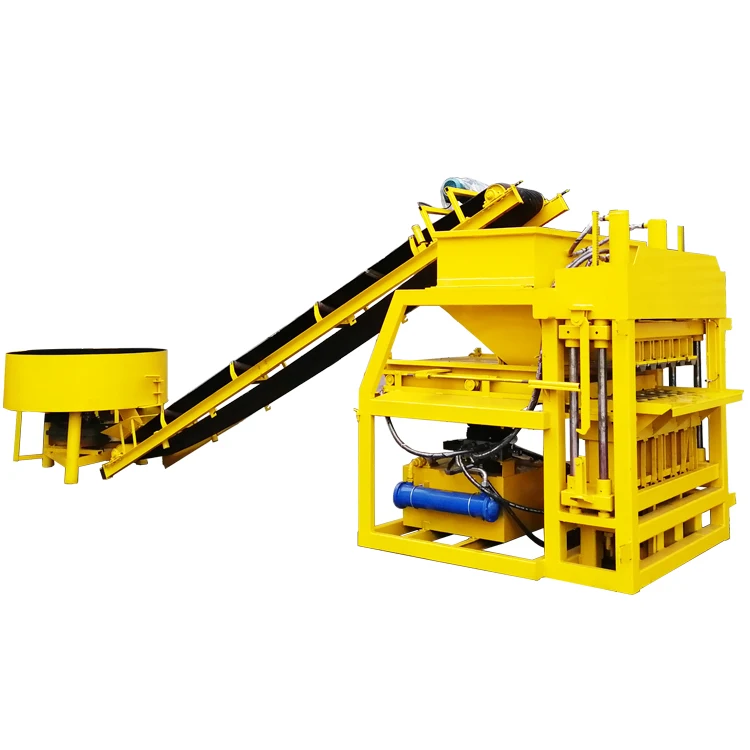
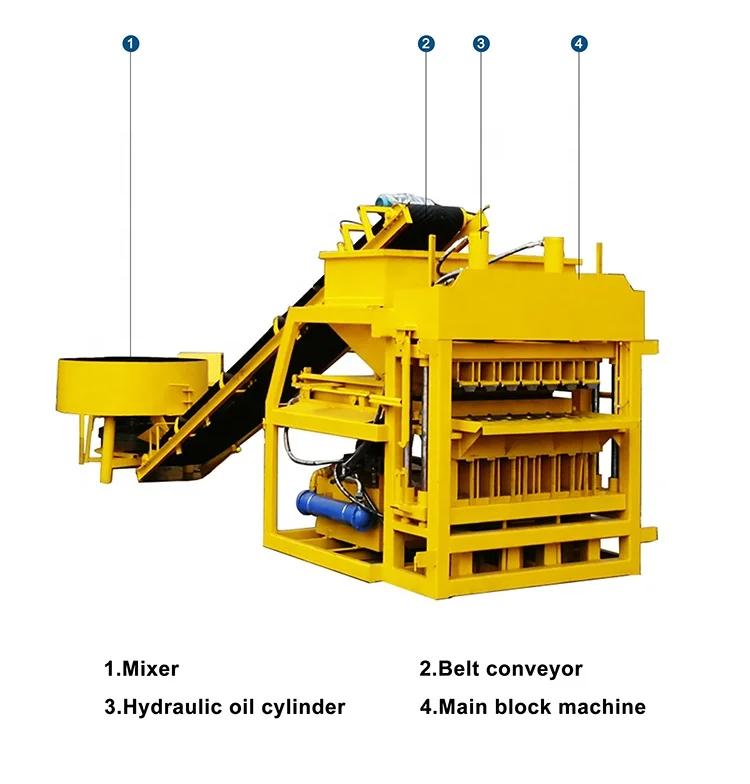
| Product Type | Automatic Clay Soil Compressed Earth Interlocking Block Making Machine |
| Automation Level | Automatic (basis not stated in source — confirm degree of automation and stacking method) |
| Mould Format | Interlocking earth block (basis not stated in source — confirm exact block dimensions and format options) |
| Assembly State | Stationary |
| Raw Material | Clay soil (basis not stated in source — confirm mix design and moisture range) |
| Output Capacity | (basis to be confirmed) |
| Cycle Time | (basis to be confirmed) |
| Hydraulic Pressure | (basis to be confirmed) |
| Vibration Force | (basis to be confirmed) |
| Pallet Size | (basis to be confirmed) |
| Control System | PLC (basis not stated in source — confirm brand and language options) |
| Voltage & Frequency | (basis to be confirmed) |
| Mould Change Time | (basis to be confirmed) |
| Certification | (basis to be confirmed) |
Application Suitability
| Application | Material or Output |
|---|---|
| On-site housing project construction | Compressed earth interlocking blocks from locally sourced clay soil |
| Plant-based earth block production | Interlocking block formats for wall construction using clay-based mixes |
| Development contractor block supply | Consistent batch output of interlocking earth blocks for multi-unit housing |
What Happens When the PLC Speaks the Wrong Language
An automatic compressed earth interlocking block machine PLC controlled system only delivers on its automation promise when every alarm message, parameter label and fault code reads clearly to the operator standing in front of it.
I once saw a fully automatic earth block press shipped to West Africa with its PLC interface still in Chinese. The local operators refused to touch the touchscreen, and commissioning stalled for two full days until the language pack could be swapped remotely. That delay had nothing to do with the press itself — it was a configuration oversight that cost the buyer real production time on a project deadline. [NEED_CITE:] The LY7-10 ships with PLC display language and alarm text confirmed to the buyer’s requirement before it leaves the factory, so this scenario does not repeat on your site.
Removing Manual Steps From the Operator’s Shift
The LY7-10 is built around a PLC control architecture that sequences raw material feeding, mould filling, compression and block ejection into a single continuous cycle. For a plant owner currently running a manual or semi-automatic earth block press, the shift to this automatic compressed earth interlocking block machine PLC controlled setup means the operator supervises the cycle rather than physically handling each pallet. Batch-to-batch consistency improves because the PLC holds the compression timing, vibration duration and feed volume constant across every cycle, reducing the variation that comes from manual pacing.
Selecting the Right Automation Level for Your Current Volume
Not every project justifies full automatic stacking and cubing from day one. The LY7-10 supports a selectable automation level, meaning a buyer can start with semi-automatic operation — where the PLC manages the press cycle but pallets are still handled manually — and add automatic stacking hardware later as daily output volume grows. [NEED_CITE:] This upgrade path is relevant for entrepreneurs launching a first earth block plant or development contractors whose block demand will rise as construction phases progress. The control system accommodates both configurations without requiring a full PLC replacement.
Reading the Specifications That Actually Determine Daily Output
Hydraulic pressure and vibration force work together to set the density and compressive strength of each interlocking earth block. If the pressure is high but vibration is weak, the clay soil mix does not settle evenly into the mould corners, leaving blocks with density gradients that fail strength tests. The pallet size must match both the mould footprint and the curing racks or forklift the buyer already has on site — specifying a pallet that does not fit existing curing infrastructure means rebuilding the curing area before the first block is produced. The control system language, voltage and frequency must all be confirmed against the buyer’s local grid standard before shipment, because a mismatch in any one of these delays commissioning after arrival. [NEED_CITE:] Cycle time should always be read against the specific interlocking block format being produced, since a larger or thicker format naturally extends the press cycle compared with a smaller solid block.
The Hidden Cost of Skipping Configuration Confirmation
When voltage and frequency are assumed rather than confirmed, the machine may arrive at a site where the local grid cannot power the hydraulic pump motor, forcing the buyer to source a transformer or variable frequency drive locally. When the PLC language is left at factory default, operators cannot respond to fault alarms, and minor stoppages escalate into extended downtime because nobody on site can read the error code. When the mould drawing is not reviewed before production, the interlocking profile may not match the local building standard, and the buyer discovers this only after the first production run. [NEED_CITE:] These are not equipment failures — they are configuration gaps that surface at the worst possible moment.
Why Procure the LY7-10 Through This Channel
Block machinery is the single focus here, so the LY7-10 is specified as a matched system — press, mould, pallet and handling — rather than assembled from separate suppliers and left to the buyer to integrate. Machine configuration is set against the buyer’s actual clay soil mix design and target interlocking block format, not pulled from a catalogue default. Mould design covers the formats the buyer’s market sells, including custom profiles drawn to buyer specifications. The automation level is selectable, so a buyer can commission the LY7-10 at semi-automatic and upgrade to full stacking when output volume warrants it. Installation and commissioning include operator training on the PLC interface, mould change procedure and daily maintenance routines.
Documentation & Verification
- Line layout and capacity calculation stating the interlocking block format assumed for quoted output
- PLC display language and alarm text confirmation record signed before dispatch
- Mould drawing and format list verifying block dimensions and interlocking profile
- Hydraulic and electrical schematic matching the LY7-10 as-built configuration
- Factory test record on buyer’s specified clay soil mix before shipment
Installation, Commissioning & Support
- Foundation layout sized to the LY7-10 stationary footprint and hydraulic load distribution
- Dedicated power circuit matching confirmed voltage and frequency for the hydraulic pump motor
- PLC interface verified in target language during on-site commissioning before operator handover
- First-run parameter tuning against buyer’s clay soil moisture and aggregate gradation
- Mould change procedure training covering tooling alignment and cycle time reset
- Wear parts list and reorder schedule for hydraulic seals and mould liner components
What to Include in Your Inquiry
Provide the exact interlocking block dimensions and profile your market requires, along with the clay soil mix design and moisture range available at your site. Confirm your local voltage, frequency and preferred PLC display language so these are locked before production begins. If you have existing curing racks, forklifts or pallet handling equipment, share the dimensions so the pallet specification and automation level align with what you already have on the ground.
Frequently Asked Questions
Q: What automation level does the LY7-10 ship with, and can I add full stacking later?
A: The LY7-10 supports selectable automation levels. It can ship in semi-automatic configuration where the PLC manages the press cycle and pallets are handled manually. Automatic stacking and cubing hardware can be added later as your output volume grows, without replacing the existing PLC or press frame.
Q: How is output capacity calculated, and which block format is assumed?
A: Output capacity depends on the interlocking block format, cycle time and mould cavity count. Any quoted capacity must state the specific block dimensions and format assumed. Request a capacity calculation that names the exact interlocking profile so you can verify daily output against your project requirements.
Q: What PLC language and voltage options are confirmed before dispatch?
A: The PLC display language, alarm text, voltage and frequency are all confirmed with the buyer before production. A signed configuration record ensures the machine arrives with the correct interface and electrical specification, avoiding commissioning delays caused by language or power mismatches.
Q: How do I match the machine settings to my local clay soil mix?
A: Hydraulic pressure, vibration force and compression timing must align with your clay soil moisture content and aggregate gradation. During commissioning, these parameters are tuned on your actual mix to achieve the target block density and strength consistently across production batches.