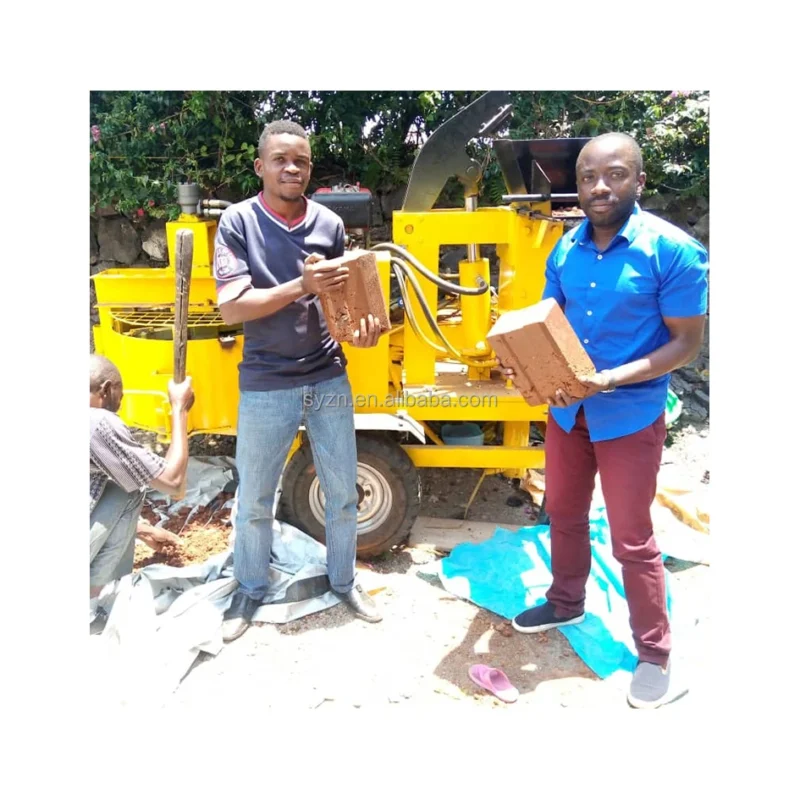


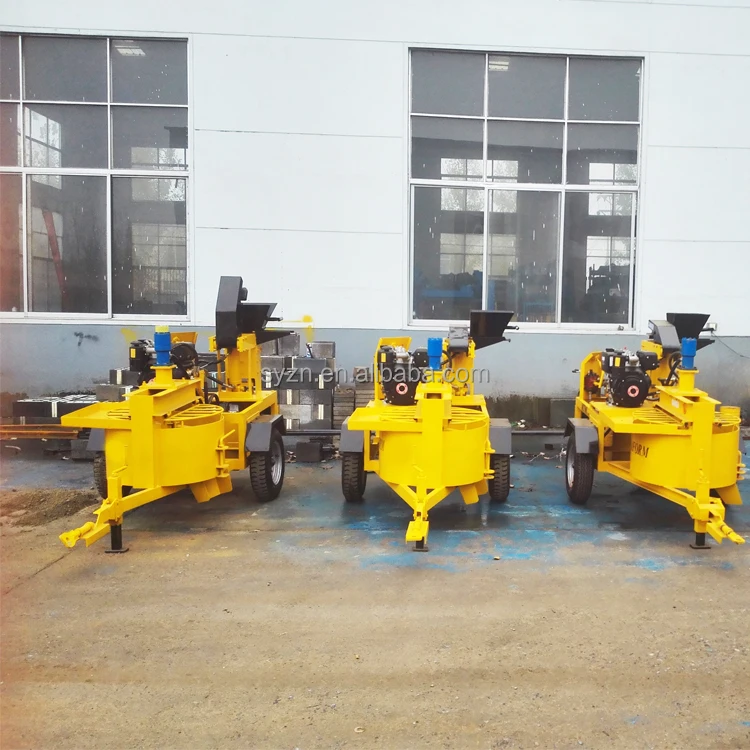

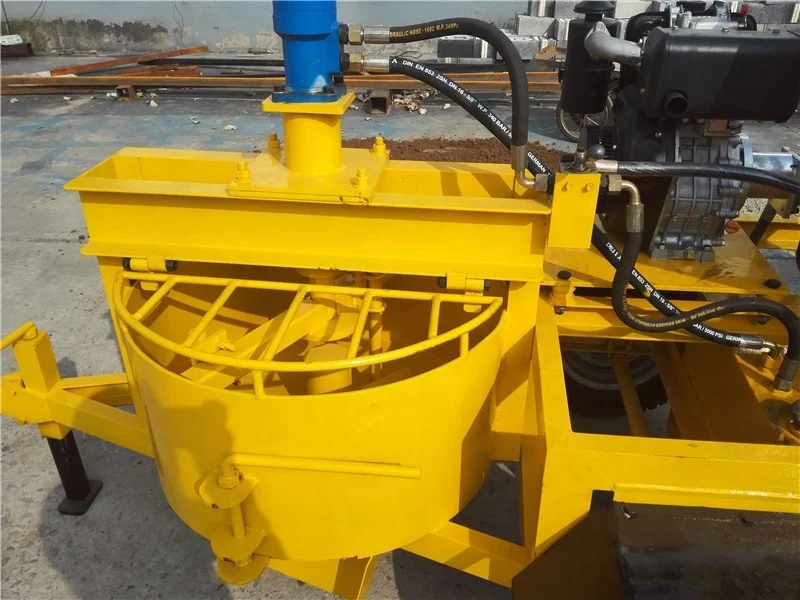
Description
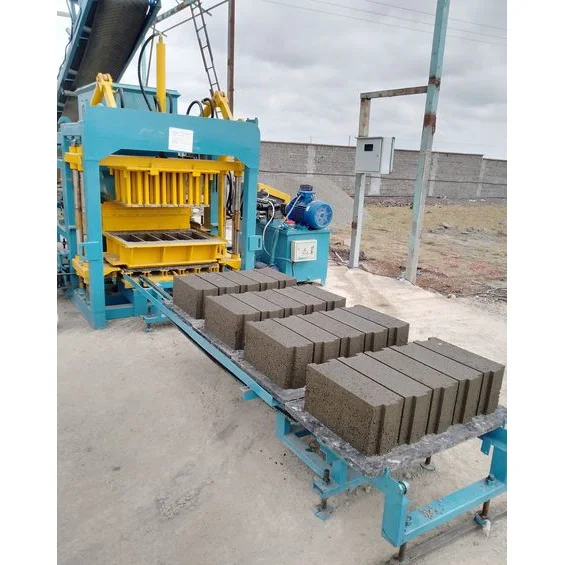
Matched Hydraulic Pressure — The M7MI’s 16 MPa system is configured against the buyer’s actual clay or soil sample, ensuring interlocking block density reflects real local conditions rather than a catalogue default.
Technical Specifications
| Parameter | Value |
|---|---|
| Model | M7MI |
| Product Type | Hydraulic Clay Interlocking Block Making Machine |
| Hydraulic Pressure | 16 MPa |
| Engine Type | Diesel Engine |
| Molding Cycle | 15–20 s (basis not stated in source) |
| Output Capacity | 2200 pcs/day (8 hours) (basis not stated in source) |
| Qty/hour | 200 pcs (based on 300×150×100 mm interlocking block, 1 pc/mould, 20 s cycle) |
| Overall Dimensions (L×W×H) | 3200 × 1100 × 1500 mm |
| Total Mass | 1100 kg |
| Raw Materials | Clay, soil, concrete |
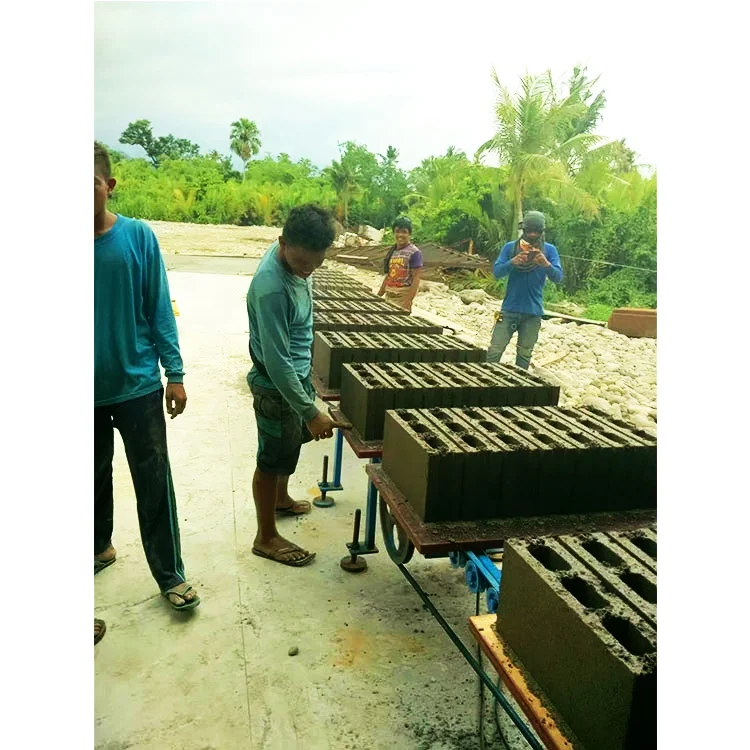
| Mould Change Capability | Yes — multiple interlocking block formats via mould change |
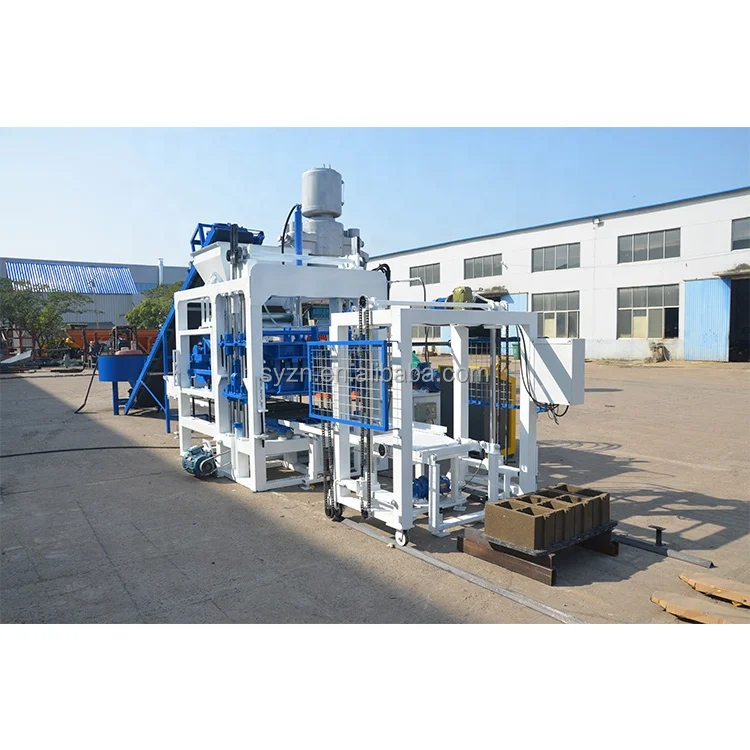
| Automation Level | Mobile / semi-manual (egg-laying type) |
Application Suitability
| Application | Material or Output |
|---|---|
| On-site housing project construction | Interlocking blocks from locally sourced clay or soil |
| Remote infrastructure development | Diesel-powered production without grid electricity dependency |
| Small-scale block entrepreneurship | Earth-based interlocking formats for regional building markets |
| Concrete product diversification | Concrete interlocking pavers and wall blocks |
What "2200 Pieces per Day" Actually Means for Your Site
Capacity figures only matter when tied to the specific block format you intend to produce.
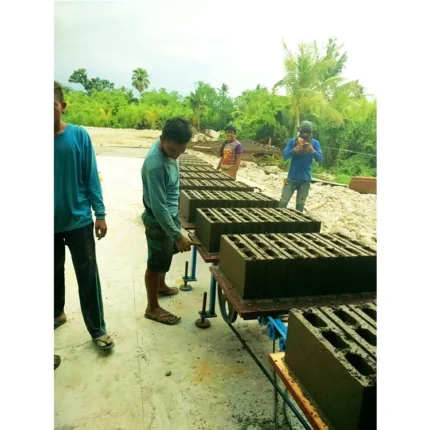
I have stood on project sites where a mobile block machine arrived with a brochure promising high daily output, only to discover that number assumed a small, thin paver rather than the thick interlocking wall block the contractor actually needed. The automatic interlocking clay block making machine you choose must have its cycle time and output verified against your target format and local material. When the hydraulic pressure and vibration are not matched to your soil’s clay content and moisture, blocks crack during curing regardless of what the spec sheet says. [NEED_CITE: soil stabilization testing methods for compressed earth blocks]
Consistent Density Through Matched Hydraulic Force
The M7MI delivers 16 MPa of hydraulic pressure directly into the mould cavity. For an automatic interlocking clay block making machine, this pressure level must be evaluated against the plasticity index of your local clay. Too little pressure on a high-clay mix leaves blocks that crumble under their own weight during handling. Too much pressure on a sandy soil forces moisture out prematurely, weakening the interlocking lips that give these blocks their structural value.
Off-Grid Operation Without Compromising Press Force
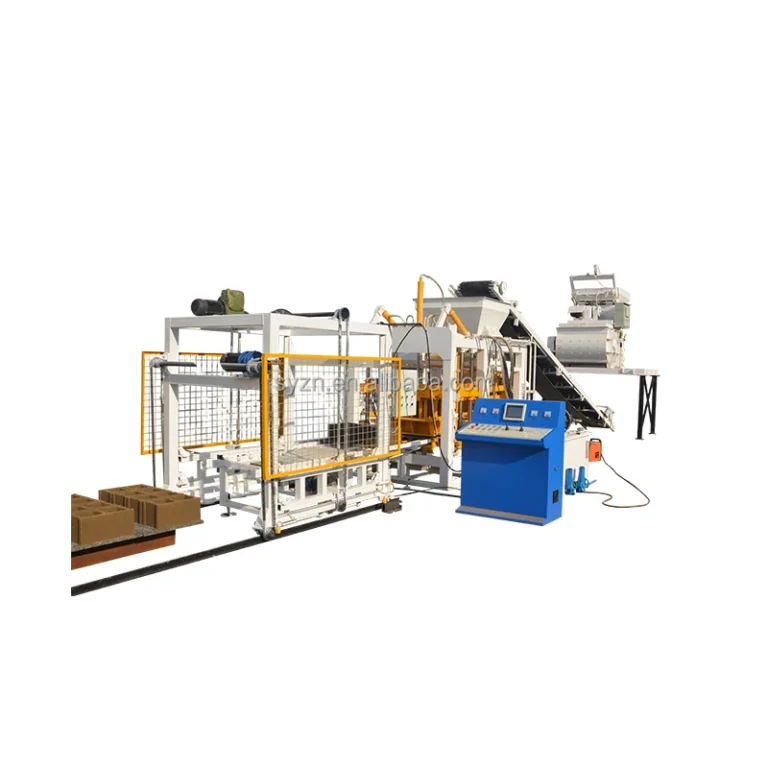
Diesel-driven hydraulics remove the dependency on unstable local power grids. The PLC controlled mobile block machine configuration means the operator manages cycle sequences through a control interface rather than manual valve operation, maintaining pressing consistency across long shifts. This matters on rural housing projects where grid voltage fluctuation would otherwise cause hydraulic pumps to deliver uneven force from one block to the next. [NEED_CITE: off-grid construction equipment power requirements]
Mould Change as a Practical Production Decision
The M7MI supports multiple interlocking block formats through physical mould swaps. On a housing project requiring both load-bearing wall blocks and decorative interlocking pavers, the time taken to change moulds directly affects whether a single machine can serve the entire site. The mould change system must be evaluated against the number of format changes your production schedule demands per shift.
Reading the Specifications That Affect Your Output
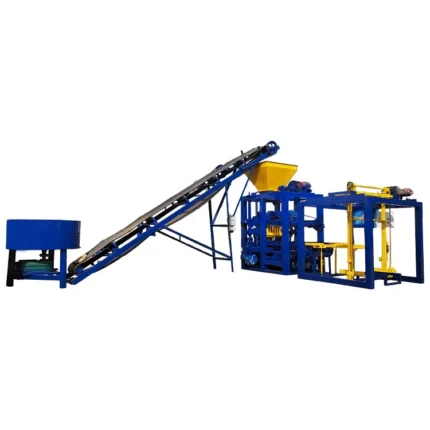
The 3200 × 1100 × 1500 mm footprint determines how much level ground you must prepare before the machine arrives. At 1100 kg total mass, the M7MI requires a stable, compacted working surface rather than a poured concrete foundation, but soft ground will cause the egg-laying mechanism to deposit blocks unevenly. The 15–20 second molding cycle varies depending on whether your operator is hand-feeding the mould or using an attached conveyor, and whether the interlocking block format includes deep recesses that require longer compaction. The diesel engine eliminates voltage and frequency concerns entirely, though any auxiliary electric motors for mixing or conveying must still match your site’s available power supply.
The Hidden Cost of Skipping Material Testing
I once saw a contractor in West Africa feed red laterite soil directly into a block machine without testing the clay-to-sand ratio. The blocks looked solid coming out of the mould but disintegrated within days of sun exposure. The hydraulic pressure was adequate, but the mix design was wrong for the local aggregate. When buyers skip sending a soil sample before ordering, they are essentially asking the manufacturer to guess at the configuration. That guess determines whether the machine produces sellable blocks or expensive rubble. [NEED_CITE: compressed earth block material testing standards]
Why This Sourcing Approach Reduces Commissioning Delays
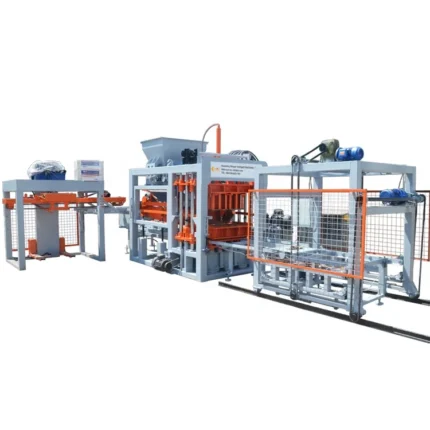
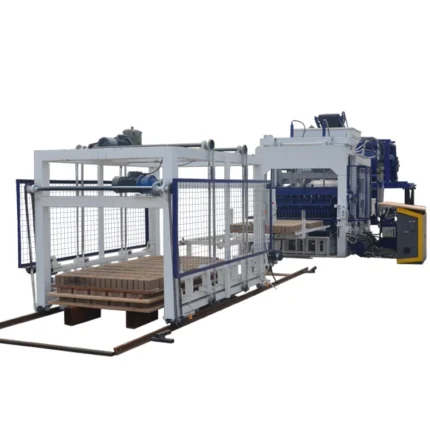
Block machinery specified as a matched system — machine, mould, and handling — arrives with components that physically connect rather than requiring on-site fabrication. Configuration set against your actual mix design and target block format means the hydraulic pressure and cycle timing reflect your production reality, not a generic test. Mould design for the interlocking profiles your market actually sells eliminates the situation where you receive formats that local builders do not use. Automation level remains selectable, so you can start with semi-manual operation and add pallet feeding or stacking later. Installation and commissioning support includes operator training specific to the diesel-hydraulic system and mould change procedures on your machine.
Documentation & Verification
- Factory test record on your specific interlocking block format before dispatch
- Mould drawing and format list confirming the interlocking profiles included
- Hydraulic and electrical schematic for the diesel-driven system
- Operation and maintenance manual covering mould change and daily servicing
- Wear parts list identifying hydraulic seals and mould liners requiring periodic replacement
Installation, Commissioning & Support
- Compacted, level ground preparation sized to the 3200 × 1100 mm machine footprint
- Diesel fuel specification and hydraulic fluid grade confirmed before first start
- Mould installation and alignment verified during on-site commissioning visit
- Operator training on 16 MPa hydraulic system controls and safety procedures
- Cycle timing adjustment to your local clay mix during initial production run
What We Need to Configure Your Machine
Send a representative sample of your local clay or soil so the hydraulic pressure and cycle time can be matched to your material’s actual behavior. Specify which interlocking block formats your market sells, including dimensions and any interlocking profile requirements. Confirm whether your site has any auxiliary electrical supply for mixers or conveyors, and what language the control interface should display.
Frequently Asked Questions
Q: How is the output capacity calculated for the M7MI?
A: Output figures are tied to a specific block format and cycle time. The 200 pieces per hour figure assumes a 300×150×100 mm interlocking block with one piece per mould and a 20-second cycle. Your actual daily production depends on the format you choose, your operator’s feeding speed, and how your local clay responds to the hydraulic pressure setting. We calculate capacity against your target block before confirming the order.
Q: Can the M7MI be upgraded with automatic stacking or pallet handling?
A: The M7MI is designed as a mobile egg-laying machine that deposits blocks directly onto the ground, so traditional pallet-based stacking systems do not apply. However, if your production volume grows and you move to a fixed plant setup, the automation level is selectable on other machines in the range. We can discuss your upgrade path based on your projected output growth.
Q: What control options and display languages are available?
A: The diesel-driven configuration means the main press operates without electrical grid dependency. Any auxiliary control interfaces for cycle sequencing can be specified with display language options matching your operator team. Confirm your preferred language during the voltage and control confirmation stage so the interface arrives ready for immediate use.
Q: How long does a mould change take, and what formats are supported?
A: Mould change time depends on the complexity of the interlocking profile and whether your operators have been trained on the specific tooling. The M7MI supports multiple interlocking formats, and we supply mould drawings showing the exact profiles available. Request the format list to confirm the machine can produce the block shapes your local construction market requires.
Q: Which spare parts should I order with the initial machine?
A: Hydraulic seals, mould liners, and any wear components specific to your chosen interlocking format should be included in your first order. The wear parts list provided with your documentation identifies items requiring periodic replacement. Ordering these spares upfront avoids production downtime when the first replacement is due and local sourcing is unavailable.