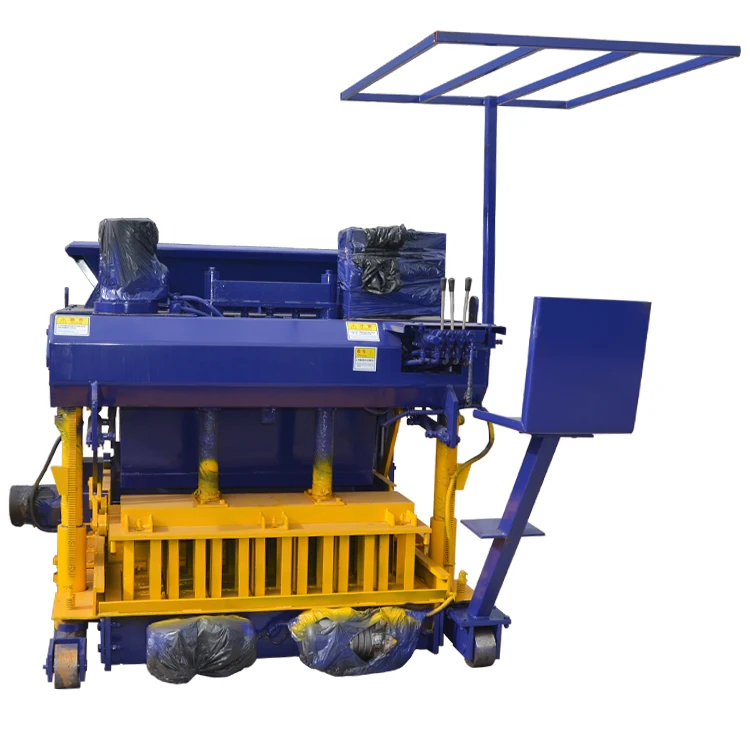
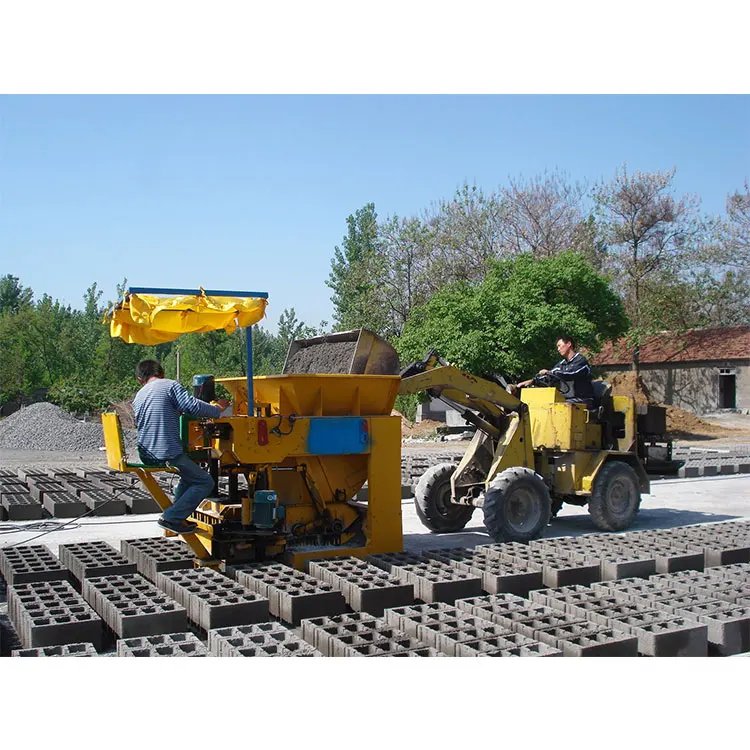
Description
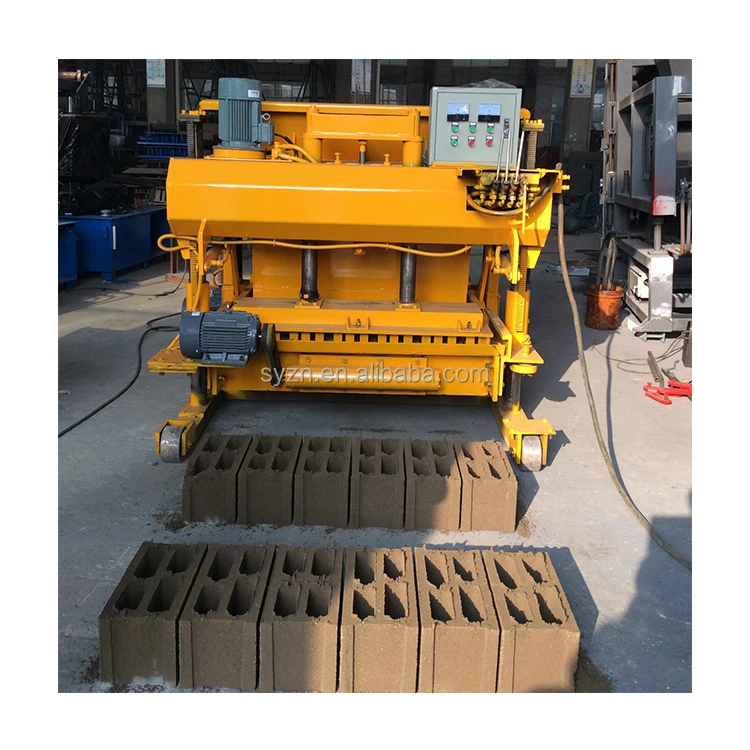
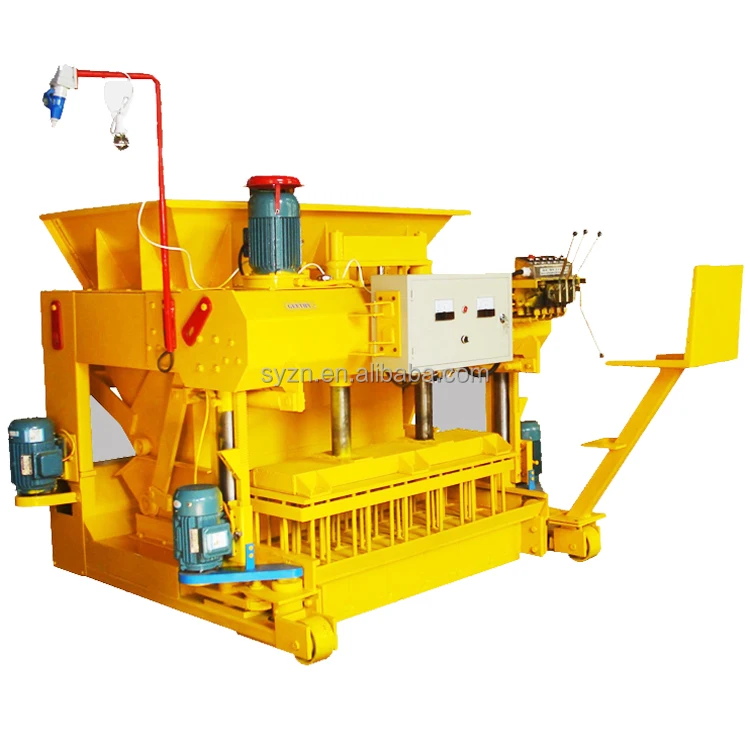
Matched System Configuration — The QMY6-25 egg laying block machine integrates host press, mixer, and handling into one coordinated line rather than sourcing components from separate suppliers.
Technical Specifications
| Parameter | Value |
|---|---|
| Model | QMY6-25 |
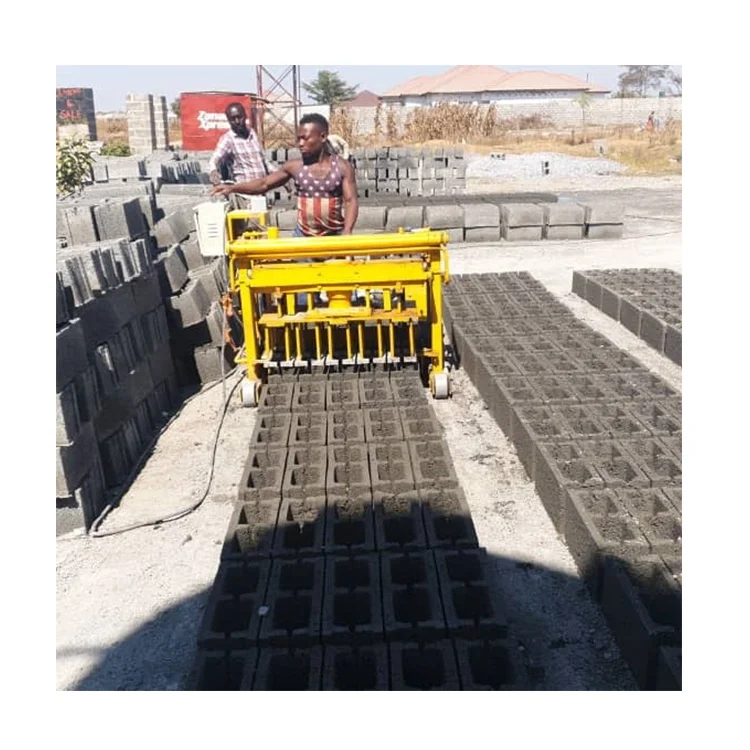
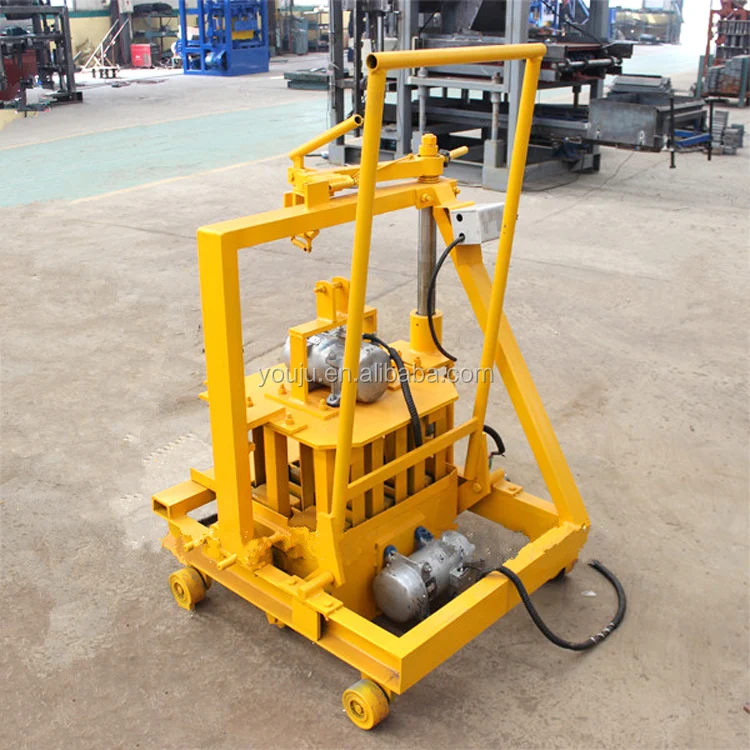
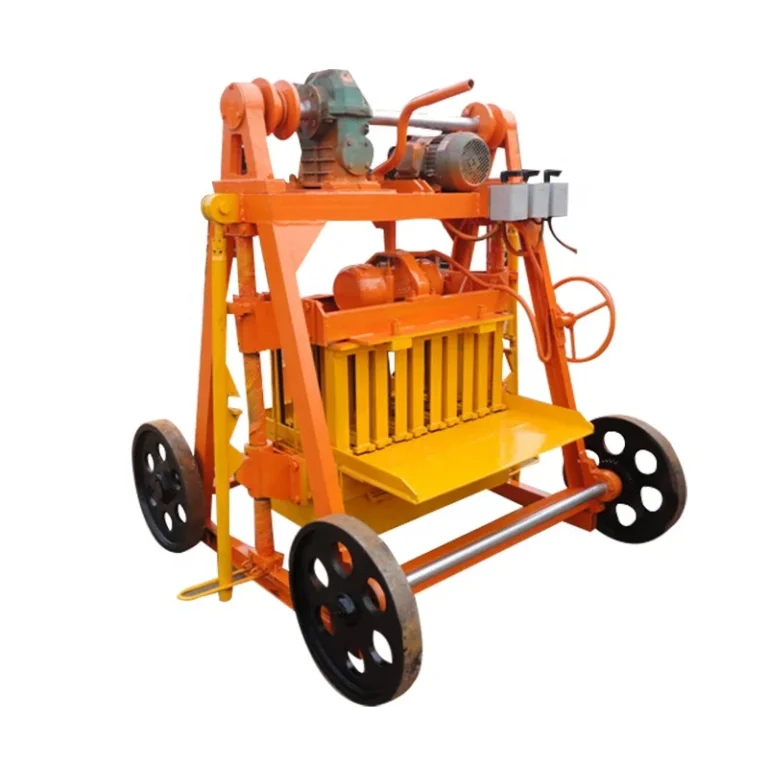
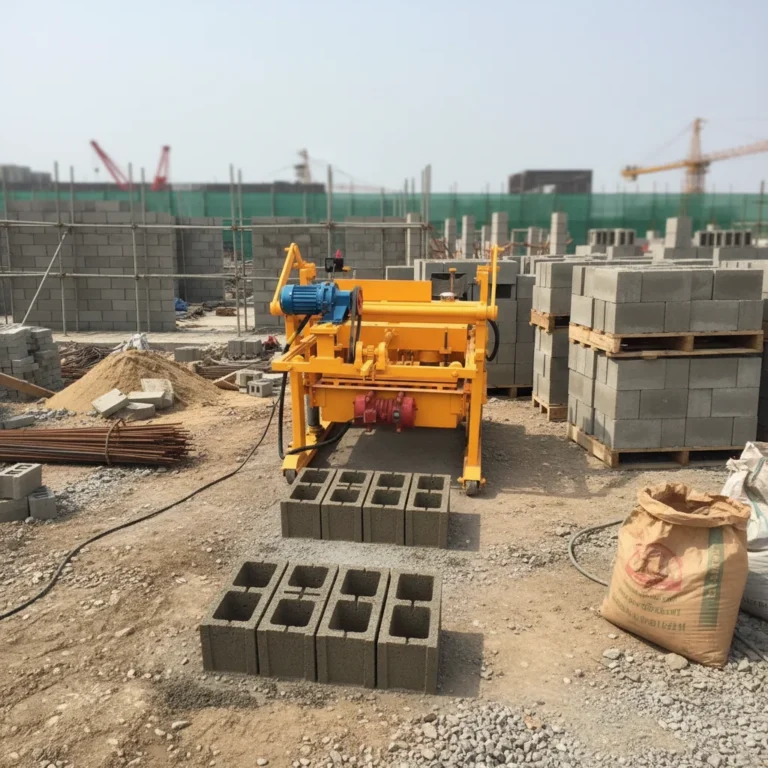
| Product Type | Mobile Egg Laying Block Making Machine |
| Molding Capacity | 6 pcs/mold (basis not stated in source — confirm block format) |
| Hydraulic Pressure | 16 MPa |
| Vibration Form | Mold Vibration |
| Molding Cycle | 20s-25s (basis not stated in source — confirm block format and material) |
| Turning Method | Hydraulic |
| Total Power | 9.6 kW |
| Total Mass | 2.5 Tons |
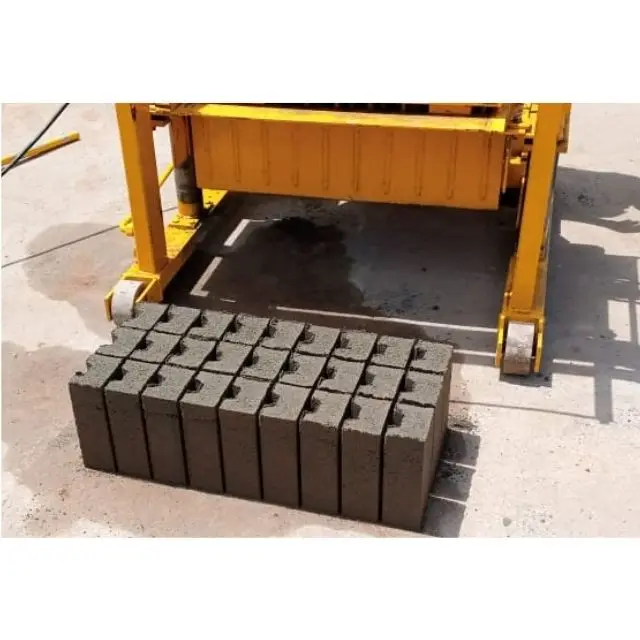
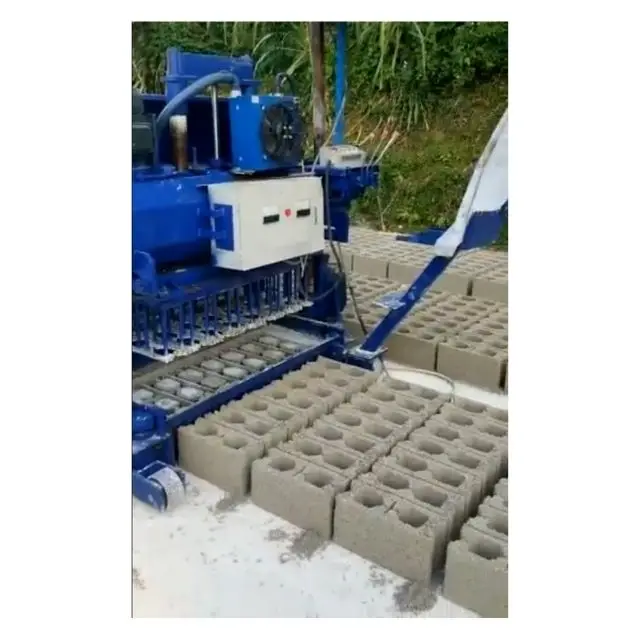
| Pallet Requirement | No pallet required (egg laying type) |
| Block Format | Hollow blocks and large solid blocks via mold change |
| Automation Level | Manual operation, one-person control |
| Voltage | Customizable electric motors voltage per site requirement |
| Basic Configuration | QMY6-25 host machine, JS500 concrete mixer, dump truck |
| Optional Configuration | PLD800 batching machine, cement silo, screw conveyor, loading machine |
| Mixer Options | JS500 double shaft mixer, or pan mixer JQ500 / JQ750 |
Application Suitability
| Application | Material or Output |
|---|---|
| On-site construction block production | Crushed stone, cement, sand, and local aggregate for hollow blocks |
| Remote housing project block manufacturing | Cement-bound mixes for solid blocks laid directly on ground |
| Small-scale block factory startup | Hollow and solid concrete blocks with local raw material sourcing |
| Mobile production for development projects | Standard concrete mixes for building blocks without fixed plant infrastructure |
What the Voltage Question Reveals Before Commissioning
Confirm voltage, frequency, and control language before the machine enters production — not after it arrives.
I spent years on the assembly floor before moving into technical selection, and I have seen too many mobile block machines sit idle at the port because the buyer assumed 380V/50Hz was universal. One contractor in West Africa received his egg laying unit wired for a grid his site did not have, adding weeks of rewiring before a single block was produced. The QMY6-25 is built with customizable electric motors voltage, but that only helps if the specification is locked down during the order stage [NEED_CITE: voltage and frequency standards by export market]. A PLC controlled egg laying block machine means nothing if the display language is unreadable to your operator.
Control Customization Across Different Grid Environments
The QMY6-25 ships with electric motors wound to your site’s exact voltage and frequency specification. This matters because an automatic mobile block machine running on mismatched power will either underperform or burn out its motor windings within the first production cycle. Buyers in regions with unstable grids can specify soft-start configurations that reduce inrush current during startup, protecting both the machine and the local transformer.
Building an Automation Path from Day One
Starting with single-operator manual control keeps initial investment contained while the optional PLD800 batching machine and screw conveyor remain available as add-on modules. The hydraulic turning method and mold vibration system on this PLC controlled egg laying block machine stay constant regardless of automation level, meaning the core press does not need replacement when you add upstream batching or downstream stacking. This scalability separates a genuine upgrade path from a machine that forces a complete line replacement [NEED_CITE: automation integration standards for concrete block equipment].
Reading the Numbers That Actually Matter
The 16 MPa hydraulic pressure works in conjunction with mold vibration to compact the concrete mix during the 20s-25s molding cycle. Higher hydraulic pressure alone does not guarantee block strength — it must be balanced against the vibration force and the specific aggregate grading of your local material. The QMY6-25 uses mold vibration rather than table vibration, concentrating compaction energy directly into the cavity where the block forms. For egg laying machines that deposit blocks on the ground, this focused vibration approach reduces the risk of fresh blocks slumping before the cement begins to set. The 9.6 kW total power rating reflects a system sized for mobile operation where three-phase industrial supply may not be available.
The Hidden Cost of Skipping Control Specification
When voltage and control language are left unconfirmed, the automatic mobile block machine arrives as a locked box your team cannot safely operate. Operators guessing at display prompts lead to incorrect cycle parameters, inconsistent block density, and hydraulic sequences initiated out of order. I recall a situation where an unconfirmed PLC display meant the local team ran the mold vibration for double the intended duration, cracking every block in that batch [NEED_CITE: operator interface requirements for industrial concrete machinery]. The downtime from electrical rework and commissioning delays typically exceeds the cost of specifying these details upfront.
Why Sourcing This Machine Through a Matched System Approach
Every component from the JS500 mixer to the optional block clamper is selected to work with the QMY6-25 host press rather than assembled from disconnected suppliers. The hydraulic turning mechanism and mold vibration are calibrated against each other at the factory, so cycle timing remains predictable when you switch between hollow and solid block formats. Automation additions like the PLD800 batching machine integrate with the existing control architecture, not a parallel system that requires separate operator training. Factory testing runs the complete configuration — your voltage, your control language, your target block format — before the machine is crated for shipment.
Documentation & Verification
- Factory test record showing QMY6-25 running at buyer-specified voltage and frequency
- Electrical schematic with confirmed motor winding specifications and control wiring diagram
- PLC display language confirmation sheet signed before production release
- Molding cycle timing verified against buyer’s target block format and mold
- Hydraulic pressure and vibration force test readings recorded during pre-shipment inspection
Installation, Commissioning & Support
- Level compacted ground surface required for egg laying operation with QMY6-25 2.5-ton mass
- Dedicated power circuit matching confirmed voltage and frequency for 9.6 kW total load
- JS500 mixer and host machine positioned for gravity-fed material flow to the press
- Hydraulic turning system calibrated on-site to match local block format changeover sequence
- Operator training covers mold vibration timing adjustment for different aggregate mixes
- Wear parts list with reorder intervals for hydraulic seals and vibration components
What to Include in Your Technical Inquiry
Provide your target block format with exact dimensions, your local aggregate type and grading, and your site’s available voltage and frequency. Specify whether you need the basic manual configuration or plan to add the batching machine and screw conveyor from the start. Note your operator’s preferred control language and any existing material handling equipment like wheel loaders or forklifts that will feed the QMY6-25.
Frequently Asked Questions
Q: How do I confirm the voltage, frequency, and control language match my site before shipment?
A: Submit your site’s electrical supply details during the inquiry stage, and the factory issues a written voltage and control language confirmation sheet. The QMY6-25 electric motors are wound to your exact specification, and a pre-shipment factory test verifies the machine runs correctly on that configuration before crating.
Q: What automation components can I add later without replacing the host machine or control system?
A: The PLD800 batching machine, screw conveyor, cement silo, and block clamper are all designed as add-on modules for the QMY6-25. The hydraulic turning and mold vibration systems remain unchanged, and the control architecture supports integration of these components as your production volume grows.
Q: How is the molding cycle time affected when switching between different block formats?
A: The 20s-25s cycle applies to a specific block format and mix design that must be confirmed during specification. Larger solid blocks and denser aggregate mixes may extend the cycle, while smaller hollow blocks may complete faster. Request a capacity calculation tied to your exact block format before ordering.
Q: What is included in the basic configuration versus optional automation?
A: The basic QMY6-25 package includes the host machine, JS500 double shaft mixer, and dump truck for material movement. Optional additions include the PLD800 batching machine for precise material proportioning, cement silo for bulk storage, screw conveyor for automated feeding, and block clamper for dry block stacking.