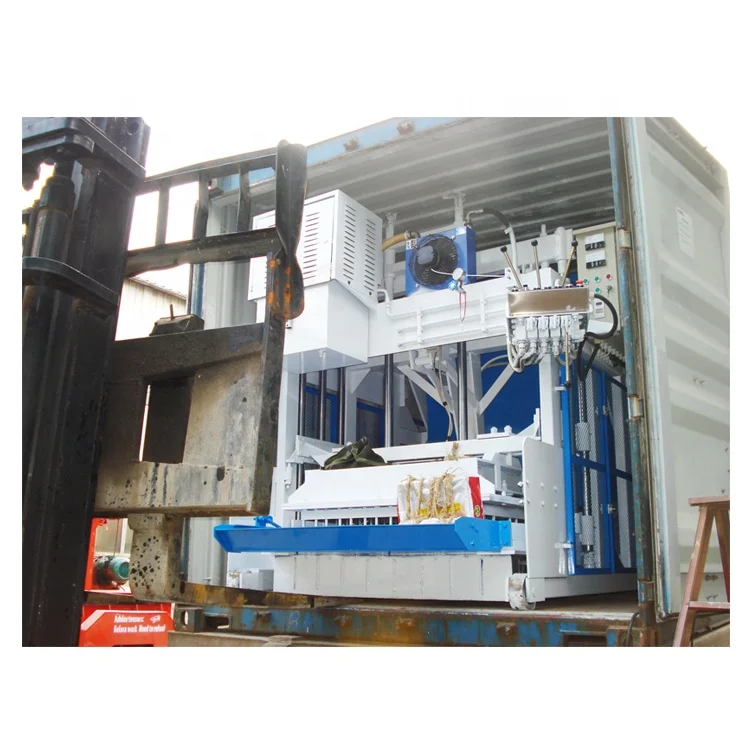
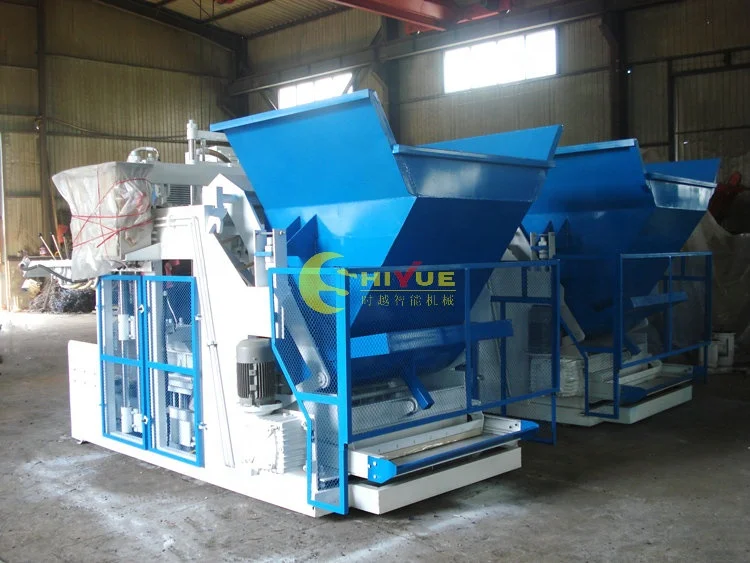
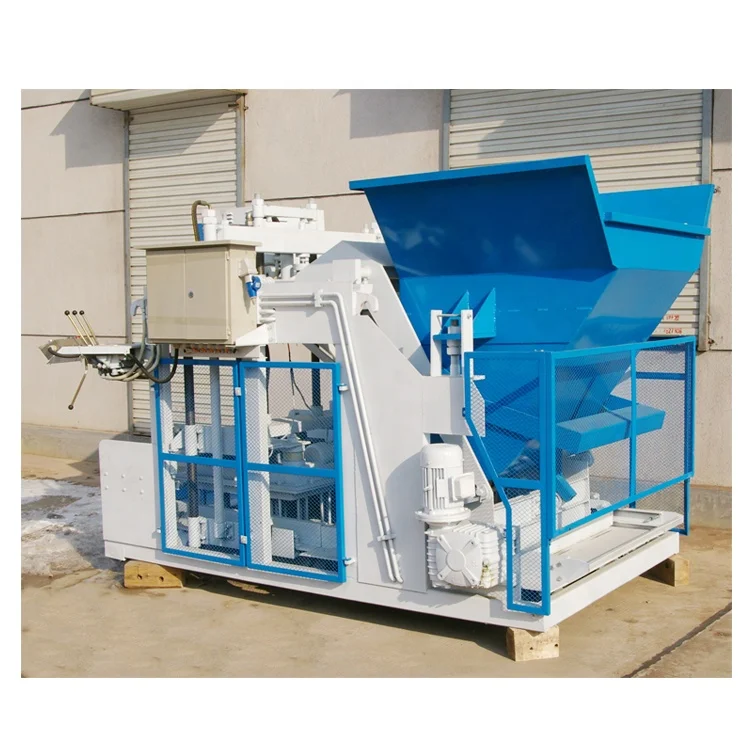
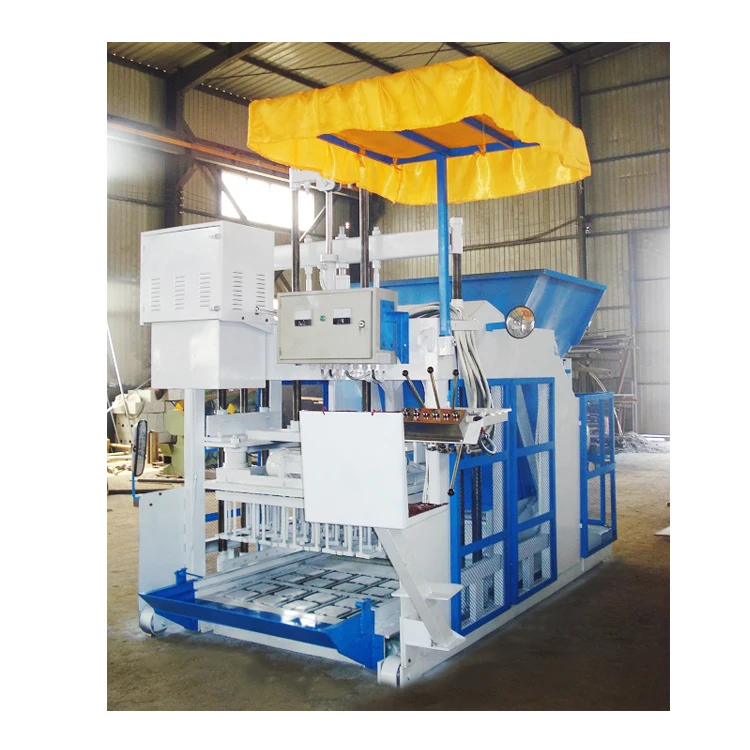
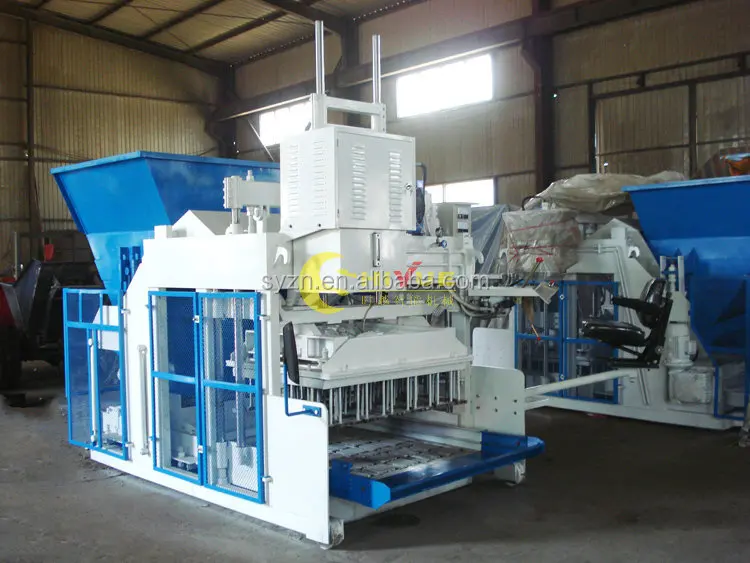
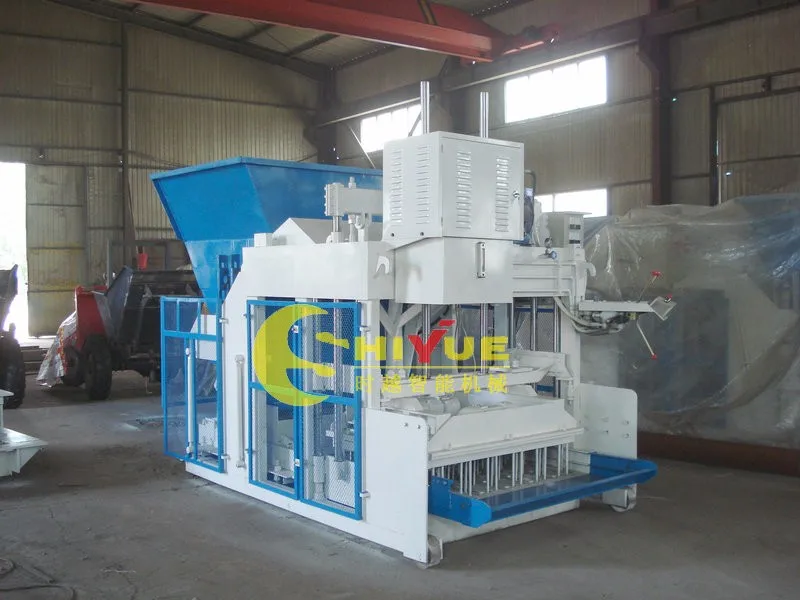
Description
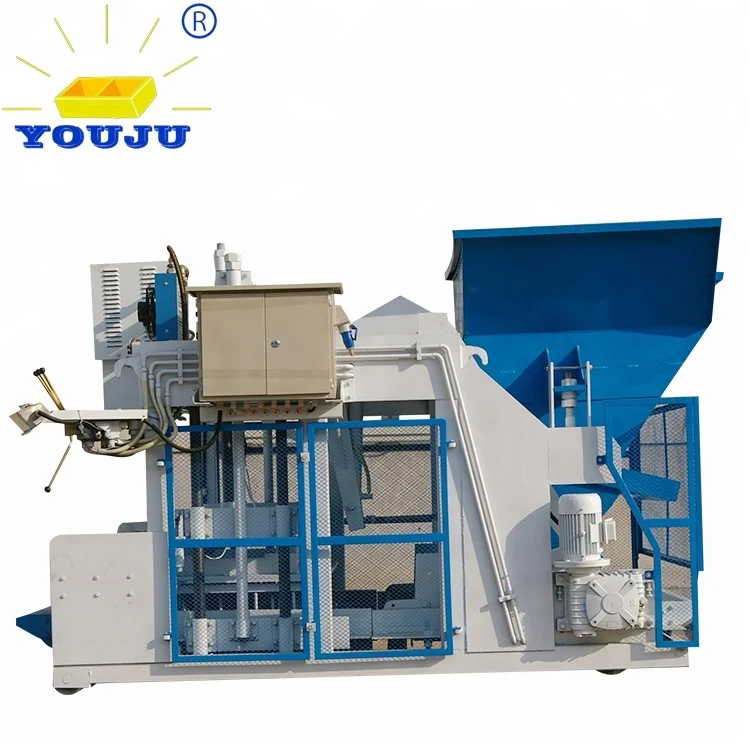
Hydraulic-Vibration Match — the QMY10-15 pairs dual vibration motors with a heat-dissipating hydraulic circuit so the 10–15 second molding cycle remains consistent across an entire shift, not just the first hour.
Technical Specifications
| Parameter | Value |
|---|---|
| Model | QMY10-15 |
| Product Type | Mobile Hydraulic Concrete Block Making Machine |
| Molding Capacity | 10 pcs/mold |
| Molding Cycle | 10s–15s |
| Total Power | 16 kW |
| Output Capacity | 11,000 pcs/day (8 hours) (basis not stated in source — confirm block format, material, and thickness before quoting) |
| Vibration System | Dual vibration motors |
| Hydraulic System | Controls upper and lower demoulding, equipped with heat dissipator |
| Mobility | Electric walking, hydraulic steering |
| Pallet Requirement | No pallets needed (egg-laying type) |
| Automation Level | Semi-automatic (mobile, operator-driven) |
| Basic Equipment Included | QMY10-15 Host Machine, JS7500 Concrete Mixer, Dump Truck |
| Optional Equipment | PL1200 Batching Machine, Cement Silo, Screw Conveyor, Loader |
| Control System | Configurable PLC with operator-language selection |
| Mould Format | Interchangeable moulds for multiple brick types |
Application Suitability
| Application | Material or Output |
|---|---|
| Hollow block production on housing project sites | Crushed stone, sand, cement with local aggregate gradation |
| Solid brick manufacturing for contractor self-supply | Fly ash or river sand blends with standard cement ratios |
| On-site paver and interlocking brick runs | Fine aggregate mixes with pigment additives where required |
| First-plant entrepreneur production | Low-capital egg-laying workflow without pallet inventory |
Why "11,000 Pieces per Day" Means Nothing Without the Block Format
Cycle time only matters when tied to a specific block dimension and mix design.
Buyers see a daily output figure and assume it applies to every format the machine can produce. The reality is that a 10–15 second cycle on a small solid brick does not translate to the same throughput on a 200 mm hollow block. The vibration force and hydraulic pressure must be matched to the buyer’s local aggregate and water-cement ratio, or block strength varies between batches [NEED_CITE: relationship between vibration force, hydraulic pressure, and compressive strength in mobile block production]. I have stood on sites in East Africa where operators ran the wrong cycle setting all morning because the automatic mobile block machine PLC controlled interface was still displaying Chinese — the output numbers looked fine until the blocks crumbled during curing.
Matching the Control System to the Operator
A mobile machine lives or dies by how quickly the crew can react to a mix change or a mould swap. The configurable PLC on this automatic mobile block machine PLC controlled unit allows the display language to be locked in before the machine ships, so the operator reads instructions in their own language from the first cycle. Electric walking and hydraulic steering mean the operator stays at the control panel while the machine repositions, cutting the gap between production zones and curing areas.
Where the Hydraulic Circuit Earns Its Keep
The integrated heat dissipator on the hydraulic circuit is not a luxury addition. On an egg-laying mobile unit working continuous shifts in high ambient temperatures, hydraulic fluid degrades faster than in a fixed-plant press. The dissipator keeps fluid viscosity stable, so upper and lower demoulding force stays constant from the first block to the last. When the hydraulic pressure drifts, blocks release unevenly, edges chip, and the operator starts compensating manually [NEED_CITE: hydraulic fluid thermal degradation in mobile construction equipment operating in tropical climates]. That compensation introduces the inconsistency the PLC was supposed to eliminate.
Reading the Specs That Actually Move the Needle
The dual vibration motor configuration is the single biggest factor separating this class of mobile machine from lighter single-motor units. Two motors deliver more uniform energy distribution across the mold cavity, which directly affects block density and compressive strength — especially critical when the buyer’s aggregate includes porous or lightweight material. The 16 kW total power rating must be read alongside the vibration force and hydraulic pressure values, because those two parameters together determine whether the machine can compact the buyer’s specific mix at the quoted cycle time. Pallet-free egg-laying operation removes an entire cost line from the budget, but it also means the ground surface becomes part of the curing equation — uneven or unprepared ground will show up as dimensional variation in the finished blocks.
The Hidden Cost of Skipping the Language and Voltage Check
Arriving on site to find the PLC screen unreadable or the motor winding incompatible with local supply is not a rare event. It stalls commissioning by weeks while transformers are sourced or screens are reprogrammed. For an automatic mobile block machine PLC controlled setup, the voltage, frequency, and display language must be confirmed before production begins — not after the machine is bolted to the ground [NEED_CITE: voltage and frequency standards by export market]. A contractor on a housing project deadline does not have weeks to spare, and every idle day burns through labor costs without producing a single block.
Why Buyers Choose This Configuration
Block machinery as a single focus means the host machine, mixer, and handling equipment are specified as one matched set rather than assembled from separate suppliers. The configuration is built around the buyer’s actual mix design and target block format, not a catalogue default. Mould design covers the formats the buyer’s market sells, with custom drawings available. The automation path starts at semi-automatic mobile operation and can extend toward PLC-managed batching and remote diagnostics as production volume grows. Documentation and testing are completed against the buyer’s confirmed parameters before the machine leaves the factory.
Documentation & Verification
- Factory test record run on your confirmed block format and cycle time before dispatch
- Machine specification sheet listing hydraulic pressure and vibration force for your mix
- Voltage, frequency, and PLC display language confirmation signed off pre-production
- Mould drawing and format list covering every brick type in your market range
- Operation and maintenance manual in the operator’s confirmed language
- Wear parts and mould replacement list with part numbers for your specific configuration
Installation, Commissioning & Support
- Ground preparation guidance matched to the QMY10-15 egg-laying footprint and walking path
- Electrical connection spec for the 16 kW total load with dedicated circuit requirements
- PLC display language and control parameters verified during on-site commissioning
- Operator training covering mould change procedure and hydraulic system daily checks
- Heat dissipator maintenance interval and hydraulic fluid replacement schedule provided
- Mould and wear parts supply chain confirmed with part numbers for the QMY10-15 configuration
What to Include in Your Inquiry
Tell us the block formats your market sells, the dimensions and wall thickness for each, and the daily volume you need per format. Share your local aggregate type and typical mix design so we can match the vibration and hydraulic settings. Confirm your site voltage, frequency, and the language your operators read.
Frequently Asked Questions
Q: How is the 11,000 pcs/day output verified, and which block format is it based on?
A: That figure is listed without a stated block format or material basis. Before we quote, we prepare a capacity calculation that names the specific block dimensions, wall thickness, and mix design behind the number. This lets you compare the real daily output against your target product rather than relying on a generic claim.
Q: What automation upgrade options are available from the base mobile configuration?
A: The QMY10-15 starts as a semi-automatic mobile unit with operator-driven walking and mould changes. The PLC platform supports future integration of batching accuracy controls and remote diagnostics. We document the upgrade path so you can add automation stages as your production volume and capital allow, without replacing the core press.
Q: How does the hydraulic and vibration system match my local aggregate?
A: We configure the hydraulic pressure and dual vibration motor output against the buyer’s mix design and aggregate gradation. If your local stone is porous or lightweight, the settings shift to maintain block density. A factory test on your confirmed mix is standard before dispatch.
Q: What voltage, frequency, and control language options are confirmed before shipment?
A: We confirm your site voltage, supply frequency, and the PLC display language before production begins. This is documented in the pre-production sign-off sheet so the machine arrives ready to commission without transformer sourcing or screen reprogramming delays on site.
Q: What mould formats are available, and how long does a mould change take?
A: Moulds cover hollow blocks, solid blocks, pavers, and interlocking bricks, with custom designs available to buyer drawings. The full format list and change procedure are provided with the quotation so you can plan production schedules around the actual swap time on your site.