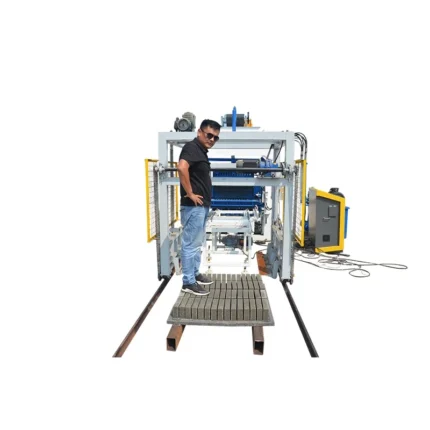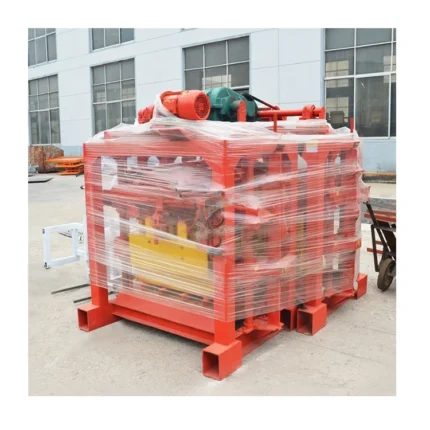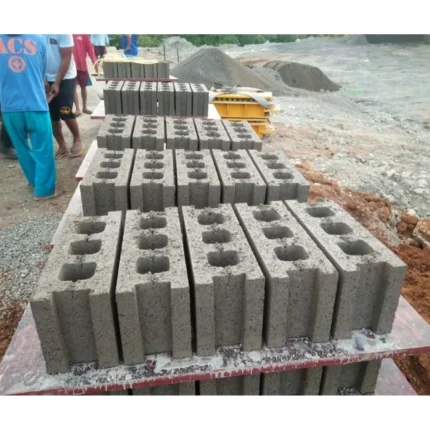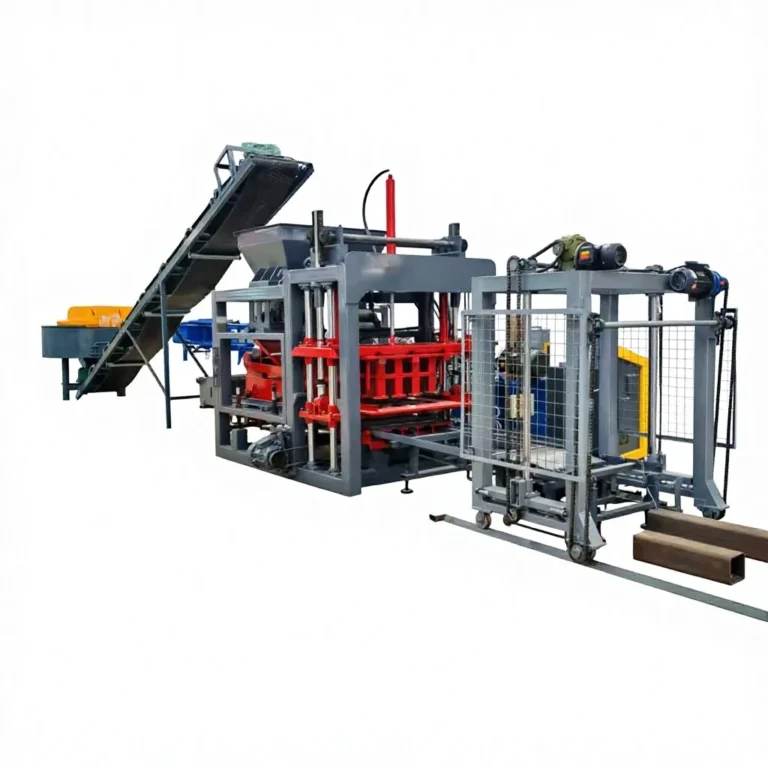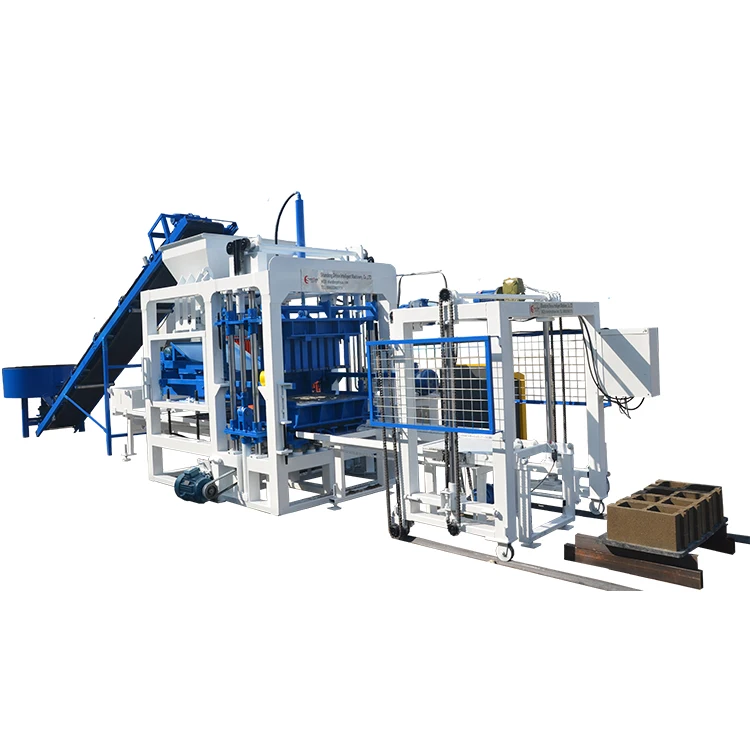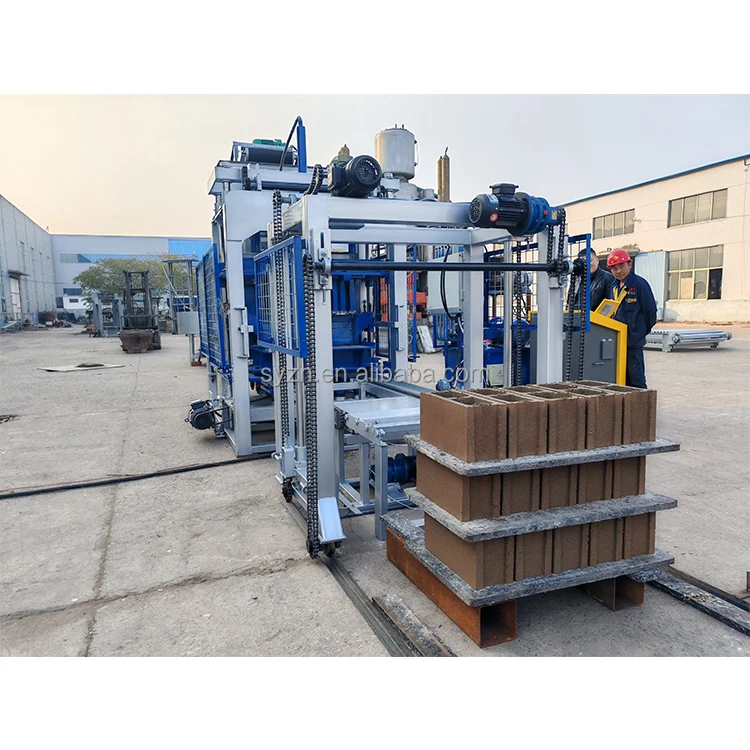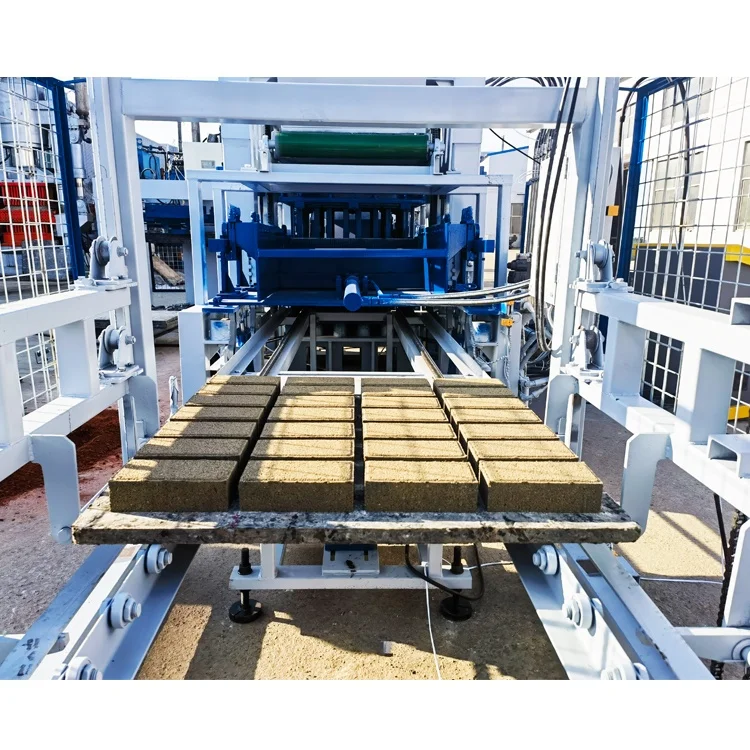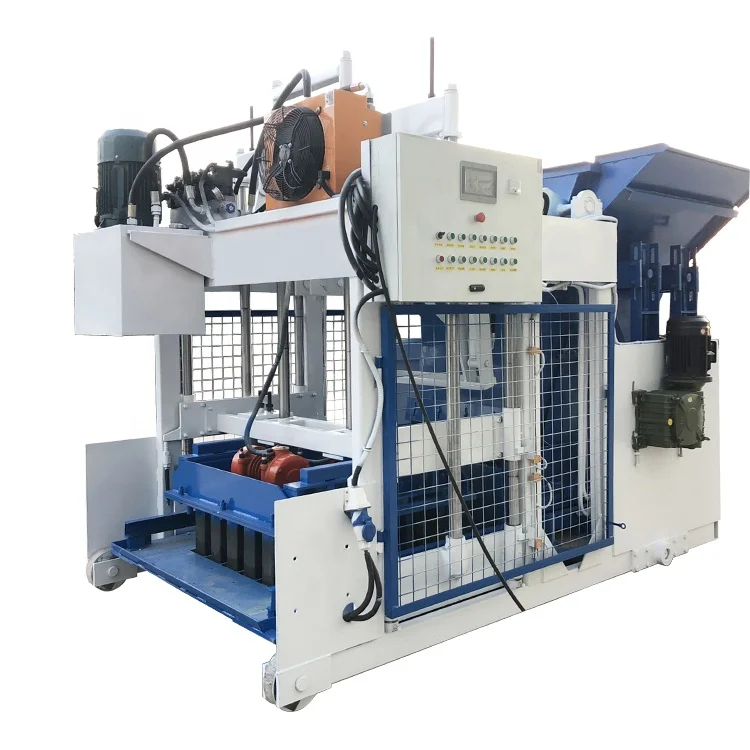
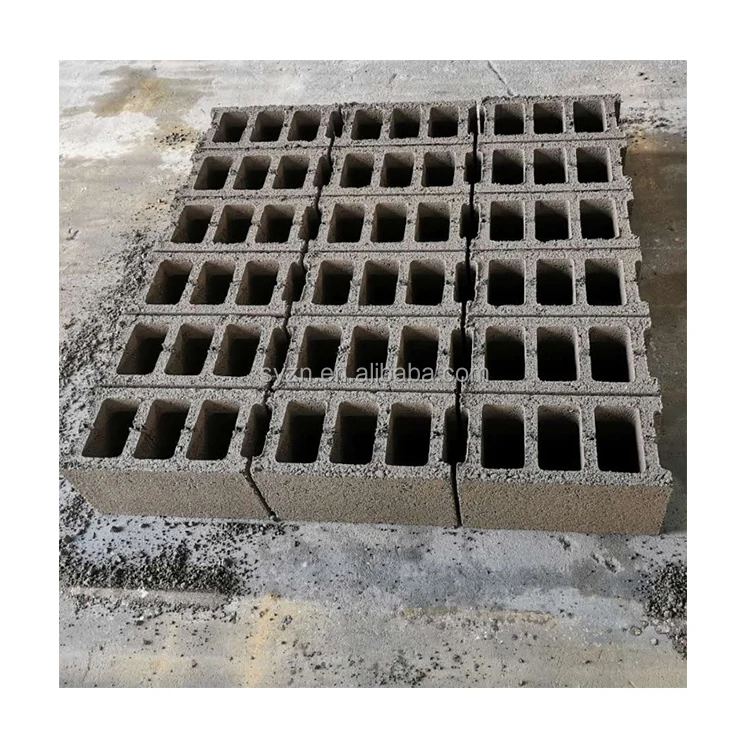
Description
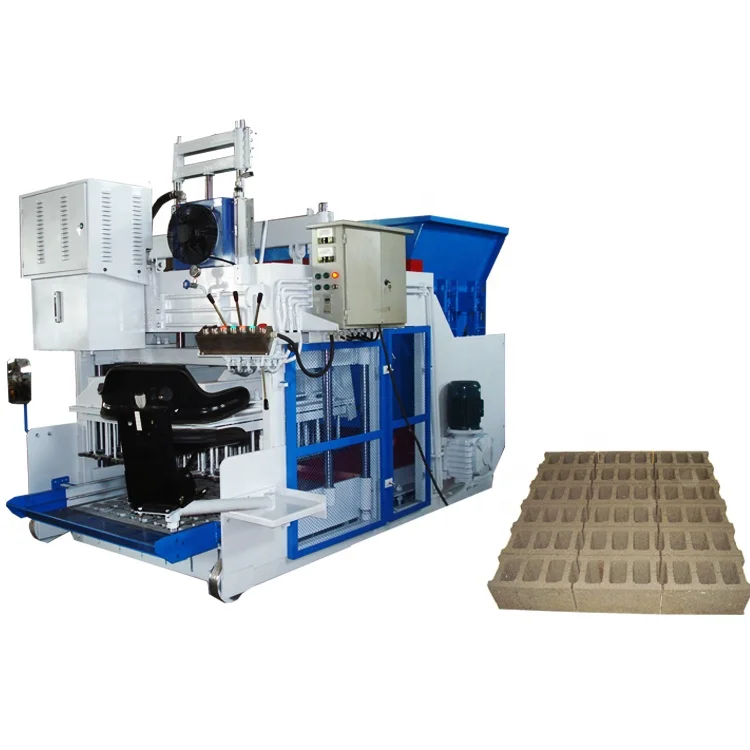
Operator-first control logic — every QMY18-15 leaving our Linyi workshop ships with its PLC language pack pre-loaded and locked to the operator’s native interface, because I have watched a machine sit idle for three days over a menu the crew could not read.
Technical Specifications
| Parameter | Value |
|---|---|
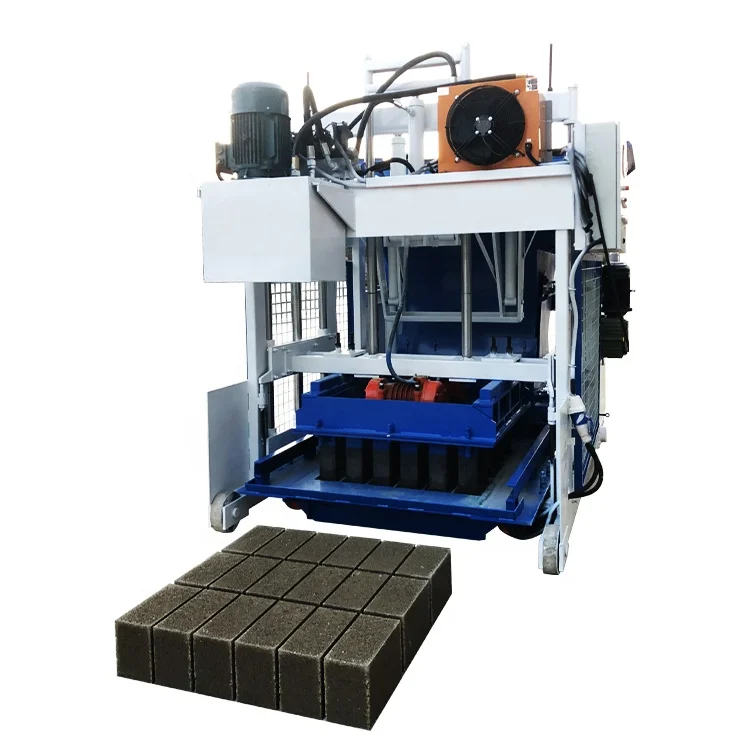
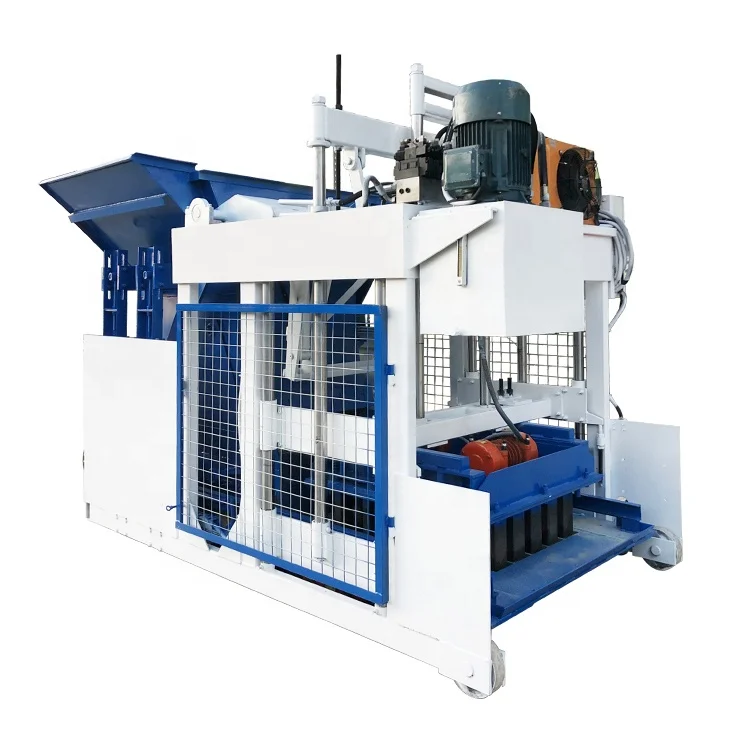
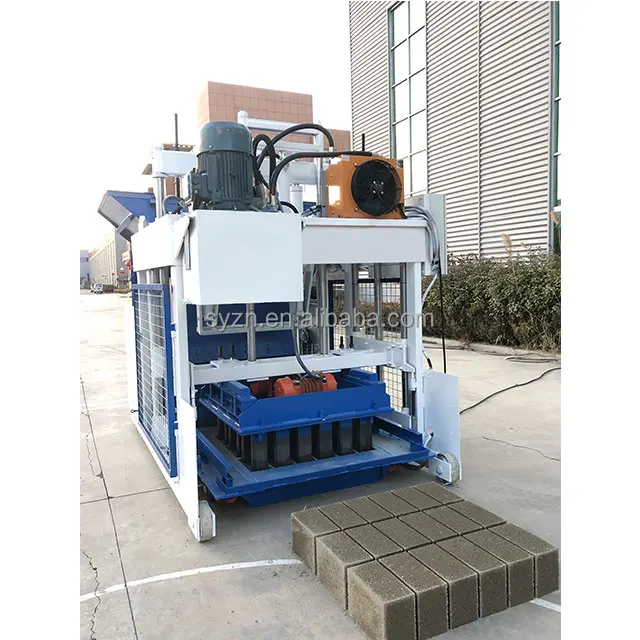
| Product Type | Mobile Egg Laying Cement Block Machine |
| Theoretical Output | rated per cycle; actual output depends on block format and operator rhythm (basis to be confirmed) |
| Vibration System | Electric motor-driven vibration |
| Power Source | Diesel engine or electric motor (configurable) |
| Control System | PLC with configurable display language |
| Mould Change | Manual bolt-type mould fixing |
| Block Forming | Egg laying, no pallet required |
| Mobility | Self-propelled on wheels |
| Voltage | Configurable to local supply standards |
Application Suitability
| Application | Material or Output |
|---|---|
| On-site hollow block production | Crushed stone, sand, cement, water |
| Solid block laying for site walls | Local aggregate blended with cement |
| Paving block production at project locations | Fine aggregate with cement binder |
| Remote project block supply | Any locally sourced granular material compatible with cement |
Why PLC Language Confirmation Must Happen Before Crating
A control panel the operator cannot read turns an automatic machine into an expensive paperweight.
I learned this on a QMY18-15 mobile egg laying cement block machine shipped to a site where the crew spoke no Chinese and very little English. The default PLC menu was in Chinese characters. The operator pressed the wrong sequence on day one, the vibration cycle ran without the feed, and the hopper jammed. Three days of remote troubleshooting via WhatsApp screenshots, each one blurry and taken in direct sunlight, before we identified the language pack setting buried two sub-menus deep. Since then, every unit I am involved with gets a written language confirmation before the crate is nailed shut [NEED_CITE: common PLC interface languages supported by industrial block machine controllers]. The QMY18-15 Automatic Mobile Egg Laying Cement Block Machine is no exception to that rule.
What Automation Actually Removes From the Operator
The PLC on this QMY18-15 handles the vibration timing, feed cycle, and travel sequence so the operator does not have to count seconds or guess when the mould has filled. On a purely manual egg layer, the operator decides when to st*e mould — three decisions per cycle, each one affecting block density and dimensional consistency. The QMY18-15 Automatic Mobile Egg Laying Cement Block Machine takes those three decisions out of human hands and runs them on a fixed logic loop. That means the block laid at seven in the morning has the same vibration duration as the one laid at four in the afternoon, assuming the mix stays consistent.
Where the Operator Still Matters
Automation on a mobile egg layer does not mean unattended operation. The QMY18-15 still needs a person walking beside it to watch the mix consistency, clear debris from the travel path, and decide when a worn mould needs swapping. The PLC can control timing, but it cannot see that the aggregate gradation shifted because the supplier changed quarries, or that a pallet of blocks just laid on soft ground needs a longer set time before the next pass. This is where the operator’s judgment stays irreplaceable, and where the control system should inform rather than replace that judgment [NEED_CITE: operator oversight requirements for semi-automated mobile block machines].
Reading the Specs That Actually Matter on Site
The vibration motor rating tells you how much compaction force reaches the mix inside the mould box. Higher force generally means denser blocks, but only if the mould is rigid enough to transmit that force rather than flexing. The PLC cycle time setting determines how long vibration is applied per block — too short and the mix does not consolidate, too long and the fines segregate to the bottom. Power source flexibility between diesel and electric matters on remote sites where grid supply is unreliable; a diesel-driven QMY18-15 keeps producing when the local transformer trips. The configurable voltage specification means the electric variant can be wound for the destination market’s standard before it leaves the factory, avoiding the need for a step-down transformer on site.
The Hidden Cost of Skipping the Configuration Conversation
Ordering a QMY18-15 on catalogue specs alone is how buyers end up with a machine that runs but does not produce. I have seen units arrive with a mould for a block format the local market does not buy, because the buyer assumed the standard mould would be suitable. I have seen voltage mismatches that meant the machine sat in a container for weeks while a transformer was sourced locally [NEED_CITE: voltage and frequency standards by export market]. And I have seen the mould change procedure take most of a shift because the bolt pattern was specified for quick release but the site crew had no matching tools. Each of these is a configuration decision that should have been resolved during the inquiry stage, not discovered on the first production day.
Why Source This Machine Through Our Process
We treat the QMY18-15 as one matched system — machine, mould, and control logic configured together before production starts. The mould is selected against the block format the buyer’s market actually sells, not a default from the catalogue. PLC language and control interface are confirmed in writing before crating. The voltage and frequency are set to the destination site’s grid specification. Factory testing runs the actual mould the machine will ship with, not a generic test block. Mould and hydraulic wear parts are listed and available for the first replacement cycle, so production does not stop when the initial set wears through.
Documentation & Verification
- Factory test record run with your specified mould and block format
- PLC language and control display confirmation document signed before dispatch
- Mould drawing with dimensional tolerances for your target block format
- Electrical schematic showing voltage, amperage, and circuit protection ratings
- Operation manual translated to match the confirmed PLC display language
Installation, Commissioning & Support
- Diesel or electric power source verified against your site supply before assembly
- PLC parameter set loaded and vibration timing calibrated during first start-up
- Mould change procedure demonstrated with the actual tools included in shipment
- Operator training covers PLC menu navigation in the confirmed display language
- Wear parts list supplied with recommended first replacement intervals
- Remote troubleshooting supported via control panel screenshots in your language
What to Include in Your Inquiry
Send us the block format your market sells — hollow, solid, or paver — with the target dimensions and wall thickness. Confirm your site power supply voltage, frequency, and whether you need diesel or electric drive. Tell us the primary language your operators read, so we load the correct PLC interface before the machine is crated.
Frequently Asked Questions
Q: Can the PLC language be changed after the machine has shipped?
A: Yes, the language pack can be swapped remotely if the control hardware supports it, but it requires downloading the correct firmware file and walking the operator through the menu blind if they cannot read the current language. Confirming the language before dispatch avoids this entirely and saves days of commissioning delay.
Q: Does the QMY18-15 require pallets for block production?
A: No, this is an egg laying machine. It deposits blocks directly onto a prepared ground surface and moves forward, leaving the block to cure in place. This eliminates pallet purchase, pallet handling, and pallet return logistics, which is the main reason buyers choose mobile egg layers over stationary press machines.
Q: How long does a mould change take on this machine?
A: The mould is bolt-fixed to the vibration table. Change time depends on the bolt type specified at order. Standard hex bolts require hand tools and take longer; quick-release fittings reduce the swap to a shorter operation. Specify your preferred bolt type during the inquiry so the machine arrives ready for fast changeovers.
Q: Can I run the machine on both diesel and electric power?
A: The power source is configured at the factory as either diesel or electric drive based on your order specification. The two systems are not interchangeable on a single unit without significant modification. Confirm your site power reliability during the inquiry so we configure the correct drive system before production.
Q: What block formats can one QMY18-15 produce?
A: The machine produces one block format per mould installed. You can order multiple moulds for different formats — for example, a hollow block mould and a solid block mould — and swap them on site. Each mould must be designed for the machine’s vibration table dimensions and bolt pattern to ensure proper fit and block quality.