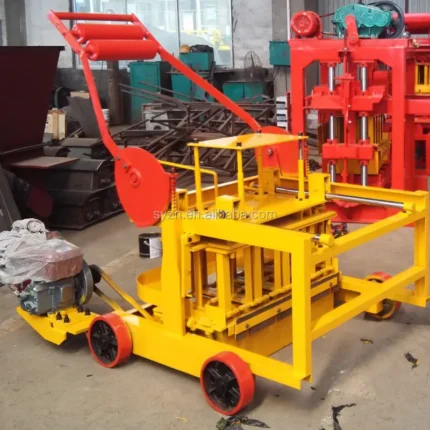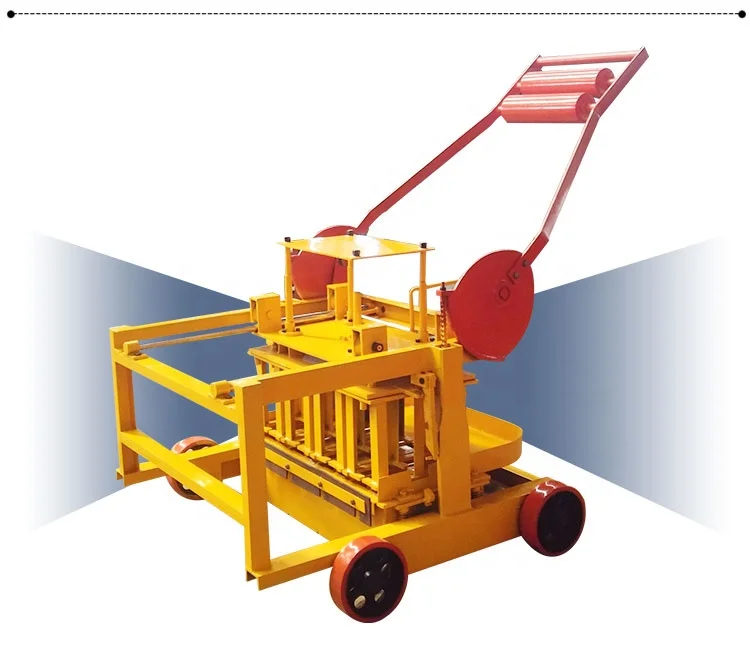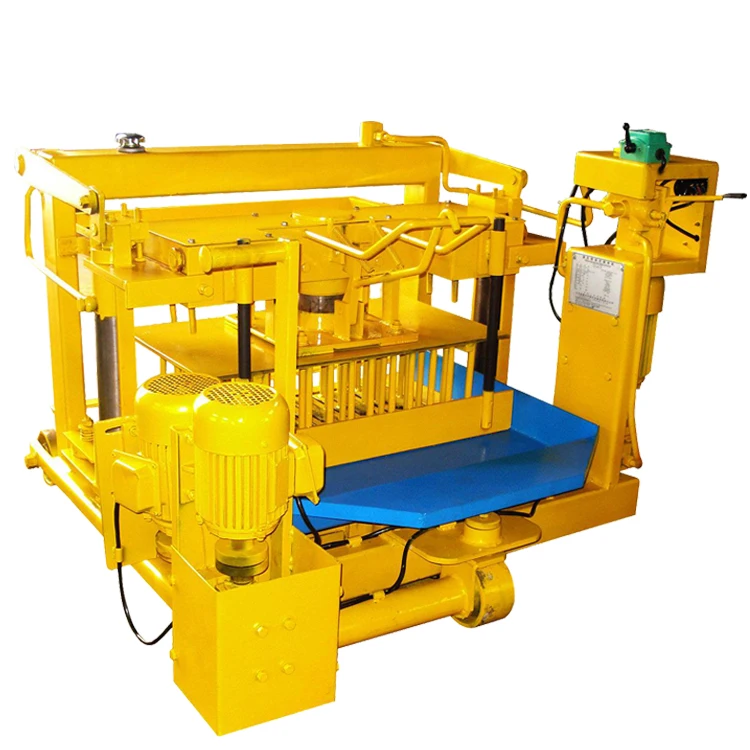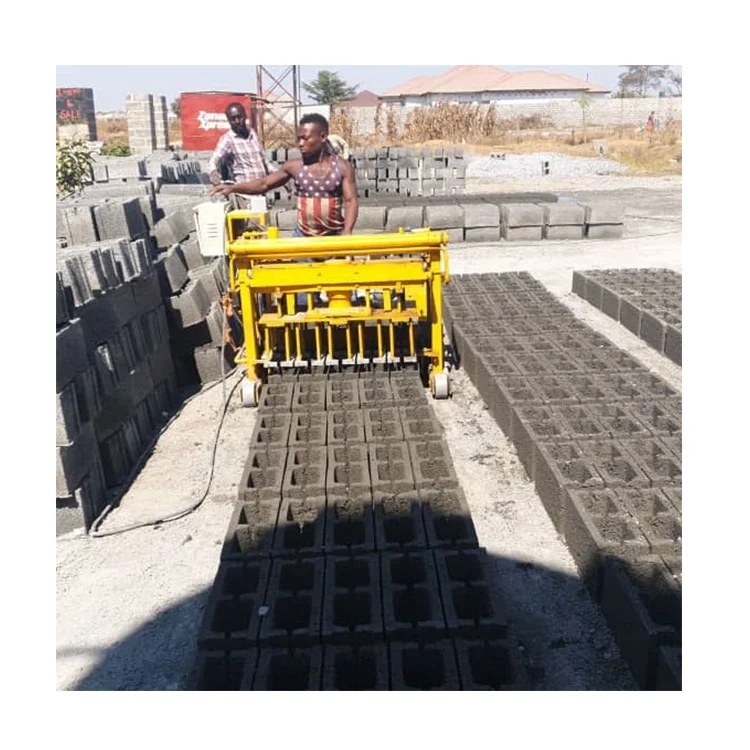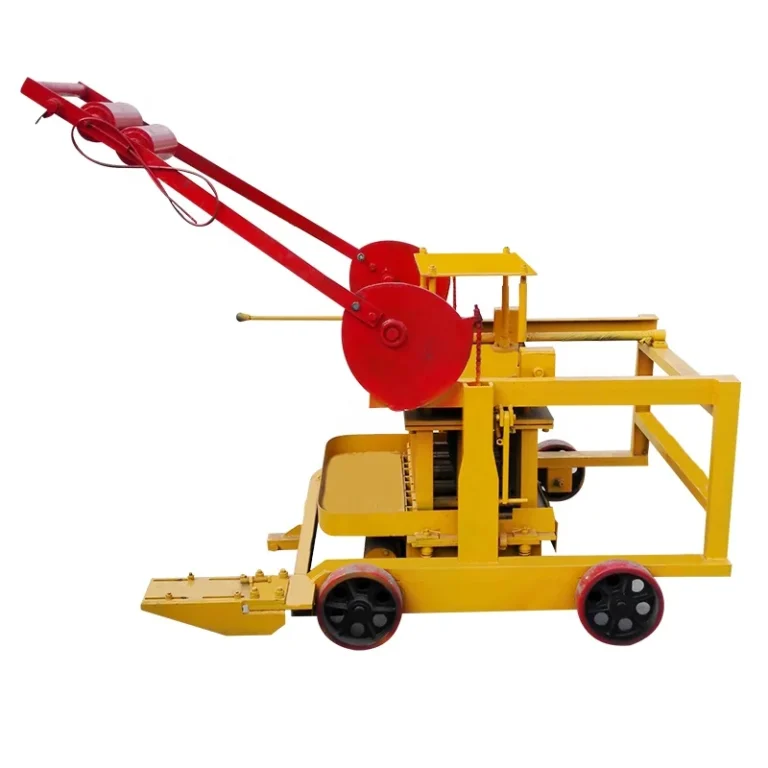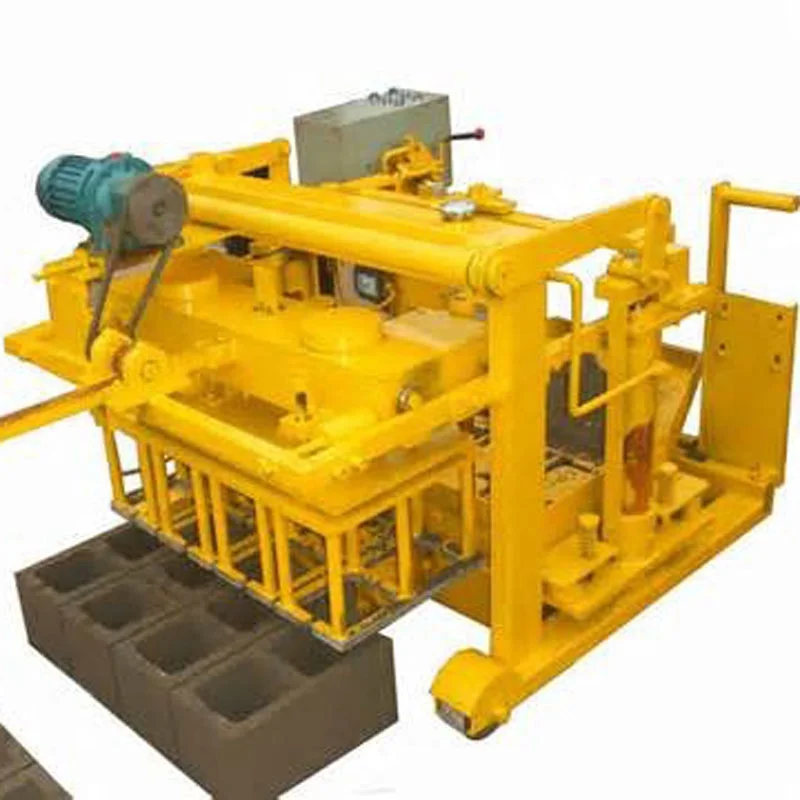
Description
Hydraulic vibration baseline — The QMY4-30 delivers a controlled 28.6 KN exciting force at 4500 r/min as the starting point for automation, removing operator guesswork from block density.
Technical Specifications
| Parameter | Value |
|---|---|
| Model | QMY4-30 |
| Product Type | Mobile Hydraulic Block Making Machine |
| Overall Dimensions (L×W×H) | 1300 x 1500 x 1000 mm |
| Net Weight | 950 kgs–1000 kgs |
| Hydraulic Method | Mold Vibration |
| Exciting Power | 28.6 KN |
| Excitation Frequency | 4500 r/min |
| Total Power | 5.95 kW |
| Molding Cycle | 30 s |
| Output Capacity | 3000 pcs/day (8 hours) (basis not stated in source — confirm block format / material / thickness) |
| Raw Material | concrete, sand, cement, fly ash, lime, gypsum, stone dust, construction waste, slag, mine tailings |
| Control System | Manual / Hydraulic Transmission |
| Assembly State | Mobile, no fixed plant required |
| Voltage & Frequency | Configurable to site supply (basis to be confirmed) |
| Mould Format | Interchangeable (basis to be confirmed) |
| Automation Level | Manual operation with hydraulic assist |
Application Suitability
| Application | Material or Output |
|---|---|
| On-site hollow block production | Crushed stone, sand, cement mix |
| Remote project block supply | Fly ash, construction waste, slag |
| Small contractor daily runs | River sand, stone dust, lime |
| Rural housing block making | Coal gangue, mine tailings, gypsum |
| Coastal or desert site work | Local aggregate with cement binder |
Why "3000 Pieces Per Day" Is Not the Full Story
A capacity figure without a block format attached is a number looking for a context.
I have watched site crews in mountain projects celebrate a machine’s rated daily output, only to find the real count depends entirely on whether they are pressing hollow blocks or denser solid formats. The QMY4-30 mobile block machine completes a molding cycle in 30 seconds, but the actual volume of blocks cured and stacked by end of shift hinges on mould size, mix consistency, and how quickly the operator repositions the unit. Without specifying the target block format and wall thickness, any capacity claim becomes a ceiling rather than a guarantee. [NEED_CITE: block output calculation methods by format and density]
What Manual Operation Actually Costs in Consistency
When an operator controls feed timing and vibration duration by feel, every block in a batch carries a slightly different density profile. The automatic mobile block machine concept addresses this by locking the 30-second molding cycle into a repeatable sequence, but the QMY4-30 in its base configuration relies on manual initiation of each stage. This means block strength can drift across a single day’s production depending on operator fatigue and attention. Plants moving from this baseline toward PLC-controlled sequencing eliminate that variable entirely, achieving batch-to-batch uniformity that manual operation cannot sustain.
The Upgrade Path from Hydraulic Assist to Full Sequence Control
The hydraulic vibration system on the QMY4-30 already provides the forming force that manual machines lack, delivering 28.6 KN at 4500 r/min to compact the mix around the mould cavity. The next step in automation adds a PLC controlled egg layer block machine controller that governs feed drawer timing, vibration duration, and mould release in a single programmed loop. This removes the operator from deciding when each stage ends. For a plant owner starting with the QMY4-30’s manual-hydraulic configuration, the upgrade introduces consistent cycle execution without replacing the core pressing mechanism. [NEED_CITE: PLC retrofit options for hydraulic block presses]
How Exciting Force and Hydraulic Pressure Shape Block Density
The 28.6 KN exciting force at 4500 r/min determines how thoroughly the concrete mix settles into the mould cavity before setting. Higher vibration frequency reduces air pockets, but without matching hydraulic pressure to the mix’s water-cement ratio, the block can emerge over-compacted on the surface yet friable inside. The QMY4-30’s mold vibration method transfers energy directly through the mould walls rather than through a separate table, which concentrates compaction where it matters most. For mixes with high fly ash or stone dust content, the excitation frequency may need adjustment to prevent segregation of fine particles during the 30-second cycle.
The Hidden Cost of Arriving with the Wrong Voltage
I have seen a QMY-class mobile unit sit idle for two weeks on a highland project because the local generator output frequency did not match the motor nameplate. The QMY4-30 draws 5.95 kW across its hydraulic pump and vibration motor, a load that demands precise voltage and frequency alignment with the site’s power source. When a machine arrives configured for 380V/50Hz and the site runs on 440V/60Hz generator power, motors overheat, vibration frequency shifts, and the hydraulic pump delivers inconsistent pressure. Confirming the electrical specification before production begins prevents commissioning delays that no amount of on-site troubleshooting can quickly resolve. [NEED_CITE: voltage and frequency standards by export market]
Why Procurement Here Reduces Integration Risk
Block machinery as a single focus means the QMY4-30’s mould, pallet handling, and hydraulic system are specified as one matched set rather than sourced from separate vendors and forced to work together. Configuration starts from the buyer’s actual mix design and target block format, not a catalogue default, so the 28.6 KN exciting force is validated against the specific aggregate and cement ratio the site will use. Automation level is selectable, allowing a buyer to begin with manual-hydraulic operation and plan the PLC upgrade path without replacing the press. Mould design covers the formats the buyer’s local market actually demands, including custom profiles drawn to buyer specifications. Installation support includes operator training on the exact configuration delivered, not a generic machine overview.
Documentation & Verification
- Machine specification sheet listing confirmed voltage, frequency, and control language
- Mould drawing and format list matched to buyer’s target block dimensions
- Factory test record showing actual molding cycle and block density data
- Hydraulic and electrical schematic for site maintenance reference
- Operation and maintenance manual with wear parts replacement intervals
- CE declaration documentation where applicable to destination market
Installation, Commissioning & Support
- Verify 5.95 kW total load against site generator or grid circuit capacity
- Level ground preparation for 1300 x 1500 mm footprint without fixed foundation
- Confirm voltage and frequency match before first hydraulic pump start
- Operator training on manual-hydraulic sequence and 30-second cycle timing
- Spare mould and hydraulic seal kit included for first replacement cycle
- Periodic excitation frequency check to maintain 4500 r/min vibration output
What to Include in Your Inquiry
Provide the specific block format and dimensions your market requires, along with the raw material mix and local aggregate type available at your site. Confirm your site power supply voltage, frequency, and whether you operate on grid or generator. Indicate your current automation level and whether you plan to integrate PLC control at a later stage. Share your target daily output tied to a named block format so capacity can be calculated on a verified basis.
Frequently Asked Questions
Q: What block format is the 3000 pcs/day capacity based on?
A: The stated capacity of 3000 pieces per eight-hour day has not been tied to a specific block format or wall thickness in the source data. Real output depends on mould cavity count, block density, and mix setting time. We calculate verified daily capacity only after confirming your target block dimensions and material composition.
Q: Can the QMY4-30 be upgraded to PLC control later?
A: The base configuration runs on manual operation with hydraulic assist. Upgrading to a PLC-controlled sequence involves adding sensors, a programmable controller, and automated feed timing. This is feasible on the existing hydraulic platform and allows the PLC controlled egg layer block machine functions to be added without replacing the core press assembly.
Q: How do I prevent voltage mismatch at the job site?
A: Before production, confirm your site’s supply voltage and frequency, including generator specifications if grid power is unavailable. The 5.95 kW total power demand requires matching motor windings and pump ratings. We configure the electrical system to your confirmed supply standard before shipment to avoid commissioning delays.
Q: Why does block strength vary during manual operation?
A: Manual initiation of each molding stage introduces timing differences between cycles. The QMY4-30’s 28.6 KN exciting force remains constant, but inconsistent vibration duration and feed volume cause density drift across a batch. Transitioning to automatic cycle control standardizes each stage, producing uniform block strength regardless of operator experience.
Q: Can this machine transition to a fixed automatic line later?
A: The QMY4-30 operates as a mobile unit requiring no fixed plant. When production volume outgrows mobile output, the same mould formats and mix designs transfer to a stationary automatic line. The hydraulic vibration parameters established on the mobile machine inform the specification of the larger press, preserving product consistency through the transition.