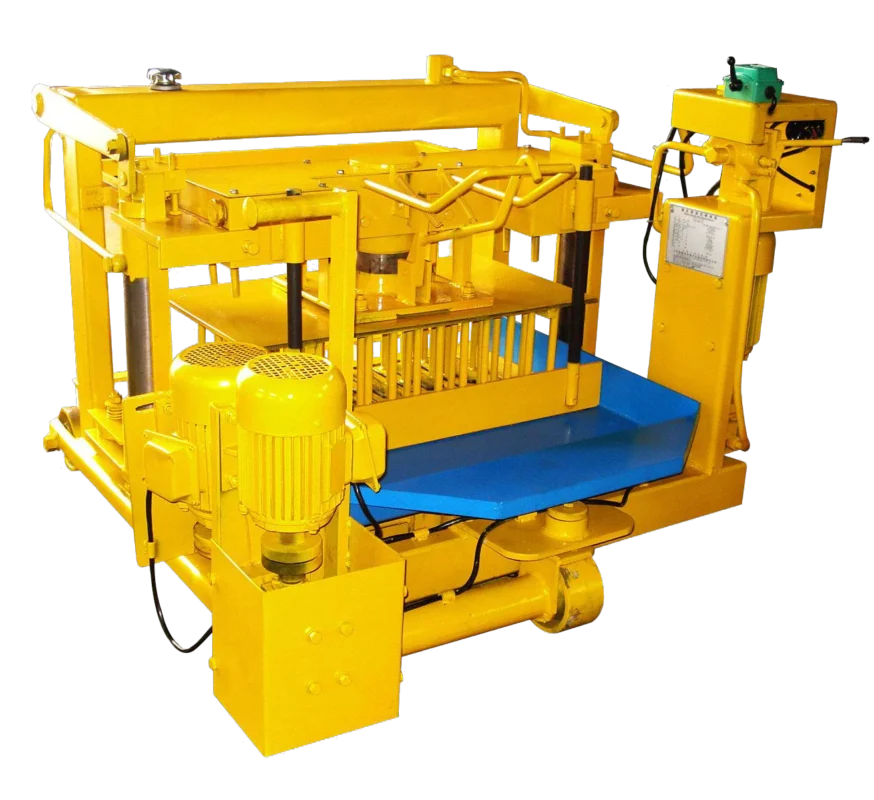
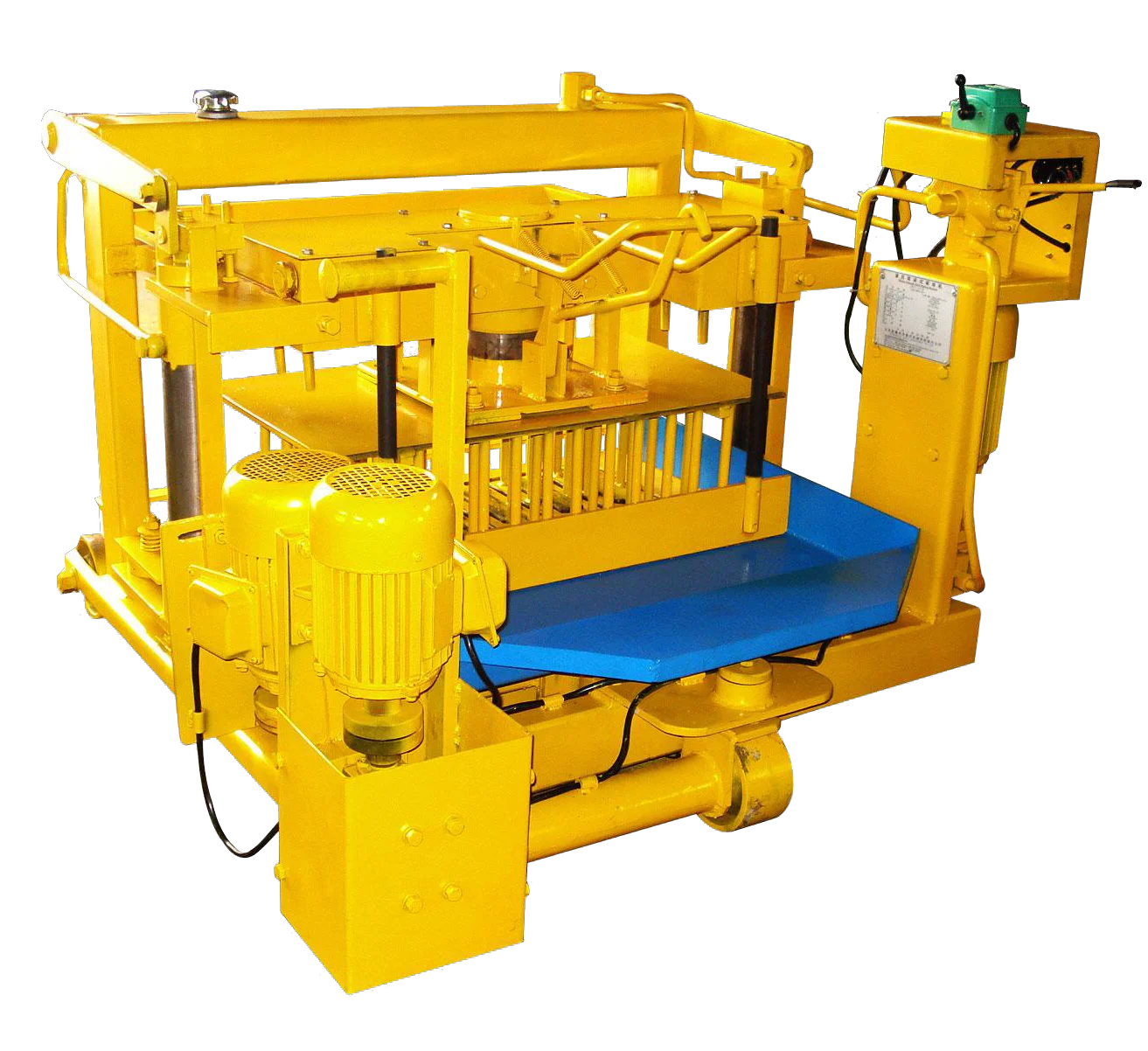
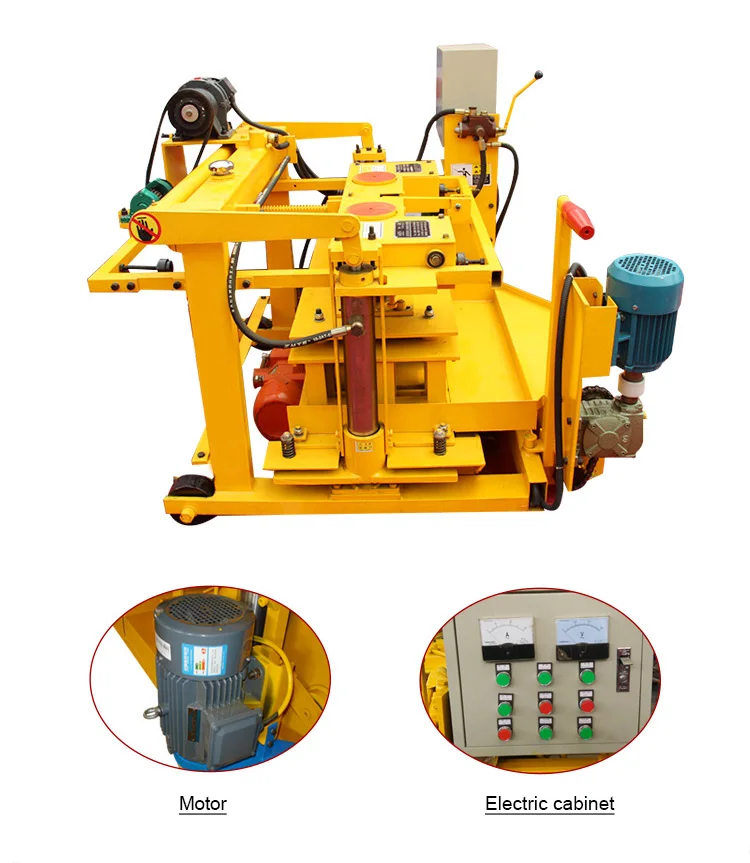
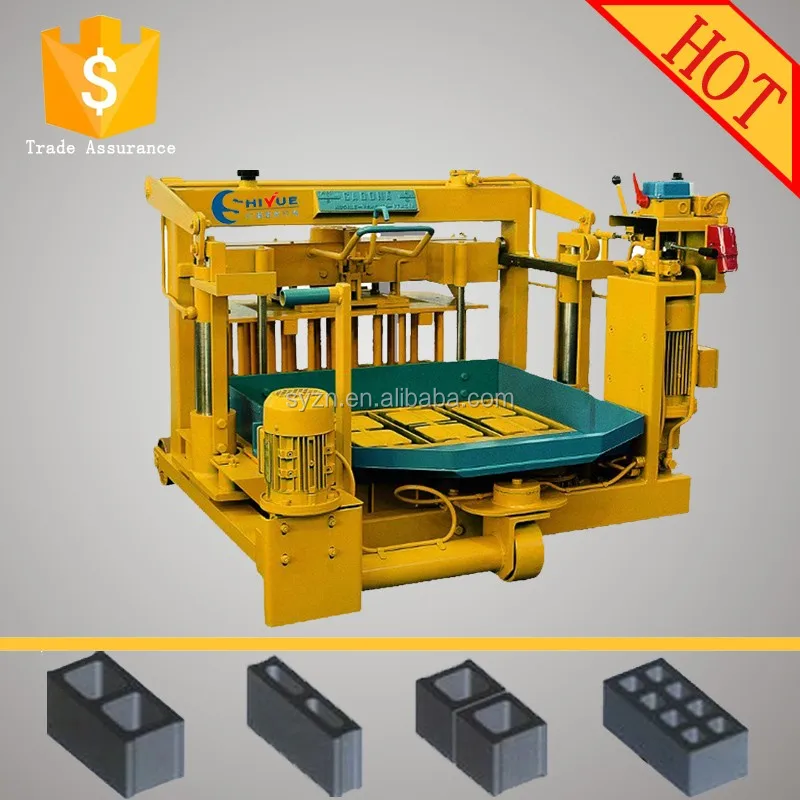
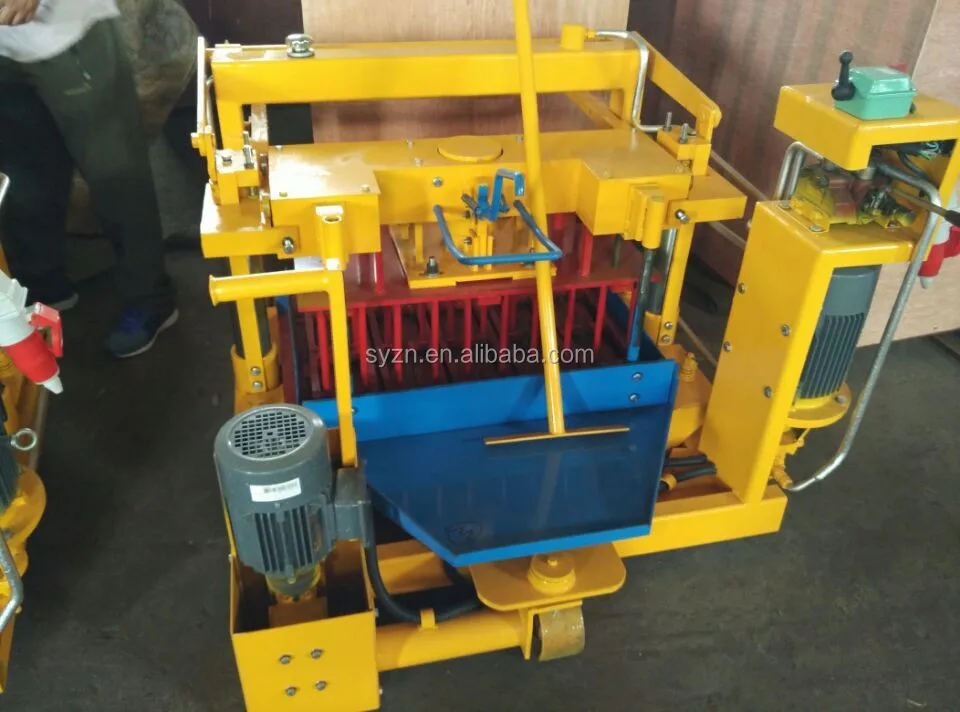
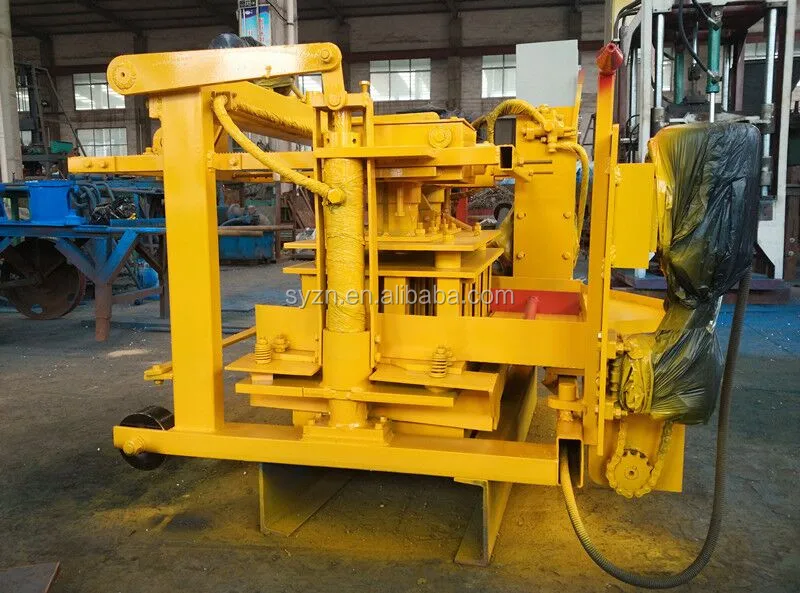
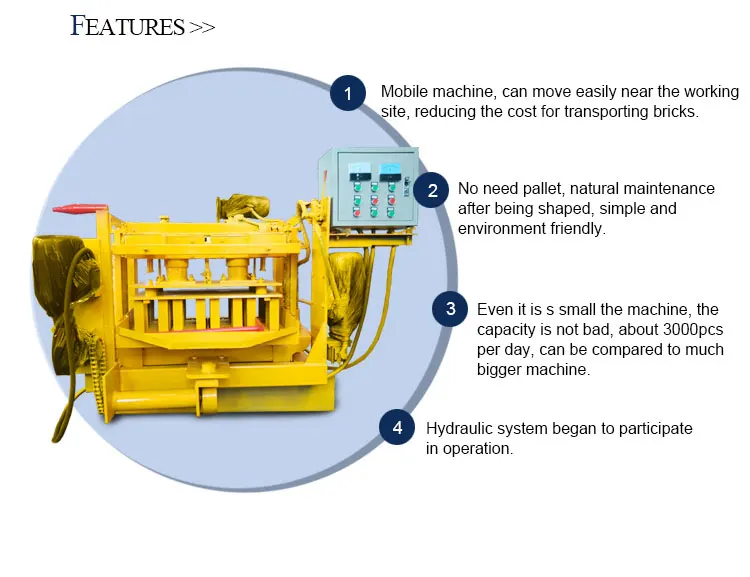
Description
Matched System Design — Every mobile block machine leaves our Linyi workshop with mould, pallet, and vibration parameters tuned to the buyer’s actual aggregate and block format, not a catalogue default.
Technical Specifications
| Parameter | Value |
|---|---|
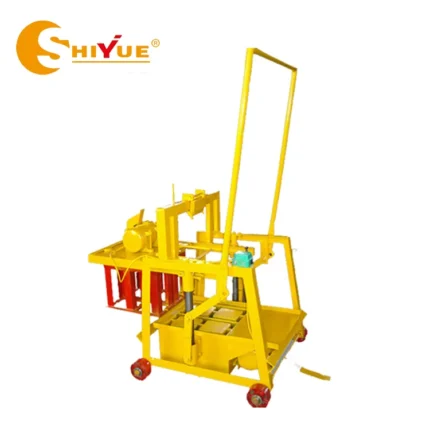
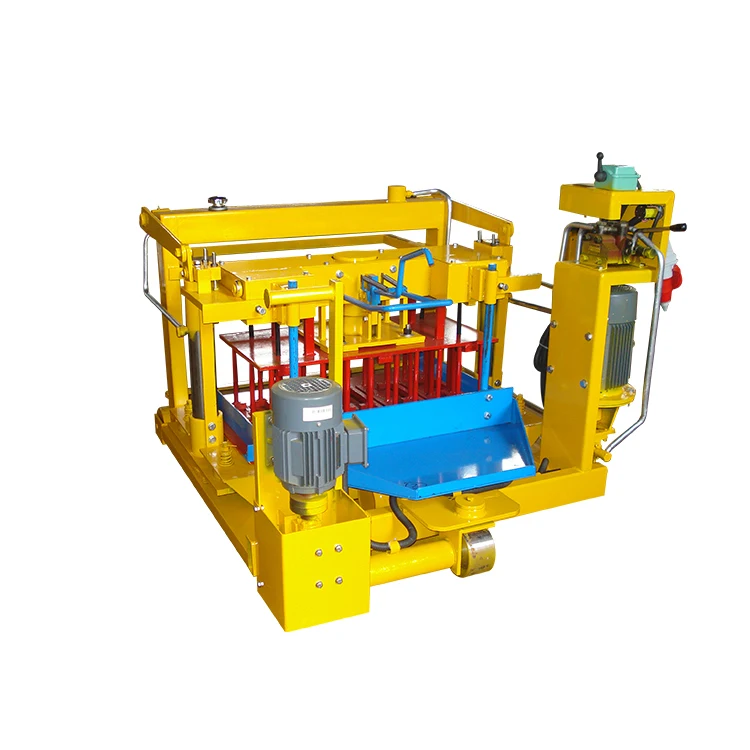
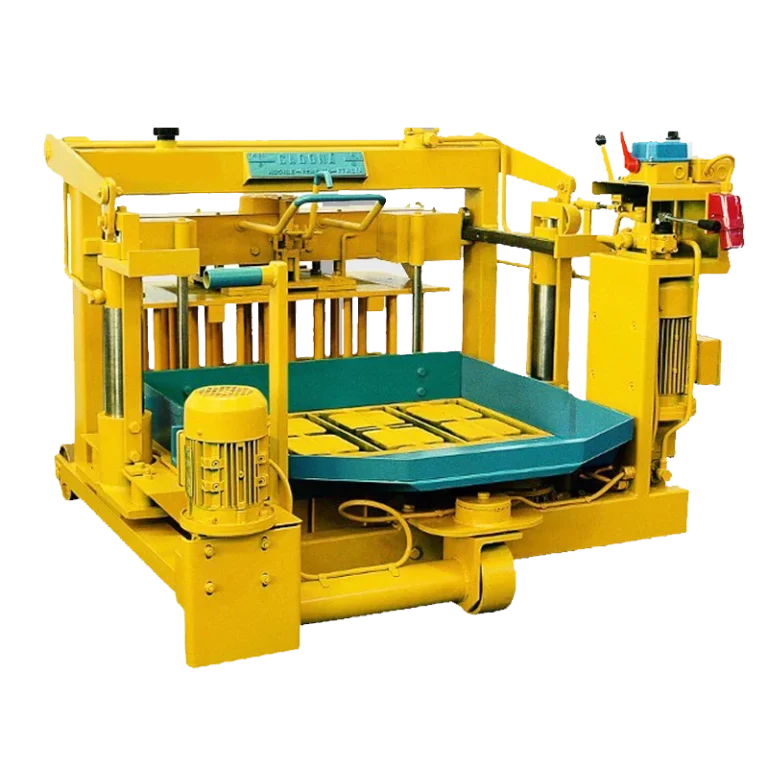
| Product Type | Mobile Egg-Laying Block Making Machinery |
| Model | QMY4-30 |
| Control System | Available with PLC or manual push-button operation |
| Vibration System | Electromagnetic vibration motor |
| Forming Cycle | Approximately 30 seconds per mould cycle (basis to be confirmed) |
| Mould Compatibility | Interchangeable moulds for hollow, solid, and paving formats |
| Power Source | Diesel engine or electric motor (configurable) |
| Voltage | Configurable from 220V to 440V based on site supply |
| Mobility | Self-propelled on four wheels, egg-laying operation |
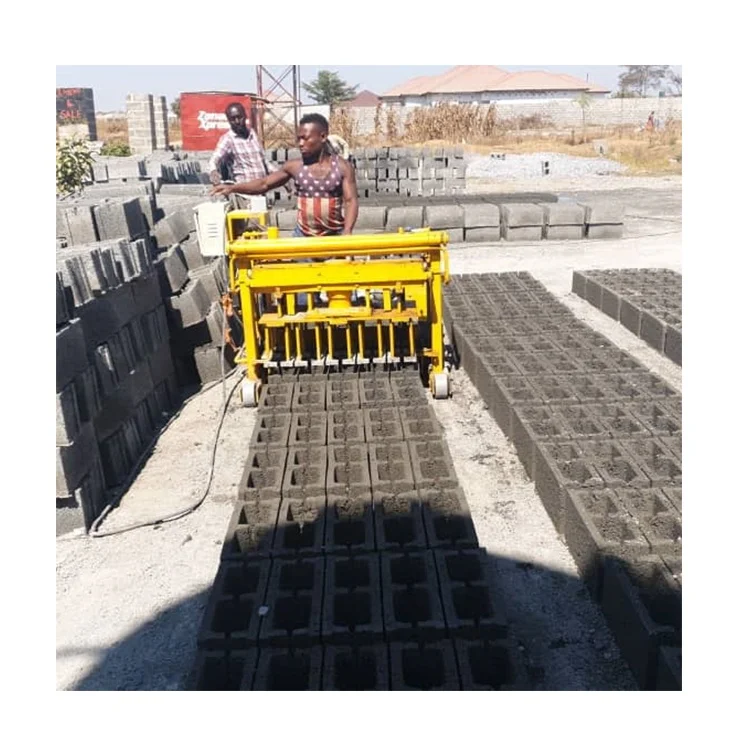
| Pallet Requirement | None required for egg-laying mode; ground-cured |
Application Suitability
| Application | Material or Output |
|---|---|
| On-site hollow block production | Crushed stone, river sand, and cement blends |
| Solid paver laying at construction sites | Fine aggregate with cementitious binders |
| Remote project block making | Locally sourced volcanic ash, laterite, or quarry dust |
| Small-scale entrepreneur production | Standard concrete mixes with manual batching |
Why "Cycles Per Hour" Does Not Tell the Whole Story
A mobile egg-laying block making machinery’s real daily output depends entirely on the block format, mix design, and ground conditions at your site.
Buyers often see a cycle time quoted and multiply it across a full shift, arriving at a daily figure that looks impressive on paper. In practice, the QMY4-30 Mobile Egg-Laying Block Making Machinery – Automatic moves between laying positions, and the time spent repositioning, the consistency of your mix, and how quickly the operator feeds the hopper all affect what you actually produce by the end of the day [NEED_CITE: realistic daily output calculation methods for mobile block machines]. I have watched machines of this class sit idle for twenty minutes per hour because the mix was too dry to release from the mould cleanly, cutting real output roughly in half compared to the quoted figure.
How the PLC Removes Operator Guesswork
The control system on this mobile block machine governs vibration duration and mould release timing with consistency that a manual lever cannot match. When the operator presses the cycle button, the PLC holds the vibration phase for the exact number of seconds the mould requires, then initiates the lift. This matters especially when you switch between hollow blocks and solid pavers, because each format needs a different vibration profile to compact properly without cracking at the edges.
What Egg-Laying Really Means for Your Site Layout
Egg-laying operation means the machine lays blocks directly on the ground and drives forward to the next position, leaving the blocks to cure in place. Your site needs a flat, hardened concrete floor of sufficient length to accommodate a full day’s production in continuous rows. The advantage is that no pallets are consumed and no pallet return system is needed, which simplifies the operation considerably. However, the floor must be level within tight tolerances; otherwise, blocks laid on an uneven surface will cure with dimensional variance that fails inspection [NEED_CITE: floor flatness standards for egg-laying block production].
Vibration Force and Hydraulic Pressure: The Pair That Decides Block Density
The vibration motor on the QMY4-30 works together with the mould geometry to compact the concrete mix into a dense, structurally sound block. If the vibration force is too low for a stiff mix with coarse aggregate, the block will have voids and weak corners. If the force is too high for a fine-sand mix, the material liquefies and slumps before the mould lifts. The hydraulic system controls the mould head pressure and lift speed, and both must be matched to the vibration profile for the specific block format you are running. When I adjusted the vibration frequency on a similar mobile machine in Peru, the change from collapsing edges to clean, stackable blocks came down to a single parameter shift.
The Cost of Skipping the Aggregate Conversation
When a buyer orders a mobile egg-laying block making machinery without specifying what aggregate is available locally, the machine arrives configured for standard crushed limestone. If the site actually uses volcanic scoria or laterite, the mix behaves entirely differently under vibration. Blocks may release from the mould with torn surfaces, or they may not release at all, forcing the operator to pry them out and damage the mould lining in the process [NEED_CITE: effect of aggregate type on block mould release and surface finish]. The result is a machine that technically runs but produces scrap at a rate that makes the project uneconomical, and the buyer blames the equipment rather than the configuration gap.
Why This Supplier Approaches Mobile Machines Differently
Block machinery is our single focus, which means the QMY4-30 is specified as a complete system — machine, mould, and operational guidance — rather than a standalone press shipped without context. We set the vibration and hydraulic parameters against the buyer’s actual mix design and target block format before the machine leaves the workshop. Moulds are designed and manufactured in-house for the formats the buyer’s market demands, including custom drawings when standard catalogues do not cover the required dimensions. Voltage, frequency, and PLC display language are confirmed before production begins, so commissioning is not delayed by electrical mismatches on arrival. Operator training covers mould change procedures and daily maintenance routines specific to this machine class.
Documentation & Verification
- Machine specification sheet listing confirmed voltage, frequency, and PLC language for your destination market
- Mould drawing and format list showing dimensions and cycle assumptions for each block type
- Factory test record on your specified block format and mix before dispatch
- Operation and maintenance manual with troubleshooting flowcharts for common egg-laying faults
- Packing photographs and customs documentation support for your import process
Installation, Commissioning & Support
- Flat hardened concrete floor required with level tolerance suitable for egg-laying block rows
- Power supply matching confirmed voltage and frequency with dedicated circuit breaker for the vibration motor
- Machine shipped partially assembled with wheels and hopper detached to fit container loading
- On-site commissioning includes vibration tuning to your local aggregate and first mould change demonstration
- Operator training covering daily greasing points, mould cleaning, and PLC parameter adjustment
- Wear parts list provided with recommended reorder intervals based on your production volume
What We Need to Configure Your Machine Correctly
To move from a general inquiry to a workable proposal, we need to know the block formats your market actually sells, the daily volume you intend to produce, and the aggregate materials available within reasonable transport distance of your site. Confirm your local voltage and frequency, and tell us whether you prefer diesel or electric drive for the mobility function. If you have an existing curing area or are preparing a new ground slab, share the dimensions so we can estimate how many running metres of egg-laid blocks a shift will occupy.
Frequently Asked Questions
Q: Can the QMY4-30 produce different block sizes without buying a second machine?
A: Yes. The machine accepts interchangeable moulds for hollow blocks, solid blocks, and paving formats. Each mould change requires the operator to swap the mould box and adjust the PLC vibration profile to match the new format’s compaction needs. We supply the moulds and the parameter settings for each.
Q: What ground preparation does egg-laying operation require?
A: The site needs a flat, cured concrete slab with sufficient area to hold a full day’s production in rows. The slab must be level enough that blocks laid in sequence do not develop height variation. We can advise on slab specifications once you share your planned daily output and block format.
Q: Is the machine available with a diesel engine instead of an electric motor?
A: Both diesel and electric drive options are available for the mobility function. The vibration system and PLC control require electrical power regardless, so a generator set is needed on sites without grid connection. We confirm the generator sizing during the proposal stage.
Q: How do we handle mould wear and replacement parts in remote locations?
A: We provide a wear parts list with the machine, identifying the components most likely to need replacement during the first year of operation. Mould liners and vibration motor components can be shipped separately when required. We recommend ordering a starter set of wear parts with the initial shipment to avoid downtime waiting for international freight.
Q: What happens if our local aggregate is not standard crushed stone?
A: We need a sample description or lab report of your aggregate before configuration. Materials like volcanic ash, laterite, or quarry dust each behave differently under vibration, and the machine parameters must be set accordingly. This is the single most important conversation before we finalise the build specification.