Description
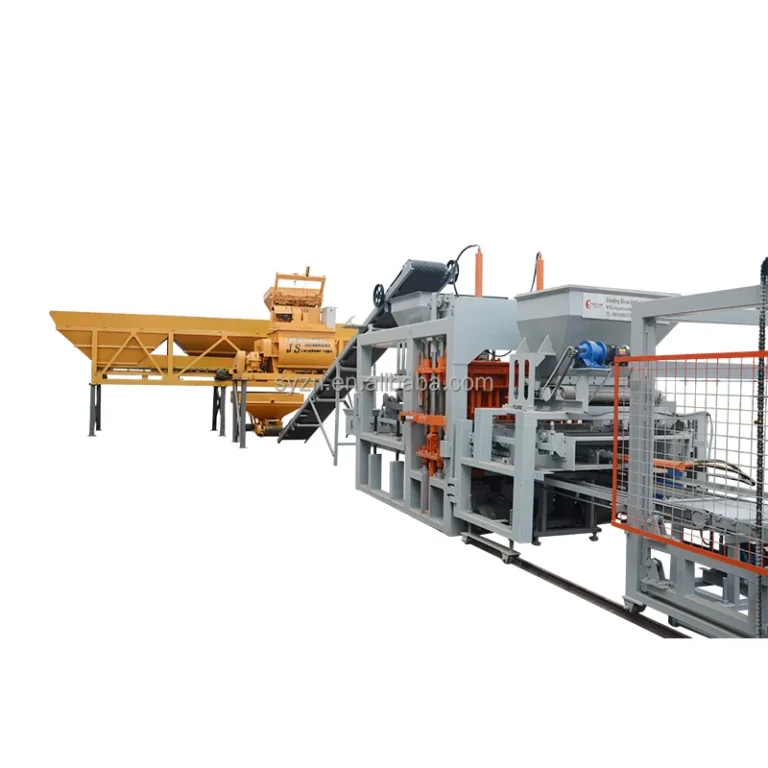
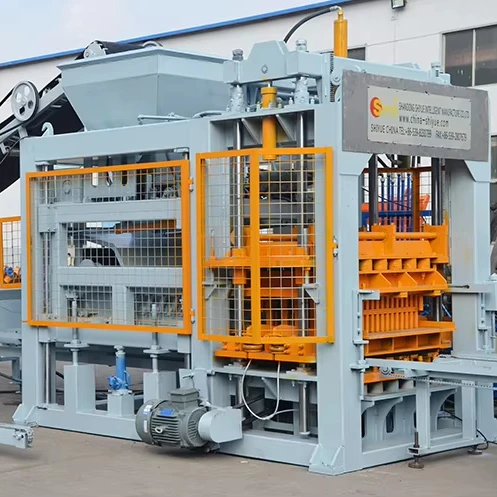
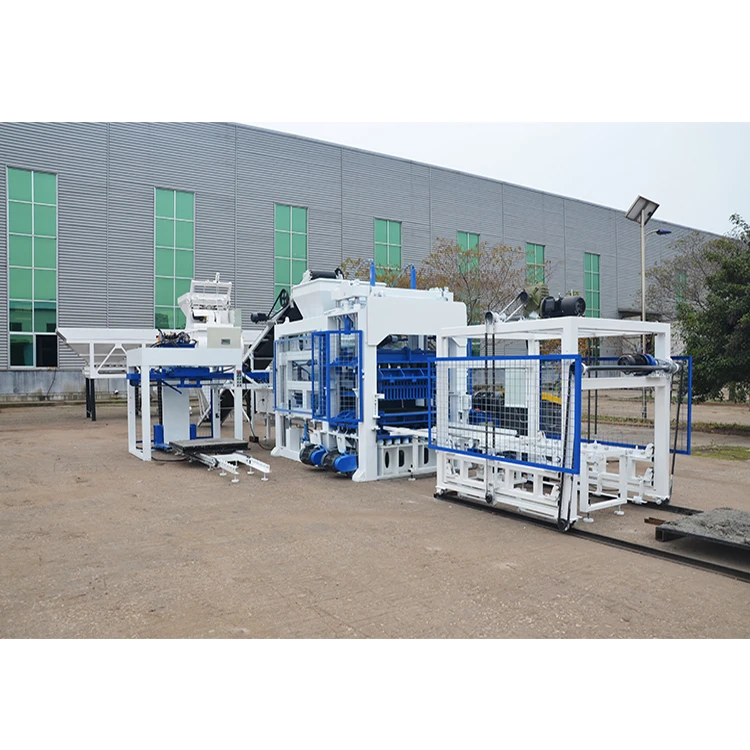
Single-Focus Automation Engineering — The QT10-15 is specified as one matched system where PLC logic, hydraulic pressure and pallet handling are coordinated before shipment, not assembled from separate suppliers on site.
Technical Specifications
| Parameter | Value |
|---|---|
| Model | QT10-15 |
| Product Type | Automatic Block Making Machine |
| Moulding Cycle | 15–25s (depends on block format) |
| Output — Hollow Block 400×200×200mm | 1,800–2,400 pcs/hour (10 pcs/mould) |
| Output — Hollow Block 400×150×200mm | 2,160–2,880 pcs/hour (12 pcs/mould) |
| Output — Solid Brick 240×115×53mm | 8,928–11,160 pcs/hour (62 pcs/mould) |
| Output — Paving Block 200×100×60mm | 5,184–6,480 pcs/hour (27 pcs/mould) |
| Output — Paving Block 225×112.5×60mm | 4,032–5,040 pcs/hour (24 pcs/mould) |
| Control System | PLC control cabinet |
| Hydraulic System | Independent integrated hydraulic station |
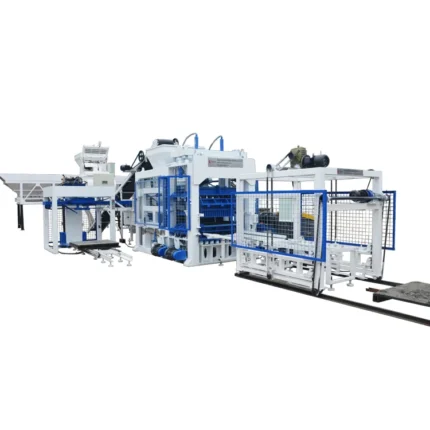
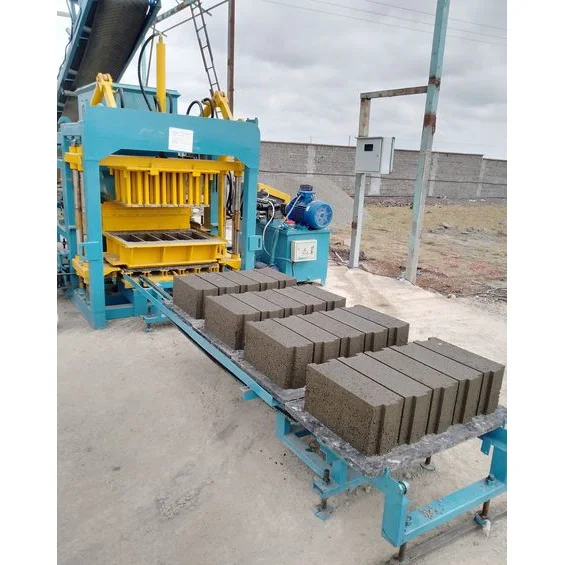
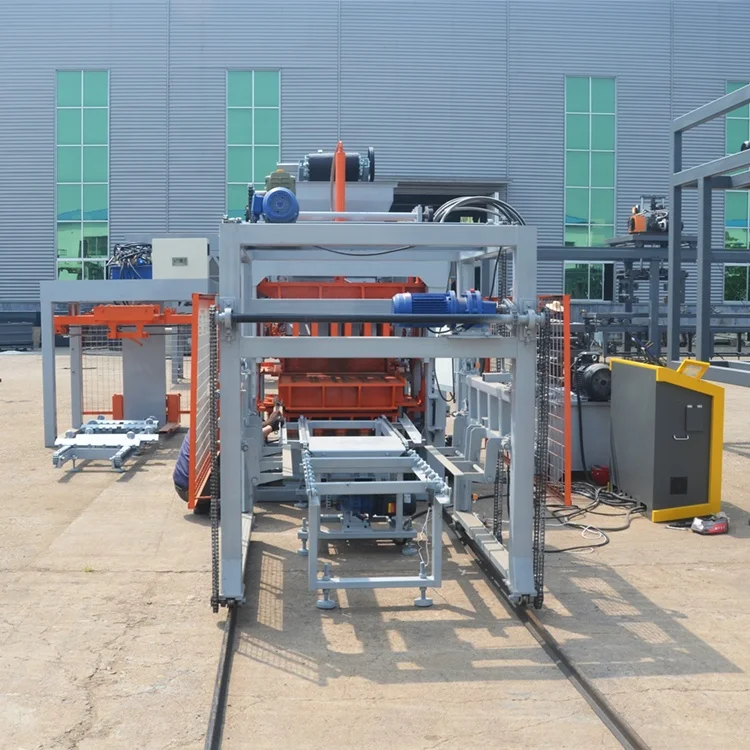
| Standard Line Components | Pallet feed machine, block making machine, storage hopper, conveyor, hydraulic unit, PLC control cabinet |
| Mould Change | Simple replacement (change time to be confirmed) |
| Automation Level | Automatic (extent of stacking and cubing to be confirmed) |
| Voltage & Frequency | Configurable (to be confirmed before order) |
| Warranty | 1 year for whole machine (excluding spare parts) |
Application Suitability
| Application | Material or Output |
|---|---|
| Hollow block production | Crushed stone, sand, cement and fly ash aggregates |
| Multicellular brick production | Lightweight aggregate and cement mixes |
| Paving block production | High-density concrete with fine aggregate gradation |
| Standard solid brick production | Conventional concrete mix with local sand |
| Interlocking brick production | Soil-cement or concrete blends depending on market |
What "Automatic" Actually Means on the QT10-15 Control Cabinet
PLC control governs the pressing cycle, pallet feed and mould operation — but stacking and cubing must be confirmed as part of your line scope before purchase.
Many buyers assume an automatic block making machine PLC controlled system covers every station from raw material feed to final cube. In reality, the automation boundary varies. I have stood in block yards where the press ran perfectly under PLC logic while operators manually stacked every pallet because the stacking station was never included in the quotation [NEED_CITE: automation scope definitions in block machinery contracts]. The QT10-15 PLC cabinet manages the core cycle, yet the extent of downstream automation — pallet return, stacking, cubing — depends on how your line is configured at the order stage.
How the PLC Coordinates Each Station in the Pressing Cycle
The PLC control cabinet sequences the storage hopper feed, mould fill, vibration, hydraulic press and pallet advance as one timed routine. Each step has a setpoint that the operator adjusts through the display, and the system holds that setpoint across every cycle. This removes the variation that comes from manual lever operation, where one operator presses harder or shorter than the next. The automatic block making machine PLC controlled logic ensures that a hollow block pressed at 6 AM has the same density as one pressed at 4 PM.
Why Language and Interface Confirmation Matter Before Production Starts
I once shipped a QT10-15 to a site in Jordan and the PLC display defaulted to English. The local operators only read Arabic, and the machine sat idle while we pushed a language pack remotely over two days. Since then, I confirm the PLC display language, parameter labels and alarm messages line by line before the cabinet leaves the factory [NEED_CITE: PLC display language options for industrial machinery exports]. Voltage and frequency are part of the same conversation — a 380V/50Hz cabinet sent to a 440V/60Hz market will burn out the hydraulic solenoid within the first shift.
Reading the Specs That Actually Shape Daily Output
The moulding cycle of 15–25 seconds is a range, not a single number, because it shifts with block format and mix design. A 400×200×200mm hollow block with ten cavities per mould demands a longer vibration dwell than a 240×115×53mm solid brick where sixty-two units fill the same pallet area. The independent integrated hydraulic station sits apart from the main frame, which keeps hydraulic oil cooler and seals cleaner despite the constant vibration of the press. This separation directly affects how long the system holds pressure accuracy before the first seal replacement is due. Mould change uses a simple replacement method, but the actual minutes spent swapping from hollow block to paving block format should be verified with the manufacturer so you can plan realistic shift changeovers.
The Hidden Cost of Assuming Automation Covers Everything
When a buyer reads "automatic" and assumes stacking, cubing and pallet return are included, the line arrives with the press running but no downstream handling. Operators end up pulling heavy wet pallets off the conveyor by hand, which creates a bottleneck the PLC cannot solve [NEED_CITE: manual pallet handling injury rates in concrete block plants]. The automation level on the QT10-15 is configurable from the press cycle through to full stacking, yet each added station changes the quotation, the electrical load and the floor space. Confirming this boundary in writing before production avoids the scenario where the machine is technically automatic but the yard still runs on manual labour.
Why Buyers Source This Machine Through Shandong Shiyue Intelligent Machinery
Block machinery is the single focus here, which means the QT10-15 press, mould, pallet and handling equipment are specified as one matched system rather than assembled from unrelated suppliers. Configuration is set against your actual mix design and local aggregate, not a catalogue default. Mould design covers the formats your market sells, with custom drawings available when standard options do not match. The automation level is selectable, so a plant can start with the press cycle under PLC and add stacking later. Installation support includes operator training that covers the specific PLC interface language confirmed for your site.
Documentation & Verification
- Line layout with capacity calculation stated per block format for the QT10-15
- Voltage, frequency and PLC display language confirmed in writing before production
- Hydraulic and electrical schematic for local maintenance planning on this model
- Mould drawing and format list showing included and optional block types
- Factory test record on the buyer’s specified block format before dispatch
- CE declaration where applicable to the destination market
Installation, Commissioning & Support
- Foundation must support the QT10-15 hydraulic station and press frame vibration loads
- Dedicated electrical circuit matching confirmed voltage and frequency for the PLC cabinet
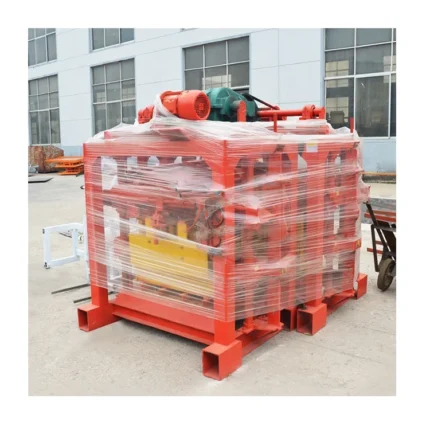
- Machine arrives dismantled for container loading with reassembly guided on site
- First-run commissioning includes PLC parameter tuning to the buyer’s mix design
- Operator training covers PLC display language, alarm response and mould change procedure
- Wear parts and mould list supplied so the first reorder is planned before spares run out
What to Prepare Before Requesting a Quotation
Share the block formats your market actually sells, the daily output you need per format and the raw materials available locally. Confirm your site voltage, frequency and the PLC display language your operators read. If you already have pallets, forklifts or a curing yard, send the dimensions so the line layout accounts for what is already on the ground.
Frequently Asked Questions
Q: How is the output capacity calculated and which block format does each figure assume?
A: Each output figure on this page is tied to a specific block format and mould cavity count. The 1,800–2,400 pieces per hour figure, for example, assumes a 400×200×200mm hollow block with ten cavities per mould. Always check which format a capacity number references before comparing machines.
Q: What does the PLC control — does it cover pallet feeding, stacking and cubing?
A: The QT10-15 PLC cabinet governs the pressing cycle, pallet feed and mould operation. Stacking and cubing are available as configurable additions. The exact automation boundary must be confirmed in the line quotation so downstream handling matches your expectation.
Q: What voltage, frequency and PLC display language options are available?
A: Voltage and frequency are configurable to match your local grid, and the PLC display language is set before the cabinet leaves the factory. All three must be confirmed in writing at the order stage to avoid commissioning delays on site.
Q: How long does a mould change take, and is it downtime?
A: Mould change on the QT10-15 uses a simple replacement method, but the exact time depends on the format and operator experience. This changeover is planned downtime and should be factored into shift scheduling when multiple block types are produced in one day.
Q: What is the upgrade path if I later want automatic stacking or cubing?
A: The automation level is selectable, so the line can start with PLC-controlled pressing and add stacking or cubing stations later. Electrical and floor space provisions should be discussed at the initial order to make the future upgrade straightforward.