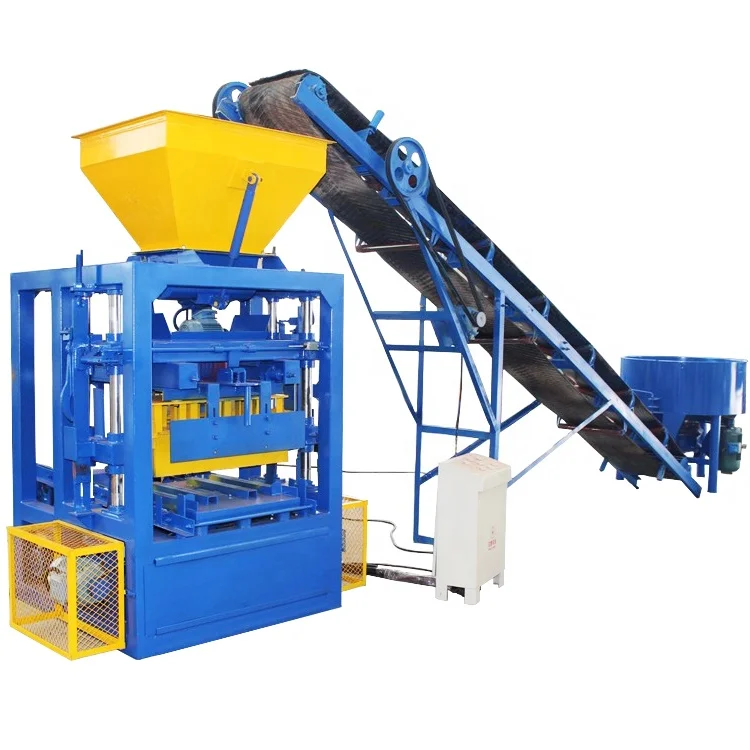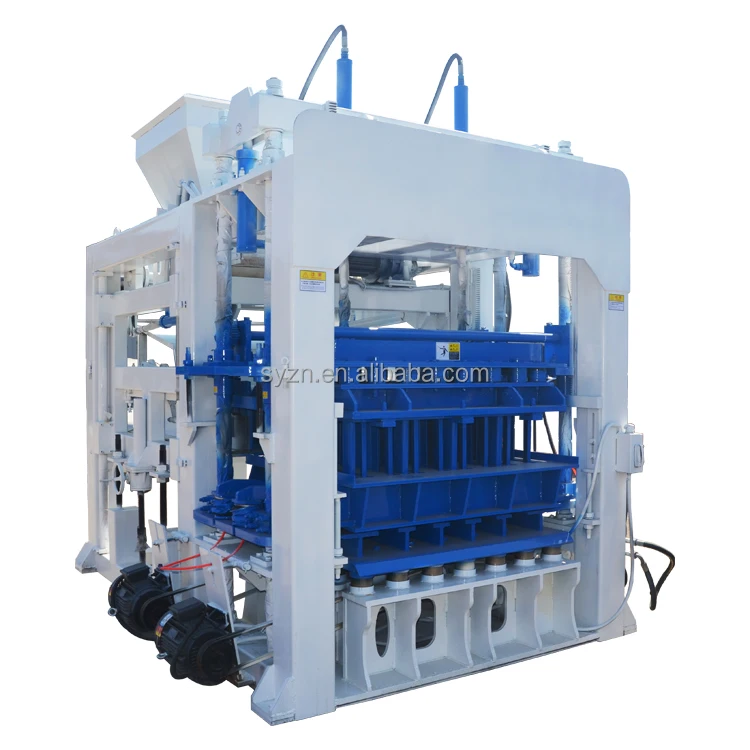
Description
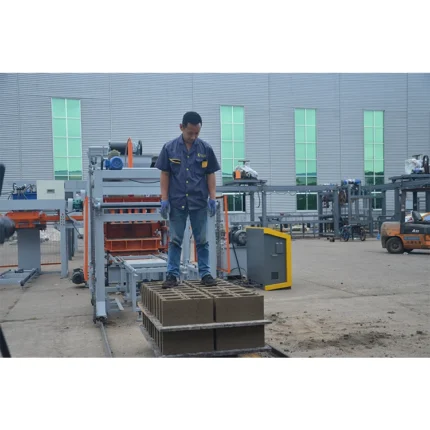
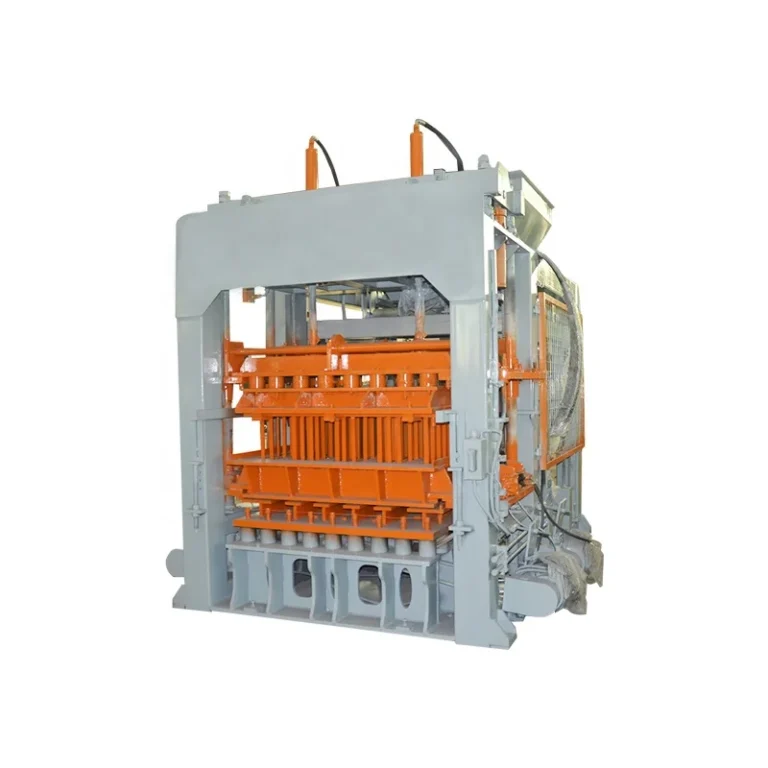
Single-focus block machinery engineering — every control parameter on the QT12-15 is configured against your actual mix design and local aggregate before the PLC dialogue system is locked in.
Technical Specifications
| Parameter | Value |
|---|---|
| Model | QT12-15 |
| Product Type | Automatic Concrete Block Making Machine |
| Control System | PLC aptitude control with human-machine interface dialogue system |
| Vibration System | Vertically synchronous vibration, frequency conversion and braking, synthetic output compounded with double vibration sources |
| Hydraulic System | Computer control flow pressure; special hydraulic loading unit |
| Feeding System | Semi-closed screen reticular rotational feeding unit (forced feeding, evenness and even speed) |
| Cycle Time (Hollow Block 400×200×200mm / 400×150×200mm / Solid Brick 240×115×53mm) | 15-20s |
| Cycle Time (Rectangular Brick 200×100×60mm / Zigzag Brick 225×112.5×60mm) | 20-25s |
| Output Capacity (Hollow Block 400×200×200mm) | 2,160-2,880 pcs/hour | 17,280-23,040 pcs/8hr (12 pcs/mould) |
| Output Capacity (Hollow Block 400×150×200mm) | 2,520-3,360 pcs/hour | 20,160-26,880 pcs/8hr (14 pcs/mould) |
| Output Capacity (Solid Brick 240×115×53mm) | 9,360-12,480 pcs/hour | 74,880-99,840 pcs/8hr (52 pcs/mould) |
| Output Capacity (Rectangular Brick 200×100×60mm) | 5,040-6,300 pcs/hour | 40,320-50,400 pcs/8hr (35 pcs/mould) |
| Output Capacity (Zigzag Brick 225×112.5×60mm) | 3,888-4,860 pcs/hour | 31,104-38,880 pcs/8hr (27 pcs/mould) |
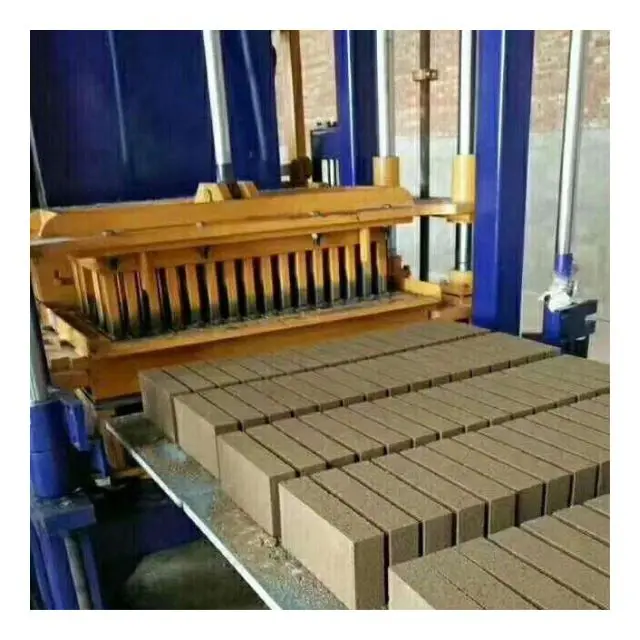
| Mould Format | Hollow block, solid brick, rectangular paver, zigzag (interlocking) paver |
| Machine Body Structure | Super-strong steel structure with imported original parts |
| Automation Level | Fully automatic (mass production capable) |
| Voltage & Frequency | (basis not stated in source — confirm with supplier) |
| Hydraulic Pressure (MPa) | (basis not stated in source — verify against manufacturer catalog) |
| Vibration Force (kN) | (basis not stated in source — verify against manufacturer catalog) |
| Pallet Size | (basis not stated in source — verify against manufacturer catalog) |
Application Suitability
| Application | Material or Output |
|---|---|
| High-volume hollow block production | Concrete mixes with local crushed stone and cement |
| Solid brick manufacturing for masonry | Standard concrete and fly ash blends |
| Rectangular paver production | Dense aggregate mixes for pedestrian and light traffic paving |
| Zigzag interlocking paver output | Interlocking concrete pavement mixes requiring high compaction |
Why the Cycle Time Claim Needs a Format Attached
A quoted cycle time is meaningless unless you know which block format it was measured on.
When I visit sites running a QT12-15 or comparable automatic concrete block making machine PLC controlled, the first question operators ask is why the shift output does not match the brochure. The answer usually sits in the cycle time assumption. A machine achieving 15-second cycles on a standard hollow block may need 25 seconds on an interlocking paver because the mould cavity geometry demands a different vibration profile and feeding sequence. Buyers who plan their entire logistics and curing schedule around a single headline figure end up short on delivery commitments [NEED_CITE: typical block plant scheduling based on cycle time assumptions]. The automatic concrete block making machine PLC controlled configuration lets you set different parameters per format, but only if those format-specific times were confirmed during the factory test.
How the PLC Dialogue System Manages Format Changeover
The PLC aptitude control with human-machine interface dialogue system on the QT12-15 allows operators to recall stored parameters for each mould format rather than manually adjusting timers and pressure settings. When a plant shifts from hollow block to rectangular paver production, the operator selects the format profile and the system adjusts vibration duration, hydraulic pressure sequence, and feeding speed accordingly. This removes the guesswork from shift changeovers and reduces the dependency on a single experienced operator who knows the settings by memory.
What Consistency Means at Production Scale
Batch-to-batch consistency in an automatic concrete block making machine PLC controlled environment depends on the control system reading sensor feedback and adjusting in real time. The computer-controlled hydraulic flow pressure on the QT12-15 responds to compaction resistance during the pressing cycle, maintaining uniform density across the mould box. On sites where I have overseen commissioning, the difference between PLC-managed cycles and manually timed cycles becomes visible in block weight variation across a single pallet [NEED_CITE: block density variation in manual versus automated pressing].
Matching Vibration Force to Your Aggregate
The vertically synchronous vibration with frequency conversion braking and double vibration sources is designed to distribute compaction energy evenly across the mould box. However, the vibration force must be matched to the buyer’s local aggregate and mix design. A mix with high clay content in the sand fraction absorbs vibration differently than a clean crushed stone mix. Running a QT12-15 on a catalogue-default vibration setting with a local aggregate that was never tested typically produces blocks with inconsistent compressive strength. The computer-controlled hydraulic system and dual-source vibration work together, but only when the parameters reflect the actual material being fed.
When Automation Removes the Operator from the Decision Loop
The QT12-15 is a fully automatic press, meaning the entire pressing cycle from material feeding through compaction to pallet discharge runs without manual intervention. The semi-closed screen reticular rotational feeding unit delivers material at even speed, and the PLC system manages timing across all stations. This level of automation reduces the operator role to monitoring and format selection rather than manual pallet handling or cycle timing. For plants upgrading from semi-automatic operation, the shift in labour requirement is substantial — the operator manages the line rather than working inside it [NEED_CITE: labour allocation differences between semi-automatic and fully automatic block plants].
The Cost of Skipping Voltage and Language Confirmation
I have seen fully automatic lines sit idle for weeks after arrival because the PLC display language was never confirmed during production, or the voltage and frequency did not match the local grid. The QT12-15 specifications list voltage and frequency as items to confirm with the supplier before production starts. A plant in a region with 415V/50Hz supply that receives a machine wired for a different standard faces a costly rewiring exercise before commissioning can begin. Confirming the PLC display language is equally important — operators troubleshooting an error message in an unfamiliar language waste shift time on simple faults.
Why Procurement Should Start with Your Mix, Not the Catalogue
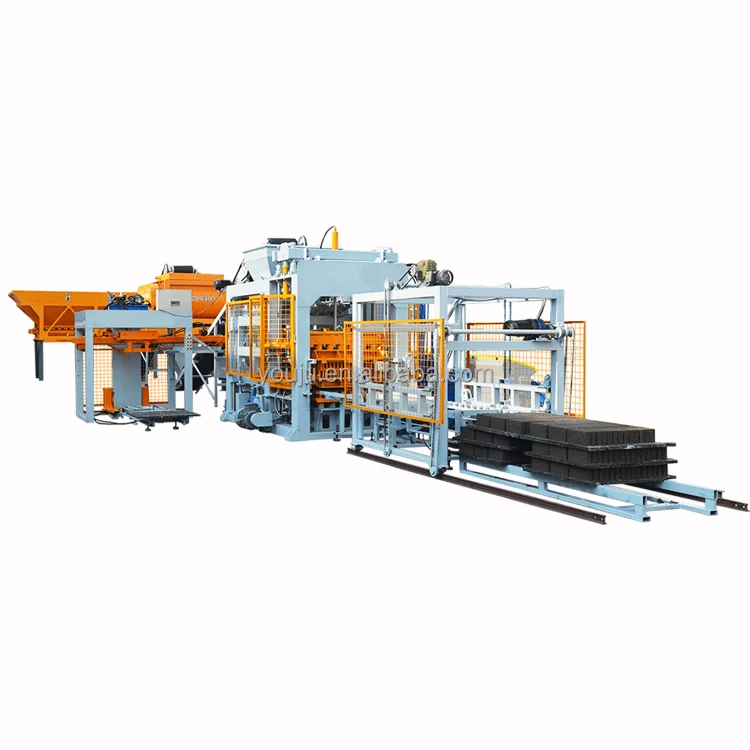
The configuration of the QT12-15 against your actual production conditions is where procurement value is determined. The machine, mould, pallet, and handling equipment are specified as one matched system rather than assembled from separate suppliers, ensuring that pallet size aligns with your existing curing area and forklift capacity. Capacity calculations are stated per target block format so you know the realistic daily output before committing. Mould design covers the formats your market actually sells, with custom drawings available for non-standard requirements. The automation level is selectable within the line, allowing a buyer to start with the QT12-15 fully automatic configuration and integrate supporting equipment as the plant expands.
Documentation & Verification
- Factory test record showing actual cycle times for your target block formats
- PLC display language and voltage confirmation documented before production
- Mould drawing and format list matching your market requirements
- Hydraulic and electrical schematic for on-site maintenance reference
- Capacity calculation sheet stating block format assumptions per output figure
Installation, Commissioning & Support
- Foundation design must accommodate the QT12-15 super-strong steel structure and vibration load transmission
- Dedicated electrical circuit required matching confirmed voltage and frequency specifications
- PLC system configured with your operator language before the human-machine interface goes live
- Commissioning includes test runs on your local aggregate with vibration force and hydraulic pressure adjustment
- Mould change procedure training covering all formats in your production schedule
- Wear parts and hydraulic seal list provided for first replacement planning
Before You Request a Quotation
Share your target block formats, expected daily output per format, local aggregate type and source, and site voltage and frequency. If you have existing pallets or curing racks, provide dimensions so the line can be configured around them. Specify the PLC display language your operators require and confirm whether supporting equipment like automatic stacking and pallet feeding is part of the scope.
Frequently Asked Questions
Q: How do I verify the real daily output of the QT12-15?
A: Request a capacity calculation that states the block format, mould cavity count, and cycle time assumption behind each output figure. The QT12-15 cycle time ranges from 15-20 seconds on hollow blocks and solid bricks to 20-25 seconds on pavers, and daily output must be calculated per format, not from a single headline number.
Q: What PLC language and voltage options are available?
A: The PLC aptitude control with human-machine interface dialogue system can be configured for your operator language, and voltage and frequency are confirmed before production. Specify your local grid standard and preferred display language during the inquiry stage to avoid commissioning delays.
Q: What operator tasks does full automation remove?
A: The fully automatic configuration of the QT12-15 removes manual pallet handling, cycle timing, and feeding control from the operator. The PLC system manages the pressing cycle, and the rotational forced feeding unit handles material distribution, leaving the operator to monitor output and manage format changeovers.
Q: How is the upgrade path from semi-automatic operation handled?
A: The line automation level is selectable, and supporting equipment such as automatic stacking, pallet feeding, and curing rack handling can be integrated as production volume grows. Starting with the QT12-15 press and adding peripheral automation later is a common approach for expanding plants.
Q: What is the mould changeover process on this machine?
A: The QT12-15 supports multiple mould formats including hollow block, solid brick, rectangular paver, and zigzag paver. The PLC system stores parameter profiles for each format, so changeover involves the physical mould swap and selecting the correct profile rather than manually resetting all timers and pressure values.