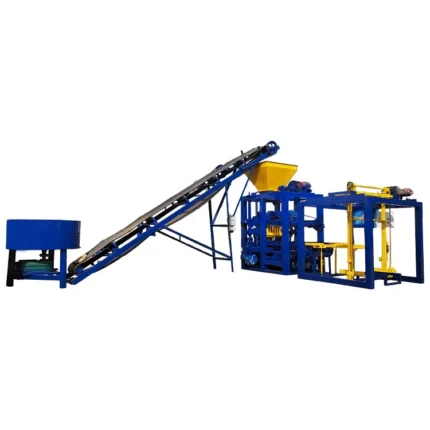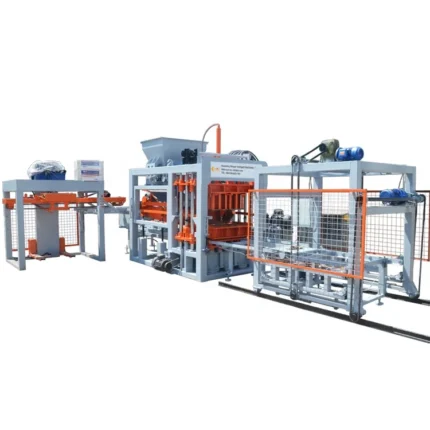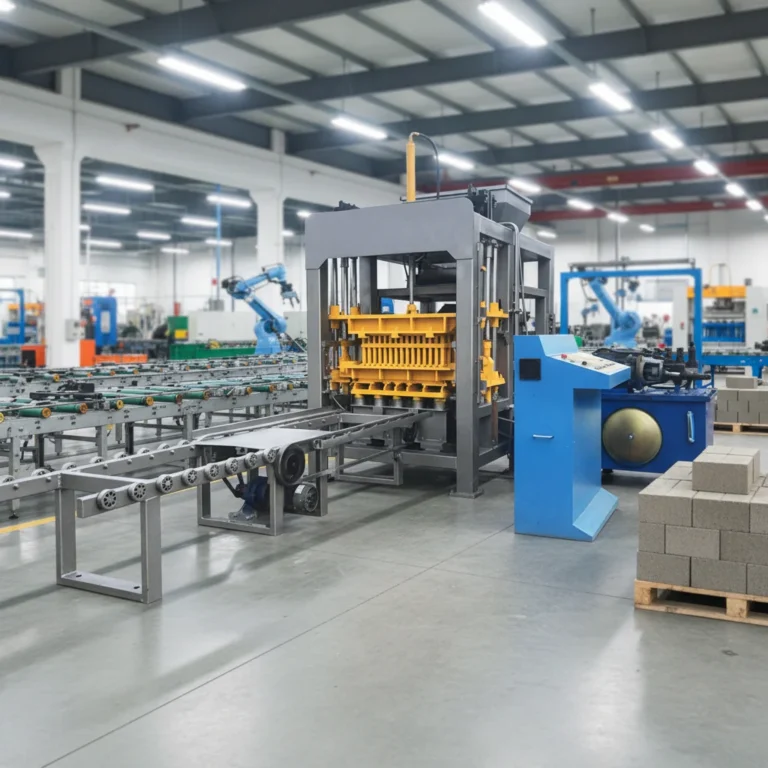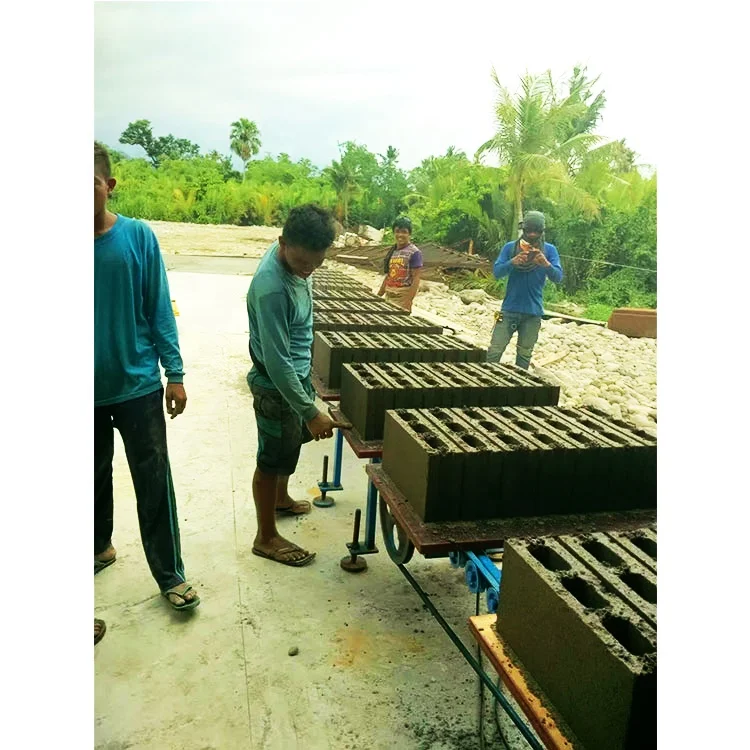


Description
Matched PLC Control — Every QT12-15 automatic block making machine leaves the factory with the HMI language, alarm prompts, and voltage settings pre-confirmed against the buyer’s plant, preventing the three-day standstill that hits when an operator faces a screen they cannot read.
Technical Specifications
| Parameter | Value |
|---|---|
| Model | QT12-15 |
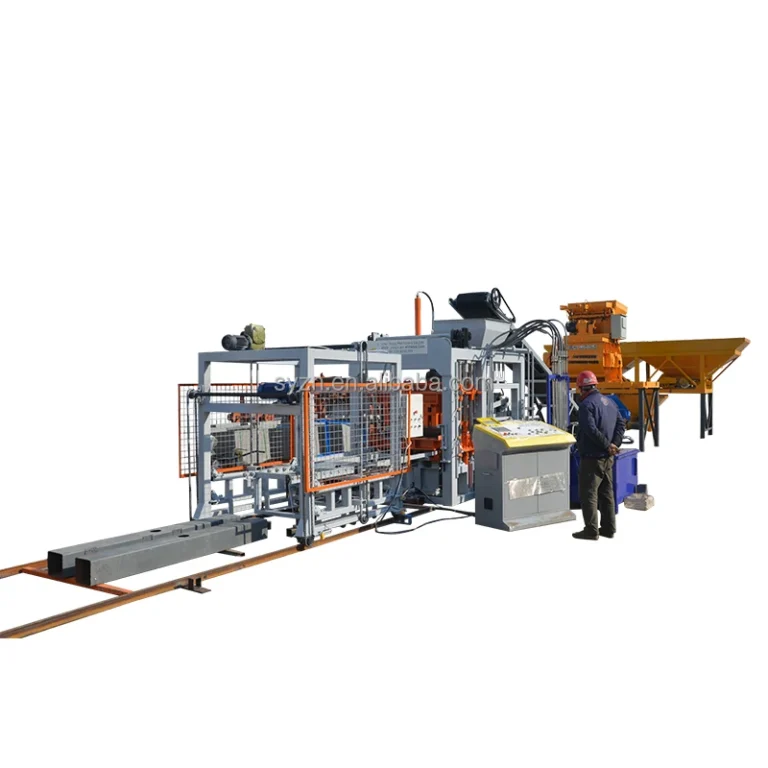
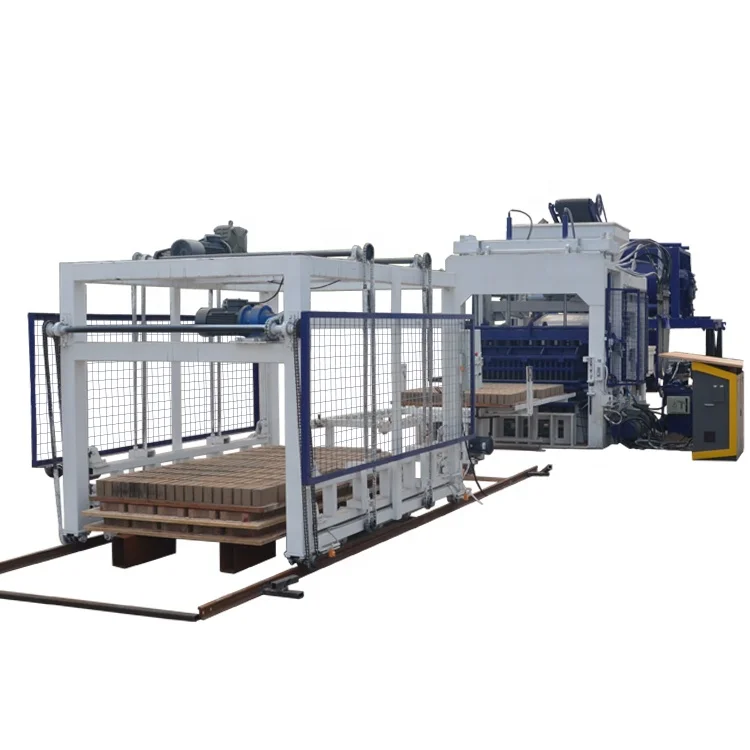
| Product Type | Fully Automatic Concrete Block Making Machine |
| Total Power | 62 kW |
| Pallet Size | 1300 × 900 mm |
| Moulding Cycle | 15–30 seconds (basis not stated in source — confirm block format / material / thickness) |
| Vibration Type | Table vibration |
| Vibration Acceleration | 20 g |
| Vibration Force | 120 kN (listed as vibration frequency in source — verify against manufacturer catalog) |
| Control System | Industry 4.0 / PLC controlled |
| Vibration Technology | Four-axis synchronized vibration with frequency conversion control |
| Static Table | Equipped with static table stop device |
| Feeding System | Press-in arch breaker with 360° rotation |
| Noise Reduction | Flexible vibration reduction on pressure head; adjustable air bag vibration reduction in mold box |
| Wear Plate | Replaceable cloth platform wear-resistant plate |
| Synchronization | Forced synchronization gear shaft with powerful synchronization frame |
| Automation Level | Fully automatic |
| Voltage | Customized according to local industrial voltage (basis to be confirmed) |
| Certification | CE (basis not stated in source — confirm certification scope) |
Application Suitability
| Application | Material or Output |
|---|---|
| Hollow and solid wall block production | Crushed stone, sand, cement, fly ash blends |
| Paving block and kerbstone manufacturing | High-density aggregate mixes with pigment layers |
| Porous and permeable brick production | Graded no-fine concrete for stormwater management |
| Slope protection brick manufacturing | Interlocking geometries for embankment stabilization |
| Fly ash brick production at scale | Fly ash, lime, gypsum, and sand formulations |
Why the PLC Language Must Be Settled Before the Machine Is Built
A control panel the operator cannot read is a fully automatic line running in manual mode.
When a PLC-controlled block machine arrives on site with alarm messages in a language the crew does not understand, the first fault becomes a shutdown event rather than a thirty-second reset. I have watched installation teams sit idle for days waiting for a translator because the HMI defaulted to a language nobody in the plant could parse. The automatic QT12-15 block making machine PLC controlled configuration eliminates this by locking in display language, alarm text, and measurement units during the order confirmation stage, not after the container is opened [NEED_CITE: industrial HMI language configuration standards for export machinery].
How the Control Layer Removes Operator Variability
In semi-automatic operation, block density depends on how consistently the operator times each press cycle and material feed. The QT12-15 transfers those decisions to the PLC, where cycle durations, vibration ramp-up, and pressure dwell are stored as named recipes tied to each mould. When the plant switches from hollow blocks to pavers, the operator selects the recipe rather than adjusting timers by feel, keeping dimensional tolerances within the range the mould was designed for.
What Four-Axis Synchronized Vibration Actually Does on the Shop Floor
Conventional single-shaft vibrators tend to concentrate force near the exciter, leaving blocks at the pallet edges under-compacted. The four-axis synchronized system on the automatic QT12-15 block making machine PLC controlled layout drives vibration from multiple points beneath the mould table, and frequency conversion control lets the system match the resonant frequency of each mix design. The 20 g vibration acceleration figure matters because it defines the peak force available to settle aggregate into the mould cavity before the hydraulic head applies final pressure [NEED_CITE: vibration acceleration requirements for concrete block compaction].
Reading the Specs That Decide Daily Output
The 1300 × 900 mm pallet size defines how many block cavities fit per cycle; a larger pallet holds more units but demands a correspondingly larger curing rack and forklift capacity in the yard. The 15–30 second moulding cycle range is only meaningful when tied to a specific block format — a thin paving brick cycles faster than a tall hollow block because the material fill depth and compaction requirement differ. The 62 kW total power rating signals the electrical supply the plant must provide, including dedicated breaker sizing and cable run distance from the transformer. The static table stop device allows the vibrator to deliver full excitation force without the table absorbing energy through downward movement, directing that force into the mix instead.
The Cost of Skipping Voltage and Language Confirmation
Plants that confirm electrical specifications after the machine is built face rewinding motors or adding transformers on arrival, both of which delay commissioning. An incorrect frequency — 50 Hz versus 60 Hz — changes motor speed and alters the vibration characteristics the machine was tuned for at the factory. When PLC display language is left as a default, every fault code requires a phone call instead of an on-screen fix, and the automation the buyer paid for sits unused [NEED_CITE: voltage and frequency standards by export market].
Why This Source Approach Differs
Block machinery is the single focus here, which means the press, mould, pallet, and handling equipment are specified as one system rather than assembled from unrelated suppliers. The QT12-15 configuration is set against the buyer’s actual mix design and target block format, not a catalogue default. Moulds are designed for the formats the buyer’s market actually sells, with custom drawings available when standard formats do not match. The automation level is selectable — a buyer can start with semi-automatic pallet handling and add stacking and cubing modules as volume grows. Installation includes operator training on the specific recipes loaded into the PLC, not a generic overview.
Documentation & Verification
- Line layout drawing showing QT12-15 stations, pallet flow, and curing rack footprint matched to your site
- Capacity calculation stating which block format and cycle time each output figure assumes
- PLC program backup with all recipes, alarm texts, and HMI language files included on USB
- Factory test record documenting vibration force readings and block dimensions from your mould
- Hydraulic and electrical schematics in the buyer’s operating language for on-site maintenance teams
Installation, Commissioning & Support
- Foundation plan specifying load points for the 62 kW vibration table and static table stop device
- Electrical panel sized for the confirmed local voltage and frequency with labeled breaker positions
- PLC language and alarm text verified against a signed checklist before crate sealing
- Mould-specific recipes loaded and cycle-tested during on-site commissioning with your aggregate
- Wear parts list with reorder codes for the replaceable cloth platform plate and vibration dampers
What to Prepare Before Requesting a Quotation
Share the block formats your market demands, including dimensions and target compressive strength, so the mould and vibration recipe can be matched from the start. Confirm the local industrial voltage and frequency, along with the preferred PLC display language, to avoid post-arrival rewiring and reprogramming. Provide the curing yard dimensions and existing forklift capacity so the 1300 × 900 mm pallet configuration aligns with your handling setup.
Frequently Asked Questions
Q: How do I verify the QT12-15 output for my specific block format?
A: Request a capacity calculation that names the exact block dimensions, mix design, and cycle time assumed. A generic cycles-per-hour figure without a format reference will overstate what the plant actually produces during a shift. The factory test record should show measured output using your chosen mould before the machine ships.
Q: What PLC brands and language options are available for the control system?
A: The control platform is specified during order confirmation based on the buyer’s market and service network availability. All HMI text, alarm messages, and recipe names are written in the confirmed language before dispatch, and the PLC program backup is included so local technicians can troubleshoot without waiting for remote support.
Q: How does the four-axis vibration adapt to different aggregate types?
A: Frequency conversion control lets the operator dial the vibration frequency to match the resonant behavior of each mix — heavier aggregate with larger particles typically requires a different frequency than fine sand blends. The 20 g acceleration headroom ensures sufficient force is available across the full material range without changing hardware.
Q: What does the mould change procedure involve and how long does it take?
A: The mould bolts to the vibration table and pressure head with standardized fixing points, and the PLC stores a named recipe for each mould so cycle parameters switch automatically on selection. Physical change time depends on whether the plant uses a manual hoist or a dedicated mould cart, which should be specified during line layout planning.
Q: How is the correct voltage confirmed before production begins?
A: The buyer provides the site voltage, frequency, and phase configuration during the inquiry stage, and this is written into the production order. Motors, transformers, and the PLC power supply are then sourced to match. A signed electrical confirmation sheet is required before the machine enters assembly, preventing costly rewinding on arrival.