

Description
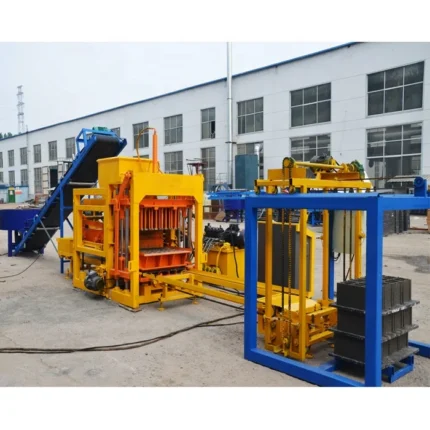
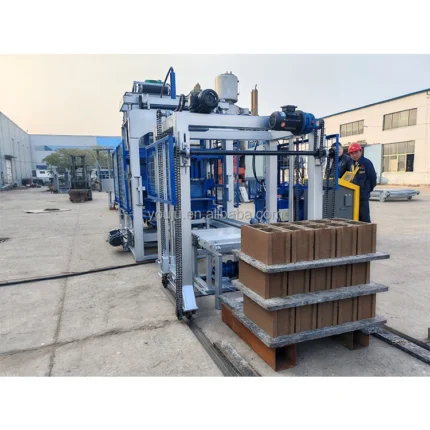
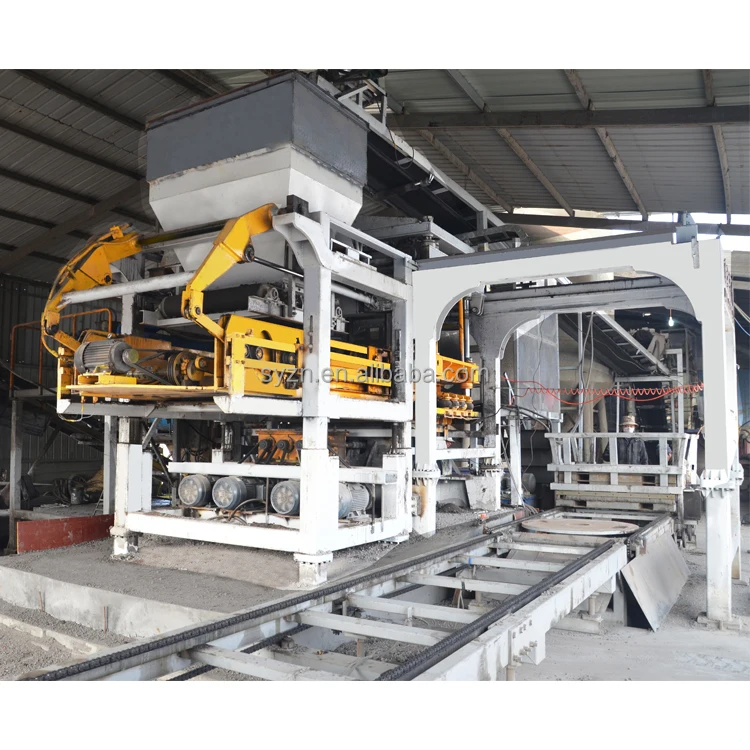
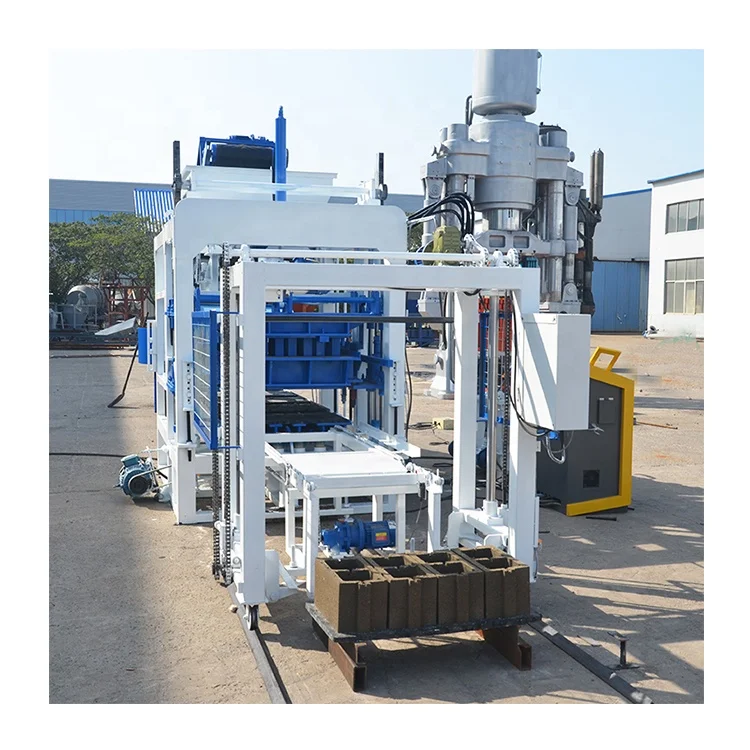
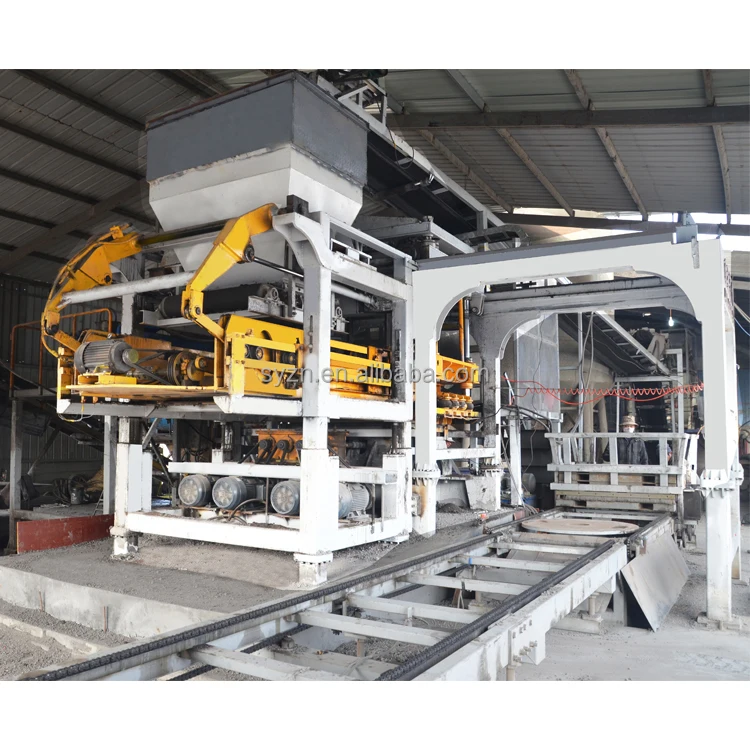
Automation matched to your site — the QT18-25 is configured around the buyer’s actual block format, local grid supply, and curing layout rather than shipped as a catalogue default.
Technical Specifications
| Parameter | Value |
|---|---|
| Model | QT18-25 |
| Product Type | Fully Automatic Pallet-free Block Making Machine |
| Brick Height Range | 50–300 mm |
| Stacking Height Range | 0–1200 mm |
| Main Vibration Form | Platform Vibration |
| Vibration Frequency | 2800–4500 r/min |
| Vibration Power | 60 kW |
| Hydraulic System Power | 59 kW |
| Diving Method | Hydraulic |
| Demolding Method | Vibration and Hydraulic |
| Molding Cycle | 15–25 s (basis not stated in source) |
| General Water Consumption | 8 T/Day |
| Factory Area | 2000 m² |
| Control System | PLC with person-machine conversation interface |
| Automation Level | Fully Automatic, pallet-free direct stacking |
| Output Capacity | (basis to be confirmed per block format) |
| Pallet Size | 1350×1350×120 mm (source value — verify whether this refers to block footprint or optional pallet mode) |
| Voltage & Frequency | (configurable — confirm with buyer’s site supply) |
| Overall Dimensions | (basis to be confirmed) |
| Net Weight | (basis to be confirmed) |
| Hydraulic Pressure | (basis to be confirmed) |
| Vibration Force | (basis to be confirmed) |
Application Suitability
| Application | Material or Output |
|---|---|
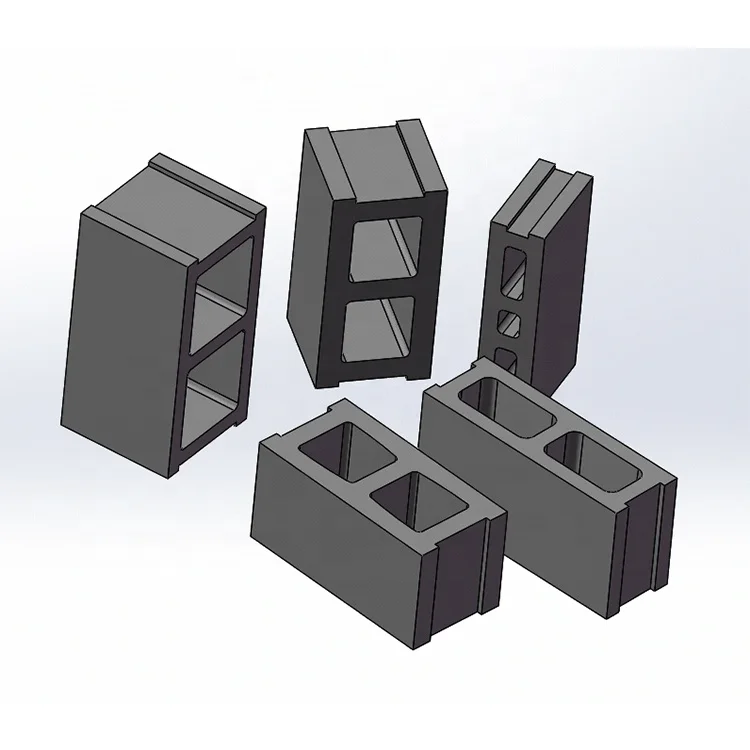
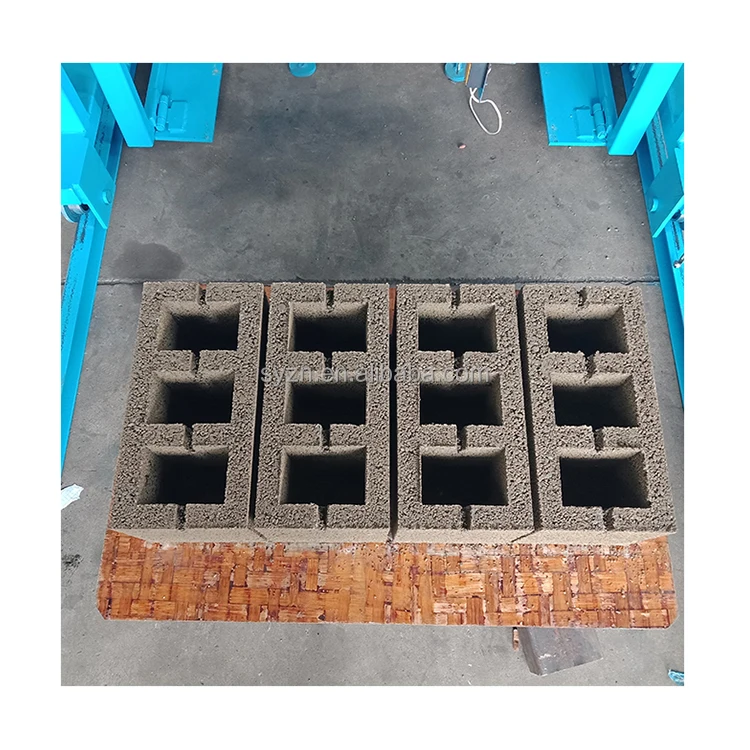
| Hollow block production | Crushed stone, sand, cement, fly ash |
| Solid block production | Gravel, slag, cement blends |
| Paving block and colored paver production | Fine aggregate, cement, pigment |
| Interlocking block production | Sand, crushed stone, cement |
| Kerbstone production | Coarse aggregate, cement |
Why the Voltage Question Must Come Before the Quotation
An automatic pallet-free block making machine is only as reliable as the electrical parameters it was built for. Confirming site voltage, frequency, and PLC language before production prevents multi-week commissioning failures.
I have seen fully automatic lines arrive at Middle East project sites with the PLC already debugged, only to discover the local grid runs at 60 Hz while the motors were wound for 50 Hz. Every motor on the line had to be replaced, and the project lost three weeks before a single block was cured. The QT18-25 draws a combined 119 kW just across vibration and hydraulic systems — a mismatch at that power level is not a minor adjustment [NEED_CITE: voltage and frequency standards by export market]. Grid parameters vary not only between countries but between industrial zones within the same city, and the only fix once a machine is built is expensive component replacement or a step-transformer that adds its own failure point.
What the PLC Actually Controls on a Pallet-free Line
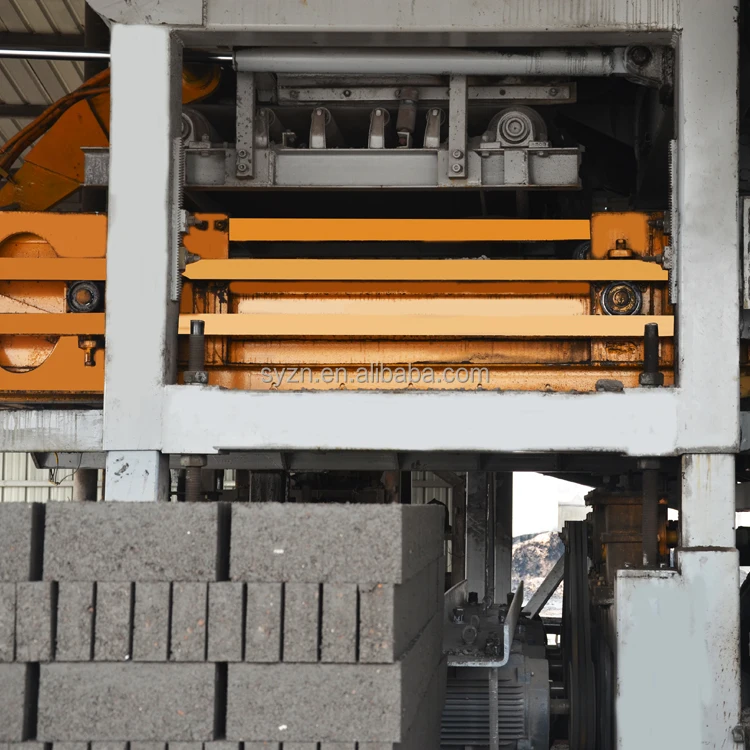
The person-machine conversation interface on this automatic pallet-free block making machine manages the full forming sequence: feed timing, vibration duration, hydraulic pressure application, and demolding stroke. Because blocks leave the press without a pallet and go straight to stacking, the PLC must also coordinate the stacker’s vertical travel and layer count within the 0–1200 mm range. Any lag between the press cycle and the stacker position means fresh blocks are held in the mould longer than necessary, affecting cycle time and surface finish.
How Pallet-free Stacking Reshapes the Curing Area
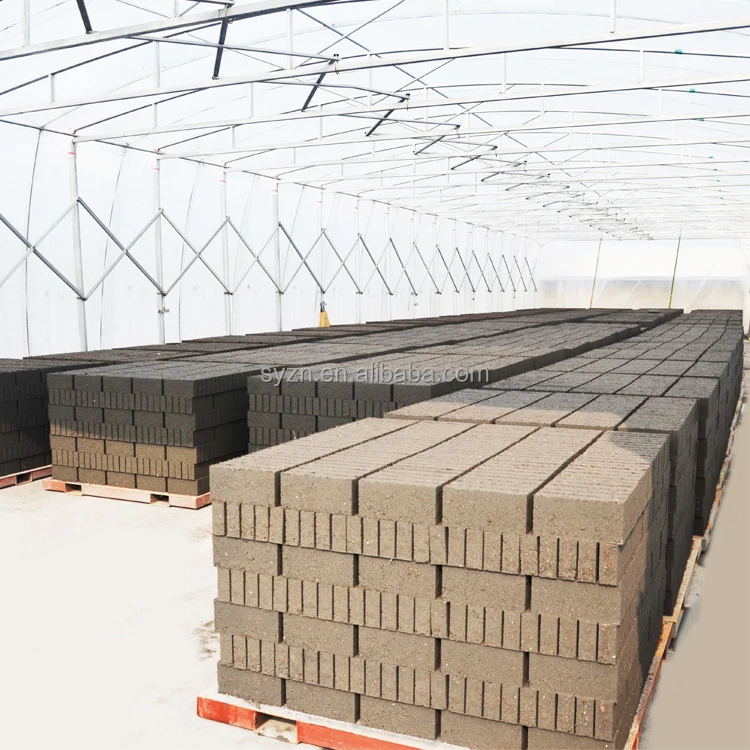
Removing pallets from the production loop changes more than the press itself. The curing area no longer needs pallet racking, pallet return conveyors, or the labour to move loaded pallets from the stacker to the curing zone. Blocks stacked directly to 1200 mm sit on the curing floor or on simple dunnage, which means forklift traffic patterns and aisle widths must be planned around the stack footprint rather than pallet dimensions. For a 2000 m² factory layout, this frees noticeable floor area that a pallet-based line would consume with pallet circulation infrastructure [NEED_CITE: curing area layout requirements for pallet-free block production].
Reading the Specs That Matter for Block Density
The QT18-25 pairs platform vibration at 2800–4500 r/min with hydraulic diving and demolding. The vibration frequency range allows the operator to match the frequency to the aggregate gradation — coarser crushed stone typically requires lower frequency with higher amplitude for particle rearrangement, while fine sand and fly ash blends respond better to higher frequency. The 60 kW vibration power and 59 kW hydraulic power together determine the compaction energy delivered per cycle. If the hydraulic pressure is too low relative to the vibration force, blocks leave the mould with insufficient green strength and may crack during stacking. The 50–300 mm brick height range means the hydraulic stroke and vibration duration must be adjusted for each format, which is where the PLC’s recipe storage becomes essential for batch-to-batch consistency. A 15–25 second molding cycle is achievable, but the actual figure depends on block height, mix design, and the target density the buyer’s market requires.
The Hidden Cost of Skipping Line Integration
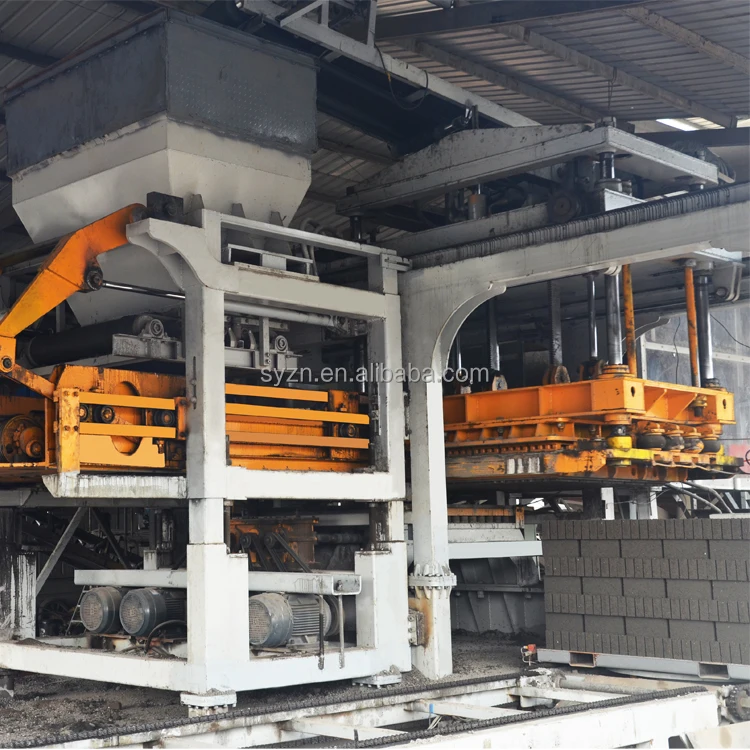
Buyers who evaluate the press in isolation often discover after installation that the feeder, mixer, and stacker were never timed to the press cycle. If the mixer delivers a batch slower than the press consumes it, the automatic pallet-free block making machine sits idle between cycles, and the rated output is never reached. Similarly, if the stacker cannot complete its travel within the demolding window, the press waits with a finished block still in the mould. These mismatches do not show up in a catalogue quotation — they only appear once the line is running under real production conditions [NEED_CITE: block line cycle time synchronization between press and supporting stations].
Why Procurement Here Reduces Specification Risk
Block machinery is the single product focus, so the press, mould, pallet specification, and handling equipment are specified as one matched system rather than assembled from separate suppliers. Configuration is set against the buyer’s actual mix design and local aggregate, not a default catalogue setting. Mould design covers the formats the buyer’s market sells, including custom drawings. Automation level is selectable, meaning a buyer can commission the QT18-25 in semi-automatic mode and add full pallet-free stacking later. Installation support includes on-site commissioning and operator training, so the PLC parameters are tuned to the buyer’s materials before handover.
Documentation & Verification
- Line layout with capacity calculation stating the block format assumed
- Machine specification sheet with confirmed voltage and frequency
- Mould drawing and format list matching buyer’s product range
- PLC display language confirmation before production begins
- Factory test record on buyer’s specified block format and mix
- Hydraulic and electrical schematic for on-site maintenance reference
Installation, Commissioning & Support
- Foundation plan matching the QT18-25 platform vibration load and overall footprint
- Dedicated power circuit sized for 119 kW minimum across vibration and hydraulic systems
- PLC parameter tuning on buyer’s local aggregate and mix during commissioning
- Operator training on mould change procedure and stacking height adjustment
- Wear parts list and first-replacement availability confirmed at delivery
- Routine maintenance schedule for hydraulic seals and vibration motor bearings
What We Need to Size Your Line Correctly
Provide the specific block formats you intend to produce, the target daily output for each format, and the raw materials available at your site. Confirm your local voltage, frequency, and preferred PLC display language so the control cabinet is built to match. Share your factory floor dimensions and existing curing area layout so the stacker travel and block footprint can be planned before shipment.
Frequently Asked Questions
Q: How is output capacity calculated for each block format on a pallet-free machine?
A: Output depends on the specific block dimensions, mix design, and the molding cycle achievable for that format. A 400 mm hollow block will have a different cycle time than a 60 mm paver. We calculate capacity per format and state the assumed block size, so the daily output figure reflects what the press actually produces rather than a theoretical maximum.
Q: What does the PLC control, and what remains manual?
A: The PLC manages feed timing, vibration parameters, hydraulic pressure, demolding, and stacking sequence. Manual tasks include mould changeover, raw material loading into the hopper, and routine cleaning. The level of automation can be adjusted — a buyer starting with semi-automatic operation can integrate full pallet-free stacking as production volume grows.
Q: Can a buyer start semi-automatic and add pallet-free stacking later?
A: Yes. The QT18-25 supports a staged automation path. A buyer can commission the press with manual pallet handling initially and retrofit the automatic stacker and PLC stacking routines once output volume justifies the investment. The hydraulic and vibration systems remain the same across both configurations.
Q: How are voltage, frequency, and PLC language confirmed before shipment?
A: We request the buyer’s site electrical specification — voltage, phase, and frequency — before production begins. The PLC display language is confirmed at the same stage. The factory test is then run at those exact parameters, so the control cabinet arrives ready for connection without on-site rewiring or language reconfiguration.
Q: What does pallet-free stacking mean for curing area layout?
A: Without pallets circulating through the curing zone, the floor plan shifts from pallet rack aisles to direct block stack positions. Forklift routes are planned around the 0–1200 mm stack footprint. This typically reduces the curing area footprint and eliminates the labour and equipment cost of pallet return handling.