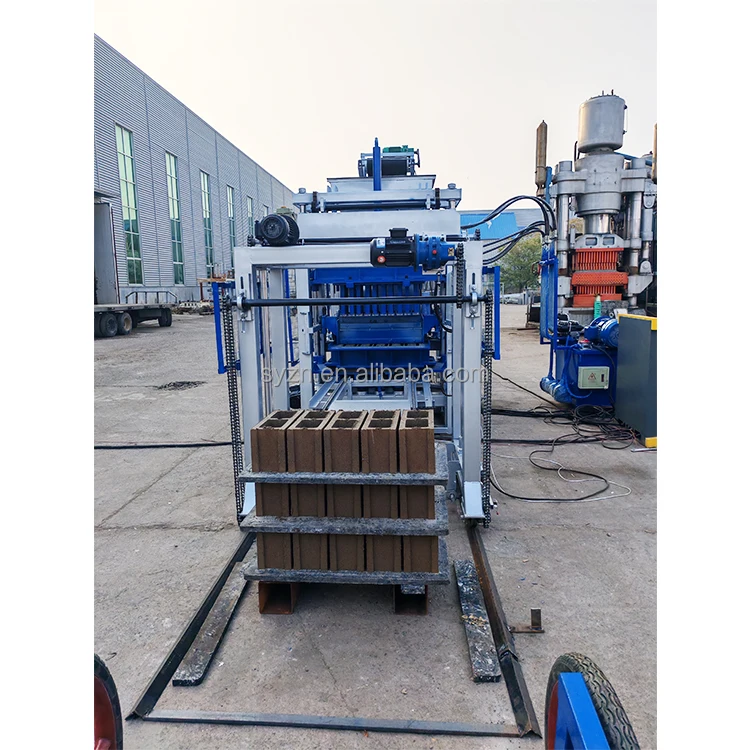
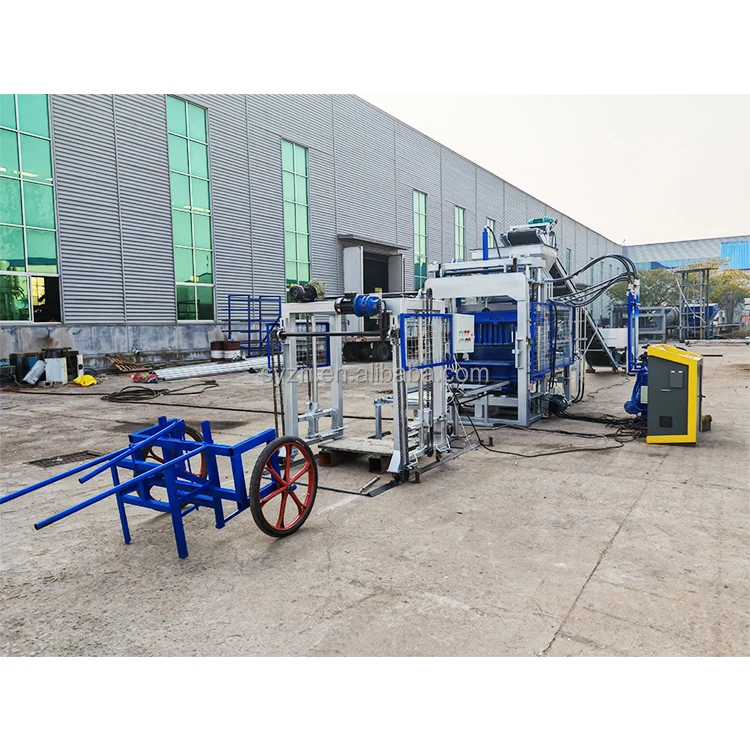
Description
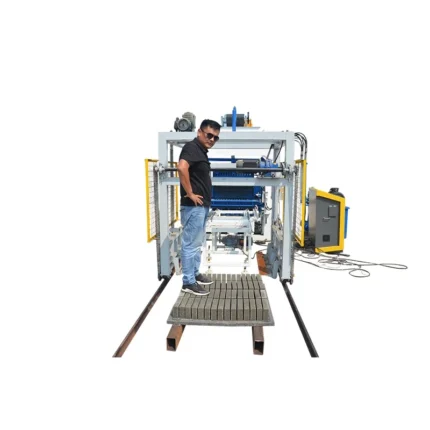
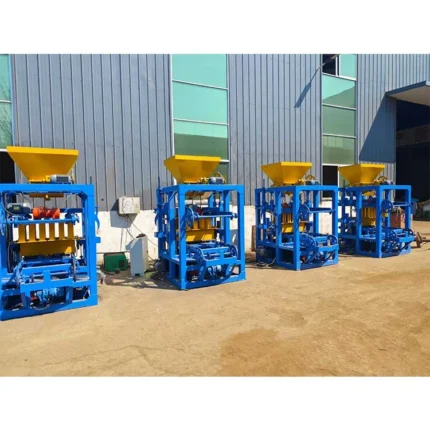
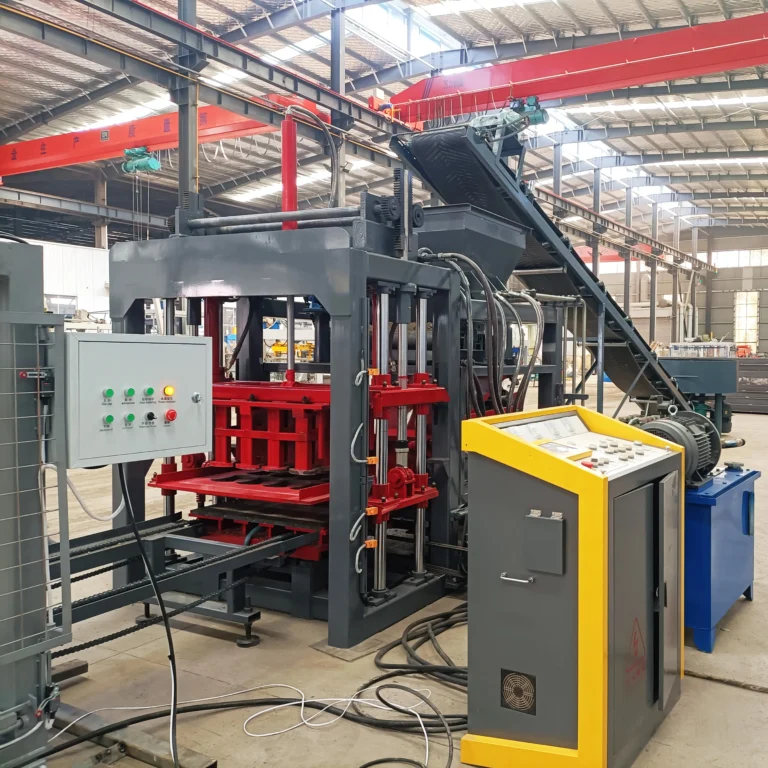
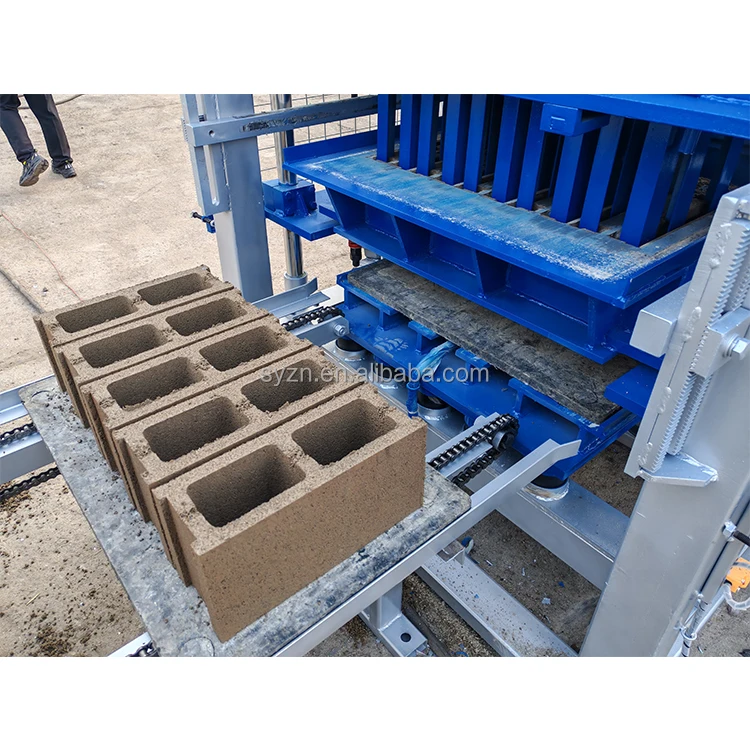
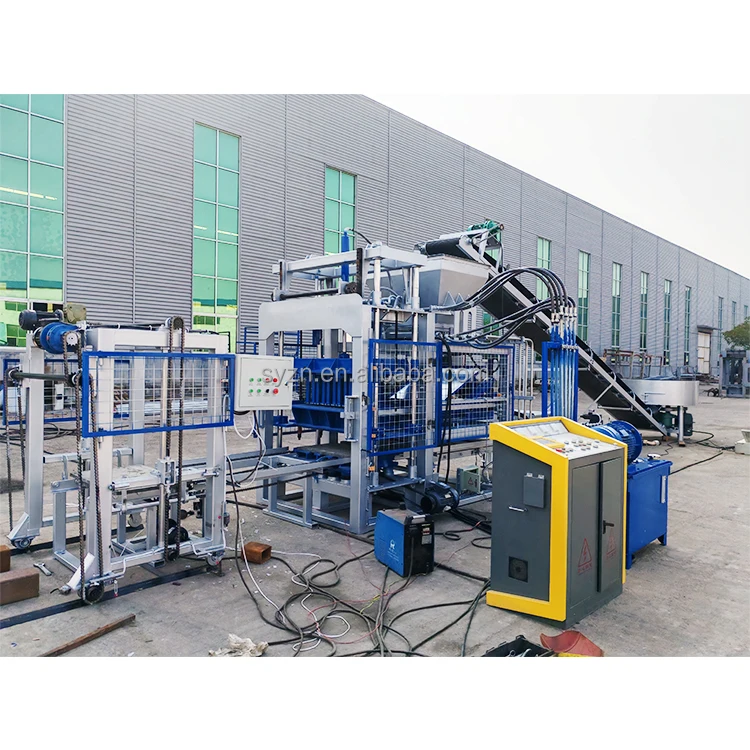
Precision automation — The QT4-15A locks vibration force, hydraulic pressure, and cycle timing into a single PLC-controlled recipe, removing operator guesswork from every batch of blocks leaving the press.
Technical Specifications
| Parameter | Value |
|---|---|
| Model | QT4-15A |
| Product Type | Fully Automatic Concrete Brick Making Machine |
| Overall Dimensions (L×W×H) | 4100 × 1600 × 2600 mm |
| Total Mass | 4 T |
| Rated Pressure | 16–21 MPa |
| Main Vibration Form | Platform Vibration |
| Vibration Frequency | 4200 r/min |
| Vibration Force | 55 kN |
| Pallet Size | 880 × 550 mm |
| Molding Cycle | 25–30 s (basis not stated in source — confirm block format and material) |
| Overall Power | 18.45 kW |
| Demolding Method | Hydraulic |
| Control System | PLC |
| Automation Level | Fully Automatic |
| Factory Area (Recommended) | 300 m² |
| Standards | CE (verify applicability) |
| Loading | 1 × 40HQ container (basic equipment) |
Application Suitability
| Application | Material or Output |
|---|---|
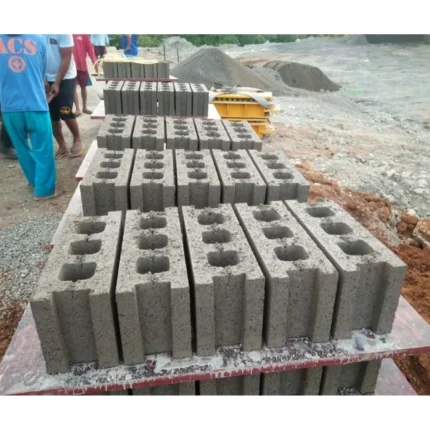
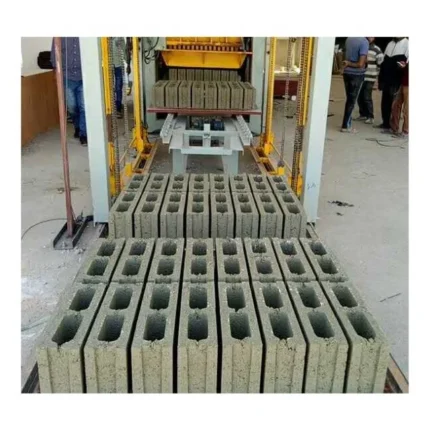
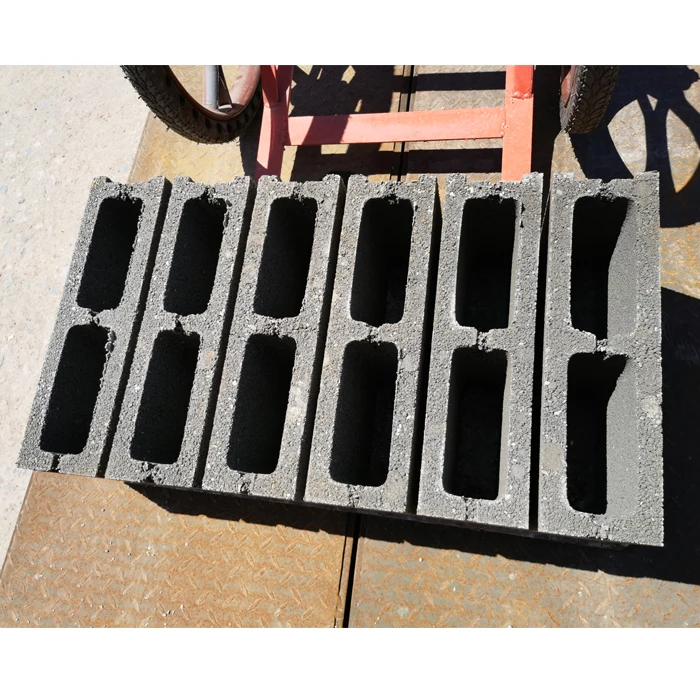
| Hollow block production for wall construction | Crushed stone, sand, cement, fly ash blends |
| Solid block manufacturing for load-bearing structures | Gravel, cement, slag aggregates |
| Paving and interlocking block runs for roads and walkways | Colored pigments, fine sand, cement |
| Curbstone and kerb production for infrastructure | Coarse aggregate, cement, dust mixes |
| On-site block pressing for housing projects | Locally sourced stone dust and cement |
What the PLC Actually Takes Off the Operator’s Hands
An automatic block making machine PLC controlled cycle removes the three variables that cause batch-to-batch density swings: feed timing, vibration duration, and demolding speed.
In semi-automatic setups, the operator watches a timer and hits the next stage manually. Miss the window by a few seconds and the block either crumbles at the edges or comes out under-pressed. I have seen that pattern repeat on sites where one shift produces clean blocks and the next shift ships rejects — the machine is the same, the hands on the buttons are not. The QT4-15A governs feed, press, vibration, and demolding as a single sequenced cycle, so the difference between Monday morning and Friday afternoon output narrows to the consistency of your raw material feed [NEED_CITE: operator variability in manual block pressing cycles].
Sequence Control That Replaces Operator Reflexes
The PLC on the QT4-15A manages the full press cycle — raw material feed into the mould box, platform vibration onset and cutoff, hydraulic head descent, compaction hold, and demolding lift — as a continuous chain. Each stage triggers the next based on sensor confirmation rather than operator judgment. This is what separates an automatic block making machine PLC controlled platform from a semi-automatic press with a timer bolted on: the logic controller waits for physical feedback before advancing, so a slow-filling hopper or a slightly warped pallet does not silently produce a bad batch.
Consistency Across Mould Changes and Shift Handovers
When the operator loads a new mould — switching from hollow block to paver, for example — the PLC recipe recall resets vibration duration, pressure hold time, and feed volume to the stored profile for that format. The changeover does not depend on the operator remembering which settings worked last time. This matters on sites running multiple block formats in a single week, where recipe drift between shifts is the most common cause of customer complaints about block strength [NEED_CITE: PLC recipe management in multi-format block plants].
Reading the Numbers That Actually Matter
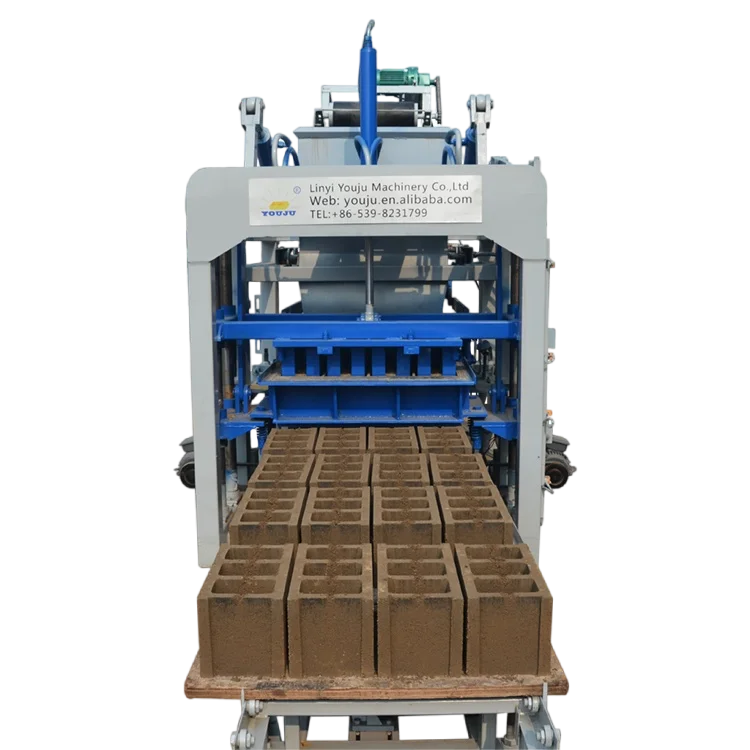
The 55 kN vibration force paired with 16–21 MPa hydraulic pressure defines the compaction envelope of this machine. Vibration alone settles the aggregate; hydraulic pressure alone compresses it. Both acting together within the PLC-governed cycle window determine the green strength of the block as it leaves the mould. The 4200 r/min platform vibration frequency is tuned for standard concrete mixes — if your local aggregate is unusually fine or contains a high clay fraction, the vibration parameters may need adjustment at commissioning to prevent surface tearing during demolding. The 880 × 550 mm pallet size sets the maximum block footprint per cycle and should be checked against your curing rack spacing and forklift fork width before the machine ships.
The Cost of Skipping the Automation Conversation
Buyers who size a machine purely on cycles-per-hour without asking which block format that figure assumes often discover their real daily output falls far short once the correct mould is fitted and cycle time settles. Others leave pallet handling and stacking manual, then find that the press sits idle while workers shuttle boards by hand — the bottleneck simply moved downstream. A machine specified without confirming local voltage and PLC display language can sit unpowered for days after arrival while the control panel gets reprogrammed or a transformer is sourced locally [NEED_CITE: commissioning delays from unconfirmed voltage and control language].
Why Sourcing Through This Channel Fits the QT4-15A Buyer
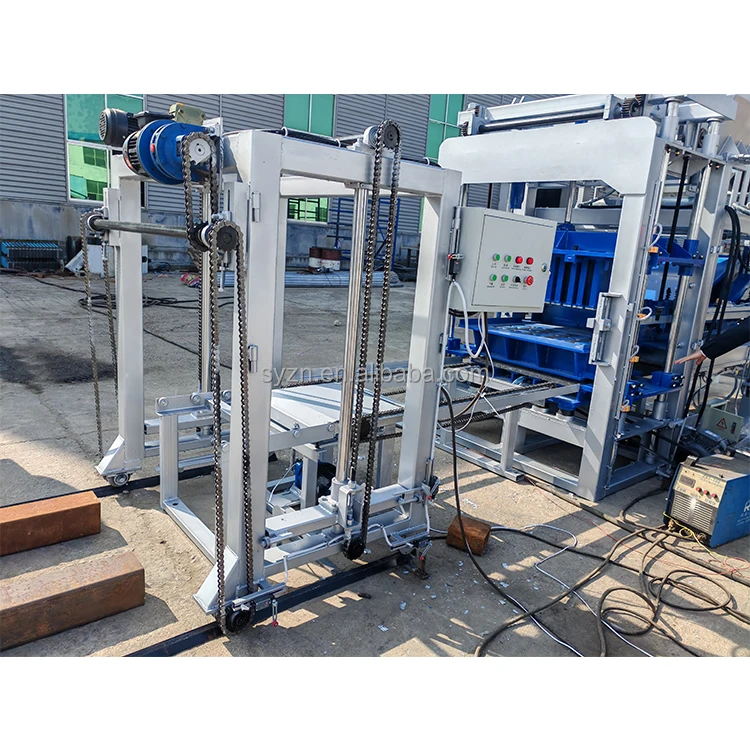
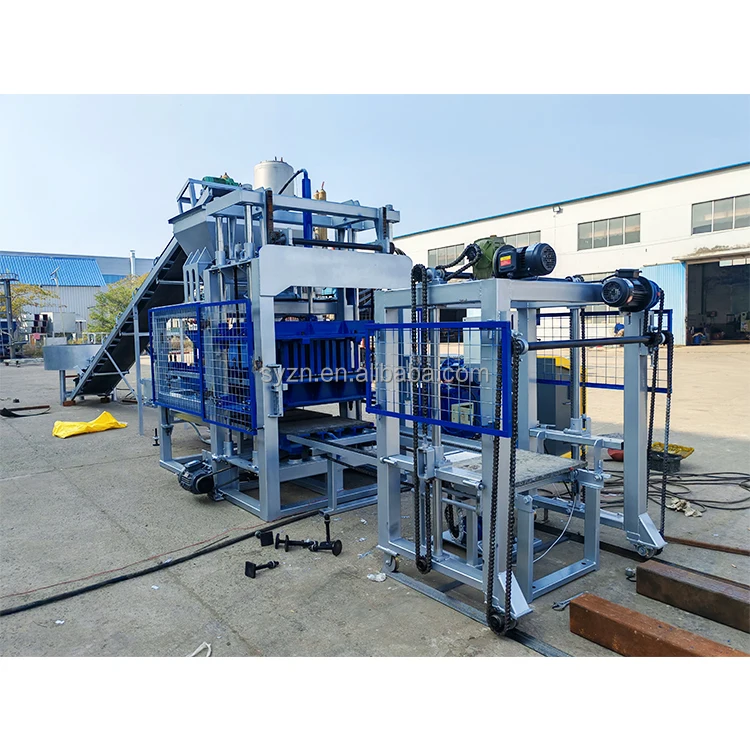
The configuration is set against your actual mix design and local aggregate, not a catalogue default — vibration and pressure parameters are matched before the machine leaves the factory. Mould design covers the block formats your market actually sells, with custom drawings accepted for non-standard profiles. Automation level is selectable, so a buyer can start with the core PLC-controlled press and add automatic pallet feeding, stacking, or cubing stations as volume justifies. Installation includes on-site commissioning with operator training so the PLC recipes are tuned to your material before handover. Spare parts and mould wear lists ship with the first container, so the first replacement cycle does not catch the plant off guard.
Documentation & Verification
- Line layout and capacity calculation stating the block format assumed for the QT4-15A
- Machine specification sheet with confirmed PLC brand and HMI language options
- Mould drawing and format list matching your target block dimensions
- Pallet specification with material grade matched to your curing area setup
- Hydraulic and electrical schematic for the 18.45 kW power configuration
- Factory test record on your aggregate mix before dispatch
Installation, Commissioning & Support
- 300 m² recommended factory area with level concrete floor rated for the 4 T machine mass
- Dedicated electrical circuit matching confirmed voltage and frequency for the 18.45 kW load
- Machine dismantled for 40HQ container loading and reassembled on-site with alignment check
- PLC parameter tuning against your local aggregate during first-run commissioning
- Operator training on recipe recall, mould change, and HMI navigation
- Hydraulic seal and vibration wear parts list supplied with initial shipment
Preparing Your Inquiry
To size the QT4-15A correctly, share the specific block formats you plan to produce, the daily volume target per format, and the raw materials available locally including aggregate gradation. Confirm your site voltage and frequency, preferred PLC display language, and whether pallet handling and stacking will be manual or automated from day one.
Frequently Asked Questions
Q: What does the PLC control, and which parameters can the operator adjust on the HMI?
A: The PLC governs feed volume, vibration onset and duration, hydraulic pressure hold time, and demolding speed as a sequenced cycle. Operators can adjust these parameters per recipe through the HMI, and saved profiles recall the full set when switching block formats.
Q: How is the mould change performed, and what is the realistic changeover time?
A: The mould is unbolted from the press table and lifted out, then the new mould is positioned and secured. The PLC recipe is recalled for the new format. Realistic changeover time depends on whether a quick-clamp system is specified; confirm during configuration.
Q: Can the QT4-15A be upgraded later with automatic pallet feeding or stacking?
A: Yes. The PLC platform supports integration of automatic pallet feeding, stacking, and cubing stations as separate upgrades. The control logic accommodates these additions without replacing the main controller, provided the original specification预留了 I/O capacity.
Q: How do you match vibration force and hydraulic pressure to my local aggregate?
A: During configuration, your aggregate sample data and mix proportions are reviewed against the 55 kN vibration force and 16–21 MPa pressure range. Commissioning includes on-site tuning so the cycle parameters match your actual material behavior.