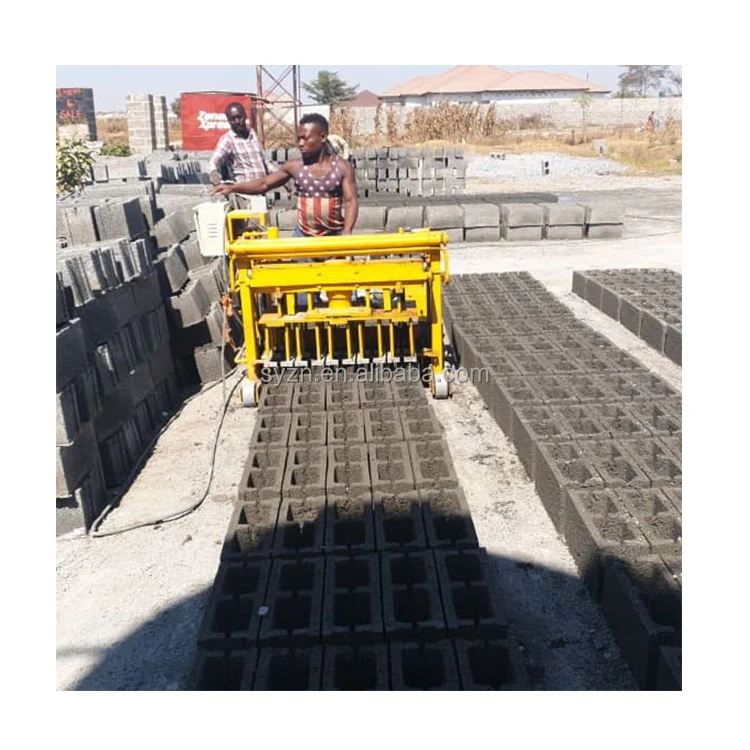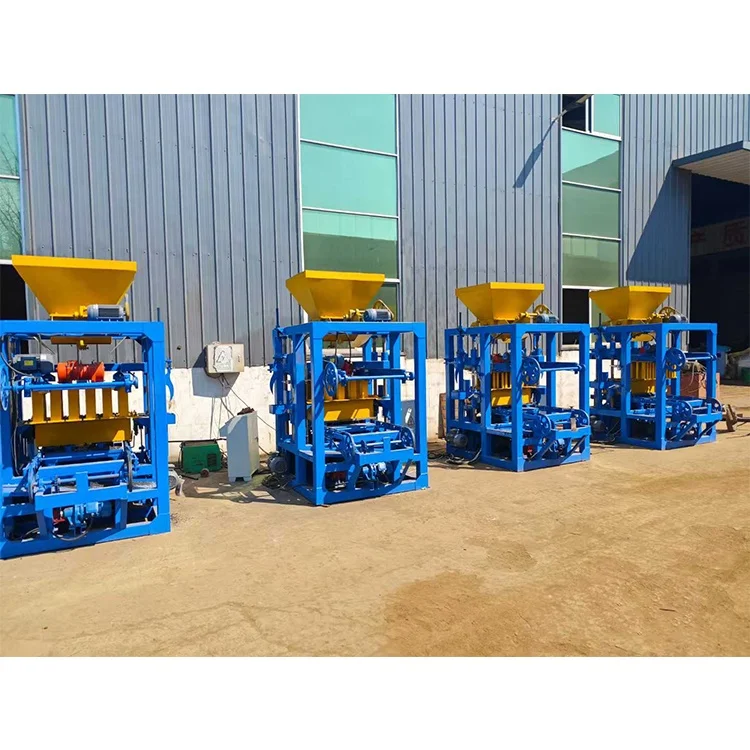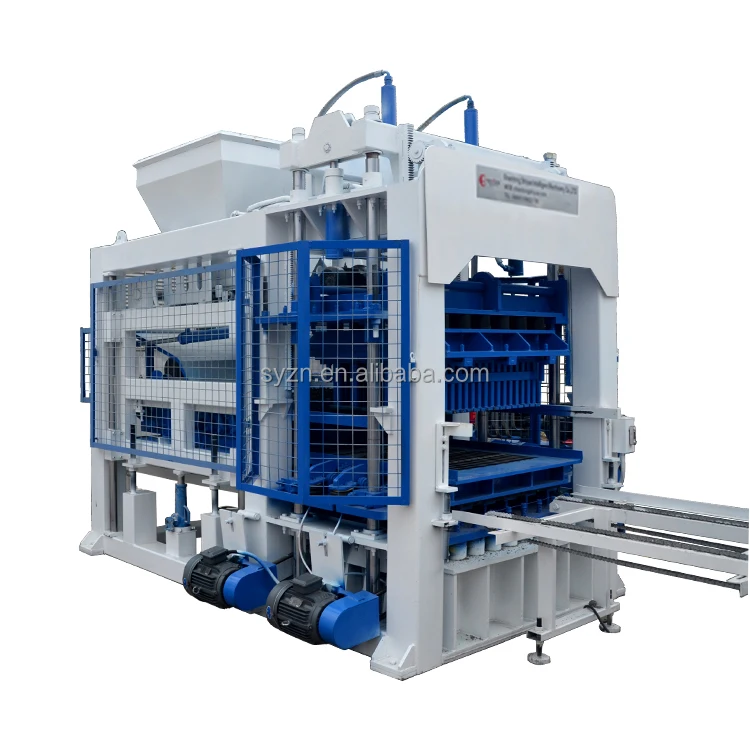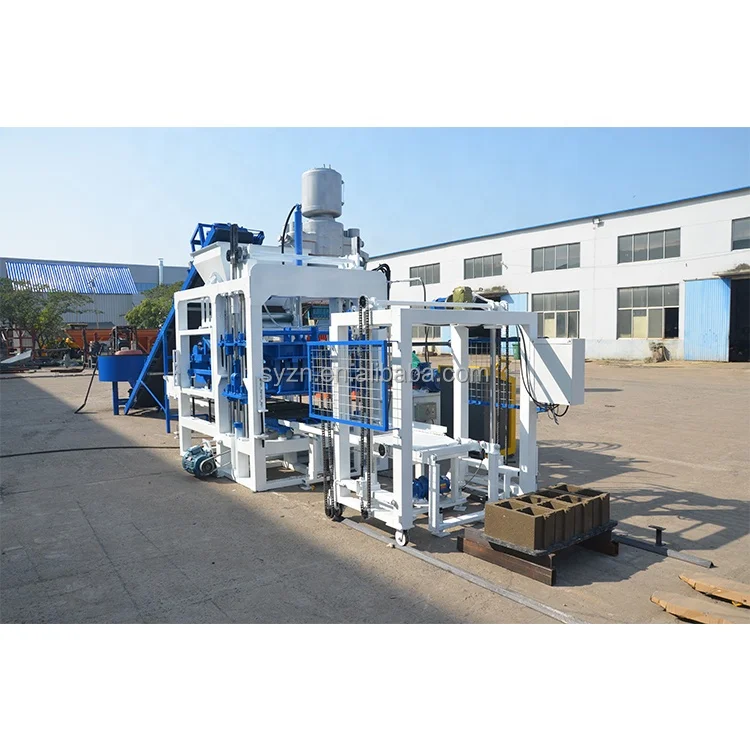
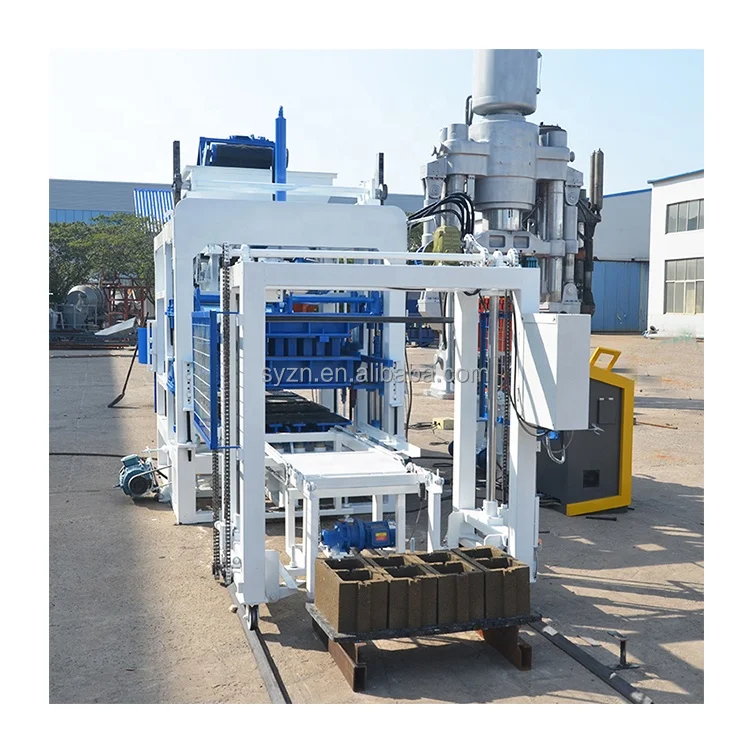
Description
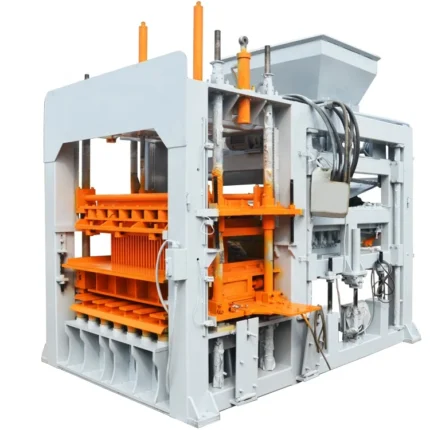
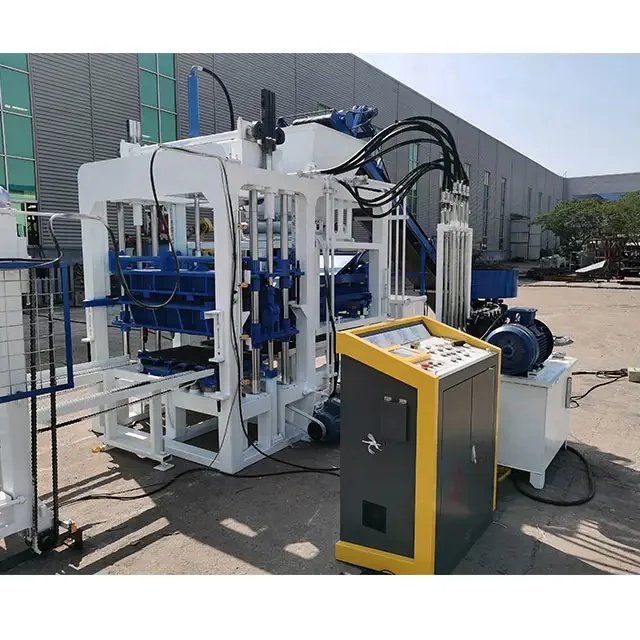
System-Locked Precision — The QT4-18’s PLC governs every press cycle, vibration burst, and pallet feed, ensuring the operator sets parameters once and the machine repeats them without drift.
Technical Specifications
| Parameter | Value |
|---|---|
| Model | QT4-18 |
| Product Type | Automatic Concrete Block Making Machine |
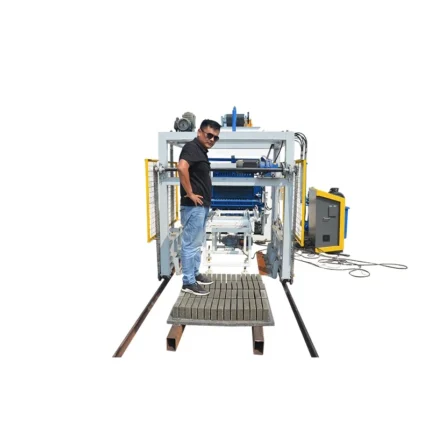
| Overall Dimensions (L×W×H) | 3900×1600×2300 mm |
| Molding Cycle | 15–25 s |
| Vibration Force | 40–50 kN |
| Total Power | 24 kW |
| Mixer Model | JQ350 |
| Pallet Size | 850×550×25 mm |
| Net Weight | 3 T |
| Control System | PLC control system |
| Hydraulic Station | Included |
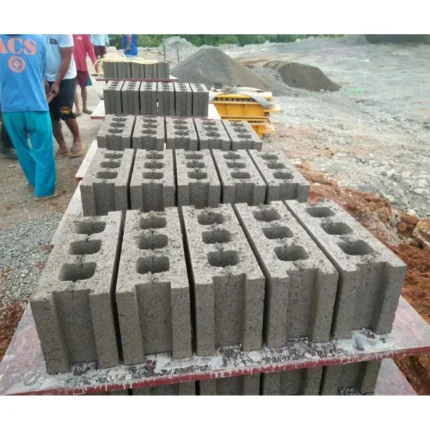
| Output Capacity (Hollow Block 400×200×200 mm) | 1200–1680 pcs/h |
| Output Capacity (Hollow Block 400×150×200 mm) | 1800–2400 pcs/h |
| Output Capacity (Solid Brick) | 3240 pcs/h (basis to be confirmed) |
| Daily Output 8 h (400×200×200 mm Hollow Block) | 9600–13440 pcs |
| Daily Output 8 h (400×150×200 mm Hollow Block) | 14400–19200 pcs |
| Applied Products | Paver, solid brick, hollow block, curbstone |
| Raw Materials | Crushed stone, sand, cement, dust, fly ash |
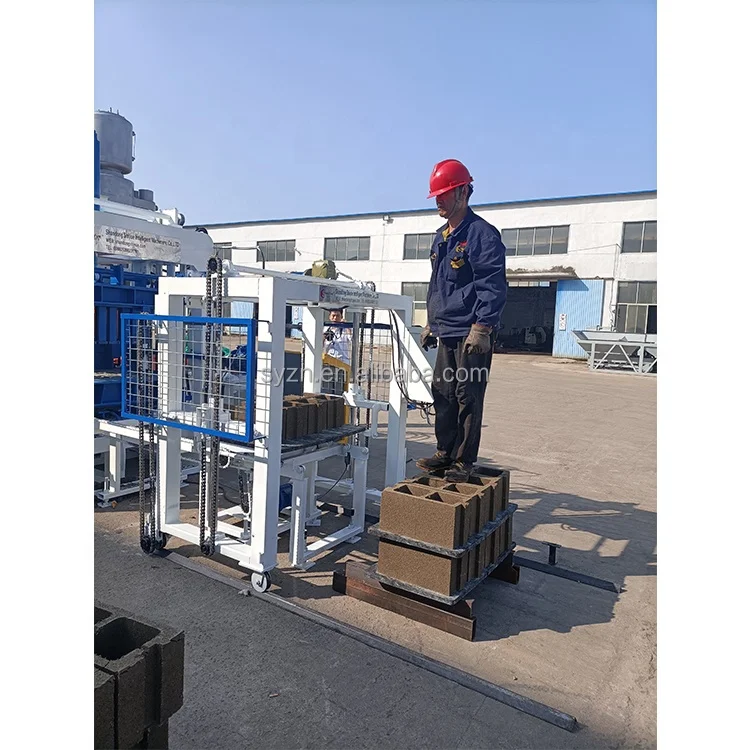
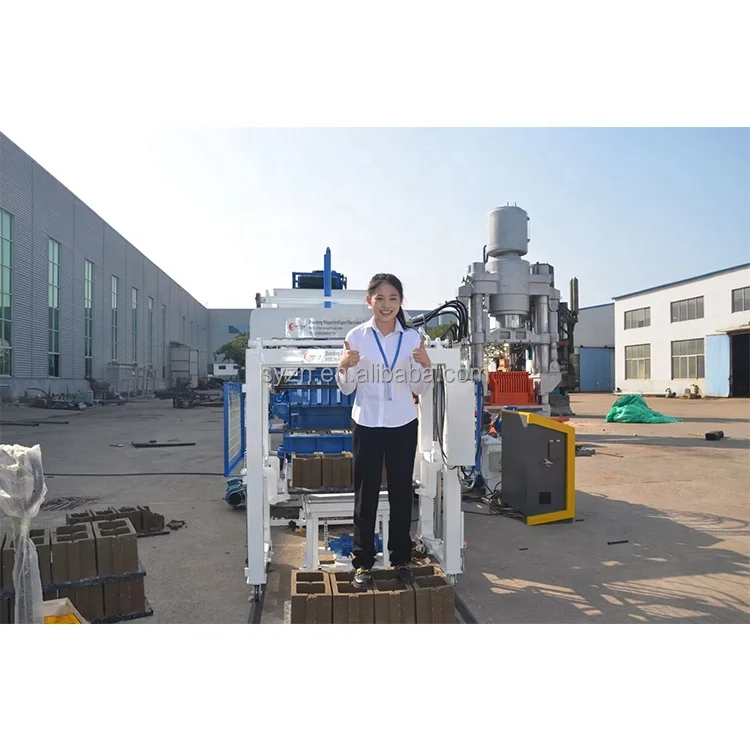
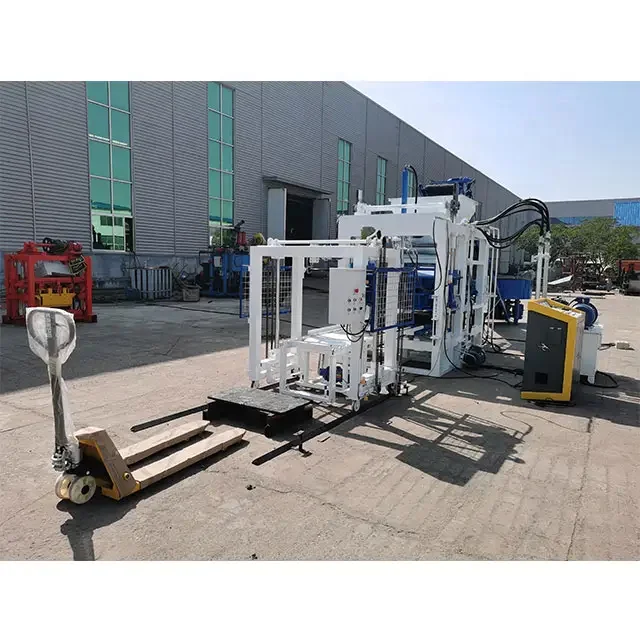
| Assembly State | Shipped with pallet feeder, brick conveyor, block sweeper, manual hydraulic trolley, spare parts and tools |
Application Suitability
| Application | Material or Output |
|---|---|
| Hollow block production for residential and commercial masonry | Crushed stone, sand, cement, fly ash blends |
| Paver manufacturing for walkways and driveways | Fine aggregate mixes with pigment additives |
| Solid brick runs for load-bearing walls | Dense aggregate and cement at higher pressure |
| Curbstone forming for road and kerb projects | Coarse aggregate with reinforced vibration |
| On-site block production for housing developments | Locally sourced sand and crushed stone |
Why the PLC Language Must Be Confirmed Before Crating
A control panel in the wrong language stops production on day one.
I once shipped an automatic concrete block making machine PLC controlled to a site in Turkey without confirming the HMI language. The operator stared at an English interface he could not read, and the first shift was lost to remote troubleshooting across time zones. [NEED_CITE: PLC interface language standards for export machinery] The QT4-18 ships with a configurable PLC display, and the exact language, voltage, and frequency must be locked in writing before the machine enters final assembly. A mismatch here is not a minor inconvenience; it halts commissioning, delays block output, and erodes confidence between buyer and supplier before production even begins.
Removing Operator Guesswork from Every Cycle
On manual or semi-automatic presses, vibration timing, hydraulic dwell, and pallet feed pace depend on the operator’s judgement. Shift changes, fatigue, and inexperience introduce variation block by block. The automatic concrete block making machine PLC controlled on the QT4-18 governs mould descent, vibration duration, and hydraulic pressure as a single sequenced program. Once the recipe for a given block format is saved, every subsequent cycle repeats those parameters within the tolerance the PLC enforces. This is the core value of the intelligent side: consistency that does not rely on who is standing at the panel.
From Semi-Automatic to Matched Line Automation
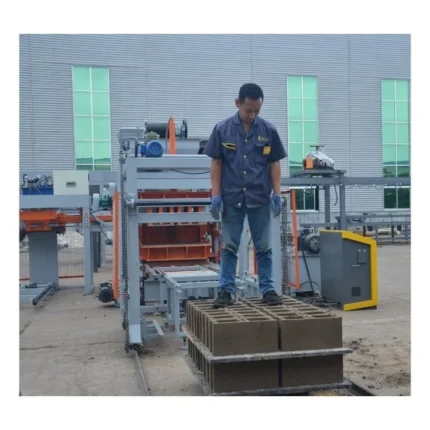
Upgrading a plant is not only about the press. The QT4-18 is supplied with a pallet feeder synchronised to the press cycle, a brick conveyor, and a block sweeper so that the machine is never left waiting for a pallet or an operator clearing debris. [NEED_CITE: automation integration standards for concrete block lines] The automation level is selectable; a buyer can start with the included pallet feeder and conveyor, then add automatic stacking and cubing later. This upgrade path means the initial investment stays contained while the foundation for full line automation is already in place.
Reading the Specifications That Actually Matter
The 40–50 kN vibration force works together with the hydraulic station to compact the mix inside the mould cavity. Vibration alone is insufficient; hydraulic pressure holds the mould head down so the aggregate particles rearrange under forced vibration rather than bouncing free. The 15–25 s molding cycle is the range the PLC can set depending on block height and mix stiffness. Pallet size at 850×550×25 mm must match both the curing rack slots and the forklift tines already at the plant; ordering a machine without checking this creates a bottleneck at the curing area. The JQ350 mixer feeds the press at a rate calibrated to keep the hopper charged across the full cycle range, preventing the press from idling between batches.
The Cost of Specifying Automation Without Context
Buyers sometimes select the highest automation tier without confirming that their curing area, pallet stock, and downstream handling can keep pace. A press that stacks automatically but feeds pallets into a curing yard with no rack system simply moves the bottleneck from the press to the yard. [NEED_CITE: block plant workflow bottlenecks in semi-automated facilities] Equally, a machine configured for a mix design the buyer cannot source locally forces a material change that shifts cost to the raw material supplier rather than solving it at the machine level. These missteps are not equipment failures; they are specification failures, and they surface only after installation.
Why Sourcing This Press Here Reduces Risk
Block machinery is the single focus of the production facility, so the QT4-18’s press, mould, pallet, and handling equipment are specified as one matched system. Configuration is set against the buyer’s actual mix design, local aggregate, and target block format rather than pulled from a catalogue default. Mould design and supply cover the formats the buyer’s market sells, including custom drawings when a standard mould does not fit. Voltage, frequency, and PLC display language are confirmed in writing before production, eliminating the commissioning delay described above. Installation and commissioning support includes operator training so the team can run the PLC recipes independently from the first week.
Documentation & Verification
- Line layout with capacity calculation stating the block format assumed for each output figure
- PLC program parameter sheet listing saved recipes per mould format
- Hydraulic and electrical schematic for local maintenance team reference
- Voltage, frequency, and HMI language confirmation document signed before production
- Factory test record showing actual cycle times per requested mould format
Installation, Commissioning & Support
- Foundation pad must be level within 5 mm across the 3900×1600 mm footprint to prevent pallet misalignment
- 24 kW total power requires a dedicated three-phase circuit matching the confirmed voltage and frequency
- Machine ships assembled with pallet feeder, conveyor, and sweeper; on-site work is utility connection and calibration
- PLC recipes set during commissioning for each mould format the buyer ordered
- Operator training covers recipe creation, mould change procedure, and daily hydraulic inspection
- Wear parts list with hydraulic seals and vibration springs included in the spare parts kit
What to Prepare Before Requesting a Quotation
To size the QT4-18 correctly, provide the block formats your market sells, the target daily output per format, and the local raw materials available with their gradation. Confirm the existing voltage and frequency at the site, the preferred PLC display language, and the curing rack dimensions or yard space you have. If you are adding this press to an existing line, list the upstream mixer and downstream handling equipment already in place so the pallet feed and conveyor can be matched.
Frequently Asked Questions
Q: What automation level does the QT4-18 include, and what can be upgraded later?
A: The QT4-18 ships with a PLC-controlled press, automatic pallet feeder, brick conveyor, and block sweeper. Stacking and cubing stations are not included but can be added when the buyer is ready, because the PLC architecture supports additional I/O modules without replacing the main controller.
Q: How is PLC display language and voltage confirmed for my country?
A: Before production begins, the supplier provides a written confirmation document listing the exact HMI language, voltage, and frequency for the destination site. The buyer signs off on this document, and the electrical cabinet is wired accordingly. No machine leaves the factory without this step completed.
Q: How do I verify the quoted output capacity for my specific block format and mix?
A: The quotation includes a capacity calculation that states the block format and dimensions assumed for each output figure. During the factory test, actual cycle times are recorded for each mould the buyer ordered, and those records are shared before shipment so expectations are based on measured data, not catalogue claims.
Q: What is the mould change procedure and how long does it take?
A: The QT4-18 supports multiple formats on one press: hollow block, solid brick, paver, and curbstone. The mould is bolted to the vibration table and press head. Mould change involves unbolting the current set, lifting it out with the manual hydraulic trolley included in the shipment, and bolting in the new set, followed by a PLC recipe selection for the new format.
Q: How does the PLC maintain batch-to-batch consistency in block strength?
A: The PLC stores a recipe for each mould format that governs vibration duration, hydraulic pressure, and molding cycle within the 15–25 s range. Once set, these parameters repeat identically every cycle regardless of shift changes or operator experience, removing human timing variation from the compaction process.