Description
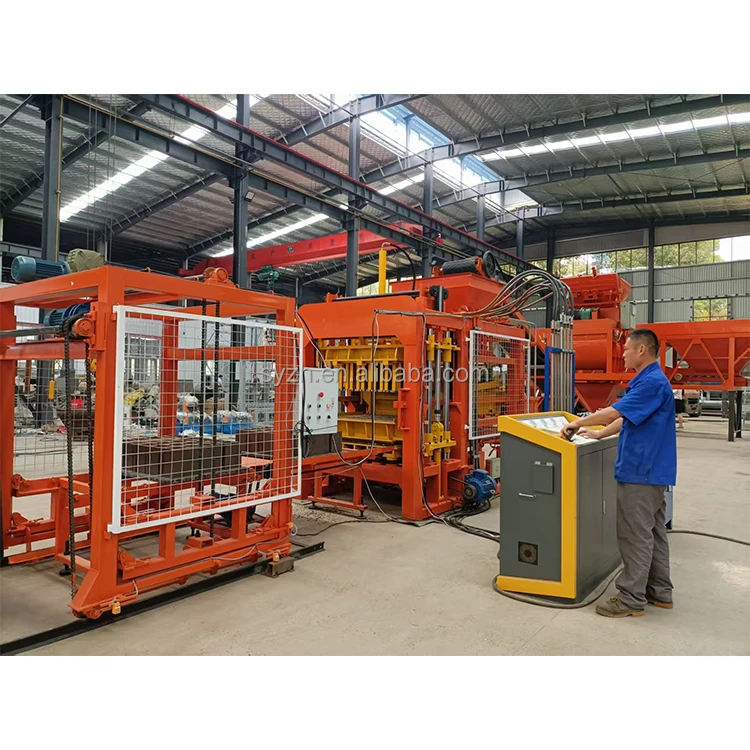
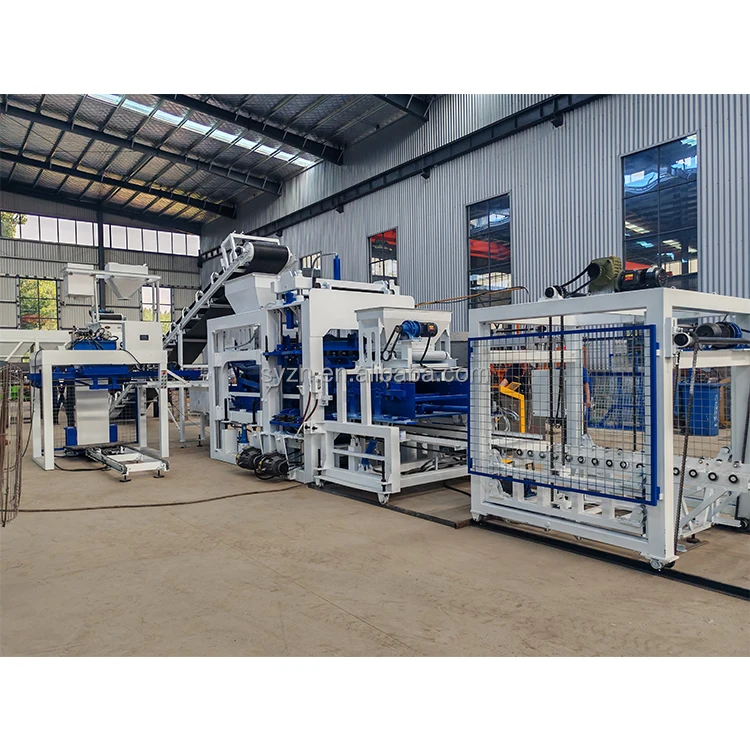
Matched Automation — The QT4-18 control system is configured against the buyer’s actual automation stage, so a plant can start with manual pallet handling and add stacking later without replacing the press.
Technical Specifications
| Parameter | Value |
|---|---|
| Model | QT4-18 |
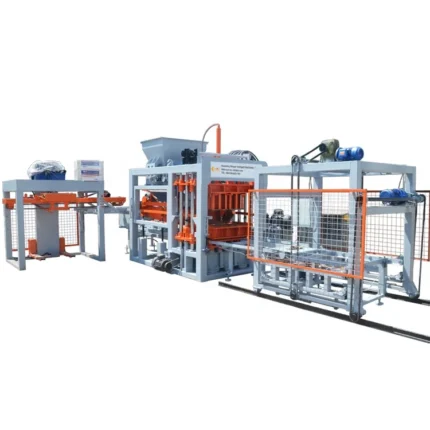
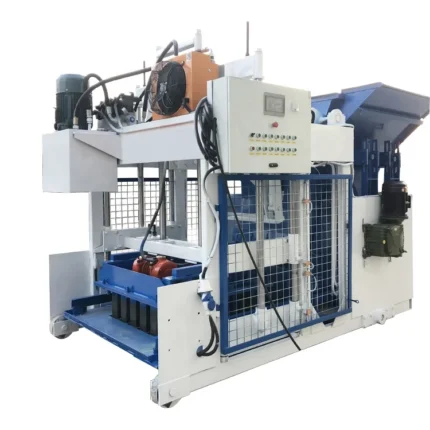
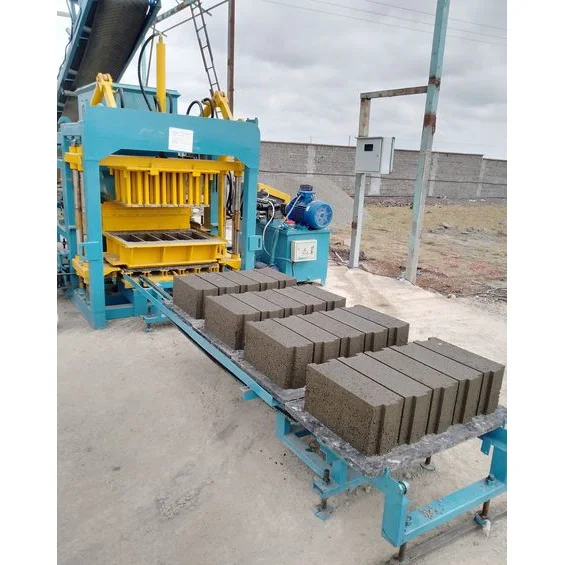
| Product Type | Automatic Hydraulic Concrete Block Making Machine |
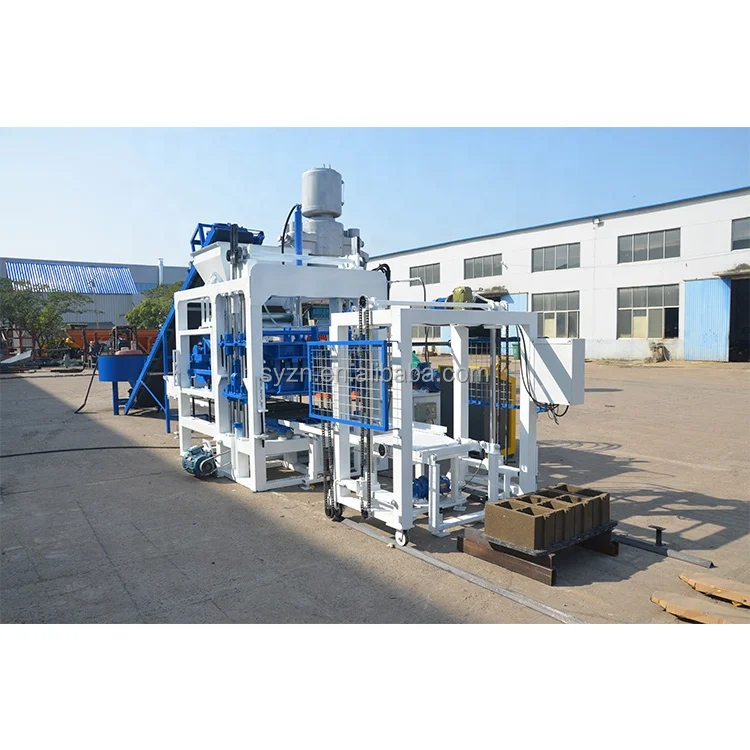
| Overall Dimensions (L×W×H) | 3900 × 1600 × 2300 mm |
| Total Weight | 3 T |
| Rated Power | 24 kW |
| Exciting Power (Vibration Force) | 40–50 kN |
| Molding Cycle | 15–25 s |
| Mixer Model | JQ350 |
| Pallet Size | 850 × 550 × 25 mm |
| Control System | Hydraulic station with PLC option |
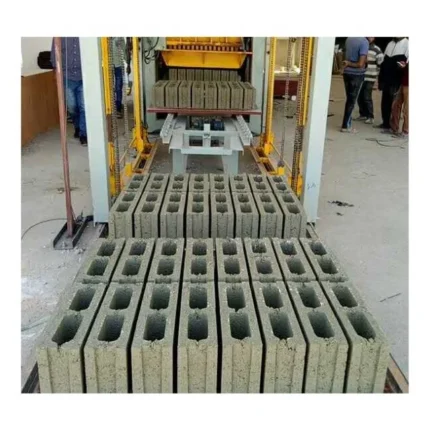
| Applied Products | Hollow block, solid brick, paver, curbstone |
| Raw Materials | Crushed stone, sand, cement, stone dust, fly ash |
| Output Capacity (Hollow 400×200×200 mm) | 1200–1680 pcs/h (basis to be confirmed) |
| Output Capacity (Solid 240×115×53 mm) | 3240 pcs/h (basis to be confirmed) |
| Automation Level | Semi-automatic, upgradeable |
| Standards | CE (basis not stated in source) |
Application Suitability
| Application | Material or Output |
|---|---|
| Hollow block production for load-bearing walls | Crushed stone, sand, cement blends |
| Solid brick manufacturing for masonry | Fly ash, stone dust, cement mixes |
| Paving stone and curbstone forming | Aggregate-rich, low-slump concrete |
| On-site production for housing projects | Locally sourced sand and gravel |
| Small to medium block plants adding formats | Multiple mould changes within a shift |
What "Semi-Automatic" Really Means for Your Line
The QT4-18 automation level is a starting position, not a ceiling. The control architecture allows staged upgrades from manual pallet handling to fully automatic stacking without swapping the core press.
Too many buyers receive a quotation that lists "semi-automatic" without defining where the operator’s hands are still required. The press cycles automatically, but someone is still pulling pallets, moving wet blocks to the curing yard, and stacking dried output by hand. That mismatch between the label and the labour reality causes most of the disputes I see after commissioning [NEED_CITE: common automation misunderstandings in block plant procurement]. The PLC controlled block making machine configuration on this unit means the upgrade path is electrical and mechanical, not a full line replacement.
PLC Control That Matches Your Operator’s Language
The control interface on the automatic QT4-18 block machine is configurable for display language before the machine leaves the factory. This matters because a PLC screen in a language the floor supervisor cannot read turns every parameter adjustment into a guessing game. Cycle times, vibration duration, and hydraulic pressure setpoints all live behind that screen. When the operator cannot confirm what they are changing, batch consistency disappears within the first week.
Upgrade Path From Manual Pallet Handling to Cubing
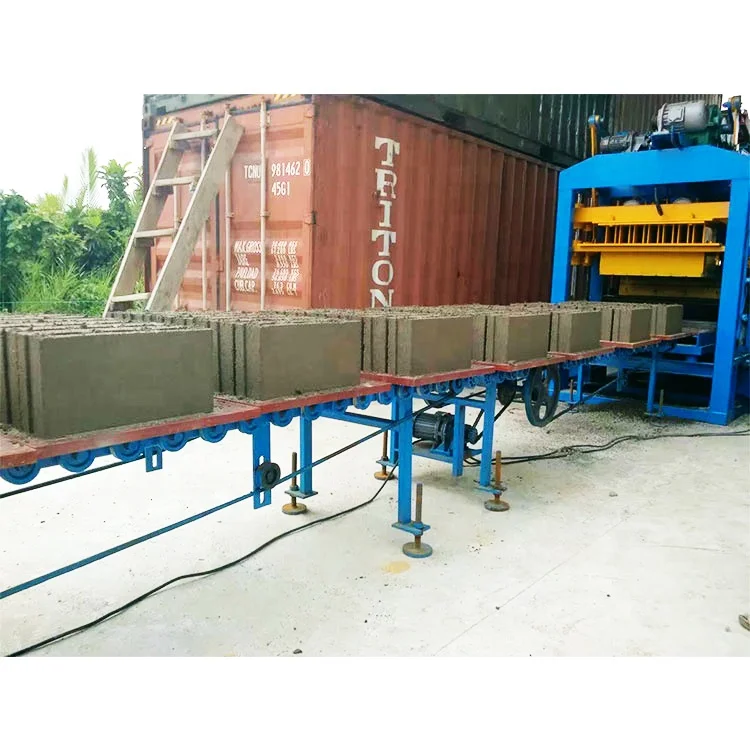
A semi-automatic base means the operator loads pallets and manages the curing rack manually. The upgrade adds automatic pallet feeding, stacking at the press exit, and cubing for the curing area. The hydraulic station and vibration system remain unchanged through this transition. The electrical cabinet is pre-wired for the additional sensors and actuators, so the upgrade is a field installation of mechanical components and a PLC program update rather than a rewiring project [NEED_CITE: PLC scalability standards in concrete product machinery].
Reading the Numbers That Actually Matter
The vibration force rating of 40–50 kN and the hydraulic pressure work together to compact the mix into the mould cavity. Higher vibration alone does not guarantee block density if the hydraulic head pressure is insufficient to hold the material during the cycle. The 850 × 550 mm pallet size determines how many blocks fit per cycle and must match the curing rack spacing and forklift tine width already in your yard. The 15–25 second molding cycle varies with block format — a 400 × 200 × 200 mm hollow block sits at the longer end while a solid brick cycles faster. The 24 kW rated power covers the press, vibration motor, and hydraulic pump but does not include the JQ350 mixer, which draws from a separate circuit.
The Cost of Skipping the Voltage Conversation
Voltage and frequency confirmation is the single most delayed step in commissioning. A 380V/50Hz machine arriving at a site wired for 440V/60Hz will not run, and the motor rewinding or transformer procurement adds weeks to a project that was already on a deadline [NEED_CITE: voltage and frequency standards by export market]. The QT4-18 electrical schematic is provided before production so the buyer’s electrician can verify the supply against the motor nameplate. Skipping this check means the first block is not produced until the electrical mismatch is resolved on site.
Why This Configuration Approach Works
Block machinery is our single production focus, so the press, mould, pallet, and handling equipment are specified as one system rather than sourced from separate suppliers and assembled at the dock. Configuration is set against your actual mix design and local aggregate, not a catalogue default that assumes river sand when your site uses crushed volcanic rock. Mould design covers the formats your market actually buys, with custom drawings available when standard formats do not match local building codes. The automation level is selectable so investment scales with your output requirement rather than forcing a fully automatic line on a plant that only needs semi-automatic capacity today. Installation support includes operator training on the specific PLC interface and mould change procedure your crew will use daily.
Documentation & Verification
- Line layout showing pallet flow from press to curing rack with the QT4-18 footprint marked
- Capacity calculation stating which block format the hourly figure assumes
- Hydraulic and electrical schematic matching the as-built 24 kW configuration
- Voltage, frequency, and PLC display language confirmation sheet signed before production
- Factory test record run on the buyer’s specified block format and pallet size
- Mould drawing and format list for every cavity supplied with the machine
Installation, Commissioning & Support
- Foundation pad sized to the 3900 × 1600 mm footprint with anchor bolt pattern provided
- Dedicated 24 kW circuit with breaker rating confirmed against the hydraulic pump inrush current
- Machine shipped partially assembled with vibration module bolted separately to prevent transit damage
- First-run parameter setting for vibration duration and hydraulic pressure matched to your mix sample
- Operator training on PLC screen navigation, mould change sequence, and daily greasing points
- Wear parts list identifying hydraulic seals, vibration springs, and mould liner replacement intervals
What to Include With Your Inquiry
Send the target block format and dimensions you intend to produce, along with the daily output you need to meet. Include your local raw material source — whether that is river sand, crushed stone, fly ash, or a blend — and any sample test results you have. Confirm the site voltage, frequency, and the language your operators will need on the PLC display so the configuration is locked before production begins.
Frequently Asked Questions
Q: What does the semi-automatic level include, and what can be added later?
A: The base configuration automates the press cycle, vibration, and hydraulic head movement. Pallet loading and block stacking remain manual. The upgrade path adds automatic pallet feeding, exit stacking, and cubing for the curing area. The PLC cabinet is pre-wired for these additions, so the upgrade is mechanical installation plus a program update rather than a full electrical overhaul.
Q: How is the PLC display language confirmed before shipment?
A: The control language is specified during the quotation stage and written into the production order. The PLC screen is loaded with the agreed language file during factory testing. A confirmation sheet showing the selected language, voltage, and frequency is signed by both parties before the machine enters production, preventing commissioning delays caused by an unreadable interface.
Q: What cycle time should I expect for different block formats?
A: The molding cycle ranges from 15 to 25 seconds depending on the block format and mix design. Larger hollow blocks sit at the longer end of this range while solid bricks cycle faster. The realistic daily output depends on pallet handling speed, curing rack capacity, and whether stacking is manual or automatic — factors that the line layout calculation addresses for your specific configuration.
Q: How does batching accuracy affect block consistency across shifts?
A: The PLC controls vibration duration and hydraulic pressure per cycle, but the mix arriving at the hopper must be consistent in moisture and aggregate ratio. Variations in the raw material feed show up as density differences between morning and afternoon production. Batching equipment upstream of the QT4-18 should match the press cycle speed so the hopper never runs dry or overfills during a shift.
Q: What information is needed to calculate realistic daily output?
A: The calculation requires the specific block format, the mould cavity count on the 850 × 550 mm pallet, the confirmed cycle time for that format, and the number of operating hours. Pallet handling method — manual or automatic — determines how quickly the press re-cycles. The capacity document provided with the quotation states every assumption so the daily figure matches your actual production conditions.