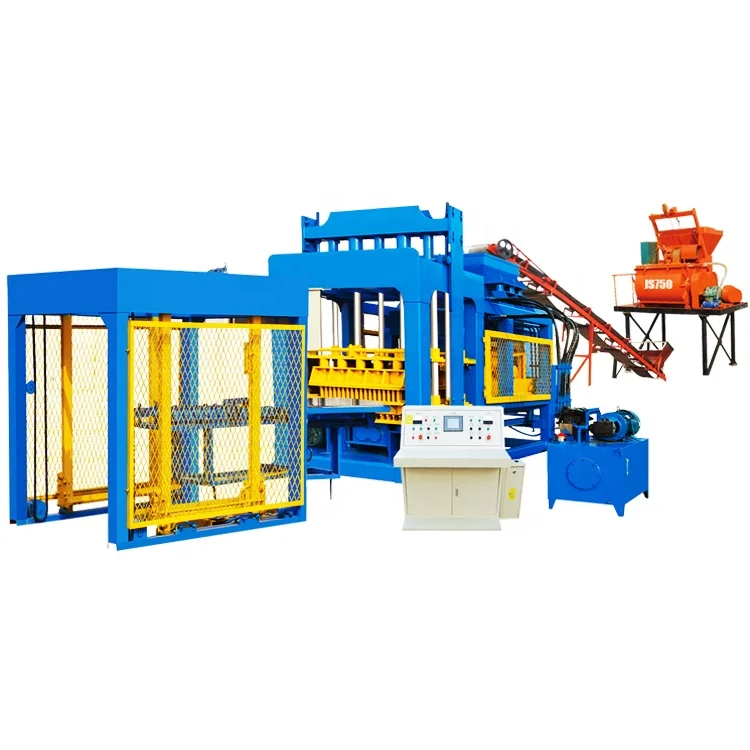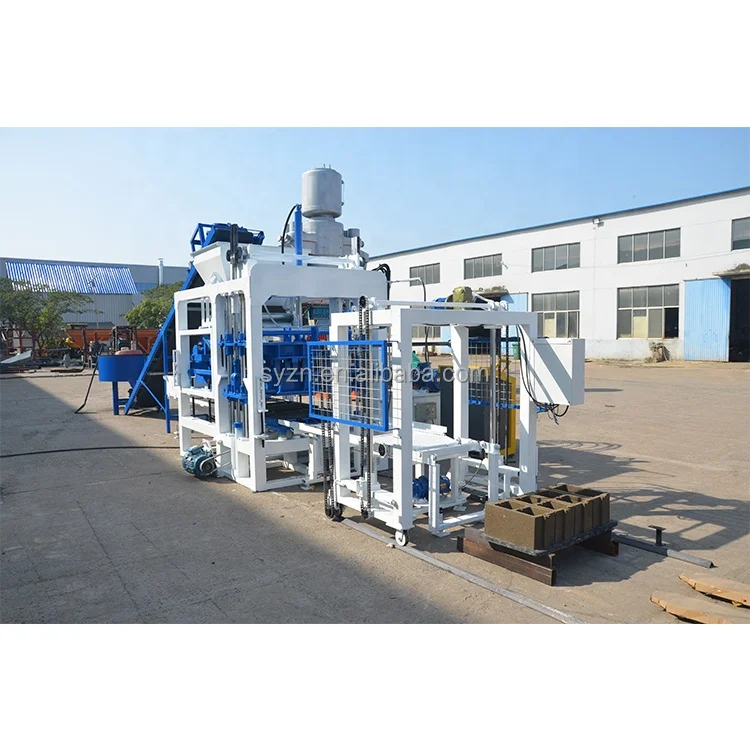
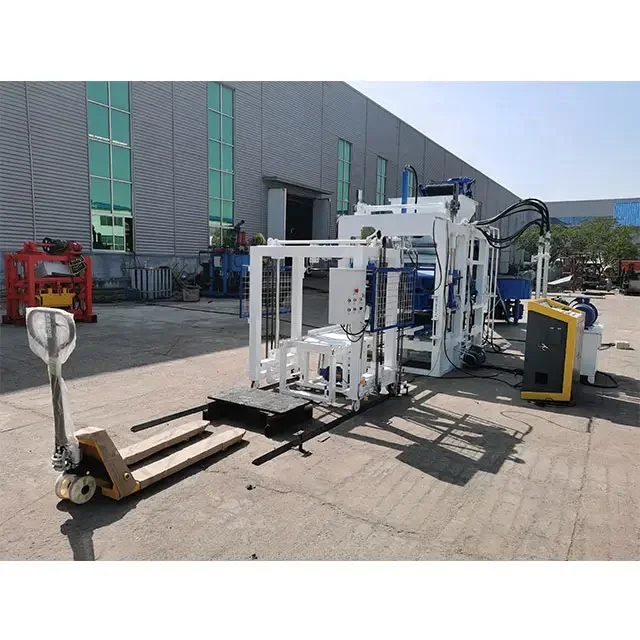


Description
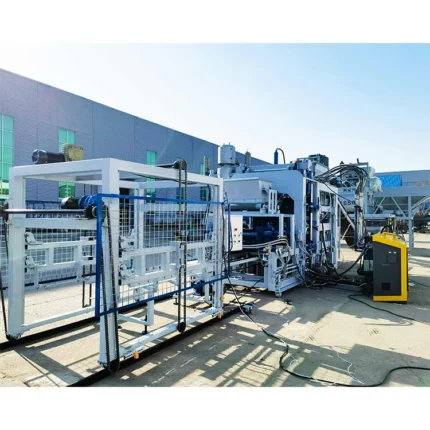
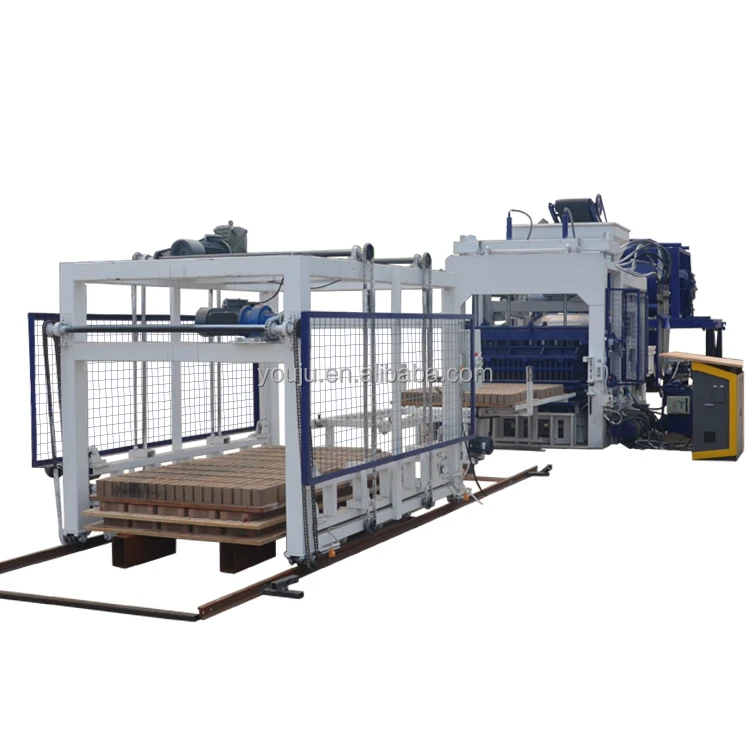
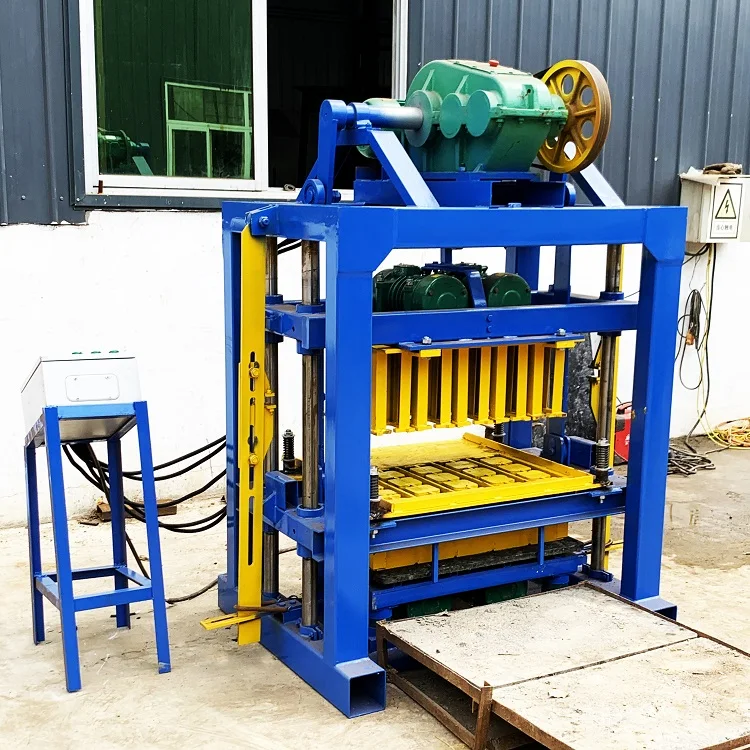
Intelligent Control Integration — The QT4-18 block machine pairs PLC automation with hydraulic forming, configured against your actual mix design rather than a generic default.
Technical Specifications
| Parameter | Value |
|---|---|
| Model | QT4-18 |
| Product Type | Hydraulic Concrete Block Making Machine |
| Overall Dimensions (L×W×H) | 3900×1600×2300 mm |
| Molding Cycle | 15-25s |
| Vibration Force | 40-50 kN |
| Rated Power | 24 kW |
| Mixer Model | JQ350 |
| Pallet Size | 850×550×25 mm |
| Net Weight | 3 T |
| Automation Level | Semi-automatic |
| Control System | PLC |
| Hydraulic Station | Equipped |
Application Suitability
| Application | Material or Output |
|---|---|
| Hollow block production | Crushed stones, sand, cement, fly ash |
| Solid brick production | Crushed stones, sand, cement, dust |
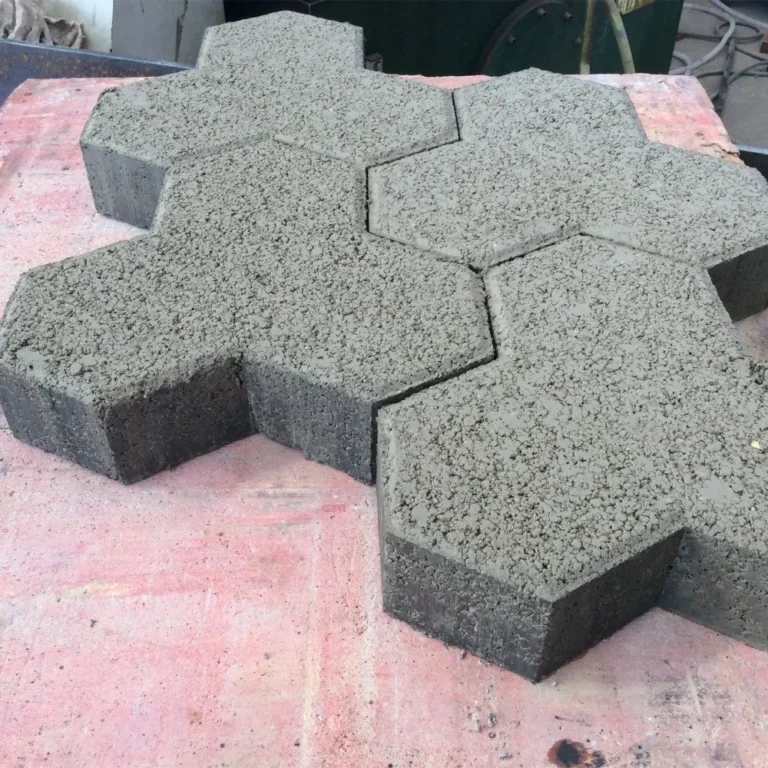
| Paver production | Crushed stones, sand, cement |
| Kerbstone production | Crushed stones, sand, cement |
What the Automation Promise Actually Delivers
The QT4-18 removes manual timing guesswork through PLC cycle management, but its true value depends on matching the vibration force and hydraulic pressure to your specific raw material.
Many buyers invest in automated machinery only to find block strength varies wildly from batch to batch. The issue usually traces back to vibration force and hydraulic pressure being set to factory defaults rather than adjusted for the buyer’s local aggregate and mix design [NEED_CITE: hydraulic pressure and vibration matching for concrete block density]. An automatic PLC controlled concrete block making machine should adapt to your material, not force you to adapt to its settings.
PLC Control Without Operator Confusion
The PLC system manages cycle timing, pressure application, and vibration duration automatically. This means the operator monitors rather than manually controls each phase, reducing the chance of inconsistent cycles that lead to weak blocks or surface defects. The automatic PLC controlled concrete block making machine maintains the same cycle parameters whether it is the first block of the shift or the thousandth.
Language and Voltage Before the Machine Ships
I spent two days in West Africa watching a fully commissioned line sit idle because the touch screen was in Chinese and the operators spoke French. Since then, confirming PLC display language and voltage compatibility happens before the machine leaves the factory [NEED_CITE: voltage and frequency standards by export market]. Automation means nothing if the operator cannot read what the screen is telling them.
Understanding the Core Forming Parameters
The 40-50 kN vibration force works with hydraulic pressure to compact the concrete mix into the mould cavity. Higher vibration alone does not guarantee density; the hydraulic upper mould compression must apply enough force to consolidate the material while vibration eliminates air pockets. The 15-25 second molding cycle range reflects different block formats, where hollow blocks typically complete faster than dense solid bricks. The 850×550 mm pallet size determines how many blocks form per cycle and must align with your curing area dimensions and the forklift capacity you already have on site. The 24 kW rated power covers the mixer, hydraulic pump, and vibration motors running simultaneously.
The Cost of Skipping Configuration Verification
Buyers who skip voltage confirmation face weeks of delay while transformers are sourced locally, or worse, motors burn out during commissioning. Those who accept default hydraulic settings discover blocks crumble at the edges when using their local sand, requiring costly mix redesigns. Mould changes that should take minutes stretch across half a shift because the quick-change system was never specified [NEED_CITE: mould change systems and format flexibility in block production].
Why This Supplier Approaches It Differently
Block machinery is the sole focus here, meaning the press, mould, pallet, and handling equipment are specified as a matched system rather than sourced separately. The configuration starts from your target block format and local aggregate, not a catalogue default. Mould design covers the formats your market actually sells, including custom drawings when standard options do not fit. The semi-automatic baseline allows you to begin production immediately while planning future automation upgrades. Installation includes operator training so your team understands both routine operation and fault response.
Documentation & Verification
- Factory test record using your specified block format and mix ratio before dispatch
- Hydraulic and electrical schematic matching your confirmed voltage and control language
- Mould drawing and format list showing changeover procedure for each block type
- Capacity calculation sheet stating the block format assumed for each output figure
- Wear parts list identifying items requiring first replacement planning
Installation, Commissioning & Support
- Foundation preparation for the 3900×1600 mm footprint with level tolerance specifications
- Dedicated power circuit for the 24 kW load with confirmed voltage and frequency
- Machine arrives nude packed in 20GP container requiring on-site assembly of hopper and mixer
- First production run supervised with hydraulic pressure and vibration force adjusted to your mix
- Operator training covers PLC navigation, fault codes, and emergency stop procedures
- Spare mould and hydraulic wear parts identified for local sourcing or direct supply
Before You Request a Quotation
Provide your target block formats, daily output requirement, and the raw materials available locally including aggregate type and cement grade. Confirm your site voltage, frequency, and the language your operators will need on the PLC display. If you have existing pallets or curing racks, share their dimensions so the system integrates with equipment already in place.
Frequently Asked Questions
Q: How is cycle time verified per block format, and what does the quoted output actually assume?
A: The 15-25 second molding cycle varies by format. Output capacity figures assume specific block dimensions such as 400×200×200mm for hollow blocks. Request a capacity calculation sheet that states the format behind each number rather than accepting a single headline figure.
Q: What PLC language and voltage options are confirmed before commissioning?
A: Display language and voltage frequency are confirmed during order finalization, not at delivery. This ensures operators can read fault messages and the electrical system matches your site supply without requiring post-arrival modifications.
Q: How do I select the automation level now and plan an upgrade path later?
A: The QT4-18 operates as a semi-automatic system with selectable upgrades. You can begin with manual pallet handling and add automatic stacking or cubing later as production volume justifies the investment.
Q: How are vibration force and hydraulic pressure matched to my local aggregate?
A: Configuration starts with your actual mix design and aggregate samples. The 40-50 kN vibration force and hydraulic pressure are adjusted during commissioning to achieve target block density and strength using your available materials.
Q: What mould change system is included, and how long does a format change take?
A: The mould change procedure depends on the quick-change system specified. Ask for documented changeover times per format rather than accepting general flexibility claims that cancel out production gains during actual changeovers.