

Description
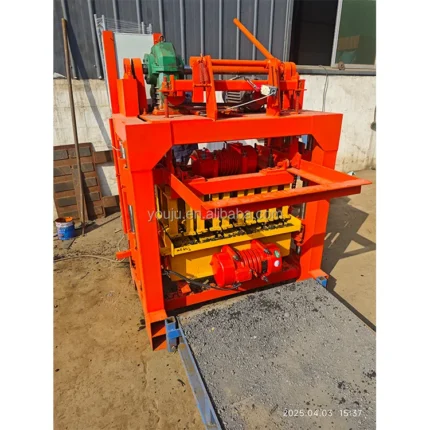
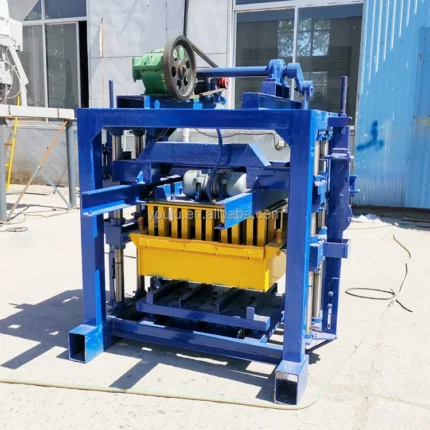
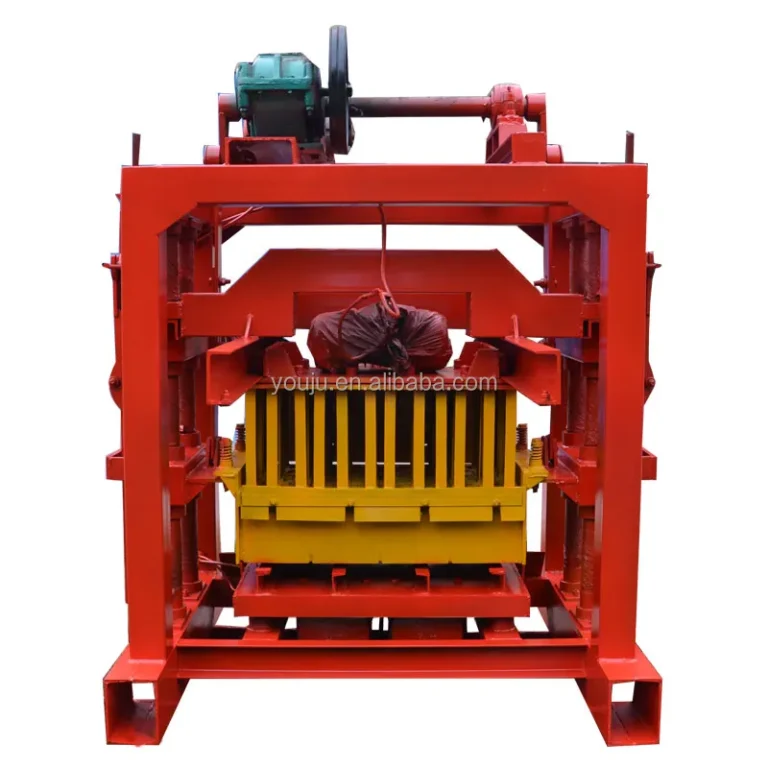
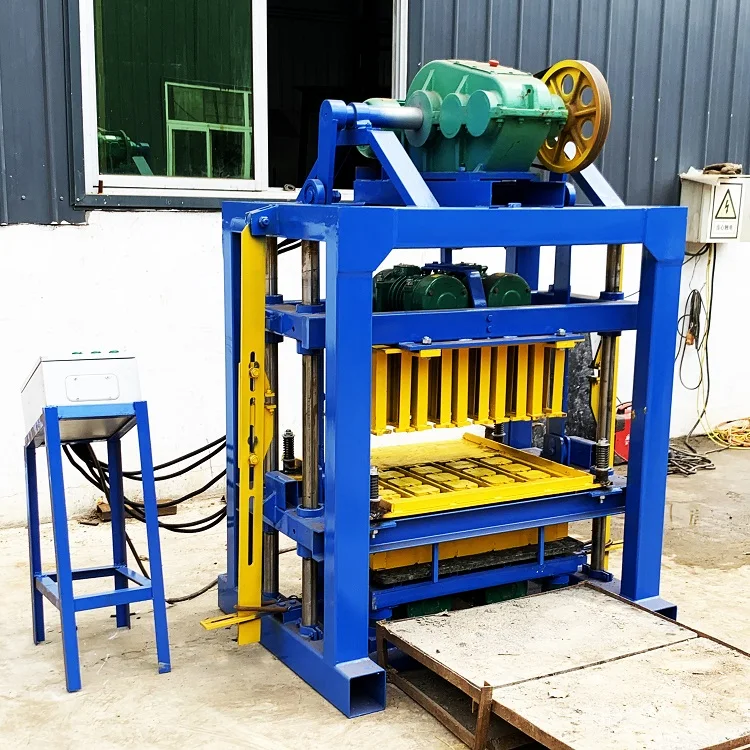
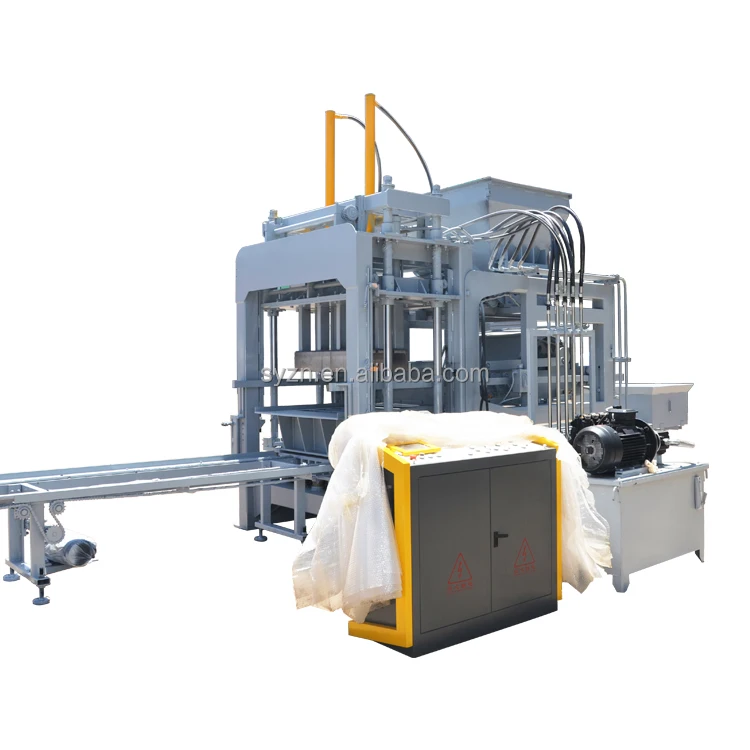
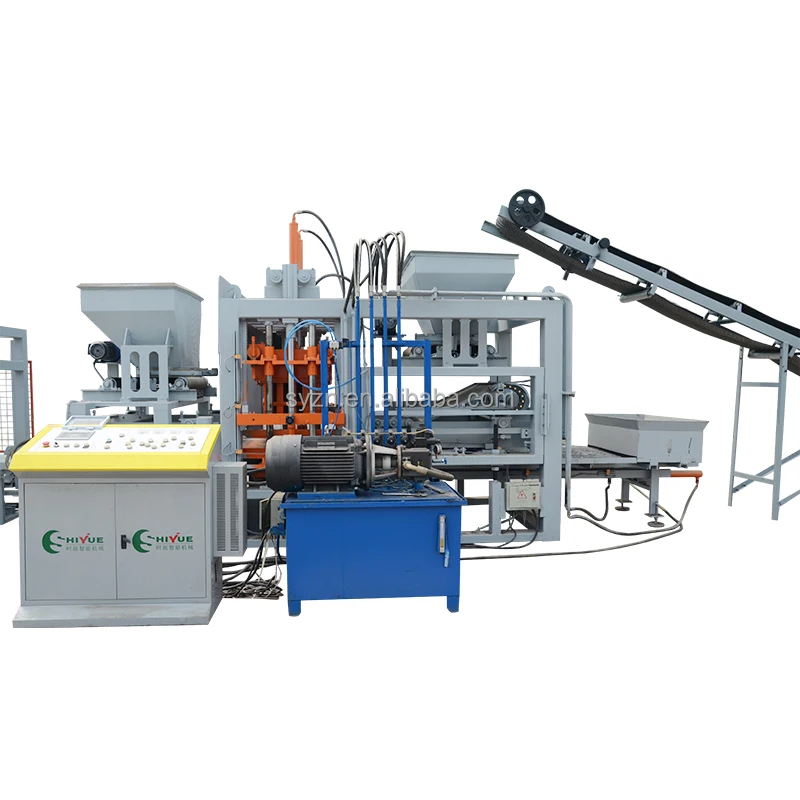
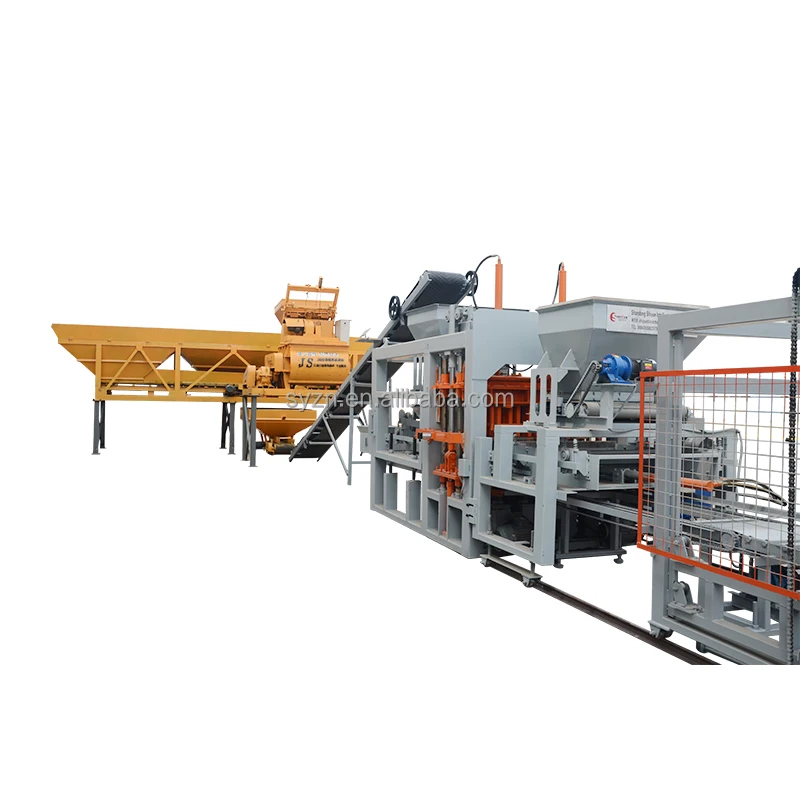
Fully Matched Line Configuration — Every station from the PLD1200 batcher through the SY-4 stacker is sized to the QT7-15 press cycle, so the machine never waits on upstream feed or downstream handling.
Technical Specifications
| Parameter | Value |
|---|---|
| Model | QT7-15 |
| Product Type | Automatic Hydraulic Block Making Machine |
| Dimension of Host Machine | 3200 x 2300 x 2750 mm |
| Weight of Host Machine | 6 Tons |
| Molding Area | 1150 x 700 mm |
| Host Machine Power | 45 kW |
| Vibration Force | 100 kN |
| Vibration Method | Hydraulic + Platform Vibration |
| Vibration Frequency | 2800 – 4500 Times/Minute |
| Pallet Size | 1150 x 700 x 25 mm |
| Molding Period (Cycle Time) | 15 Seconds |
| Control System | Siemens PLC with independently developed control program |
| Travel Switch | France Schneider / Japan Omron |
| Motor | Germany SIEMENS brand or CE standard brand |
| Voltage | 220 / 380 / 415 / 440 V (Customized) |
| Mould Heat Treatment | Carburizing treatment, hardness 54–58 HRC |
| Welding | Carbon dioxide protection welding |
| Automation Level | Automatic |
| Batching Machine | PLD1200 (1200 L hopper, 4 x 2.5 m³ storage, ±2% precision) |
| Concrete Mixer | JS500 (800 L charging, 500 L discharging, 25 m³/h capacity) |
| Stacker | SY-4 (3 kW, 600 kg) |
| Line Equipment Included | QT7-15 Host, Pallet Feeder, Brick Receiver, Hydraulic Station, Batching Machine, Mixer, Conveyor Belt, Hydraulic Trolley, Stacker |
| Output Capacity | (basis not stated in source — confirm block format / material / thickness) |
| Standards | CE |
Application Suitability
| Application | Material or Output |
|---|---|
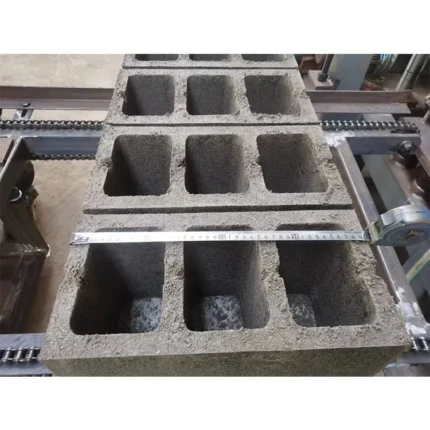
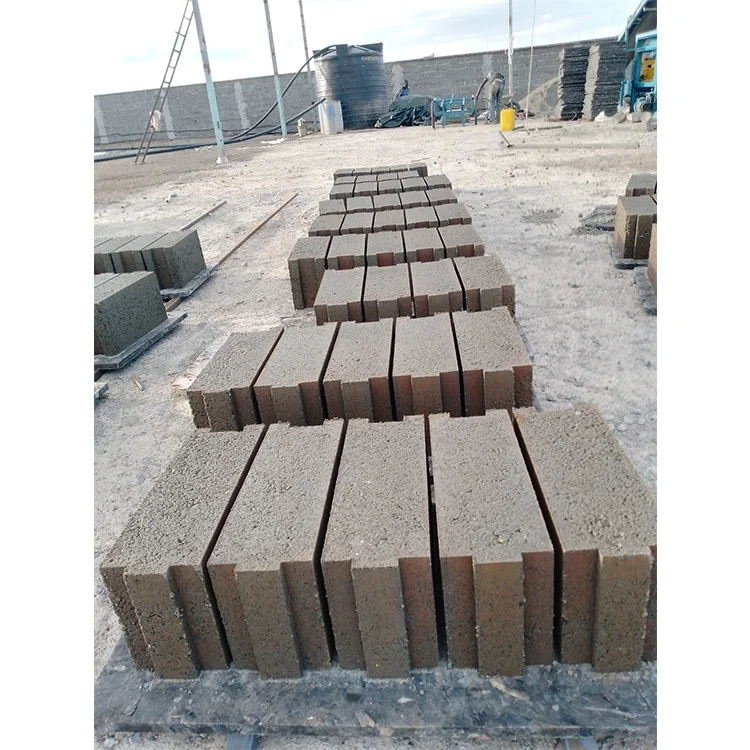
| Hollow block production | Crushed stone, sand, cement, and fly ash mixes for structural and non-load-bearing walls |
| Solid block manufacturing | Dense aggregate blends producing high-compressive-strength masonry units |
| Paving brick and color paver production | Fine aggregate and cement with optional color feeding system for surface layers |
| Interlocking cement brick forming | Graded sand and cement mixes for dry-stack or mortar-less wall systems |
| Kerbstone and heavy-duty paver | Coarse aggregate and high-cement-content mixes requiring maximum vibration force |
Why "15-Second Cycle" Means Nothing Without Block Format
Cycle time only translates to daily output when the block format, mix design, and pallet size are all defined together.
I have seen buyers sign contracts based on a 15-second cycle figure, then discover on commissioning day that their local sand carries high clay content. The vibration parameters had to be completely retuned, and the real output dropped to nearly half the quoted number. The automatic QT7-15 block making machine PLC controlled cycle is calibrated against a specific mould cavity count and material density; change any one of those variables and the throughput shifts. [NEED_CITE: impact of aggregate grading on block machine cycle time]
How PLC Logic Keeps Every Station in Step
The Siemens PLC running the QT7-15 does more than sequence the press ram and vibration motors. It coordinates the pallet feeder dispatch, the brick receiver travel, and the SY-4 stacker lift cycle so that no station blocks the next. When a pallet clears the molding area, the PLC signals the feeder to send the next one only after the receiver has confirmed the finished block is clear. This interlock logic is what separates a matched automatic QT7-15 block making machine PLC controlled line from a collection of standalone machines that constantly starve or jam each other.
Tuning Vibration to Your Aggregate, Not a Catalogue Default
Every region sources different aggregate — some sites use crushed granite, others rely on river sand or recycled concrete dust. The hydraulic-plus-platform vibration system on this press covers a frequency range from 2800 to 4500 cycles per minute, but the effective setting depends on particle shape and moisture content of the actual mix. During commissioning, the independently developed control program is adjusted on-site so that the vibration force and hydraulic pressure together produce the target block density without over-compacting or leaving voids. [NEED_CITE: vibration frequency selection for varying aggregate types in block production]
Reading the Specification Sheet Against Real Production Needs
The 100 kN vibration force paired with hydraulic pressure determines the compressive strength of the finished block. If your market requires hollow blocks at 7 MPa, the press must deliver enough compaction energy within the 15-second cycle to achieve that density. The 1150 x 700 mm molding area accepts pallets of the same dimension, which in turn dictates how many block cavities fit per cycle — a 400 x 200 x 200 mm hollow block yields a different cavity count than a 200 x 100 x 60 mm paving brick. The carburized mould surfaces, hardened to 54–58 HRC, resist abrasive wear from high-silica aggregates, extending service intervals well beyond standard untreated tooling.
The Hidden Cost of Ignoring Upstream and Downstream Timing
When the JS500 mixer cannot discharge fast enough to keep the PLD1200 batching hopper fed, the press sits idle waiting for material. I have walked onto sites where a block plant owner paid for a high-capacity press but paired it with an undersized mixer, losing meaningful production hours every shift to material shortages. The same problem appears downstream: if the hydraulic trolley or stacker cannot clear pallets at the rate the press produces them, the receiver backs up and the PLC halts the cycle. [NEED_CITE: production line bottleneck analysis in concrete block plants]
Why This Line Is Specified as One System
The PLD1200 batcher stores four aggregate fractions in 2.5 m³ hoppers, feeding at ±2% precision to match the mix design the PLC program expects. The JS500 mixer charges 800 L per batch and discharges 500 L of mixed material, keeping pace with the press cycle without overflow or starvation. The SY-4 stacker handles loaded pallets at a rate matched to the brick receiver output, so cured blocks move to the yard without manual intervention. Voltage, frequency, and PLC display language are confirmed before production begins, eliminating the commissioning delays that arise when a machine arrives wired for a grid it cannot connect to. Mould formats are selected against the products your market actually buys, with custom drawings available when standard cavity layouts do not cover your range.
Documentation & Verification
- Line layout drawing showing station positions, conveyor lengths, and pallet flow path for the QT7-15 configuration
- Capacity calculation sheet stating the exact block format and cavity count assumed for each output figure
- Hydraulic and electrical schematics with Siemens PLC I/O map for on-site troubleshooting
- Factory test record run on your specified mould and pallet size before crating
- Mould drawing with dimensional tolerances and heat-treatment certificate for 54–58 HRC hardness
Installation, Commissioning & Support
- Foundation plan specifying load points for the 6-ton host machine and 45 kW power supply circuit
- Voltage and frequency confirmed to your local grid before the motor and PLC are wired at the factory
- Host machine dismantled into container-load sections with reassembly bolting points clearly marked
- On-site vibration frequency and hydraulic pressure tuned to your actual aggregate and mix design
- Operator training covering PLC fault codes, mould changeover procedure, and daily lubrication schedule
- Wear parts list identifying high-wear items with recommended stock quantities for the first year of operation
Before You Request a Quotation
To size the QT7-15 line correctly, share the block formats your market sells most, the daily volume you need for each, and the aggregate materials available at your site. Confirm your local voltage and frequency, the PLC display language your operators read, and whether your existing forklifts and curing racks match the 1150 x 700 mm pallet. If you are replacing an older press, note the current cycle bottlenecks so the automation sequence can address them directly.
Frequently Asked Questions
Q: How is output capacity verified and what block format is assumed?
A: Every capacity figure we quote names the block format, cavity count per mould, and material density assumed in the calculation. The 15-second cycle time is the press mechanical baseline; actual daily output depends on how many blocks fit on each 1150 x 700 mm pallet and how the PLC program sequences the specific mould installed.
Q: What PLC language and voltage configuration options are available for my market?
A: The Siemens PLC display can be set to English, French, Spanish, or other languages before shipment. Voltage is configurable across 220, 380, 415, and 440 V at either 50 or 60 Hz. We confirm these settings during the order stage so the machine arrives ready to connect.
Q: How does the automation level affect labour requirements and upgrade path?
A: The full automatic line includes pallet feeding, brick receiving, and SY-4 stacking, reducing manual handling to periodic pallet inspection and forklift movement of cured racks. If you begin with a semi-automatic configuration, the PLC architecture allows adding automatic stacking and trolley modules later without replacing the host press.
Q: How are cycle times matched between the press, batching, mixer, and stacker?
A: The PLD1200 batcher discharge rate, JS500 mixer cycle, and SY-4 stacker lift speed are all calculated against the QT7-15 press cycle. The PLC coordinates these stations so that material arrives and pallets clear without the press idling, which is why the line is specified as one matched system rather than separate purchases.
Q: What mould change system is included and how long does a format changeover take?
A: The press uses a bolt-on mould frame with locating pins, allowing a trained operator to swap moulds using standard hand tools. The PLC stores parameter sets for each registered mould, so vibration frequency, hydraulic pressure, and cycle timing recall automatically once the new mould is seated and confirmed.