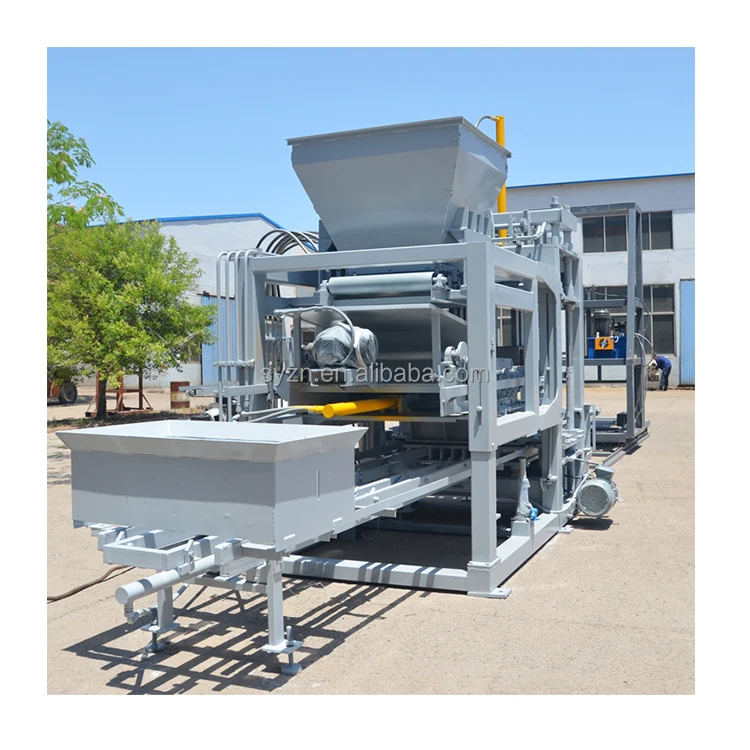

Description
Intelligent Control Matching — The QT7-15 removes manual guesswork from the pressing cycle by storing PLC parameters for each block format, ensuring batch-to-batch consistency as production scales.
Technical Specifications
| Parameter | Value |
|---|---|
| Model | QT7-15 |
| Product Type | Hydraulic Block Making Machine |
| Pallet Size | 1150x700mm |
| Molding Cycle | 15-20s |
| Overall Power | 45KW |
| Vibration Force | 100KN |
| Vibration Frequency | 0-60HZ |
| Vibration Form | Platform Vibration |
| Demolding Method | Hydraulic |
| Control System | PLC (Programmable Logic Controller) with touch screen interface |
| Total Mass | 8T |
| Automation Level | Automatic with intelligent PLC control |
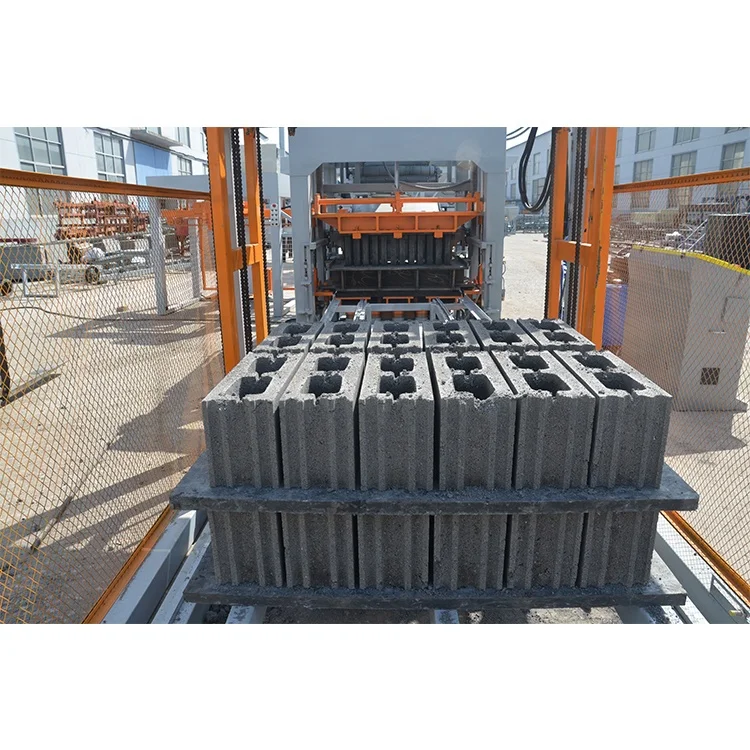
| Output Capacity (Hollow block 400x200x200mm) | 1260-1680 pcs/hour, 10080-13440 pcs/8hr |
| Output Capacity (Hollow block 400x150x200mm) | 1440-1920 pcs/hour, 11520-15360 pcs/8hr |
| Output Capacity (Rectangular brick 200x100x60mm) | 3888-4860 pcs/hour (based on 20-25s molding cycle), 31104-38880 pcs/8hr |
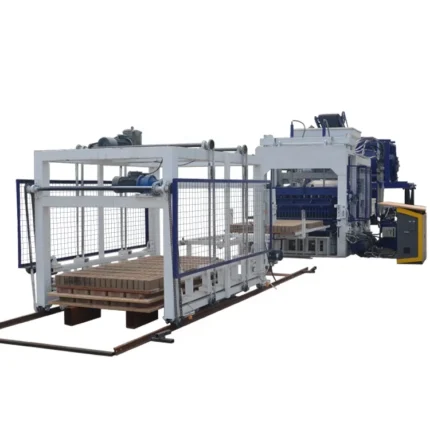
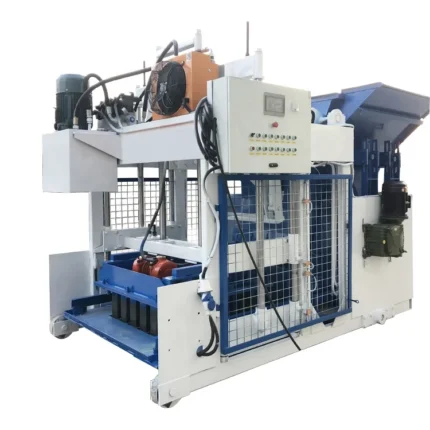
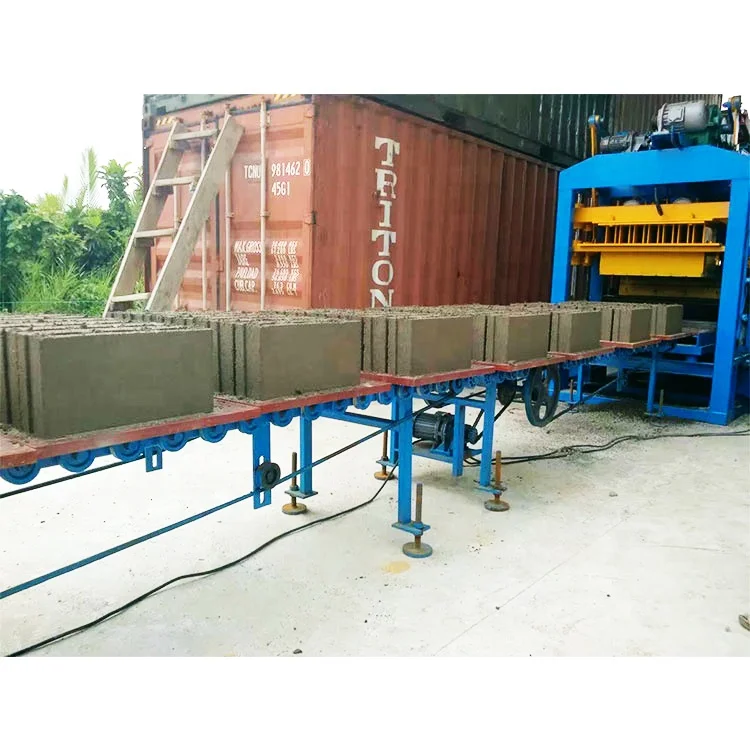
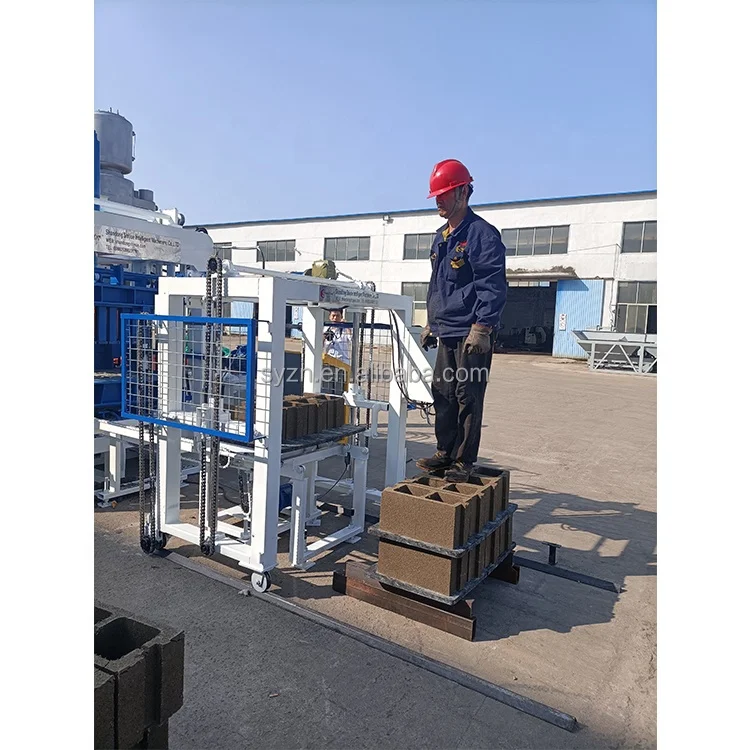
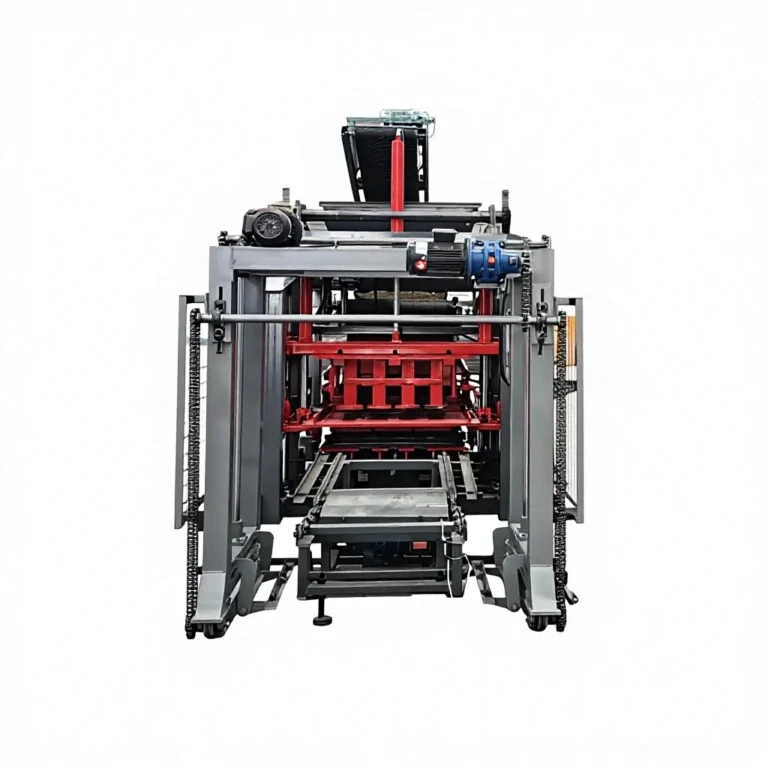
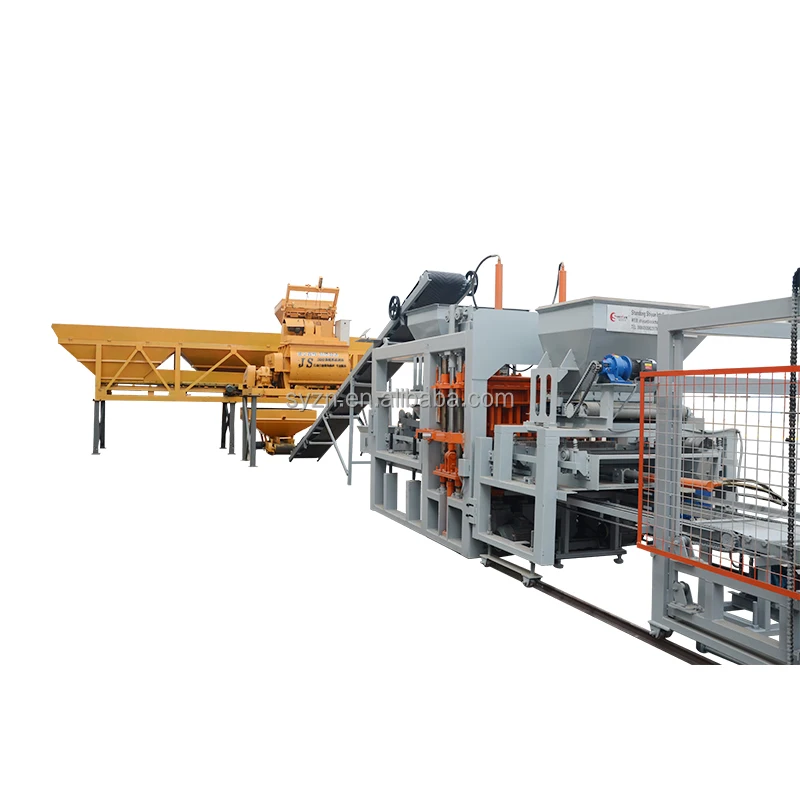
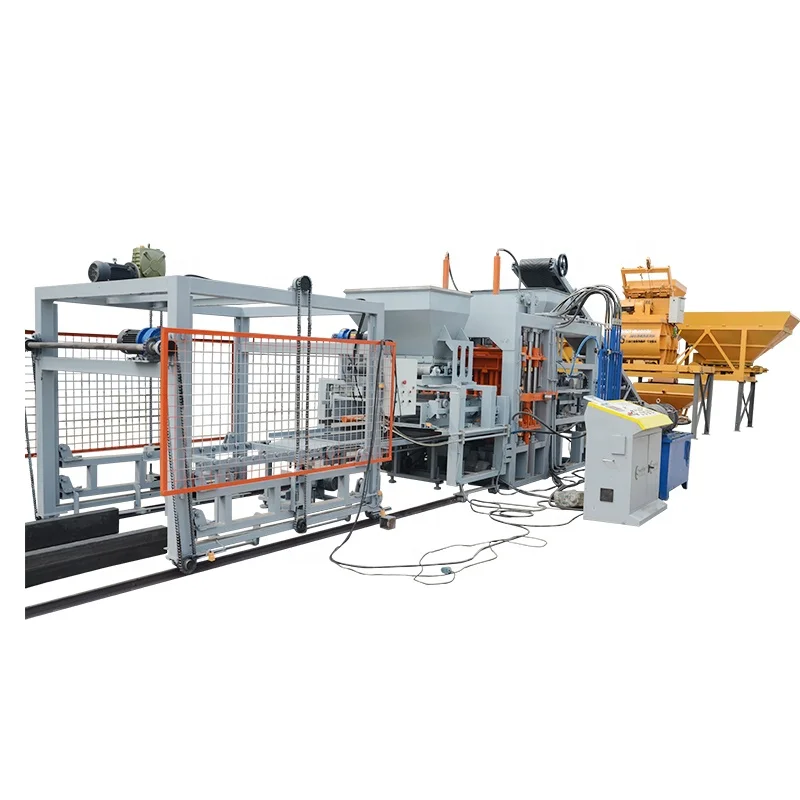
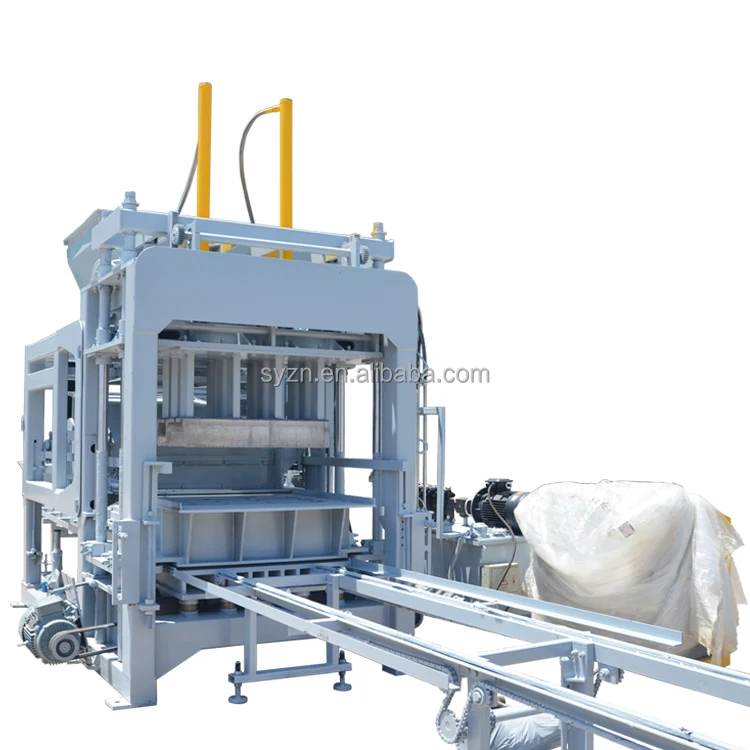
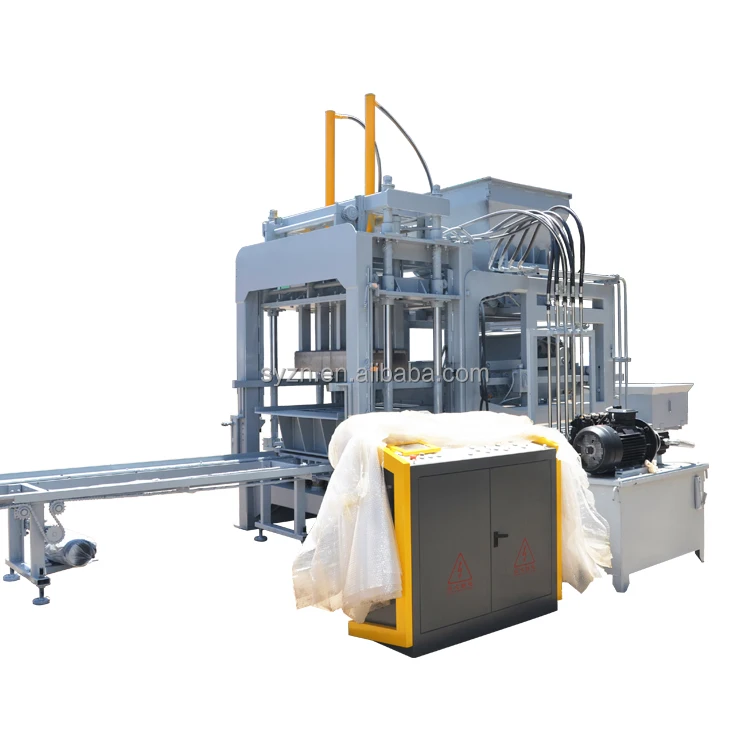
| Component Configuration | Pallet feed machine, block making machine, storage hopper, conveyor, hydraulic unit, PLC control cabinet |
| Fault Diagnosis | Remote control and random testing of advanced control systems |
| Warranty | 1 year for whole machine (excluding spare parts) |
Application Suitability
| Application | Material or Output |
|---|---|
| Hollow Block Production | Various sizes including 400x200x200mm, 400x150x200mm using crushed stone, sand, and cement |
| Rectangular Paving Brick | 200x100x60mm formats for walkways and driveways |
| Multi-Format Manufacturing | Quick mould change capability for producers switching between block types |
| Flexible Construction Plants | Operations requiring consistent output across different concrete mix designs |
Why "Fast Mould Change" Often Means Nothing Without PLC Memory
A quick-change mechanical design only saves time if the control system remembers the exact vibration and pressure profile for each format.
Plant owners often invest in multi-format capability, only to find that operators spend the first hour of every shift manually dialling in the PLC settings for a new block size. This trial-and-error process wastes raw material and produces inconsistent batches that fail to meet strength requirements. The automatic hydraulic block making machine with PLC control addresses this by storing the specific parameters for every mould in the system, allowing operators to recall the exact recipe with a single touch screen command. [NEED_CITE: PLC parameter storage and recall functionality in industrial machinery]
Intelligent Automation and Consistency
The core value of this automatic hydraulic block making machine with PLC control lies in its ability to remove human variance from the production cycle. The intelligent PLC control system manages the pallet feeding, vibration sequencing, and hydraulic demolding with precision, ensuring that the 100KN vibration force is applied exactly as programmed for each specific block format. This level of automation is essential for plant owners who need to guarantee that every pallet of blocks meets the same density and strength standards, regardless of which operator is running the shift.
Remote Diagnostics and Uptime Protection
Beyond the pressing cycle, the system includes remote fault diagnosis capabilities that allow for random testing of the advanced control systems. This feature reduces unplanned downtime by enabling technical support to identify electrical or hydraulic irregularities before they cause a full line stoppage. For operations running tight project deadlines, the ability to monitor the health of the 45KW power system and hydraulic unit remotely provides a layer of security that manual or semi-automatic machines simply cannot offer. [NEED_CITE: remote diagnostics and monitoring standards for industrial block lines]
Matching Vibration Frequency to Mix Design
The platform vibration system on the QT7-15 operates with an adjustable frequency ranging from 0-60HZ, which is critical for adapting to different local aggregates and mix designs. A high-frequency setting is typically required for fine sand and cement mixes used in paving bricks, while lower frequencies are better suited for the coarse aggregates found in large hollow blocks. By allowing precise control over this variable, the machine ensures that the concrete is properly compacted within the 15-20s molding cycle, preventing weak spots and ensuring the structural integrity of the final product. The hydraulic demolding method further protects the green blocks from damage during the release phase, maintaining sharp edges and consistent dimensions.
The Hidden Cost of Ignoring Control Language
When a plant upgrades to a fully automatic system, the interface between the operator and the machine becomes the most critical point of failure. If the PLC display language is not confirmed before shipment, operators may struggle to interpret fault codes or adjust parameters, leading to incorrect settings that damage the moulds or produce substandard blocks. This oversight often results in weeks of lost production while the software is updated or a translator is brought in, negating the efficiency gains of the new equipment. [NEED_CITE: industrial equipment interface language and operator training requirements]
Why Source This Configuration Here
- System Matched to Mix Design: The configuration is set against the buyer’s actual local aggregate and target block format, ensuring the vibration force and hydraulic pressure are optimized for your specific materials.
- Automation Upgrade Path: The intelligent PLC control allows for a clear upgrade trajectory, enabling you to add automatic stacking or cubing systems as your production volume scales.
- Mould Design and Supply: We provide custom mould drawings and format lists that match your local market requirements, ensuring the quick-change system delivers real flexibility.
- Factory Test Verification: Every machine undergoes a factory test record that demonstrates the actual cycle times and block quality per format before it is cleared for shipment.
- Single Focus Supplier: As a manufacturer dedicated solely to block machinery, the machine, mould, pallet, and handling equipment are specified as one matched system rather than assembled from separate sources.
Documentation & Verification
- Line layout and capacity calculation stating the specific block format assumed for the QT7-15.
- Machine specification sheet detailing the 100KN vibration force and 45KW overall power configuration.
- PLC control language confirmation and electrical schematic matching your site voltage.
- Factory test record demonstrating cycle times for your chosen hollow block and paver formats.
- Operation and maintenance manual with wear parts and mould list for long-term support.
Installation, Commissioning & Support
- Foundation preparation for the 8T total mass and 1150x700mm pallet handling system.
- Electrical connection verification for the 45KW overall power and specific site voltage requirements.
- PLC parameter setup and calibration for your local aggregate and target block formats.
- Operator training on the touch screen interface, fault diagnosis, and quick mould change procedures.
- Scheduled maintenance guidance for the hydraulic unit and platform vibration components.
Sizing the Line to Your Project
To ensure the QT7-15 is configured correctly for your operation, please provide details on your target block formats, daily output requirements, and the specific raw materials available at your site. We also need to confirm your local voltage and frequency standards, as well as the preferred language for the PLC control interface, to guarantee a smooth commissioning process upon arrival.
Frequently Asked Questions
Q: How does the PLC control system store and recall parameters for different block formats?
A: The touch screen interface allows operators to save specific vibration frequencies, hydraulic pressures, and cycle times for each mould. When changing formats, the operator simply selects the pre-set recipe, and the automatic hydraulic block making machine with PLC control adjusts all settings to match that specific block’s requirements.
Q: What automation upgrade path is available from this model?
A: The QT7-15 is designed with an upgrade path that allows for the integration of automatic stacking and cubing systems. The intelligent PLC control can be expanded to manage these additional stations, reducing manual labour as your production volume increases.
Q: How is mould change time measured and what tools are required?
A: Mould change time is measured from the release of the old mould to the first cycle of the new format. The system uses a quick-change design that typically requires standard hand tools, and the PLC recalls the new settings instantly to minimize downtime.
Q: What remote diagnostics capability does the control system provide?
A: The advanced control system supports remote fault diagnosis, allowing technical teams to perform random testing and identify electrical or hydraulic irregularities. This capability helps prevent unplanned downtime by addressing issues before they cause a full line stoppage.
Q: How does the vibration frequency adjustment match different aggregate and mix designs?
A: The platform vibration system operates between 0-60HZ, allowing precise matching to your local materials. Finer mixes require higher frequencies for proper compaction, while coarse aggregates used in large hollow blocks need lower frequencies to achieve the required density and strength.