

Description
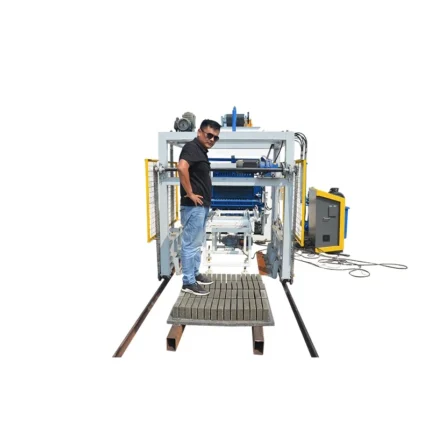
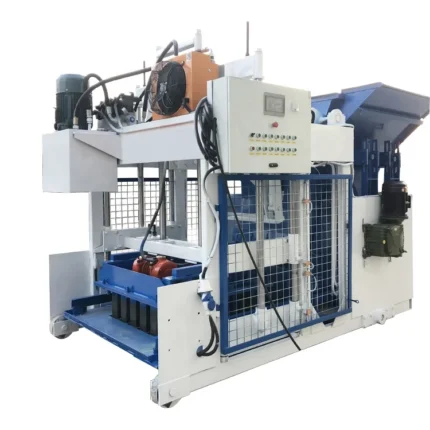
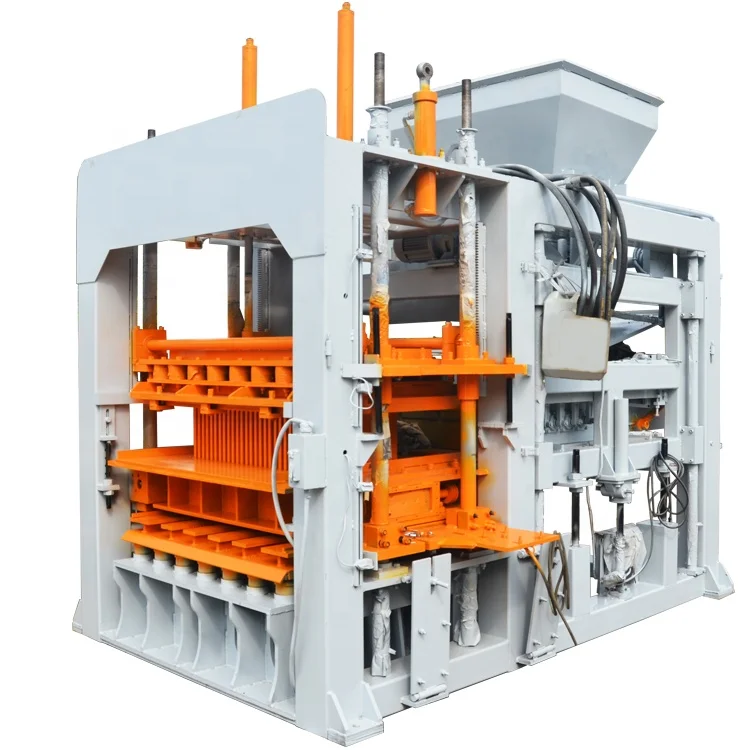
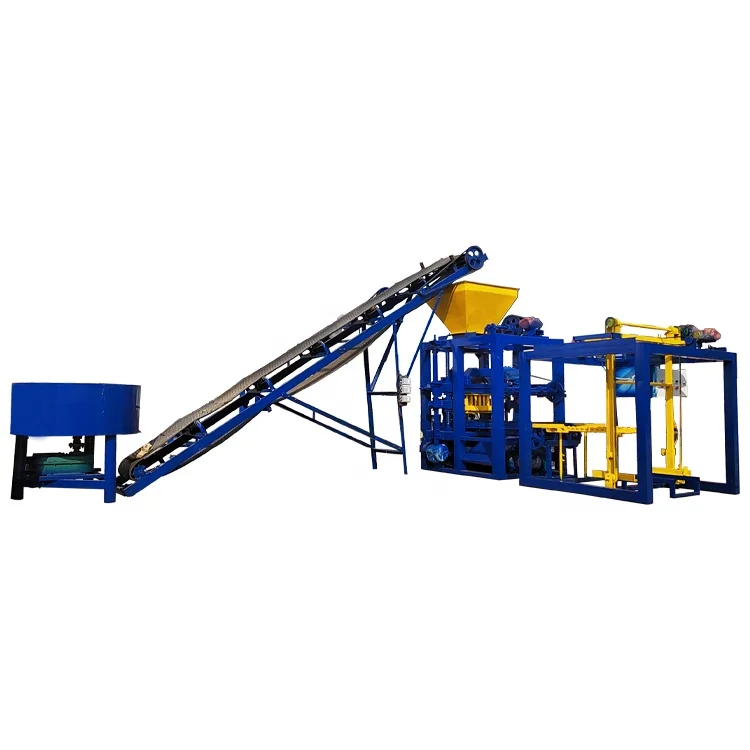
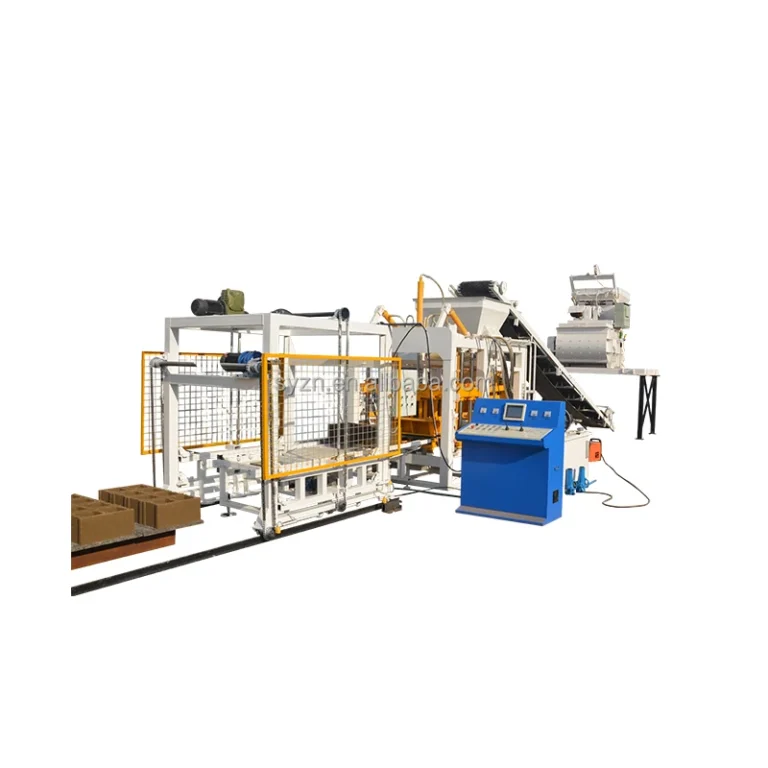
System Integration Over Component Assembly — the QT8-15 block line is specified as a matched press, mould, pallet and handling combination rather than individual machines sourced separately.
Technical Specifications
| Parameter | Value |
|---|---|
| Model | QT8-15 |
| Product Type | Automatic Concrete Block Making Machine |
| Overall Dimensions (L×W×H) | 8300 × 1860 × 3000 mm |
| Total Mass | 8 T |
| Rated Pressure | 21 MPa |
| Main Vibration Form | Platform Vibration |
| Vibration Frequency | 2800–4500 r/min |
| Vibration Force | 45 kN |
| Pallet Size | 950 × 900 mm |
| Molding Cycle | 15–20 s (basis to be confirmed by block format) |
| Overall Power | 55.5 kW |
| Demolding Method | Hydraulic |
| Required Factory Area | 300 m² |
| Control System | PLC (language configurable pre-shipment) |
| Voltage & Frequency | Configurable to destination grid |
Application Suitability
| Application | Material or Output |
|---|---|
| Hollow block production | Crushed stone, sand, cement, fly ash |
| Solid block production | Gravel, slag, cement blends |
| Paving block production | Aggregate with color pigment surface layer |
| Interlocking brick production | Local sand and crushed stone mixes |
| Kerbstone production | Coarse aggregate with high cement content |
| Porous and permeable paver production | Gap-graded aggregate and cement |
What the Molding Cycle Number Actually Means on a PLC-Controlled Press
A cycle time of 15–20 seconds on the QT8-15 automatic concrete block making machine PLC controlled is measured per pallet, not per block, and the realistic daily output depends entirely on which format fills that pallet.
The quoted cycle assumes a specific block format and mix — without knowing both, the number is meaningless for your output planning.
I once watched a plant owner in Jakarta calculate his daily capacity by dividing the shift length by 15 seconds and multiplying by block count per mould. The reality was that his hollow block format required a longer vibration hold and a slower demold, pushing actual cycle time well past the catalogue figure. The PLC can store format-specific parameters so that the operator simply selects the block type and the controller runs the correct vibration duration, pressure sequence, and feed timing without manual recalculation. When the PLC is not locked to your agreed language and voltage before the machine leaves the factory, even a correct cycle table becomes useless on day one [NEED_CITE: PLC language and voltage confirmation before export shipment].
How the PLC Manages Cycle Consistency Across Formats
The QT8-15 stores vibration frequency, hydraulic pressure hold time, and feed volume as named recipes tied to each mould. When the operator switches from hollow blocks to pavers, the controller loads the corresponding recipe so the platform vibration shifts within the 2800–4500 r/min range and the hydraulic demold speed adjusts for the different block weight. This removes the variability that comes from operators manually tuning settings each shift. The automatic concrete block making machine PLC controlled sequence also monitors the feed hopper level and pallet position, pausing the press if either station falls behind so the cycle does not run empty.
Where Automation Boundaries Need Defining Before Quotation
Automation scope is the most common source of post-delivery dispute on this class of machine. The QT8-15 press itself is PLC-driven, but pallet feeding, wet-side stacking, and cubing may be quoted as separate line items. If those stations are not included, operators still carry pallets and stack blocks by hand, and the press sits idle between pallets. Before signing the quotation, confirm exactly which stations — pallet feeder, stacker, finger car, cubing system — are inside the contracted scope and which are optional add-ons that can be integrated later through the existing PLC I/O reserve [NEED_CITE: block line automation scope definition in purchase contract].
Reading the Specs That Determine Block Density and Edge Quality
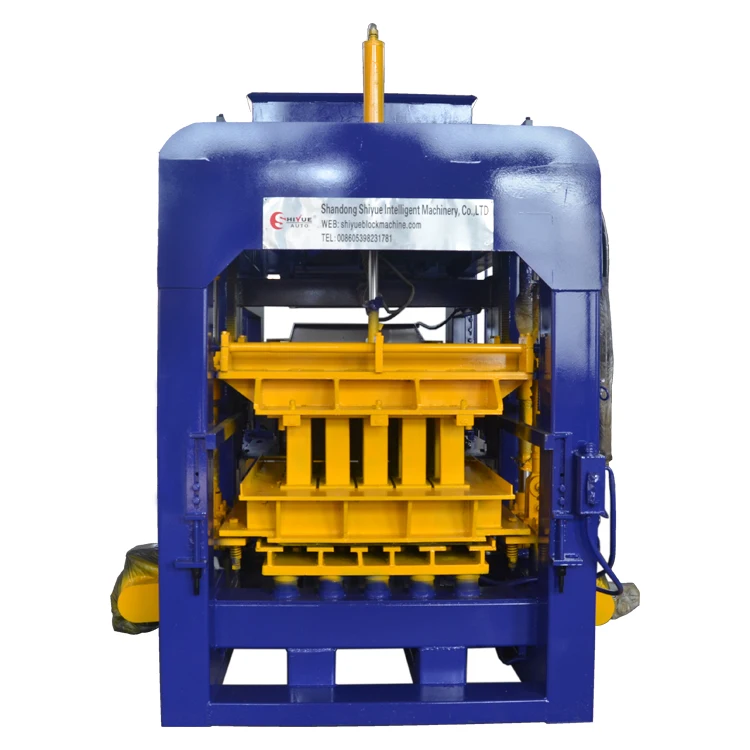
The 21 MPa rated hydraulic pressure and the 45 kN vibration force work together on the QT8-15 — vibration fluidises the mix so it flows into the mould corners, then hydraulic pressure compresses it to final density before demold. If vibration force is too low for a stiff mix with coarse local aggregate, the block surface shows voids; if pressure is too high for a wet mix, cement paste bleeds to the surface and edges crumble during handling. The PLC lets the technician fine-tune both parameters and save them per recipe. The 950 × 900 mm pallet size determines how many blocks fit per cycle and must align with the curing rack spacing and the forklift tine width already in use at the plant. Mould change is a manual or semi-automated operation depending on configuration, so the number of format changes per shift should drive the decision on whether to invest in a quick-change mould clamping system. The 55.5 kW overall power draw requires a dedicated circuit with correct overcurrent protection sized for the vibration motor inrush, not just the running load [NEED_CITE: electrical supply sizing for vibration motor starting current].
The Cost of Getting the Pallet and Curing Layout Wrong
Pallet size is not a press decision alone — it is a curing area decision. A plant in West Java ordered a block line with pallets that did not match their existing rack dimensions, so every pallet had to be restacked by hand before entering the curing chamber. The pallets themselves were bamboo, which warped in the local humidity within weeks, causing uneven block thickness that the PLC could not compensate for. Pallet material, rack spacing, and forklift capacity must all be confirmed together with the press configuration so the automation loop closes from press to curing rack without manual intervention.
Why the Line Conversation Starts Here
Block machinery is our single focus, so the QT8-15 press, its moulds, pallets, and handling equipment are specified as one matched system with verified interface points. Configuration is set against the buyer’s actual mix design and target block format, not a default catalogue line. Mould design and supply covers the formats the buyer’s market sells, with custom drawings reviewed before tooling. Automation level is selectable so a buyer can commission semi-automatic and add stacking or cubing modules through the same PLC platform later. Installation support includes operator training on recipe selection, parameter tuning, and daily maintenance routines specific to the installed configuration.
Documentation & Verification
- Line layout with capacity calculation stating the block format assumed for the 15–20 s cycle
- Machine specification sheet with confirmed voltage, frequency, and PLC display language
- Mould drawing and format list showing pallet-to-block dimensional relationship
- Hydraulic and electrical schematic for on-site maintenance and fault tracing
- Factory test record run on the buyer’s specified block format before dispatch
- Operation and maintenance manual with PLC recipe instructions in the agreed language
Installation, Commissioning & Support
- 300 m² factory area with level concrete slab to support the 8 T machine mass and vibration load
- 55.5 kW dedicated power circuit with breaker rated for vibration motor inrush current
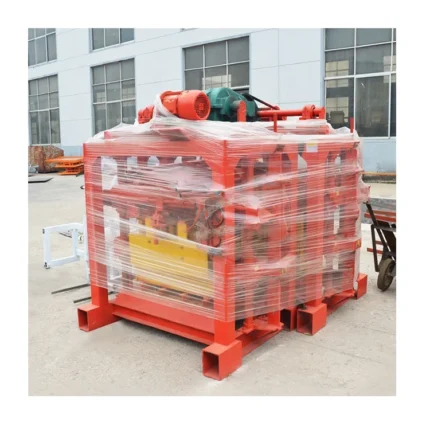
- Machine shipped in dismantled state; reassembly and alignment on site with factory guidance
- First-run commissioning includes PLC parameter tuning to the buyer’s mix and block format
- Operator training covers recipe selection, mould change procedure, and daily vibration table inspection
- Wear parts list with mould liner and hydraulic seal reorder intervals documented
What to Include in Your First Inquiry
To size the QT8-15 correctly for your plant, share the specific block formats you sell and the daily output target for each. Confirm the aggregate and cement sources available locally so the mix can be tested against the vibration and pressure range. State the site voltage, frequency, and the language your operators read so the PLC is locked before production begins.
Frequently Asked Questions
Q: How is the 15–20 s molding cycle verified, and which block format does it assume?
A: The cycle is measured on the production floor per pallet, and the figure varies by block format, mix stiffness, and target density. Before quotation we confirm which specific format — for example a 400×200×200 mm hollow block — the cycle time is based on, so your daily output projection is realistic for your product range.
Q: What PLC brand is installed, and can the display language be set before shipment?
A: The PLC brand is confirmed during the configuration stage based on parts availability in your region. The HMI language is set and tested in our factory before dispatch so your operators can read all menus, alarms, and recipe names on day one without a remote language change session.
Q: Which automation stations are included versus optional add-ons?
A: The quotation clearly separates the press, pallet feeder, stacker, and cubing system so you know exactly what is contracted. The PLC platform has reserved I/O for adding stacking or batching modules later, and the upgrade is performed by plugging in the new station and loading the updated program.
Q: Can vibration frequency and hydraulic pressure be adjusted to match my local mix?
A: Yes. The 2800–4500 r/min vibration range and the 21 MPa hydraulic pressure are both adjustable through PLC recipes. During commissioning we test your local aggregate and cement blend, tune the parameters for block density and edge quality, and save the settings so operators select the correct recipe each shift.