Description
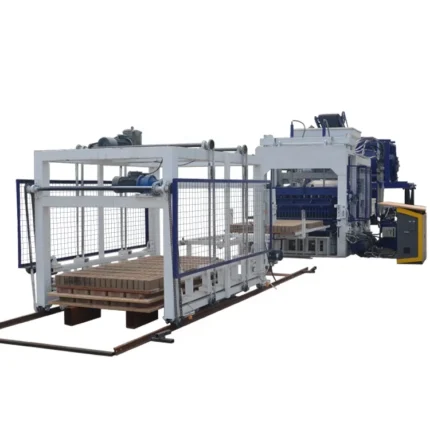
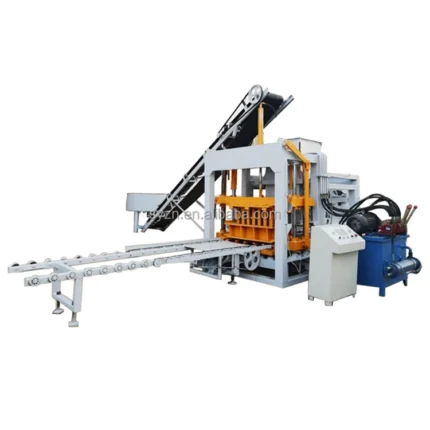
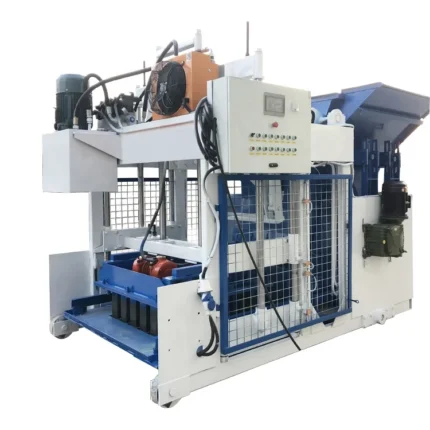
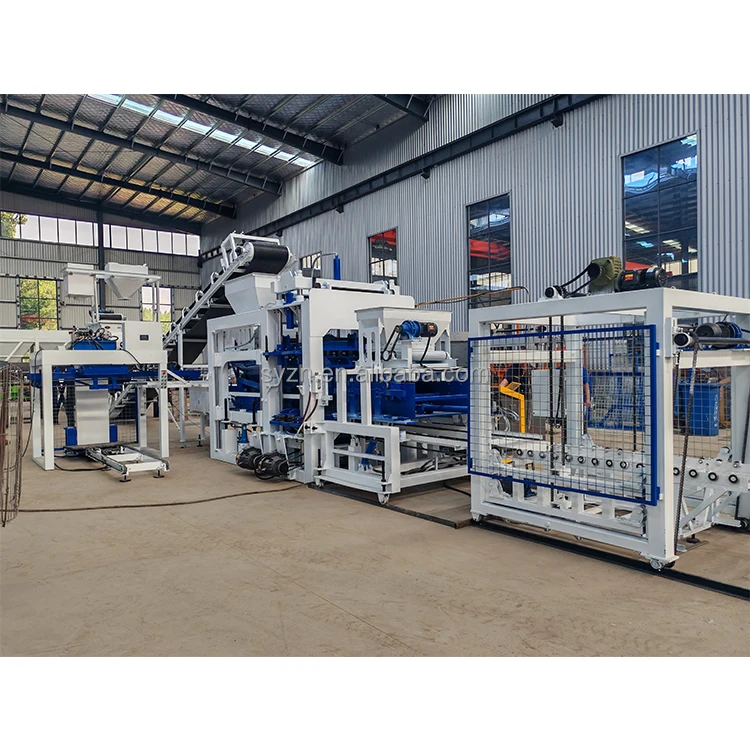
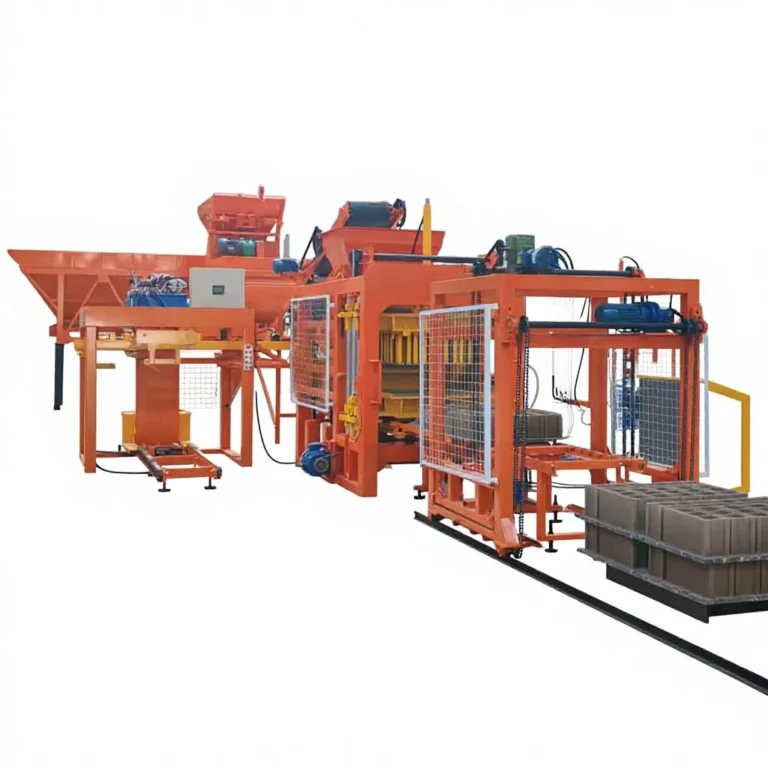
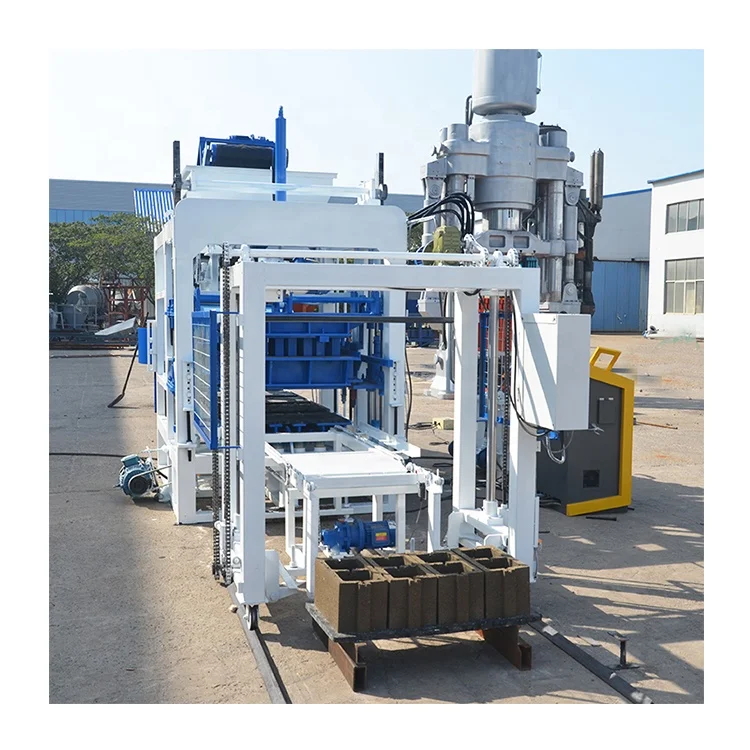
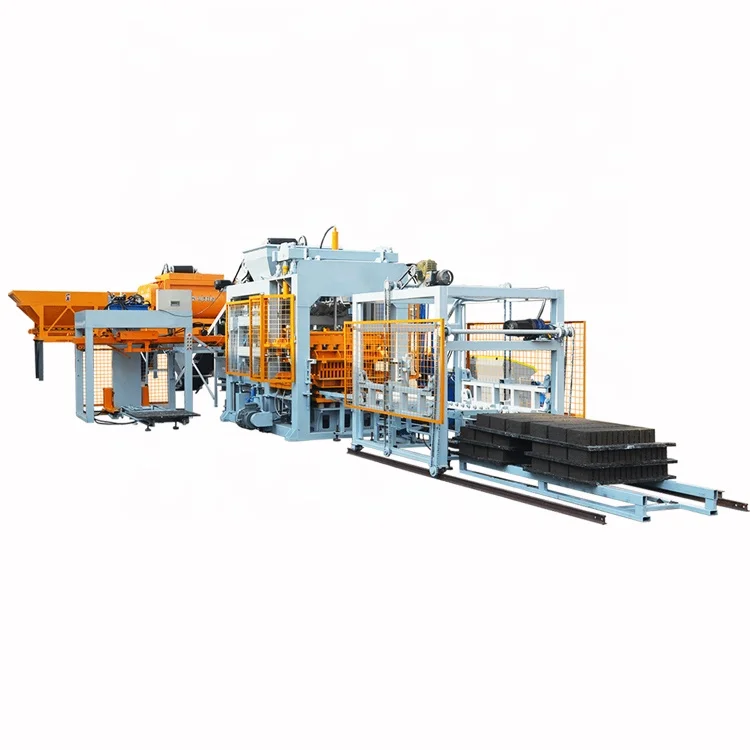
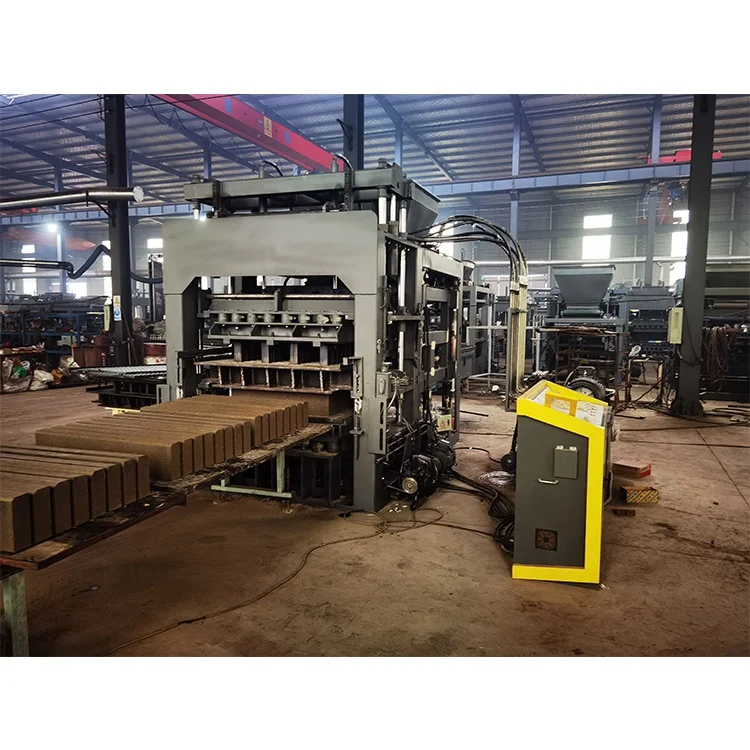
Single-focus block machinery design — Every component of the QT8-15, from pallet sizing to PLC language, is specified as a matched system around your local mix and target formats, not pulled from a generic catalog.
Technical Specifications
| Parameter | Value |
|---|---|
| Model | QT8-15 |
| Product Type | Hydraulic Full Automatic Concrete Block Making Machine |
| Overall Dimensions (L×W×H) | 8300×1860×3000mm |
| Rated Hydraulic Pressure | 21MPa |
| Vibration Force | 45KN |
| Vibration Frequency | 2800–4500 r/min |
| Main Vibration Form | Platform Vibration |
| Pallet Size | 950×900mm |
| Molding Cycle | 15–20s |
| Overall Power | 55.5kW |
| Total Mass | 8T |
| Demolding Method | Hydraulic |
| Automation Level | Full Automatic with Stacker |
| Control System | PLC (language to confirm) |
| Factory Area Required | 300m² |
| Voltage & Frequency | Configurable (to confirm before order) |
| Loading | 1×40HQ container |
| Warranty | 1 year |
Application Suitability
| Application | Material or Output |
|---|---|
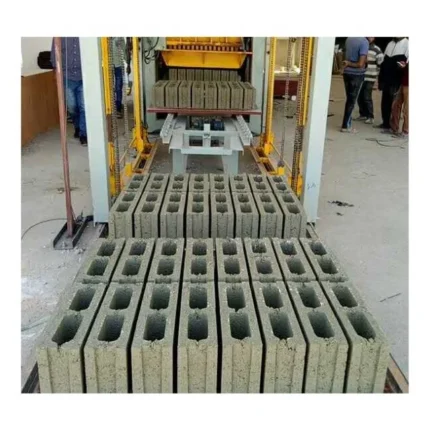
| Hollow and solid block production | Crushed stone, sand, cement, fly ash, gravel, slag |
| Paver and colored paver manufacturing | Fine aggregates with cement binder, pigment additives |
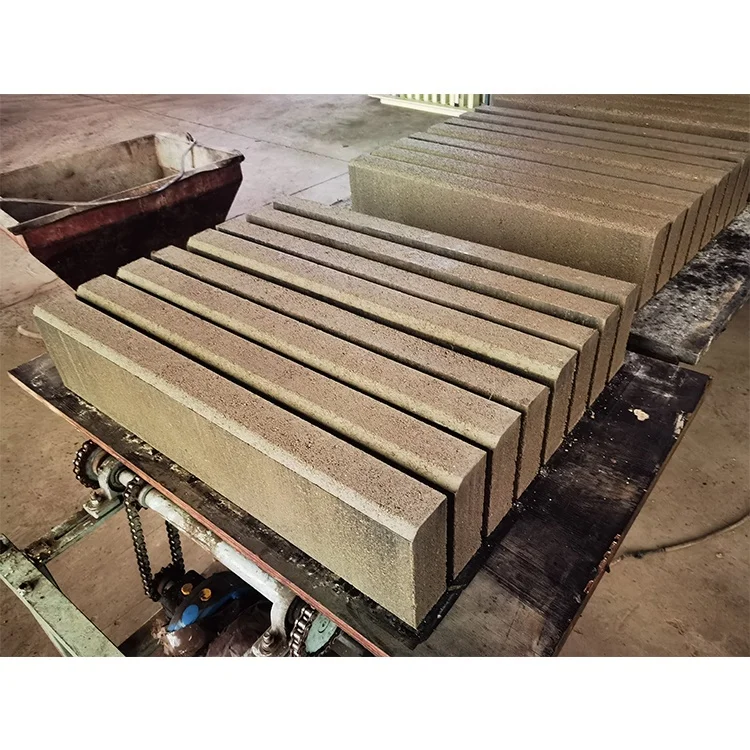
| Interlocking block and kerbstone forming | Coarse aggregate mixes, structural-grade blends |
| On-site production for housing projects | Locally sourced sand and crushed stone with cement |
What "15–20 Second Cycles" Really Means for Your Daily Tally
Cycle time is format-dependent, and a quoted figure without the block format attached is a guess at best.
I once stood in front of a control cabinet in the Middle East watching a customer’s daily count fall well short of the brochure number. The machine was running, but the aggregate had higher clay content than the trial mix, and vibration timing needed adjustment for each format change. When you see a 15–20s molding cycle for the automatic QT8-15 block machine, that figure shifts depending on whether you are pressing a 400×200×200mm hollow block or a thinner interlocking paver. Without the format stated, the throughput claim is just a starting point [NEED_CITE: block format effect on cycle time in hydraulic vibration presses].
Removing the Operator from the Stacking Loop
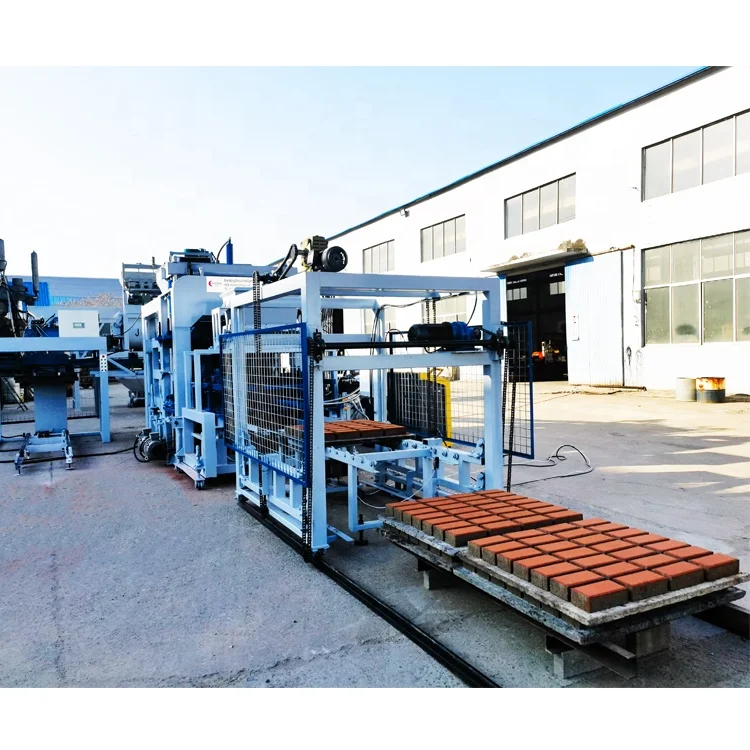
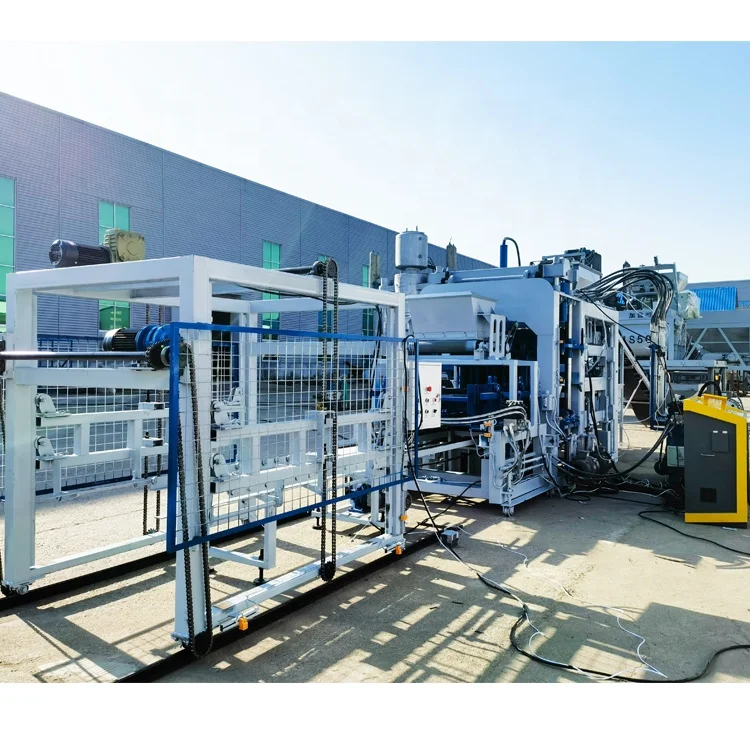
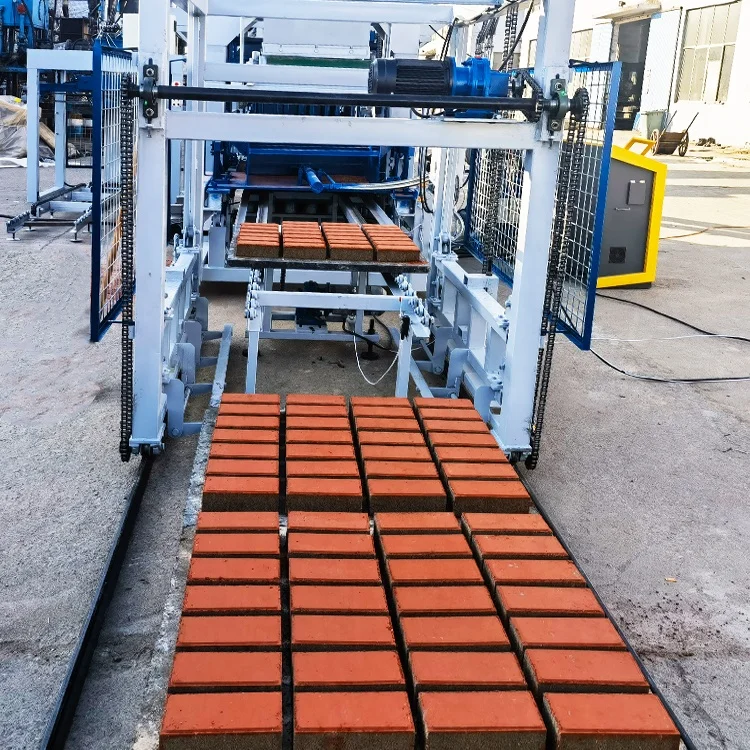
The PLC-controlled block making machine integrates pallet feeding, pressing, and stacking into a single automated loop. When the stacker handles cured output and the pallet return system feeds blanks without manual lifting, the operator’s role shifts from physical handling to monitoring cycle parameters on the PLC display. This matters most on long shifts where fatigue introduces inconsistency in pallet placement and block handling.
How Automation Holds Consistency Across Shifts
Batch-to-batch density depends on vibration duration and hydraulic pressure staying constant, regardless of who is running the line. The platform vibration at 2800–4500 r/min paired with 21MPa rated pressure is managed through the PLC, so the same program runs the same sequence from the first pallet at dawn to the last at dusk. When a plant moves from semi-automatic to this configuration, the consistency gain comes not from pressing harder, but from pressing identically every time [NEED_CITE: PLC consistency in hydraulic block production lines].
Reading the Numbers That Actually Shape Output
The 45KN vibration force acting across a 950×900mm pallet determines how densely aggregate compacts in the mould cavity. Pair this with 21MPa hydraulic pressure during demolding, and the resulting block strength reflects the balance between vibration energy and press force, not either one alone. The 55.5kW total power must cover the vibration motor, hydraulic pump, pallet feed drive, and stacker simultaneously, so confirming that the local supply can sustain this draw prevents brownout stalls mid-cycle. Pallet size also dictates curing rack dimensions and forklift tine spacing, which is why matching the 950×900mm pallet to your existing yard layout avoids costly handling surprises after commissioning.
The Cost of Specifying Automation Afterthought
A buyer who selects a PLC-controlled block making machine without confirming the display language may face a commissioning delay while a translator deciphers alarm codes on site. Skipping voltage confirmation means the control cabinet arrives wired for a frequency that the local grid does not supply, and the motor runs at the wrong speed from day one. These are not minor oversights — they stop production before it starts [NEED_CITE: voltage and frequency mismatch consequences in exported industrial machinery].
Why Buyers Source This Machine Here
Block machinery is the only product line, so the QT8-15 is specified alongside its moulds, pallets, and stacker as one matched system rather than assembled from separate suppliers. Configuration is set against the buyer’s actual aggregate source and target block format, not a default catalog entry. Mould design covers the formats the buyer’s market actually sells, with custom drawings accepted. Automation level is selectable, allowing a plant to start with semi-automatic handling and transition upward. Installation support includes operator training at the control cabinet so the team understands parameter adjustment, not just button sequences.
Documentation & Verification
- Line layout showing stacker placement and pallet return path for your 300m² floor plan
- Capacity calculation sheet stating which block format each output figure assumes
- Hydraulic and electrical schematic with PLC I/O mapping for local maintenance reference
- Pallet specification matching 950×900mm dimensions to your curing rack and forklift setup
- Voltage, frequency, and PLC display language confirmation document signed before production
- Factory test record on your chosen mould format before container loading
Installation, Commissioning & Support
- 300m² factory area with level concrete foundation to support the 8T total machine mass
- Dedicated 55.5kW power circuit matching confirmed voltage and frequency at your site
- Machine arrives dismantled for 40HQ loading; reassembly and alignment performed on arrival
- First-run commissioning includes PLC parameter tuning for your local aggregate and mix design
- Operator training covers mould change procedure, alarm response, and daily lubrication points
- Wear parts list with hydraulic seal and vibration motor brush replacement intervals provided
What to Share Before Requesting a Quotation
To size this automatic QT8-15 block machine correctly, tell us the block formats your market sells and the daily volume you need per format. Confirm your local voltage, frequency, and preferred PLC display language. If you already have curing racks and forklifts on site, share their dimensions so the pallet and stacker configuration aligns with your existing handling equipment.
Frequently Asked Questions
Q: What does the full automatic configuration remove from the operator’s daily tasks?
A: The integrated stacker and PLC-controlled pallet return eliminate manual pallet feeding and output stacking. The operator monitors cycle parameters on the PLC display and intervenes only for mould changes or alarm conditions, shifting the role from physical handling to process supervision across the full shift.
Q: How is the daily output capacity for the QT8-15 actually calculated?
A: Output depends on the block format and the molding cycle of 15–20s, which varies by product thickness and mix characteristics. We provide a capacity sheet that states the assumed block format for each figure so you can compare against your actual production targets rather than relying on a single generic number.
Q: Can the PLC language and electrical configuration match my local standards before delivery?
A: Yes. Voltage, frequency, and PLC display language are confirmed in writing before production begins. This ensures the control cabinet arrives configured for your local grid and that your operators can read alarms and cycle data in a language they understand from the first day of operation.
Q: What is the upgrade path if I begin with semi-automatic operation?
A: The QT8-15 platform supports adding automatic pallet feeding and stacking modules after initial installation. This lets a plant start with lower automation investment and expand the handling system as production volume grows, without replacing the core press or hydraulic system.
Q: How does the stacker work with my existing curing racks and forklifts?
A: The stacker output height and pallet stacking pattern are configured around your curing rack dimensions and forklift tine spacing. We confirm these measurements during the layout stage so stacked pallets move directly from the machine to your curing area without re-handling or equipment modification.