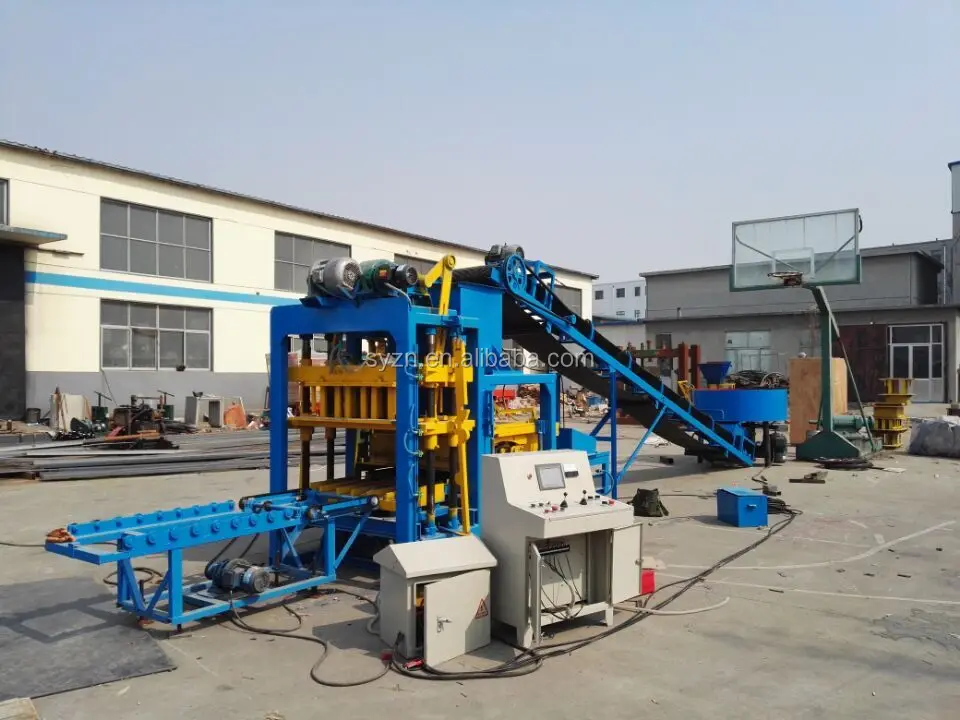
Description
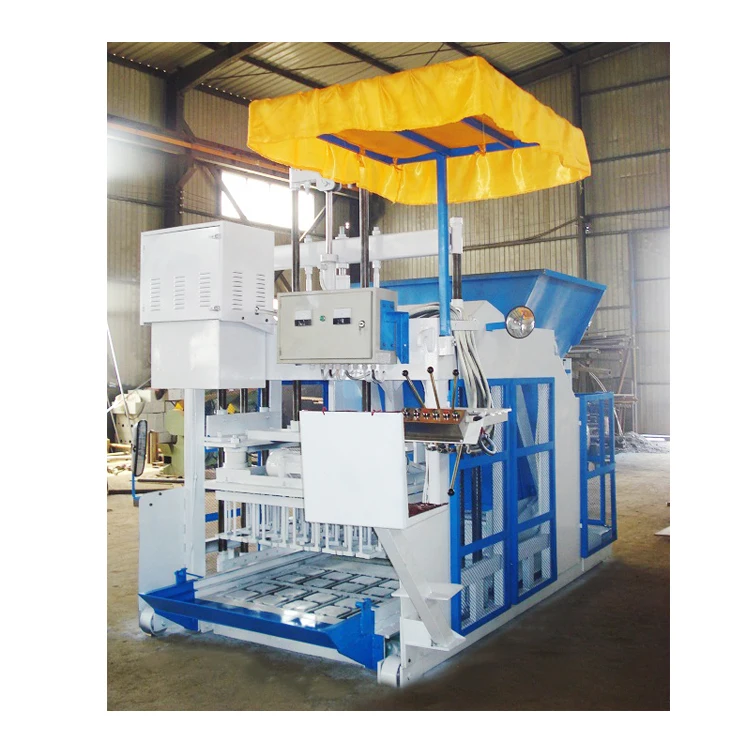
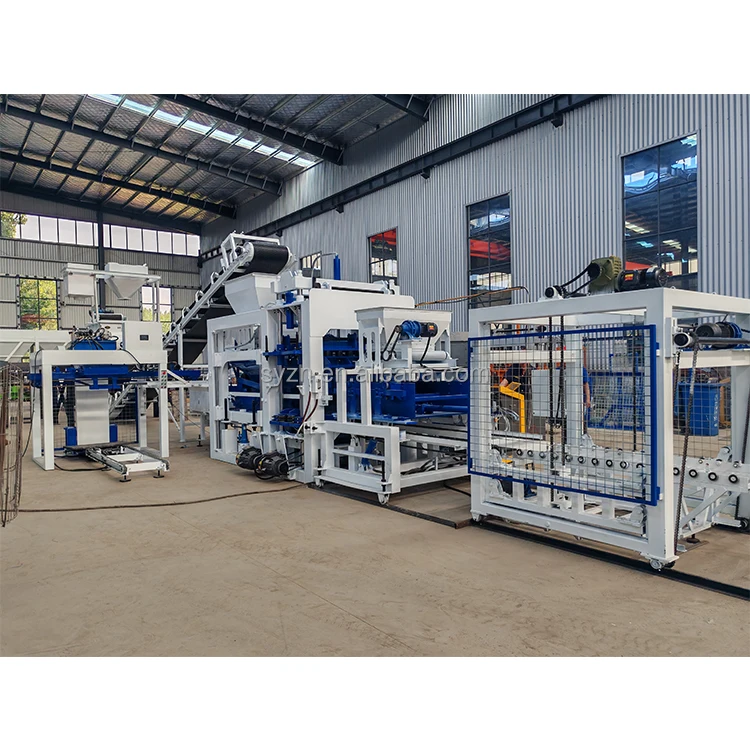
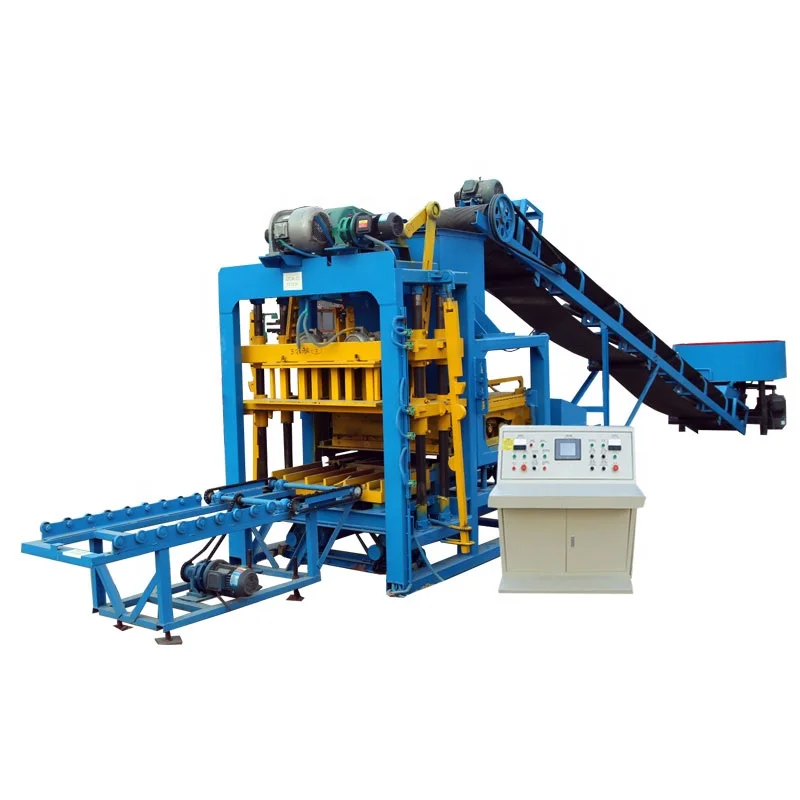
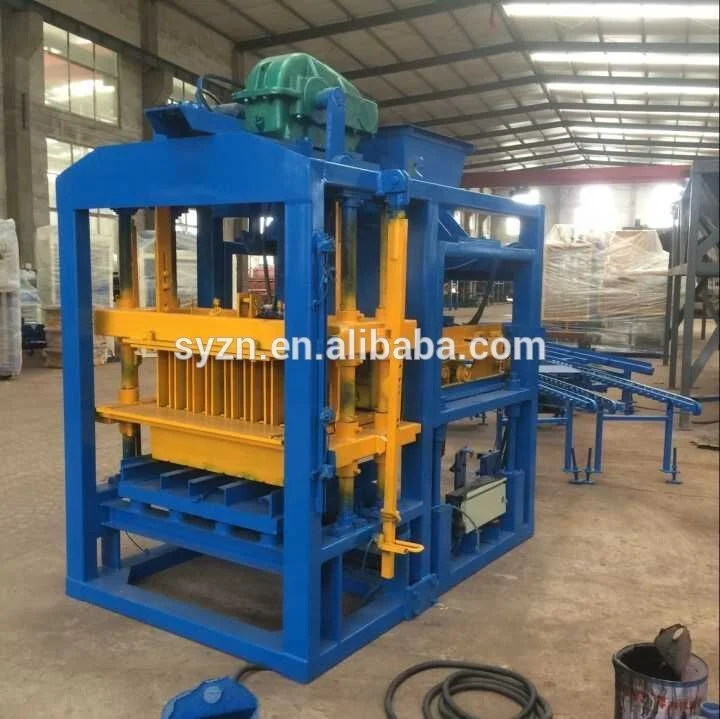
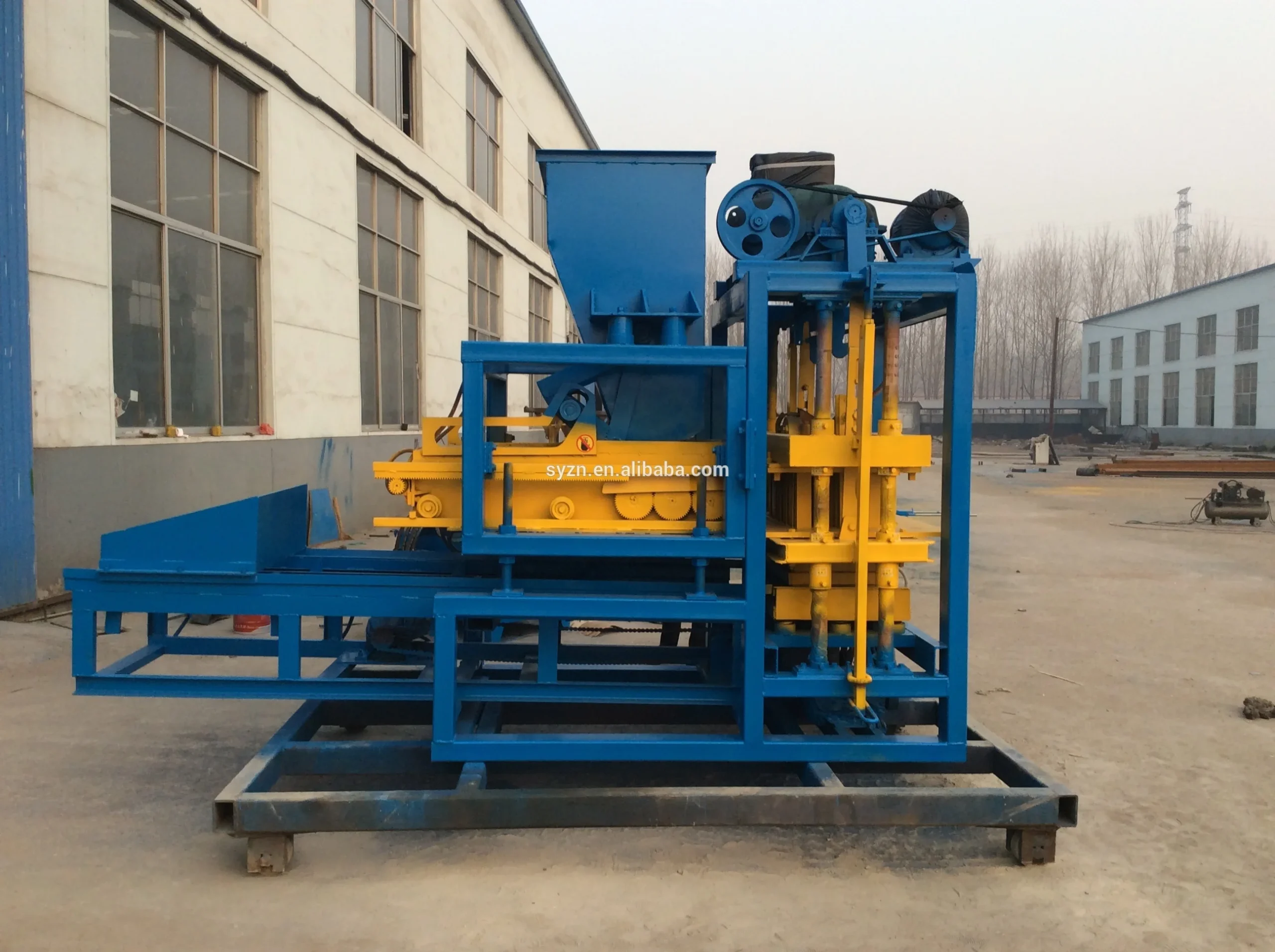
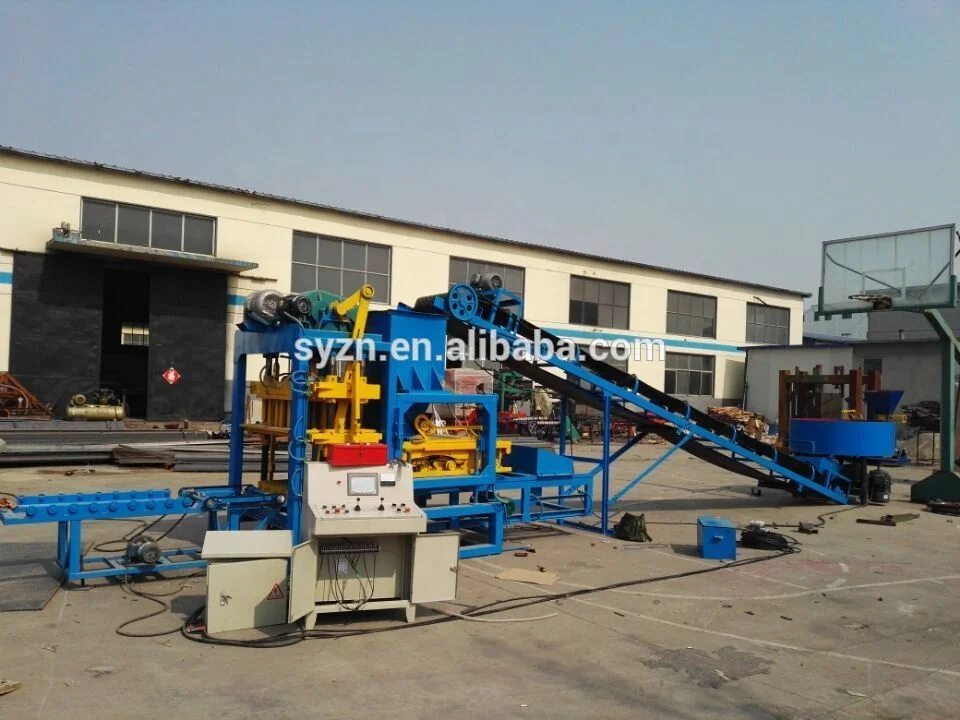
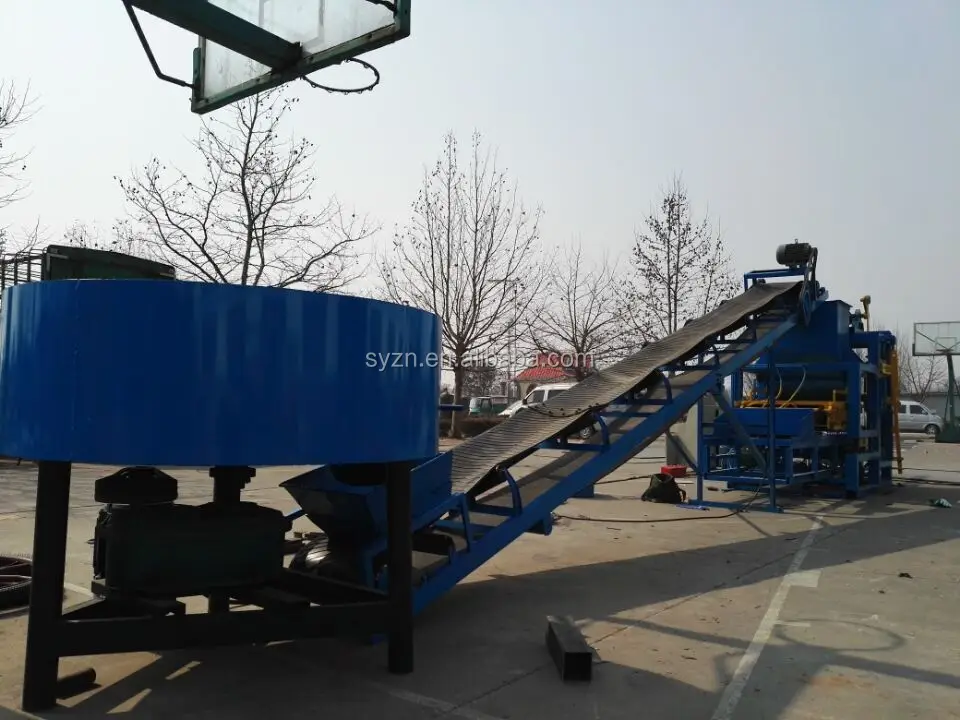
Matched System Logic — the QTJ4-25 is specified with its pallet, mould, and control cabinet as one integrated line rather than separate purchases, so cycle times and handling align from day one.
Technical Specifications
| Parameter | Value |
|---|---|
| Model | QTJ4-25 |
| Product Type | Automatic Concrete Block Making Machine |
| Overall Dimensions (L×W×H) | 6400×1500×2700 mm |
| Total Mass | 3500 kg |
| Cycle Time | 25 s |
| Output Capacity | 3600 pcs/day (8h) (basis not stated in source — confirm block format / material / thickness) |
| Pallet Size | 850×480 mm |
| Operating Staff | 1-2 staff |
| Rated Power | 17 kW |
| Rated Pressure | 21 MPa |
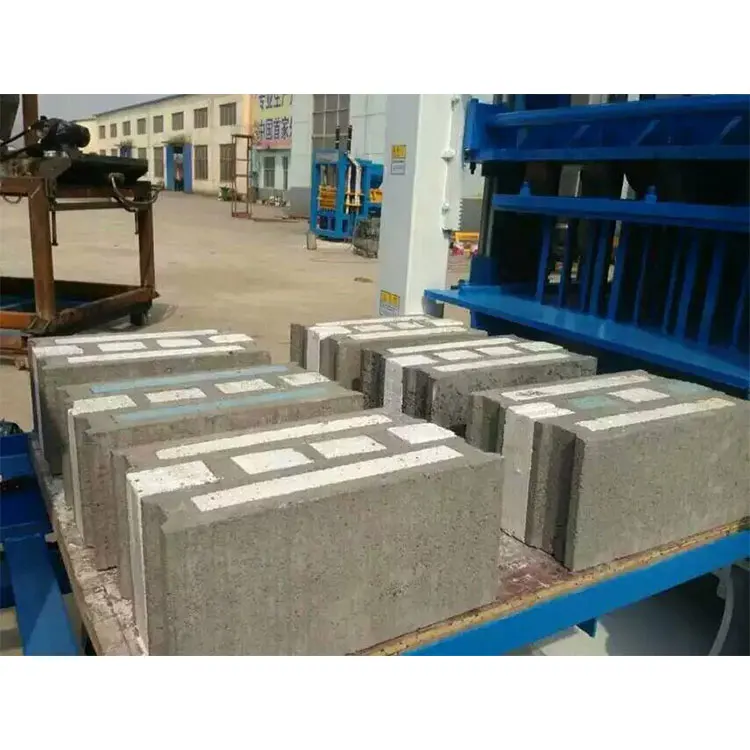
| Applied Products | Concrete blocks, hollow/solid blocks, pavers, interlocking blocks, curbstone, colored pavers |
| Raw Materials | Crushed stone, sand, cement, dust, fly ash, gravel, slag |
| Automation Level | Semi-automatic (electro-mechanical integration) |
| Mould System | Exchangeable moulds |
| Voltage | 380V, 3-phase, 50Hz (customizable to local voltage) |
Application Suitability
| Application | Material or Output |
|---|---|
| Hollow block production for building walls | Crushed stone, sand, cement, fly ash |
| Solid block manufacturing for load-bearing structures | Gravel, sand, cement blends |
| Paving block and colored paver runs for landscaping | Fine aggregate with pigment additives |
| Interlocking block and curbstone for infrastructure | Slag, dust, cement mixes |
Why Voltage and Language Must Be Settled Before Crating
An automatic block making machine PLC controlled only delivers if the control cabinet speaks the operator’s language and matches the local grid.
I once stood next to a block line that sat silent for three weeks because the 380V cabinet was wired for a 50Hz supply while the site ran 60Hz, and every label on the HMI was in Chinese. The buyer had confirmed none of these details before the machine left Shandong [NEED_CITE: voltage and frequency standards by export market]. That delay cost more than the control panel itself. The QTJ4-25 ships with voltage and frequency configurable to the buyer’s grid, and the PLC display language is set before production starts — but only if the buyer provides those details during the inquiry stage. Skipping this conversation is the single most common reason an otherwise sound automatic block making machine PLC controlled installation stalls at commissioning.
The Control Sequence That Removes Operator Guesswork
The electro-mechanical integration on this automatic block making machine PLC controlled governs the 25-second cycle from feed to press to pallet advance. Every stroke follows the same timing curve regardless of who stands at the panel, which means block density stays uniform across an eight-hour shift. The system does not require the operator to judge compaction by eye or ear.
Where Semi-Automatic Leaves Room to Grow
Starting at semi-automatic with electro-mechanical integration means the core press cycle is already governed, but pallet feeding and stacking can still involve manual handling. This keeps the initial investment contained for a first block plant. When daily volume justifies it, automatic pallet feeders and stackers can be added to the same machine frame, extending the line without replacing the press [NEED_CITE: typical automation upgrade paths in block production].
Reading the Specs That Actually Shape Output
The rated hydraulic pressure of 21 MPa is the force driving compaction inside the mould cavity. On its own, pressure means little — it must be matched to the vibration frequency and the specific mix design the buyer sources locally. A sand-heavy mix requires different pressure and vibration balance than one loaded with fly ash or slag, and getting this wrong produces blocks that crumble at the edges or crack during curing. The 850×480 mm pallet size determines how many block cavities fit per cycle and must align with the curing racks and forklifts already on site. A pallet that does not match existing handling equipment forces a secondary purchase before the first block is stacked. The exchangeable mould system allows format changeover between hollow blocks, pavers, and interlocking bricks, but the physical swap time depends on mould weight and the clamping mechanism, which should be verified against the buyer’s planned rotation schedule. With 17 kW rated power, the electrical supply must include a dedicated circuit to avoid voltage drop during peak draw [NEED_CITE: CE machinery directive requirements for industrial equipment].
The Cost of Skipping Configuration Details
A buyer who accepts a catalogue-default pallet size without checking the curing area footprint ends up paying for custom racks after the machine arrives. A control panel delivered in the wrong language sits idle until a replacement HMI is flown in, and the commissioning crew charges for the waiting days. Moulds specified for a mix the buyer cannot source locally mean either reformulating the entire material supply chain or ordering new mould cavities. These are not machine faults — they are gaps in the pre-shipment conversation that turn a straightforward installation into a multi-week recovery.
What Purchasing Here Actually Secures
The QTJ4-25 is configured against the buyer’s actual mix design and target block format, not shipped from a default catalogue line. Mould design covers the formats the buyer’s market sells, including custom drawings for non-standard profiles. Machine, pallet, and handling equipment are specified as one matched system so cycle times align across stations. Automation level is selectable, allowing a plant to begin semi-automatic and add pallet feeders or stackers later without swapping the press. Installation support includes on-site commissioning with operator training so the crew understands cycle parameters and mould change procedures before the first production run.
Documentation & Verification
- Line layout and capacity calculation stating the block format assumed for daily output figures
- Machine specification sheet covering hydraulic pressure, cycle timing, and power draw
- Mould drawing and format list showing cavity count per pallet for each block type
- Voltage and control language confirmation sheet signed before production begins
- Hydraulic and electrical schematic for local maintenance team reference
- Factory test record on buyer’s specified block format before dispatch
Installation, Commissioning & Support
- Foundation pad must support 3500 kg total mass with level tolerance for the 6400 mm frame length
- Dedicated 3-phase circuit required for 17 kW rated power with voltage confirmed before wiring
- Machine ships as a single assembly; on-site reconnection of hydraulic lines and control cabinet
- Commissioning includes cycle parameter tuning to match buyer’s local aggregate and mix design
- Operator training covers mould swap procedure, panel navigation, and emergency stop routines
- Wear parts list provided for hydraulic seals and mould liners with first-year stocking recommendation
What to Include in Your Inquiry
Send your target block format with dimensions, the daily volume your market requires, and the aggregate materials available locally. Include your site’s voltage, frequency, and preferred PLC display language so the control cabinet is built to match. If you already have curing racks or forklifts, provide the pallet dimensions they accept so the pallet spec aligns with your existing handling setup.
Frequently Asked Questions
Q: How is the output capacity verified and which block format does it assume?
A: The stated 3600 pieces per day figure requires confirmation of the exact block format, wall thickness, and mix design used during the test run. We provide a capacity calculation sheet that names the specific block dimensions assumed, so buyers can adjust expectations if their target format differs from the test basis.
Q: Can the control system language and voltage be configured before shipment?
A: Yes. Voltage, frequency, and PLC display language are confirmed during the proposal stage and locked before production begins. The control cabinet is built and tested at the matching electrical specification, and the HMI labels are printed in the buyer’s chosen language to avoid delays at commissioning.
Q: What is the mould change procedure and how long does it take on-site?
A: The exchangeable mould system uses a clamping mechanism that allows format swaps between hollow blocks, pavers, and interlocking bricks. Swap time depends on mould weight and cavity count. We provide a written changeover procedure with the machine, and the commissioning visit includes hands-on practice so operators are confident before production starts.
Q: What automation upgrade options are available from the current semi-automatic level?
A: The semi-automatic configuration governs the press cycle but can be extended with automatic pallet feeding, stacking, and cubing modules. These additions mount to the same machine frame, so upgrading does not require replacing the press. The timing and electrical interfaces are already integrated into the control system for future expansion.
Q: Which spare parts and wear items should be stocked for the first year?
A: The documentation package includes a wear parts list covering hydraulic seals, mould liners, and vibration components specific to the QTJ4-25. We recommend stocking enough for two full service cycles based on your planned operating hours, and the list includes part numbers for direct reorder.