

Description
Control Language Locked — Every QTJ4-26 we ship leaves the factory with the PLC display, voltage, and frequency confirmed in writing, so operators read the panel on day one instead of guessing.
Technical Specifications
| Parameter | Value |
|---|---|
| Model | QTJ4-26 |
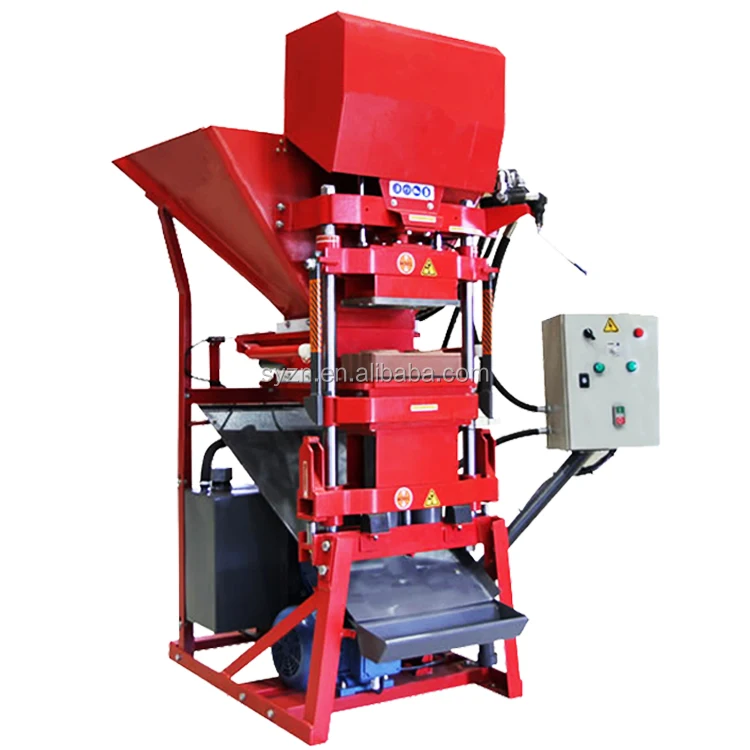
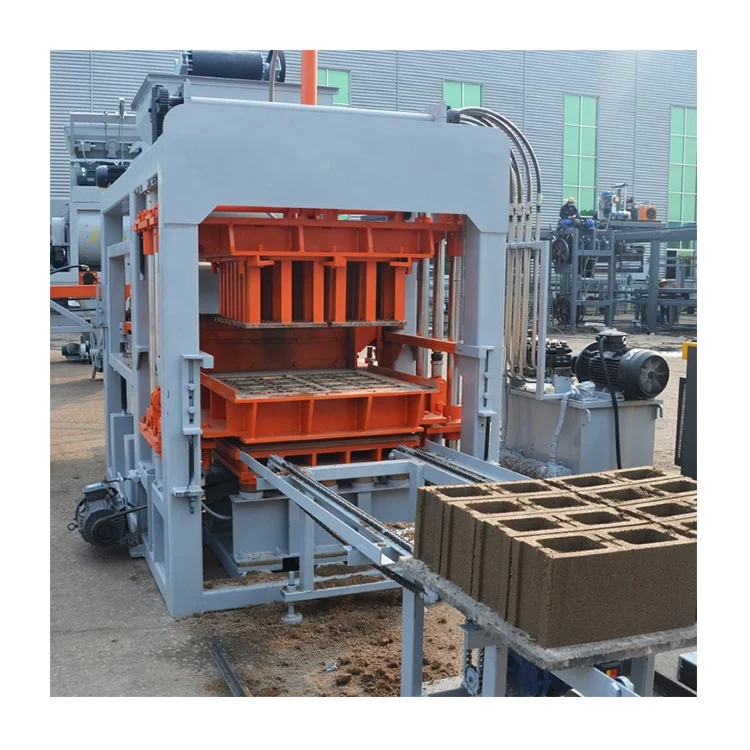
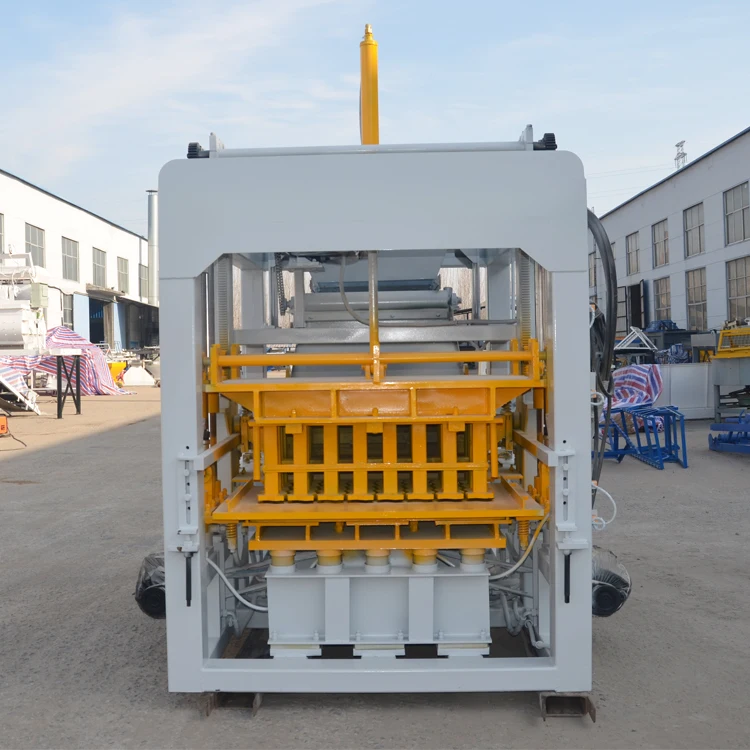
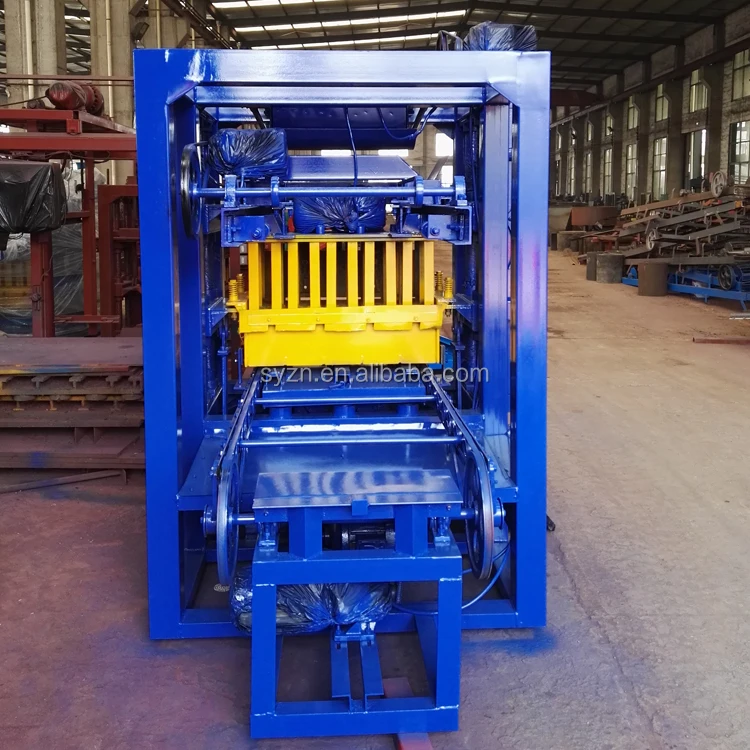
| Product Type | Small Scale Concrete Block Making Machine |
| Overall Dimensions (L×W×H) | 2060×1700×2650 mm |
| Rated Exiting Force (Vibration Force) | 35.5 kN |
| Main Vibration Form | Platform Vibration |
| Vibration Frequency | 4200 r/min |
| Pallet Size | 900×450 mm |
| Molding Cycle | 26 s (basis not stated in source — confirm block format / material / thickness) |
| Overall Power | 12.75 kW |
| Total Mass | 3600 kg |
| Demolding Method | Vibration |
| Factory Area | 260 m² |
| Raw Material Compatibility | Crushed stone, sand, cement, fly ash, gravel, slag |
| Voltage & Frequency | Configurable — confirm with supplier before order |
| Control System | Available with relay-based or PLC-based control |
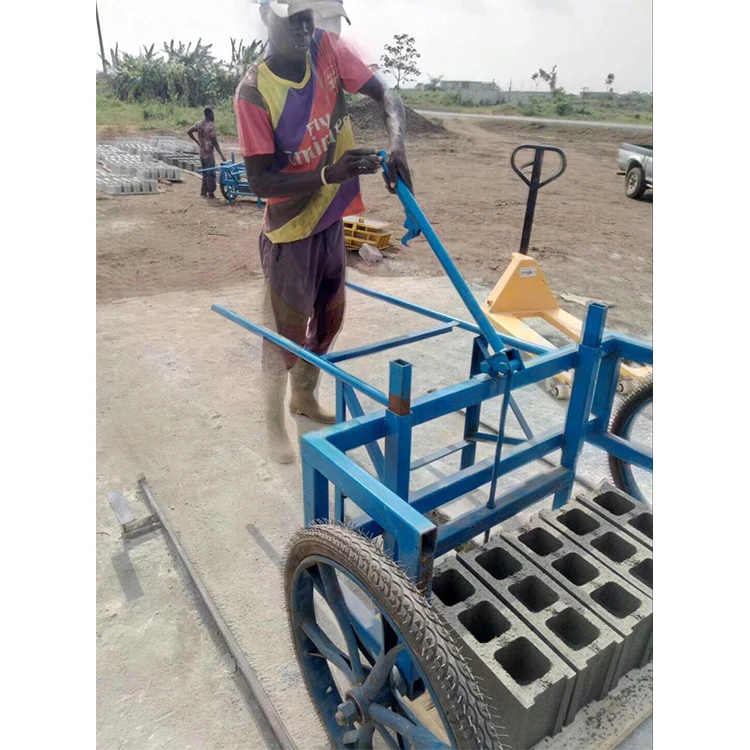
| Automation Level | Semi-automatic with manual pallet handling |
| Warranty | 1 year |
Application Suitability
| Application | Material or Output |
|---|---|
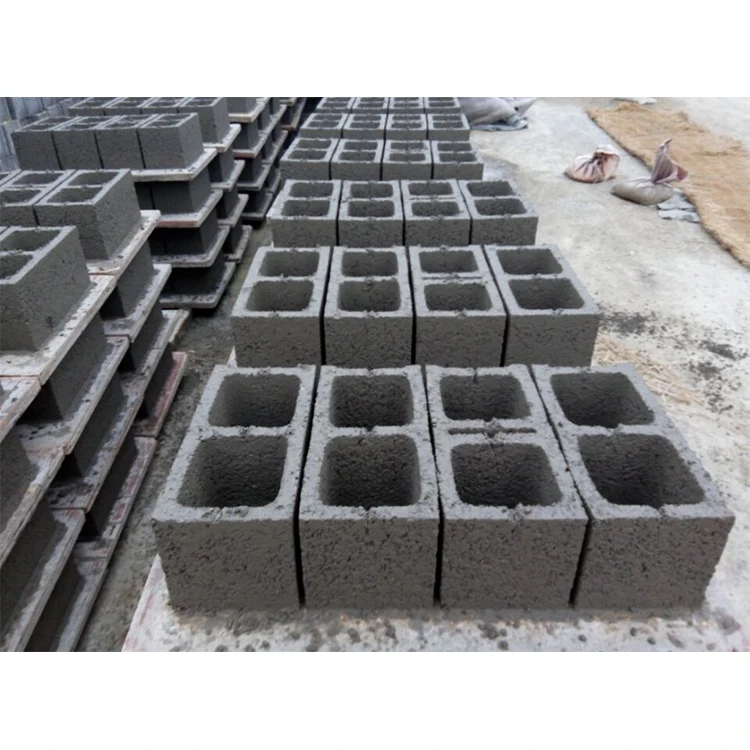
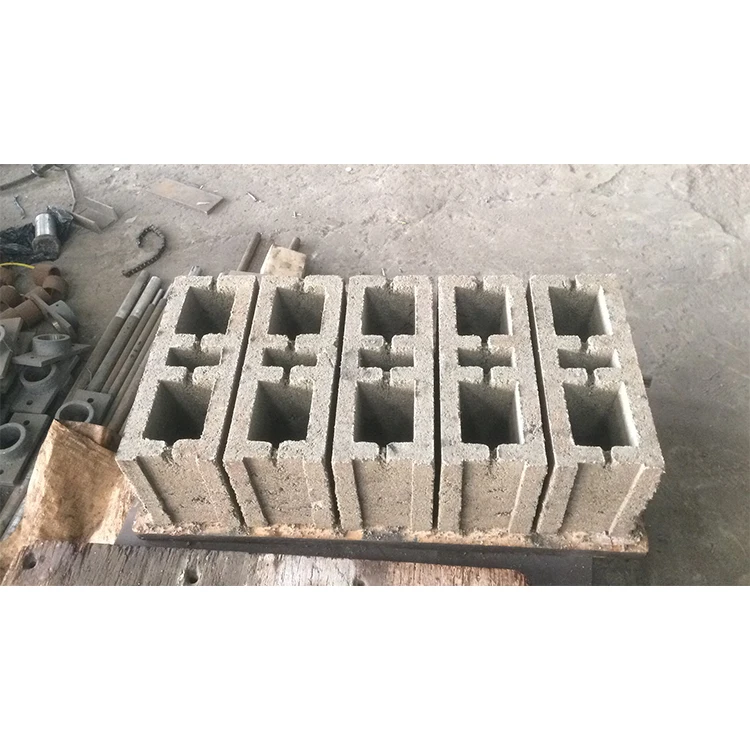
| Hollow block production | Crushed stone, sand, cement blend |
| Solid block production | Fly ash, gravel, cement mix |
| Interlocking block manufacturing | Sand and cement with fine aggregate |
| Paving block and curbstone | High-density mix using slag or crushed stone |
| On-site construction blocks | Locally sourced aggregate with cement binder |
Why the Control Panel Language Must Be Decided Before Crating
The QTJ4-26 block machine arrives ready to run only if the operator can read what the screen says. An untranslated control display on commissioning day stalls the entire startup and costs you shifts before production begins.
I have stood in humid workshops in Southeast Asia watching a crew gather around a panel they could not navigate, because the PLC language was left as factory default. The machine sat idle while we sourced someone who could read the interface, and the project timeline slipped. That delay is entirely avoidable when the language, voltage, and frequency are written into the purchase order [NEED_CITE: PLC language configuration standards for exported industrial machinery].
What Semi-Automatic Really Means for the QTJ4-26
The QTJ4-26 ships as a semi-automatic unit, meaning the press cycle runs on a timed sequence but pallets move in and out by hand. This keeps the initial investment manageable for a first block plant while still holding the 26-second molding cycle consistent from batch to batch. When you are ready to add automatic pallet feeding or stacking, the machine frame and vibration platform remain unchanged — only the handling peripherals change around it.
The Upgrade Path from Operator-Driven to Automatic Stacking
Moving from manual pallet handling to an automatic QTJ4-26 block machine configuration typically involves adding a pallet feeder on the input side and a stacker on the output side. The PLC or relay logic must then coordinate pallet advance with the press cycle, so the operator no longer needs to time each movement. This upgrade reduces headcount at the press and tightens the gap between consecutive cycles. Planning the pallet size and curing rack layout now avoids rewiring the line later [NEED_CITE: block production line automation staging strategies].
Platform Vibration, Frequency, and What They Mean for Block Density
The 35.5 kN platform vibration force at 4200 r/min compacts the mix from the pallet upward, pushing aggregate particles into tighter contact before the cement hydrates. Higher frequency alone does not guarantee strength — the force must match the stiffness of your local aggregate. A soft sand mix absorbs vibration differently than crushed granite, so the same 26-second cycle can produce blocks of different density depending on what you feed. The 12.75 kW total power draw covers the vibration motor plus the hydraulic pump, leaving enough headroom on a standard three-phase supply without requiring an oversized transformer. The 900×450 mm pallet size determines how many blocks you press per cycle and must align with the forklift and curing rack dimensions already in your yard.
The Hidden Cost of Skipping Voltage and Frequency Confirmation
A machine wired for 380V/50Hz that arrives at a 440V/60Hz site will either trip breakers on startup or run motors at the wrong speed, shifting the vibration frequency away from its rated 4200 r/min. The result is blocks that look right but fail a compression test weeks later. Replacing a motor or rewinding a transformer on-site adds cost and delay that a five-minute confirmation call would have prevented [NEED_CITE: industrial motor voltage mismatch consequences in tropical climates].
Why Buyers Come Back for the Second Machine
Block machinery is our single product focus, so the press, mould, pallet, and handling equipment leave the factory as one matched set rather than separate purchases that must be reconciled on your floor. We configure the QTJ4-26 against your actual mix design and target block format, not a generic catalogue default. Moulds are designed for the formats your market sells, including custom drawings when standard sizes do not fit. Automation level is selectable, so you can start semi-automatic and add pallet feeders and stackers as output grows. Installation support includes operator training on your specific panel and control language.
Documentation & Verification
- Machine specification sheet with voltage and control language confirmed per your order
- Capacity calculation stating the block format assumed for the 26-second cycle
- Pallet specification matched to your curing area dimensions and forklift capacity
- Hydraulic and electrical schematic with component list for local sourcing
- Factory test record on your chosen block format before crating
- Operation and maintenance manual in your selected control language
Installation, Commissioning & Support
- Foundation pad must level within tolerance across the 2060×1700 mm footprint to keep platform vibration uniform
- Dedicated three-phase circuit rated for the 12.75 kW total draw plus startup surge
- Machine ships partially assembled — vibration platform and press frame bolt to the foundation on arrival
- Commissioning includes vibration force verification at your local voltage and frequency
- Operator training covers mould change procedure, pallet handling rhythm, and daily greasing points
- Wear parts list with hydraulic seal and vibration spring reorder intervals
What We Need from You to Move Forward
Tell us which block format you will produce most days — hollow, solid, paver, or interlocking — and the target daily output so we can state capacity against that format. Confirm your site voltage, frequency, and preferred control display language so the panel is readable from the first shift. Share your available raw materials and any existing pallet or curing rack dimensions so the QTJ4-26 fits your floor without rework.
Frequently Asked Questions
Q: How do I verify the real daily output of the QTJ4-26 when the 26-second cycle does not name a block format?
A: Ask your supplier for a capacity calculation that states the exact block format, wall thickness, and mix assumed. The 26-second cycle applies to one specific product — changing to a thicker paver or a larger hollow block alters the molding time. Daily output must then be recalculated against your actual target format and shift length.
Q: What automation level does the QTJ4-26 ship with, and how do I upgrade later?
A: The machine ships semi-automatic with the press cycle running on a timer and pallets handled manually. You can later add an automatic pallet feeder and stacker without replacing the press. The control logic is updated to coordinate the new peripherals with the existing vibration and demolding sequence.
Q: Which electrical details must I confirm before the QTJ4-26 is built?
A: Confirm your site voltage, phase configuration, and frequency so the motors and control panel are wound correctly. Also specify the PLC or relay display language so your operators can read alarms and cycle counters. Getting these wrong delays commissioning and may require component replacement on site.
Q: How does the vibration force interact with my local aggregate to affect block strength?
A: The 35.5 kN force at 4200 r/min is calibrated for a reference mix. If your local sand is softer or your gravel is harder, the compaction result changes. Share your aggregate source and mix proportions with the supplier so they can validate whether the standard vibration setting produces the density your market requires.
Q: What is the mould change procedure and how long does it take on the QTJ4-26?
A: The mould is unbolted from the vibration platform and lifted out, then the replacement mould is lowered and secured. Changeover time depends on whether lifting tools and alignment jigs are included. Confirm with your supplier whether the quoted package includes these tools, as a mould change that takes most of a shift undermines the format flexibility you paid for.