Description
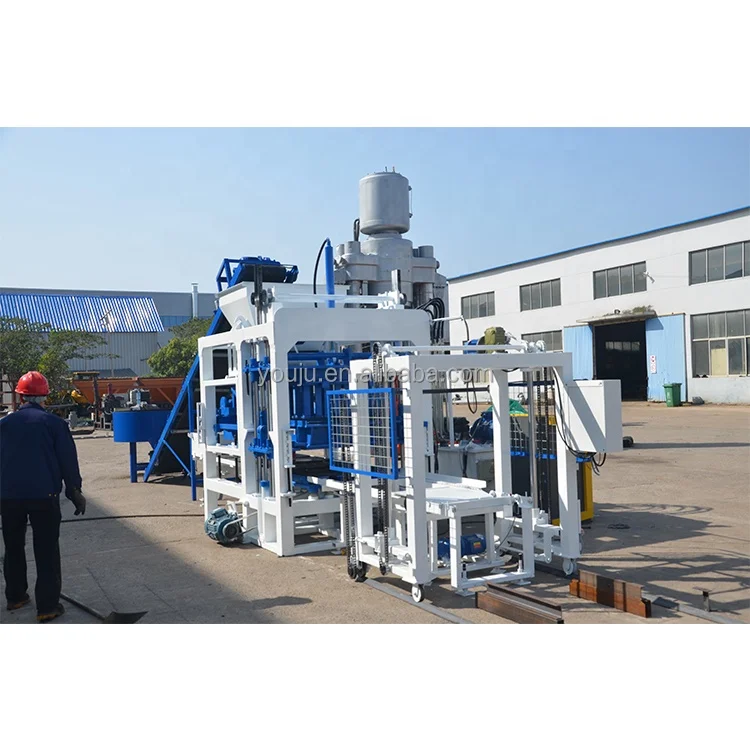
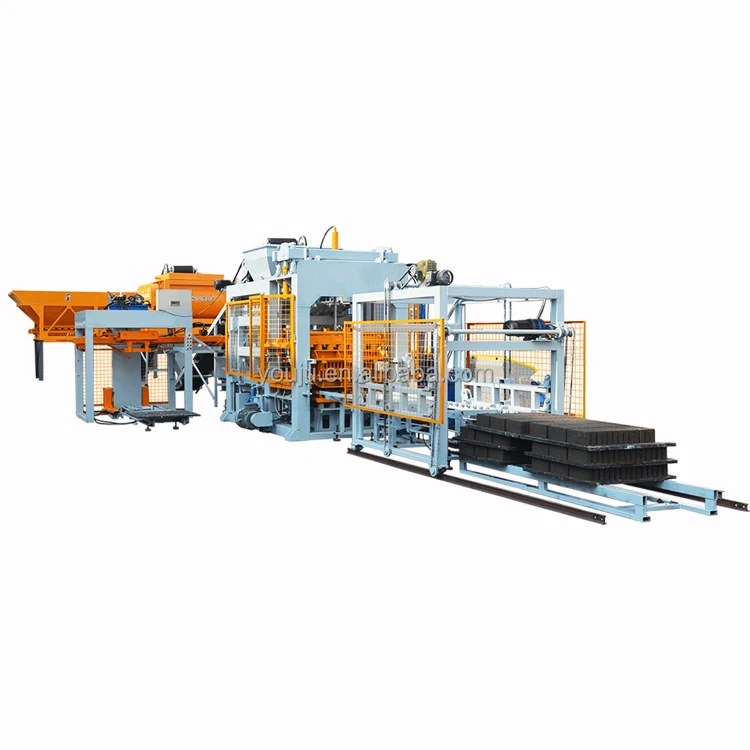
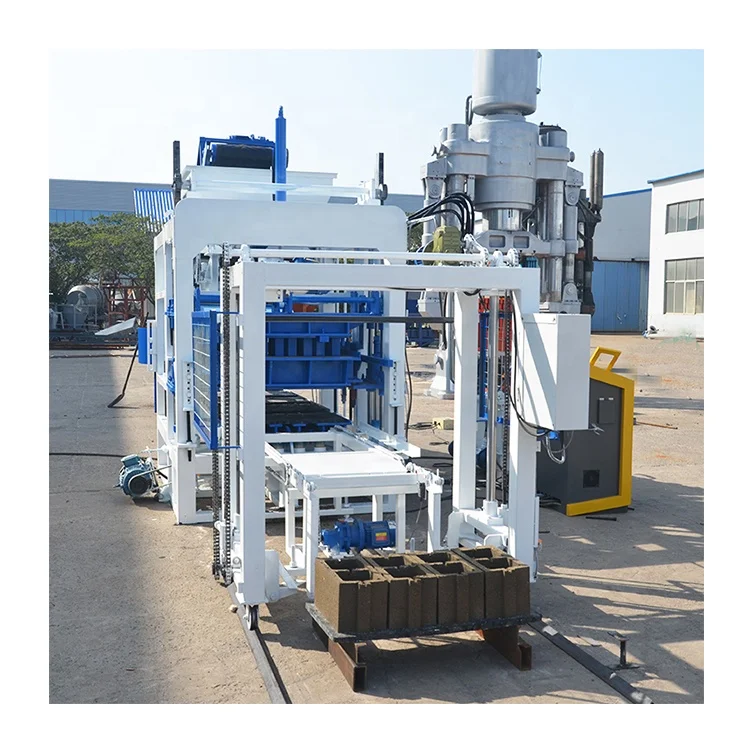
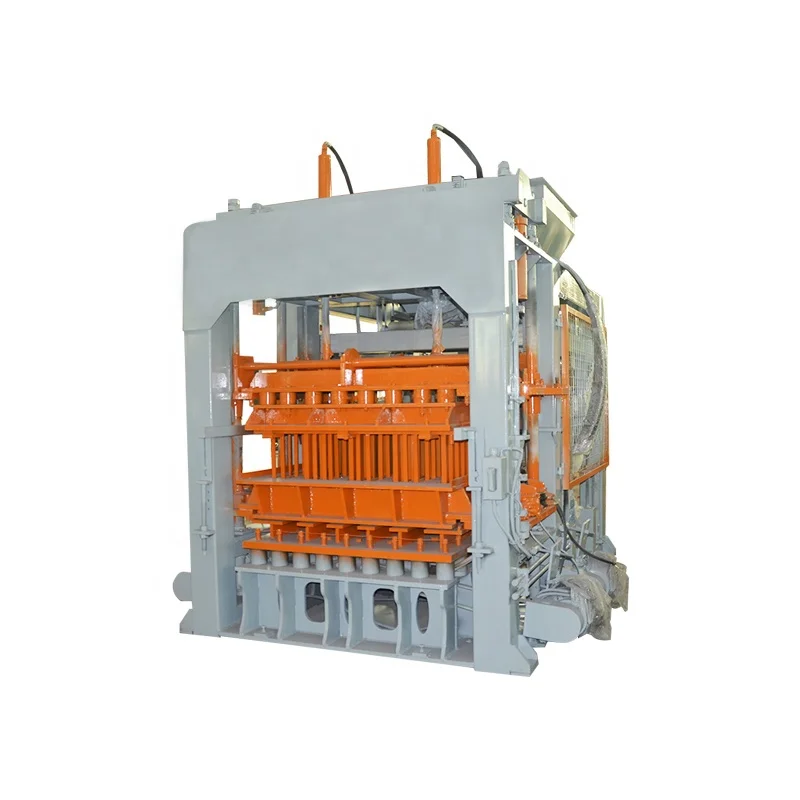
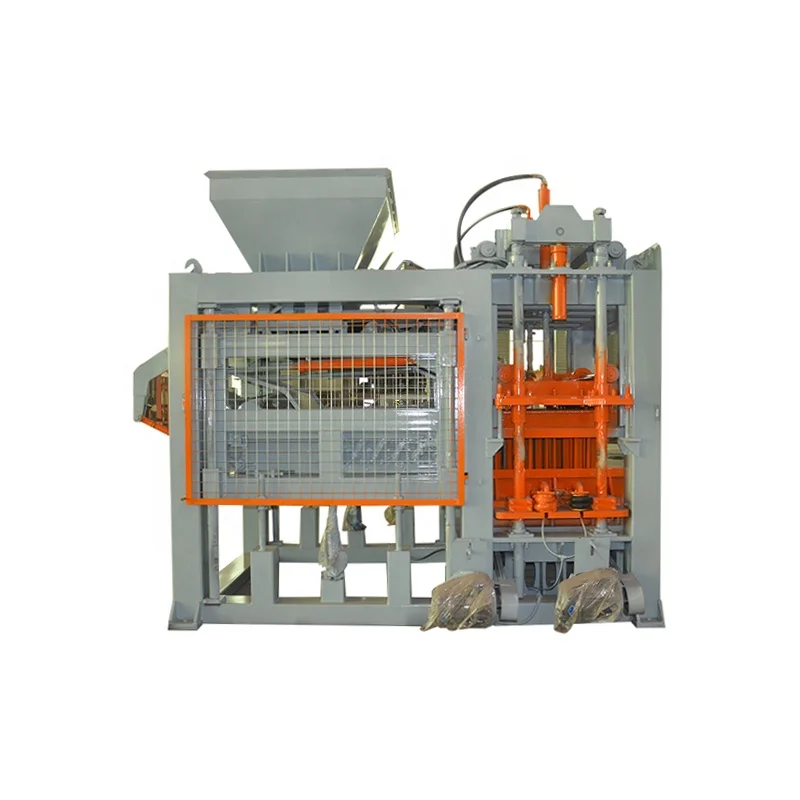
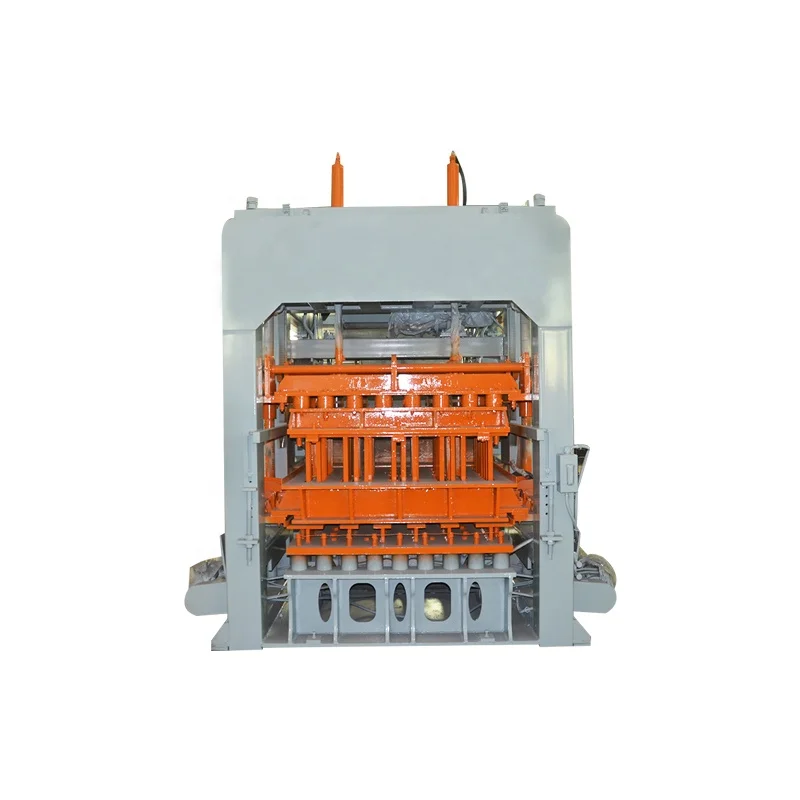
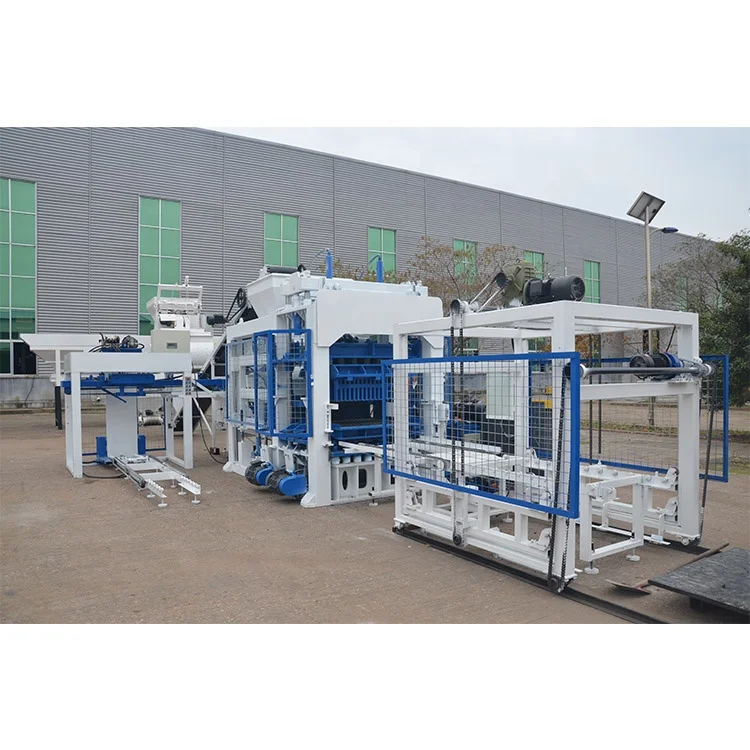
Coordinated PLC control across the full press cycle — pallet feed, material hopper, hydraulic station, and vibration all sequence through one cabinet, removing timing mismatches that cause inconsistent block density on the QT10-15.
Technical Specifications
| Parameter | Value |
|---|---|
| Model | QT10-15 |
| Product Type | Automatic Hydraulic Block Making Machine |
| Control System | PLC control cabinet |
| Hydraulic System | Independent integrated hydraulic station |
| Vibration Type | Vertical station mode resonance |
| Mould Change System | Quick replacement for multi-format production |
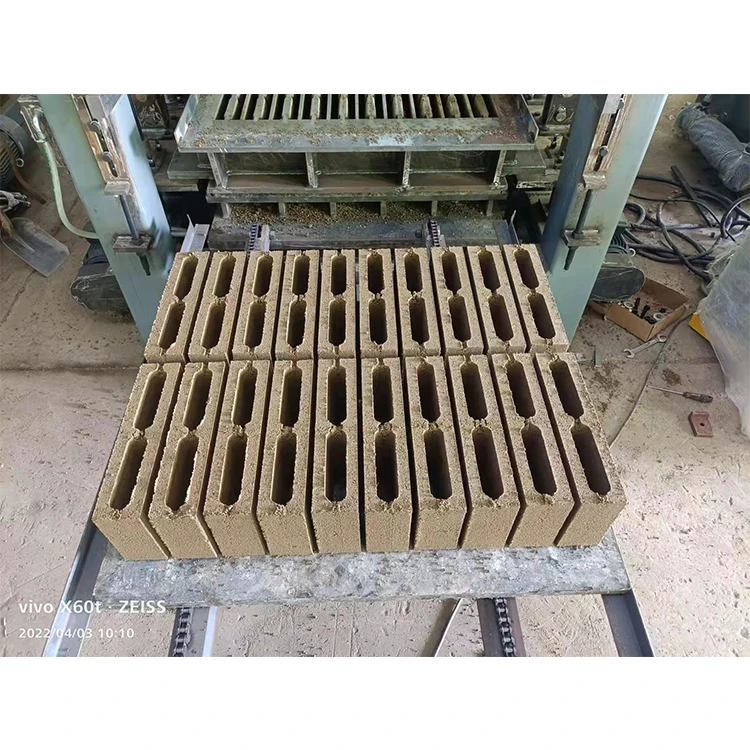
| Cycle Time (400×200×200 mm hollow block) | 15–20 s |
| Cycle Time (400×150×200 mm hollow block) | 15–20 s |
| Cycle Time (240×115×53 mm solid brick) | 15–20 s |
| Cycle Time (200×100×60 mm paving block) | 20–25 s |
| Cycle Time (225×112.5×60 mm interlocking brick) | 20–25 s |
| Output (400×200×200 mm hollow, 10 pcs/mould) | 14,400–19,200 pcs / 8 hr |
| Output (400×150×200 mm hollow, 12 pcs/mould) | 17,280–23,040 pcs / 8 hr |
| Output (240×115×53 mm solid, 62 pcs/mould) | 71,424–89,280 pcs / 8 hr |
| Output (200×100×60 mm paving, 27 pcs/mould) | 41,472–51,840 pcs / 8 hr |
| Output (225×112.5×60 mm interlocking, 24 pcs/mould) | 32,256–40,320 pcs / 8 hr |
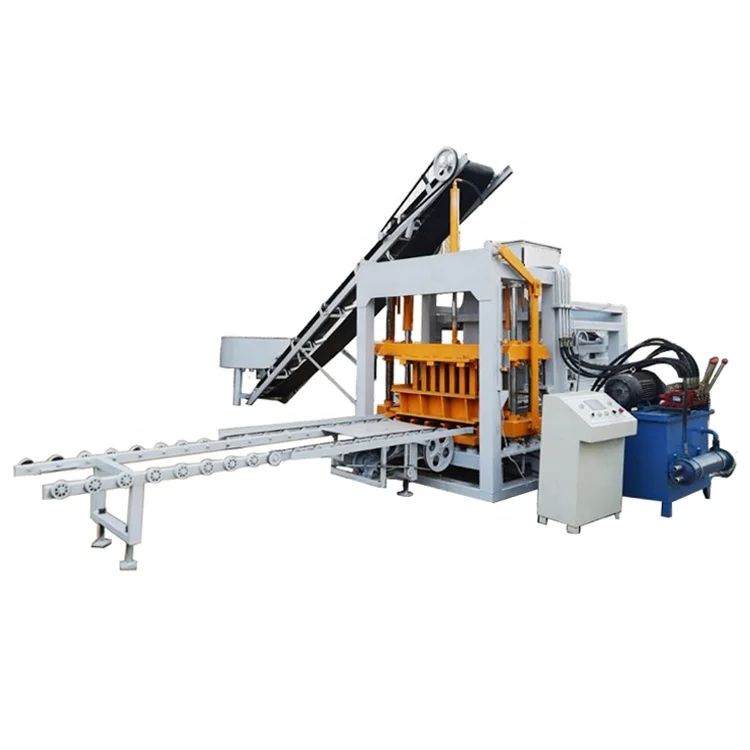
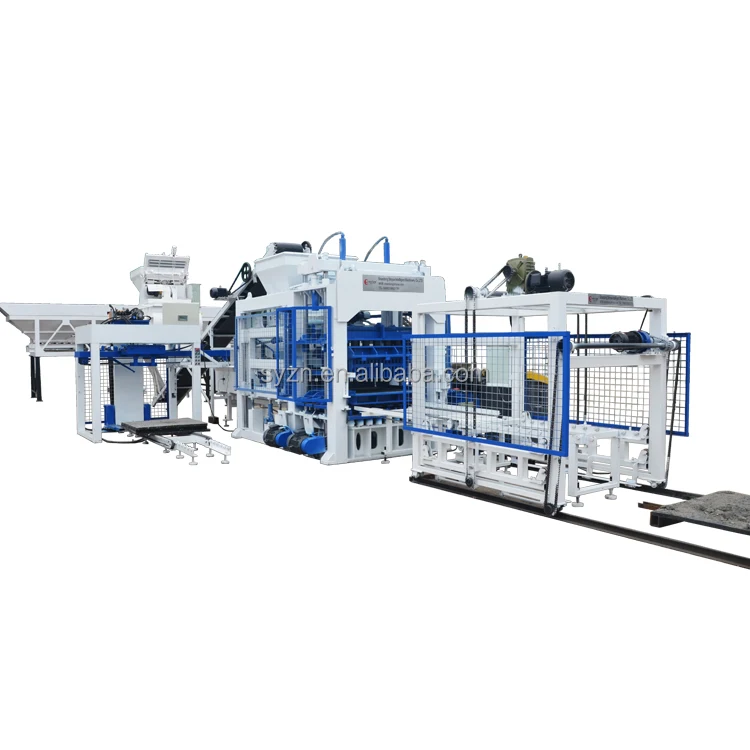
| Component Configuration | Pallet feed machine, block press, storage hopper, conveyor, hydraulic unit, PLC cabinet |
| Mould Compatibility | Hollow block, multi-cellular brick, paving brick, standard brick, hourdis |
| Rated Power (kW) | (basis to be confirmed) |
| Voltage & Frequency | (basis to be confirmed) |
| Hydraulic Pressure (MPa) | (basis to be confirmed) |
| Vibration Force (kN) | (basis to be confirmed) |
| Pallet Size | (basis to be confirmed) |
Application Suitability
| Application | Material or Output |
|---|---|
| Large-scale hollow block plants | Cement, crushed stone, sand, fly ash mixes for structural and partition blocks |
| Paving block production for infrastructure | High-density concrete mixes for driveways, walkways, and municipal roads |
| Interlocking brick for housing projects | Laterite, soil-cement, or aggregate blends for dry-stack wall systems |
| Hourdis slab manufacturing | Lightweight aggregate or standard concrete for floor void formers |
| Solid brick for load-bearing walls | Dense aggregate mixes meeting compressive strength requirements |
Why PLC Sequencing Matters More Than Headline Cycle Times on the Automatic QT10-15 Block Machine
A quoted cycle time means nothing if the pallet feed arrives late or the hopper gate opens out of phase with the press stroke.
I once watched a plant in the Middle East run an automatic QT10-15 block machine PLC controlled at what looked like full speed, yet daily output fell well below the seller’s promise. The problem was not the press itself — the pallet feeder and storage hopper were timed independently, so every third cycle the press sat idle waiting for material. That is exactly what a coordinated PLC cabinet eliminates. When one controller owns every station, the cycle holds steady across an eight-hour shift instead of drifting as operators compensate manually [NEED_CITE: PLC coordination in multi-station concrete equipment].
How the Control Cabinet Removes Operator Variability
On the automatic QT10-15 block machine PLC controlled, the cabinet sequences pallet feed, hopper gate, vibration onset, hydraulic ram pressure, and demoulding in a single program loop. Each step triggers on a sensor confirmation rather than a fixed timer, so if a pallet is slightly misaligned the press pauses instead of crushing it. This matters on high-format runs where an hourdis mould and a paving block mould demand very different ram speeds and vibration durations.
Vibration Frequency Tuning per Block Format
Vertical station mode resonance vibration adjusts frequency to match the mould geometry in use. A thin-wall hollow block needs a higher frequency with lower amplitude to settle the mix without cracking the shell, while a solid paving block needs the opposite. The PLC stores these profiles so the operator selects the format and the automatic QT10-15 block machine PLC controlled applies the correct curve without manual dial changes [NEED_CITE: vibration tuning for concrete block density].
Reading the Specs That Actually Govern Output
Hydraulic pressure and vibration force together determine formed density — neither alone is sufficient. The independent integrated hydraulic station sits away from the main vibration zone, which keeps hose fittings and valve seals from loosening over consecutive shifts. Quick mould replacement hardware lets one operator swap from 400×200×200 mm hollow to 200×100×60 mm paving within the same shift, keeping the line flexible without eating into production time. Cycle time ranges from 15–20 seconds on hollow and solid formats to 20–25 seconds on paving and interlocking, and each output figure above is tied to a specific mould cavity count so there is no guessing which format the number assumes.
The Hidden Cost of Mismatched Automation Levels
A buyer who specifies a fully automatic press but pairs it with manual pallet stacking downstream will find the press waiting on the curing rack crew every few minutes. The line’s PLC can only coordinate the stations it controls; anything outside that scope reverts to human timing. I have seen plants add automatic stacking after the fact and discover the original PLC cabinet lacked the I/O channels to run the stacker, forcing a full cabinet swap [NEED_CITE: automation retrofit compatibility in block lines].
What Sets This Supply Chain Apart
Block machinery is the sole product focus here, so the QT10-15 press, moulds, pallets, and handling equipment are specified as one matched system rather than assembled from separate vendors. Configuration starts from the buyer’s actual mix design and local aggregate, not a catalogue default — the same Middle East plant I mentioned earlier finally reached rated output only after the vibration force and hydraulic pressure were re-mapped to their high-clay sand. Mould design covers the formats the buyer’s market actually sells, including custom drawings when standard cavity layouts do not fit. Automation level is selectable: a buyer can start with semi-automatic pallet handling and add stacking and cubing modules later without replacing the press. Installation includes on-site commissioning and operator training so the PLC parameters are validated against the real material on day one.
Documentation & Verification
- Line layout drawing with capacity calculated per block format and mould cavity count
- Hydraulic and electrical schematics for the independent station and PLC cabinet
- Voltage, frequency, and PLC display language confirmation sheet before production
- Factory test record running the buyer’s specified block format before dispatch
- Mould drawing and format list with cycle time noted for each block type
Installation, Commissioning & Support
- Foundation plan sized to the QT10-15 pallet footprint and vibration load
- Dedicated circuit requirement matching the confirmed kW and voltage specification
- PLC display language set and verified during on-site commissioning
- Vibration frequency profiles loaded and validated against the buyer’s actual mix
- Hydraulic station oil grade and filter schedule documented in the maintenance manual
- Quick mould change procedure demonstrated with the buyer’s operator crew on site
What to Include in Your Inquiry
To size the automatic QT10-15 block machine PLC controlled correctly, share the block formats your market demands along with the target daily output per format, your local aggregate type and mix proportions, the available workshop footprint and curing area, and your site voltage and frequency. If you already run pallets of a specific size, note that as well so the pallet feeder and curing racks align from day one.
Frequently Asked Questions
Q: How is output capacity verified per block format, and what cycle time does each figure assume?
A: Every capacity figure is tied to a specific block dimension, mould cavity count, and cycle time range. For example, 14,400–19,200 hollow blocks per eight-hour shift assumes the 400×200×200 mm mould with 10 cavities running at 15–20 seconds per cycle. The capacity document supplied with the quotation lists each format separately so you can match the number to your actual product mix.
Q: What PLC language options are available, and is the display language confirmed before shipment?
A: The PLC display language is agreed in writing during the order confirmation stage, alongside voltage and frequency. The cabinet is then programmed and tested in that language before the machine leaves the factory, so operators see familiar text from the first power-on rather than dealing with temporary translations during commissioning.
Q: How does the independent hydraulic station protect against vibration and dust contamination?
A: The hydraulic unit is mounted separately from the press frame so continuous vibration does not transfer into valve blocks and hose fittings. Sealed enclosures and filtration keep cement dust out of the oil circuit, extending seal life and reducing unplanned stops during long production shifts.
Q: What is the upgrade path from semi-automatic pallet handling to full automatic stacking?
A: The PLC cabinet on the automatic QT10-15 block machine PLC controlled can be specified with spare I/O channels to accommodate an automatic stacker and cubing module added later. The mechanical interface points are built into the base frame, so the upgrade involves bolting on the new station and loading the additional program rather than replacing the entire control system.