
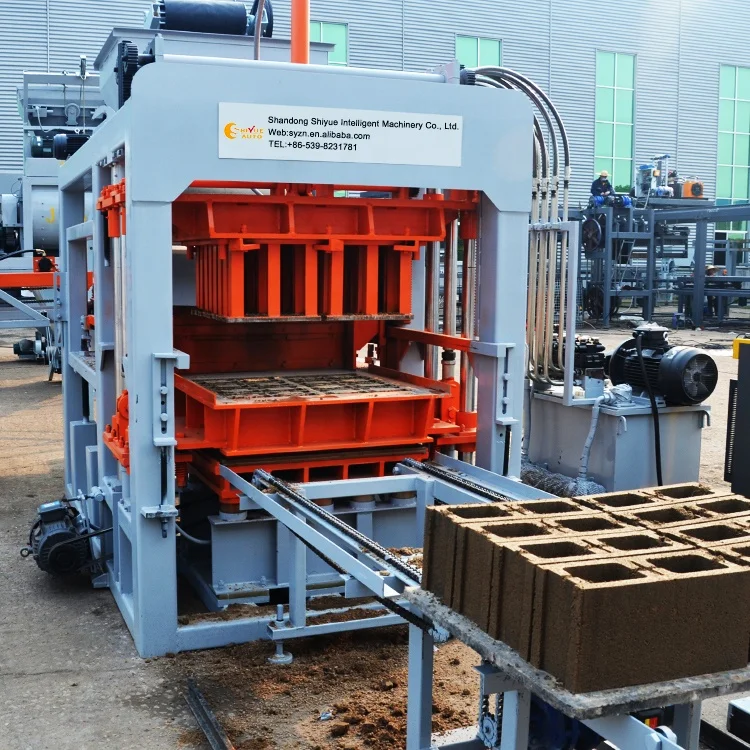
Description
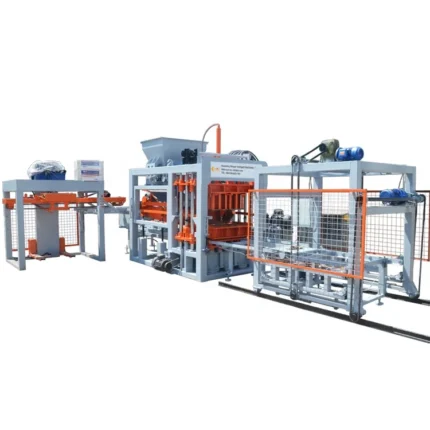
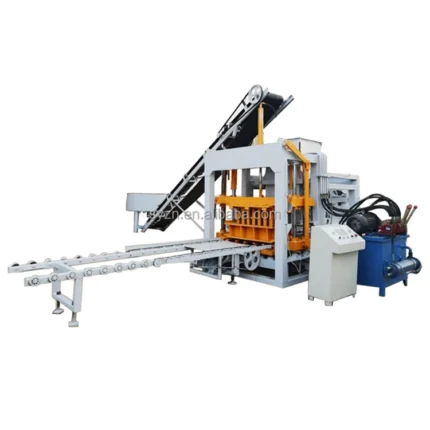
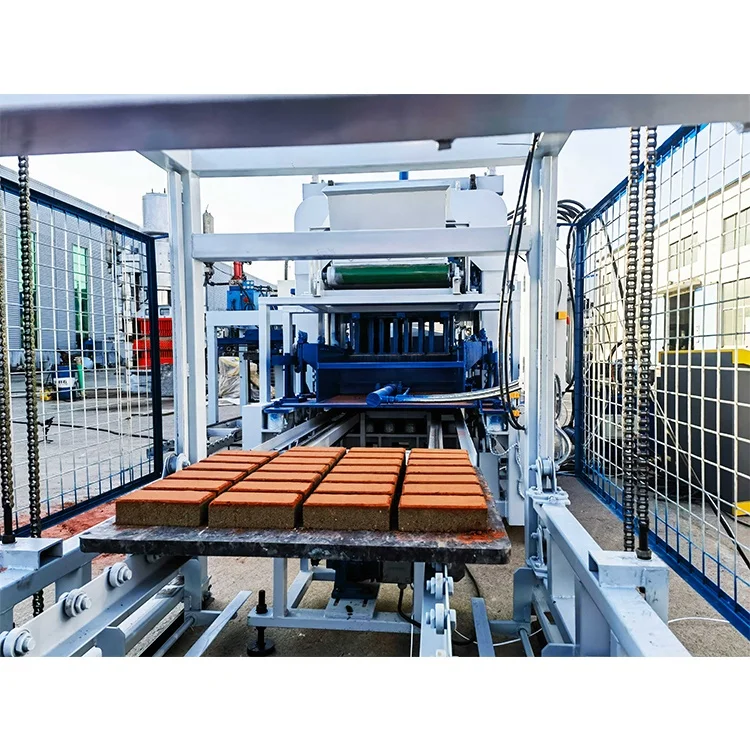
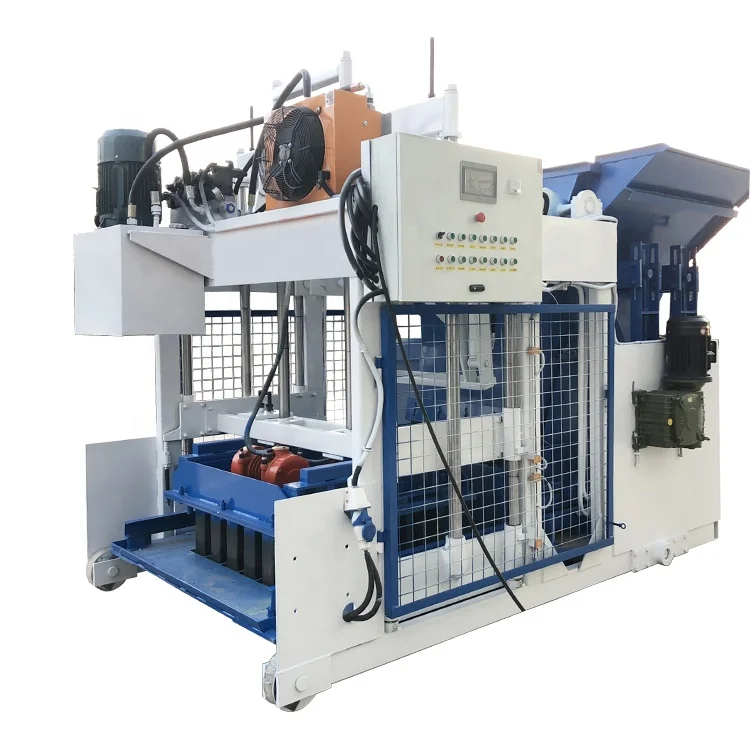
Consistent Batch Output — the QT6-15 couples PLC timing with high-pressure hydraulics so vibration and compaction repeat identically across every pallet cycle, removing the operator guesswork that causes density variation between shifts.
Technical Specifications
| Parameter | Value |
|---|---|
| Model | QT6-15 |
| Product Type | Automatic Hydraulic Concrete Block Making Machine |
| Overall Dimensions (L×W×H) | 7400 × 1900 × 2660 mm |
| Molding Cycle | 15–25 s (basis not stated in source — confirm block format and material) |
| Vibration Frequency | 4600 r/min |
| Vibration Force / Exciting Power | 40–50 kN |
| Total Power | 31.25 kW |
| Mixer Model | JQ350 |
| Pallet Size | 850 × 550 × 25 mm |
| Total Weight | 7 T |
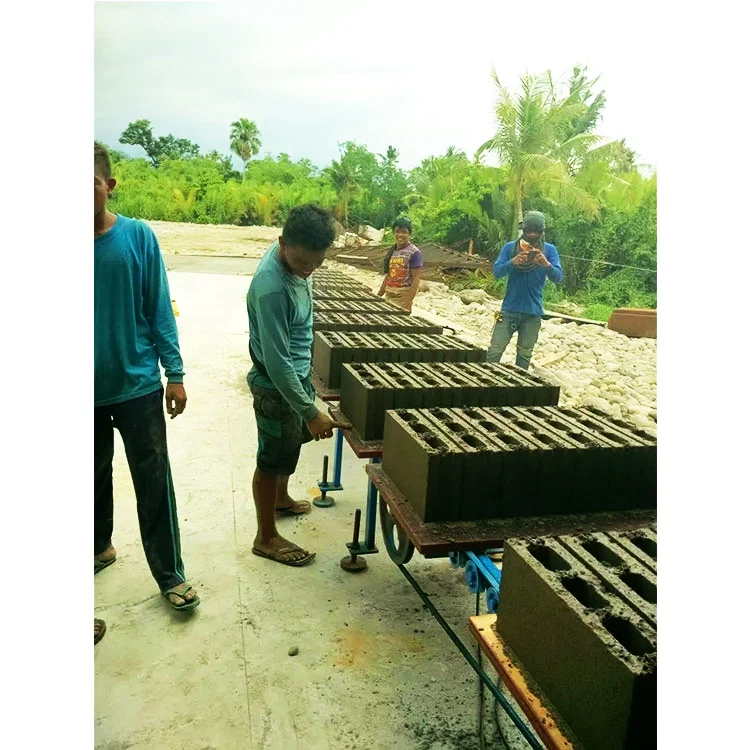
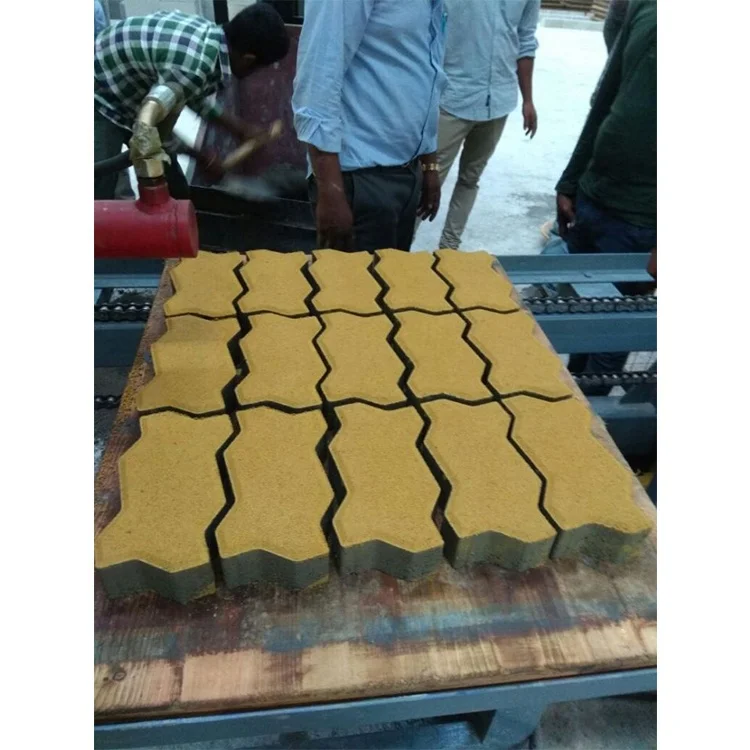
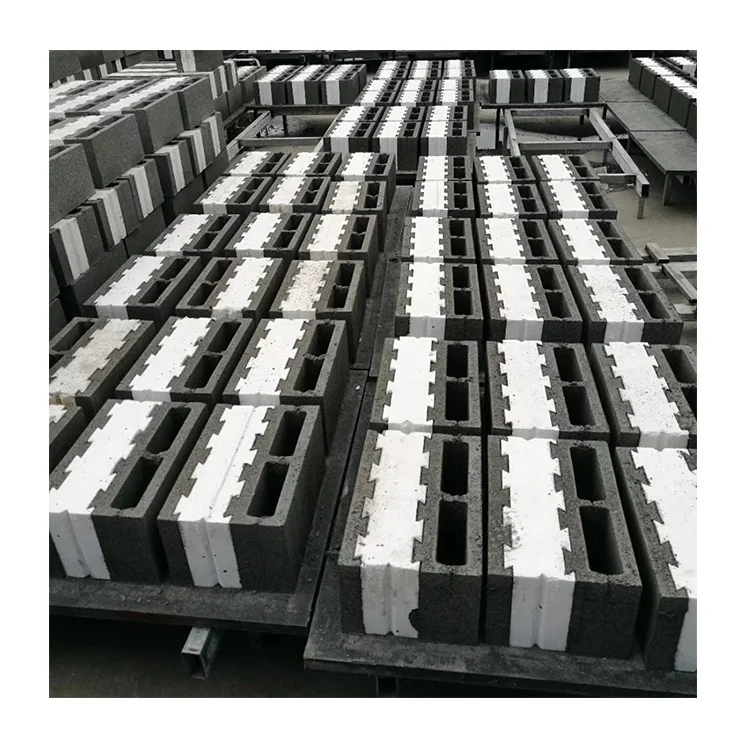
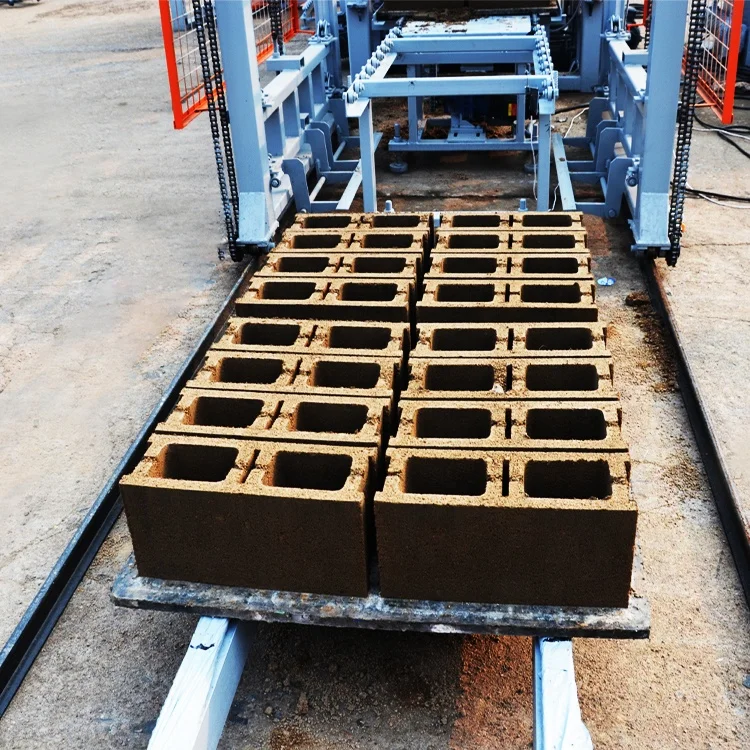
| Applied Products | Paver, solid block, hollow block, curbstone (via mould change) |
| Raw Materials | Crushed stone, sand, cement, dust, fly ash |
| Control System | PLC control system |
| Hydraulic Station | High-pressure hydraulic system included |
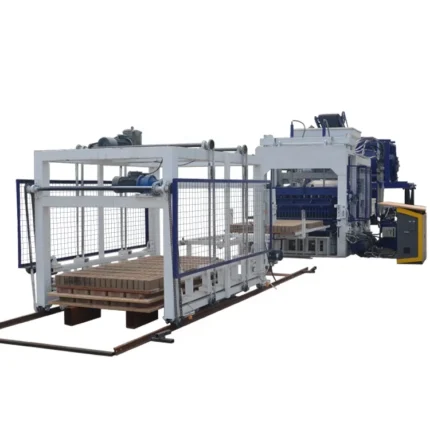
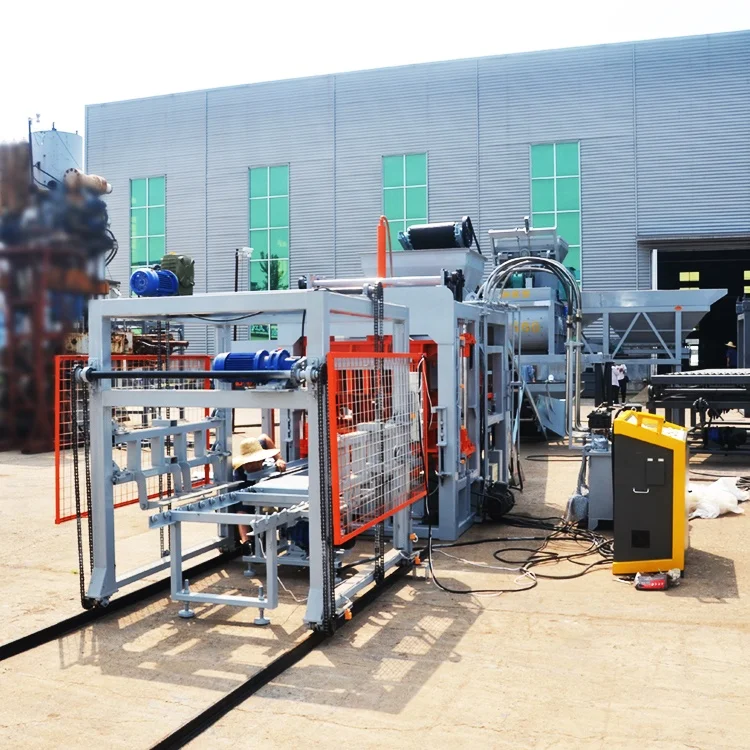
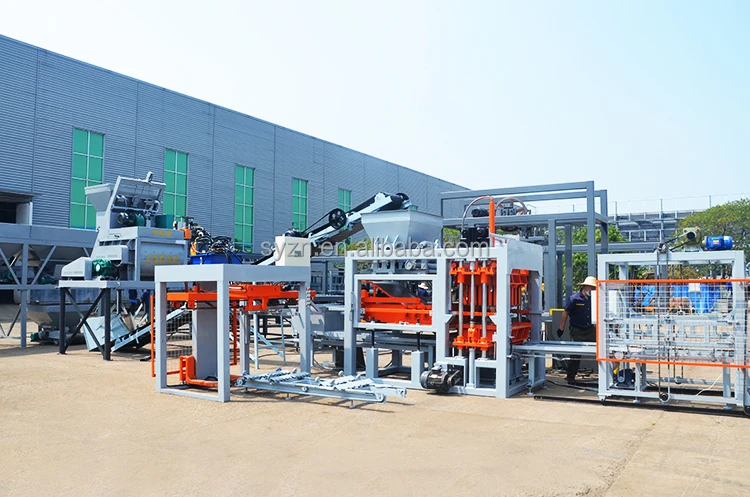
| Included Line Equipment | Block making machine, hydraulic station, PLC control system, pallet feeder, brick conveyor, block sweeper |
| Free Accessories | Manual hydraulic trolley, spare parts and tools |
| Output Capacity | 1200–1680 pcs/h (based on 400×200×200 mm hollow block, 15–20 s cycle) |
| Automation Level | Automatic (with pallet feeder, conveyor, sweeper) |
| Voltage & Frequency | Configurable (confirm with supplier before production) |
| PLC Display Language | Configurable (confirm with supplier before production) |
Application Suitability
| Application | Material or Output |
|---|---|
| Hollow block production plants | Crushed stone, sand, cement, fly ash blends |
| Solid brick manufacturing | Fine aggregate and cement mixes for 240×115×53 mm formats |
| Interlocking paver production | Pigmented face-mix and base-mix concrete on 850×550 mm pallets |
| Curbstone and kerb fabrication | Heavy-duty vibration compaction of coarse aggregate concrete |
| On-site contractor block making | Local aggregate and cement for project-specific formats |
Why the Voltage Question Must Come Before the Price
An automatic PLC controlled concrete block making machine sitting idle for weeks over a transformer is not a commissioning delay — it is a planning failure.
Buyers often focus negotiation energy on cycle time and pallet count while leaving the electrical specification as an afterthought. I once shipped a unit to a South Asian site where the local grid ran at a different voltage and frequency than the control cabinet was wired for. The commissioning engineer waited on-site while a step-down transformer was sourced and delivered, leaving the entire line silent. Since then, every unit I configure requires a signed confirmation of voltage, frequency, and PLC display language before the machine enters production [NEED_CITE: voltage and frequency standards by export market]. The cost of that transformer and three weeks of idle labour far exceeded the price difference the buyer had spent days negotiating.
How PLC Control Removes Operator Variability
On a semi-automatic press, the operator decides when to trigger vibration, when to apply hydraulic pressure, and when to release the mould. Shift-to-shift inconsistency becomes inevitable as fatigue sets in. The PLC control system on this automatic PLC controlled concrete block making machine governs the entire sequence — mould fill, vibration duration, hydraulic compaction, and demoulding — so each cycle repeats with identical timing. The result is block density and dimensional tolerance that hold steady from the first pallet of the morning to the last pallet before shutdown.
What Automation Actually Replaces on the Shop Floor
The included line equipment goes well beyond the press itself. A pallet feeder delivers boards to the mould station without manual handling, the brick conveyor moves freshly pressed units to the curing area, and the block sweeper cleans pallet surfaces before they re-enter the cycle. This configuration removes the two most labour-intensive positions on a semi-automatic line — the pallet handler and the off-bearer — and eliminates the pallet drop damage that occurs when boards are moved by hand. For a plant owner upgrading from manual operation, the automation level here represents a meaningful reduction in headcount at the press station [NEED_CITE: labour reduction metrics in automated block production].
Reading the Numbers That Actually Matter
The vibration force of 40–50 kN at 4600 r/min works in concert with the hydraulic station to compact the mix into the mould cavity. Vibration alone fluidises the concrete; hydraulic pressure then locks the aggregate into a dense matrix. If either parameter is mismatched to the local aggregate gradation or cement content, block strength suffers regardless of how long the cycle runs. The 850 × 550 mm pallet size determines the mould footprint and must align with the curing rack spacing and forklift tine width already in use at the buyer’s plant — a mismatch here means replacing the entire pallet inventory or reconfiguring the curing yard. Output figures such as 1200–1680 pieces per hour apply specifically to a 400×200×200 mm hollow block at a 15–20 second cycle, and a different format or mix will produce a different result.
The Cost of Skipping the Format Conversation
Quoting a single output number without tying it to a specific block format sets the buyer up for disappointment when the line starts running. A machine that produces hollow blocks efficiently may cycle differently on pavers, where face-mix application and longer vibration times alter the throughput. Buyers who do not lock the mould drawing, pallet specification, and format list in writing before production begins often discover at commissioning that the machine was built around a catalogue default rather than the product their market actually purchases [NEED_CITE: common causes of block machine commissioning delays]. The fix — new moulds, different pallets, reprogrammed PLC sequences — costs far more than a detailed specification conversation would have.
What Sets This Configuration Apart
The QT6-15 is specified as a matched system: press, hydraulic station, pallet feeder, conveyor, and sweeper arrive as one integrated line rather than assembled from separate vendors. Configuration decisions start from the buyer’s actual mix design and local aggregate, not from a standard catalogue page. Mould design covers the formats the buyer’s market demands, including custom drawings when the standard catalogue does not include a required shape. The automation level is selectable, so a buyer can begin with semi-automatic pallet handling and add full stacking later as production volume grows. Factory testing records actual cycle times for the buyer’s specified format before the machine is crated for shipment, so there are no surprises at commissioning.
Documentation & Verification
- Line layout drawing with capacity calculation stated per block format and cycle time
- Machine specification sheet confirming vibration force, hydraulic pressure, and pallet size
- Mould drawing and format list locked before production begins
- Voltage, frequency, and PLC display language confirmation signed by buyer
- Factory test record showing actual cycle times on buyer’s specified format
- Operation and maintenance manual with wear parts list and replacement intervals
Installation, Commissioning & Support
- Foundation plan based on 7400 × 1900 mm footprint and 7 T operating weight
- Dedicated power circuit sized for 31.25 kW total draw at confirmed voltage and frequency
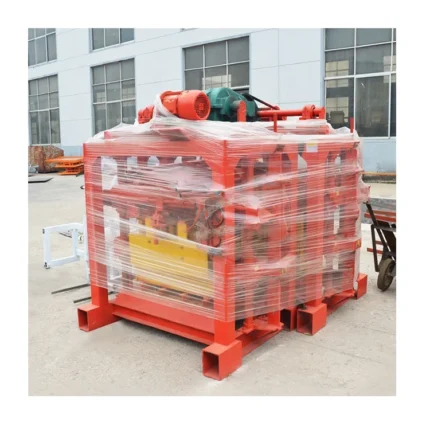
- Machine shipped dismantled with reassembly sequence documented in packing photographs
- Commissioning includes PLC parameter tuning to buyer’s mix design and target block format
- Operator training covers mould change procedure, pallet feeder adjustment, and daily maintenance
- Wear parts list with hydraulic seals, vibration motor bearings, and mould liner replacement schedule
What We Need to Configure Your Line
To move from a general enquiry to a specific machine proposal, we need to know the block formats your market purchases and the daily output you plan to sustain. Share your local raw material sources — the aggregate type, gradation, and cement brand you intend to use — along with your site voltage, frequency, and preferred PLC display language. If you have existing pallets, curing racks, or forklifts, send the dimensions so the pallet size and handling equipment can be matched to what is already on the floor.
Frequently Asked Questions
Q: How is output capacity calculated per block format, and what cycle time is assumed for each?
A: Output is calculated by dividing the number of blocks per mould by the cycle time in seconds, then converting to an hourly rate. For this machine, 1200–1680 pieces per hour applies to 400×200×200 mm hollow blocks at a 15–20 second cycle. A different format such as solid brick or paver will produce a different figure because mould cavity count and vibration duration change. We provide a capacity table listing each format separately.
Q: What PLC control language and HMI interface options are available for the operator?
A: The PLC display language is configurable and must be confirmed in writing before production begins. We set the interface to the operator’s working language so that alarms, cycle parameters, and fault messages are immediately readable on-site. This step is built into our pre-production checklist and signed off alongside the voltage and frequency confirmation.
Q: How long does a mould change take, and what tools or procedures are required on-site?
A: Mould change time depends on the format transition and the clamping system fitted to the press. We supply a mould change procedure document with each machine that lists the tools required, the bolt sequence, and the PLC parameter adjustments needed for the new format. Confirming the full format list before production ensures that mould mounting points are standardised across all dies you order.
Q: What automation upgrade path exists if I start with semi-automatic pallet handling?
A: The machine frame and PLC architecture support adding automatic pallet feeding, conveyor transfer, and stacking at a later stage. Starting semi-automatic keeps initial investment lower while the market volume builds. When you are ready to add automation modules, the electrical and mechanical interfaces are already in place so the upgrade does not require a full machine replacement.
Q: How is vibration force and hydraulic pressure matched to my local aggregate and mix design?
A: We configure the vibration frequency and hydraulic pressure based on the aggregate gradation, cement content, and target block strength you provide. A coarse crushed stone mix requires different compaction energy than a fine sand and fly ash blend. The factory test runs your specified mix before shipment so that the vibration and pressure settings are validated against actual block density and surface finish.