Description
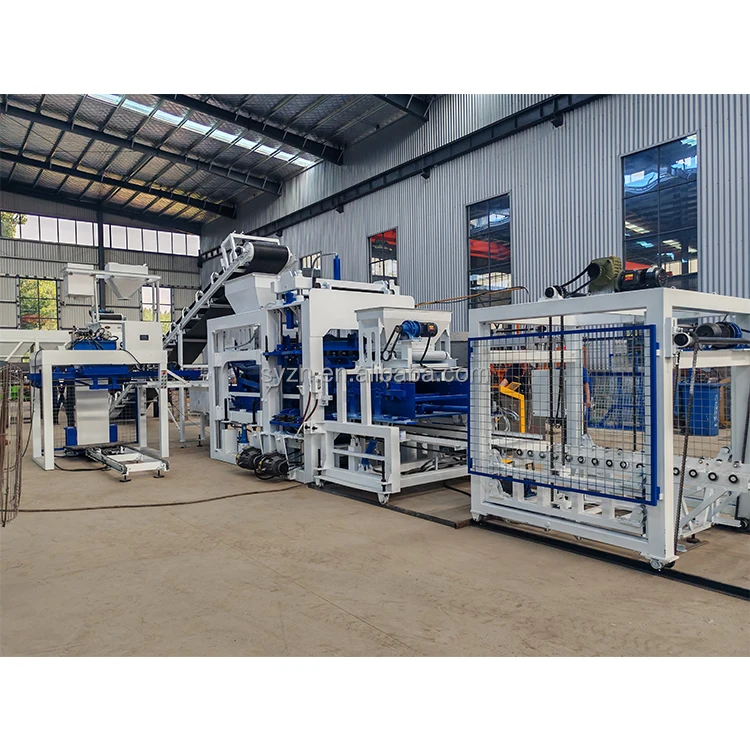
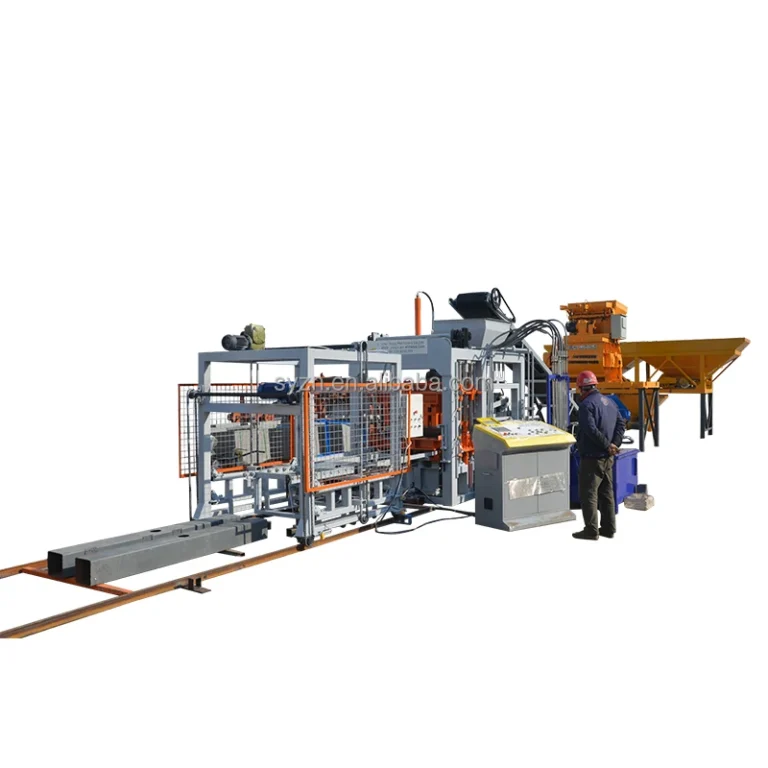
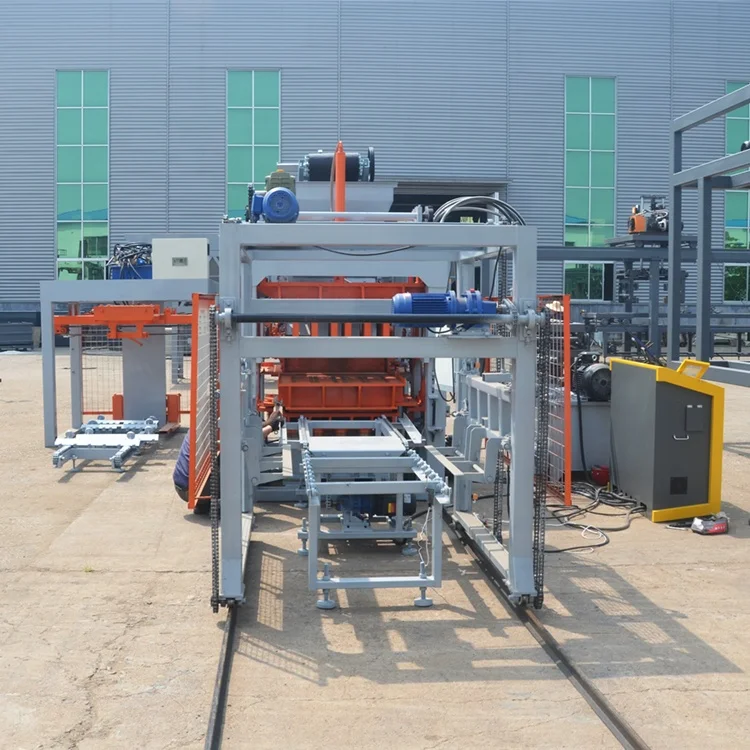
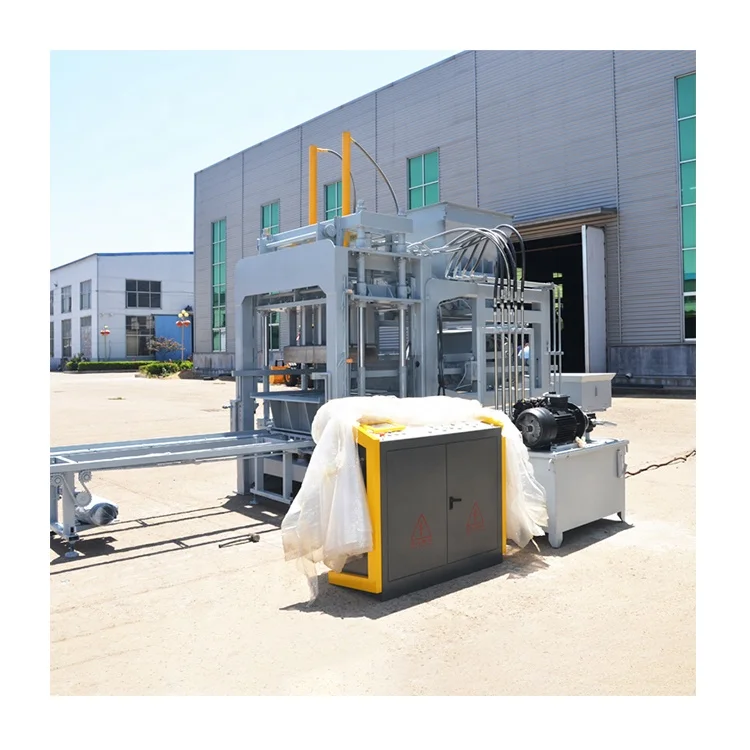
Intelligent control integration — the QT7-15 pairs PLC logic with hydraulic and vibration subsystems so cycle parameters stay locked to the buyer’s confirmed mix design rather than drifting between shifts.
Technical Specifications
| Parameter | Value |
|---|---|
| Model | QT7-15 |
| Product Type | Concrete Block Making Machine |
| Pallet Size | 1150 × 700 mm |
| Molding Cycle | 15–20 s (format dependent) |
| Overall Power | 45 kW |
| Vibration Force | 100 kN |
| Vibration Frequency | 0–60 Hz (adjustable) |
| Vibration Form | Platform vibration |
| Demolding Method | Hydraulic |
| Control System | PLC intelligent control with touch screen |
| Total Mass | 8 T |
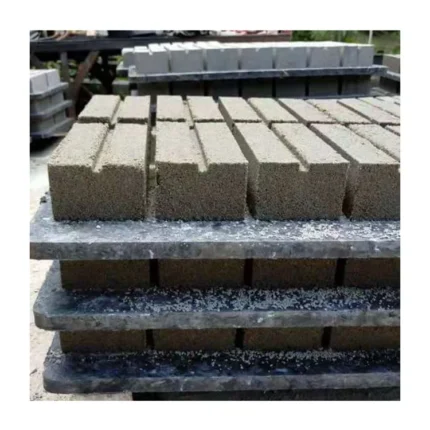
| Output — Hollow Block 400×200×200 mm | 1,260–1,680 pcs/hour; 10,080–13,440 pcs/8 hr |
| Output — Hollow Block 400×150×200 mm | 1,440–1,920 pcs/hour; 11,520–15,360 pcs/8 hr |
| Output — Rectangular Brick 200×100×60 mm | 3,888–4,860 pcs/hour at 20–25 s cycle; 31,104–38,880 pcs/8 hr |
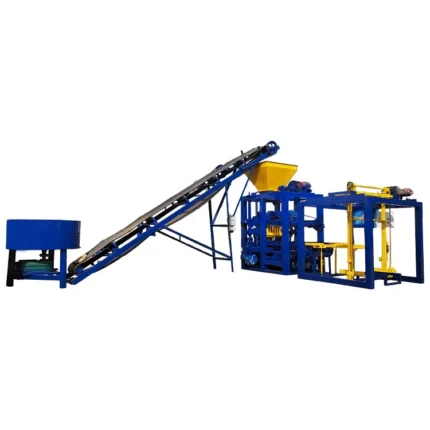
| Automation Level | Automatic (pallet feed, block making, storage hopper, conveyor, hydraulic unit, PLC cabinet) |
| Standards | CE declaration where applicable |
Application Suitability
| Application | Material or Output |
|---|---|
| Hollow block production | Crushed stone, cement, fly ash, sand aggregate blends |
| Solid block production | Dense aggregate mixes for load-bearing walls |
| Paving brick production | Fine aggregate and pigment blends for surface finish |
| Rectangular brick production | Standard concrete mixes at 20–25 s molding cycle |
| On-site contractor block making | Local aggregate with portable batching feed |
What "Automatic" Really Means When the PLC Meets Your Aggregate
The automatic QT7-15 concrete block making machine PLC controlled stores process recipes per mix, so the operator cannot accidentally override the parameters your commissioning engineer locked in.
I spent a week on a block plant floor in India watching a crew re-run hollow blocks because the vibration frequency had been bumped mid-shift. The mix was a coarse fly ash blend that needed the full 60 Hz, but the operator had dropped it during a mould change and nobody noticed until the curing racks were half full of under-strength product. When you are upgrading from manual or semi-automatic operation, the real value of automation is not fewer buttons — it is the removal of that exact class of error [NEED_CITE: common causes of block strength inconsistency in small to mid-size plants].
How the PLC Removes Guesswork from Every Cycle
The touch screen on the automatic QT7-15 concrete block making machine PLC controlled displays process data input and storage fields for vibration frequency, hydraulic timing and molding duration. Each recipe is tied to a specific block format and mix, meaning the same operator running hollow blocks in the morning and paving bricks in the afternoon loads the correct profile rather than adjusting dials by feel. This is what separates a genuinely automated line from a machine that simply has an electric cabinet.
Remote Diagnostics That Actually Reduce Downtime
The control system supports remote fault diagnosis, so when a sensor trips or a hydraulic valve sticks, the error code transmits to off-site support without waiting for a technician to visit [NEED_CITE: PLC remote diagnostics adoption in concrete product manufacturing]. For plant owners running multiple shifts or managing several production sites, reading a fault log from an office desk changes the response from hours to minutes — provided the voltage, frequency and display language were confirmed before the machine left the factory.
Reading the Specs That Determine Your Real Output
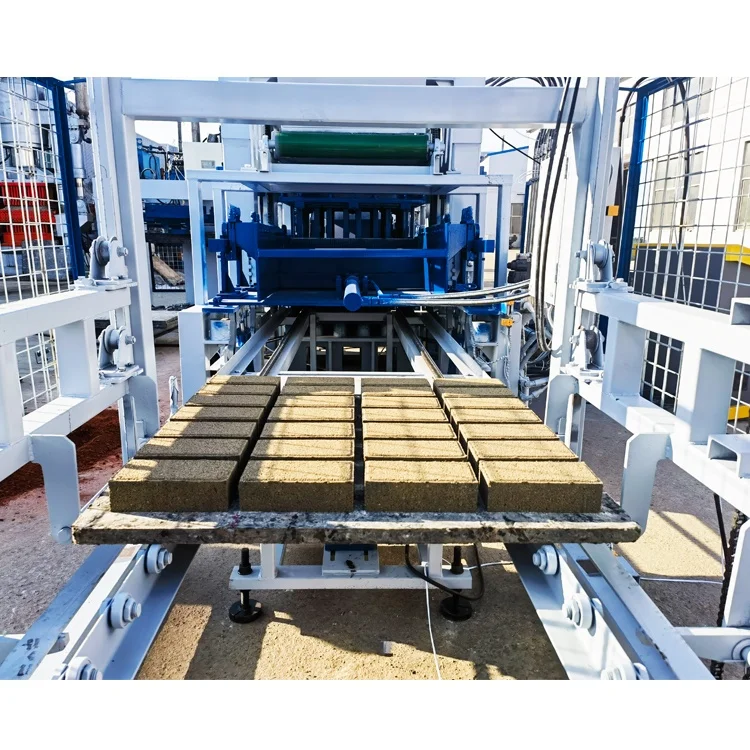
Platform vibration at 0–60 Hz paired with 100 kN force is the compaction engine. Frequency controls how fast the aggregate particles settle; force controls how tightly they pack. A coarse fly ash or crushed stone blend typically demands higher frequency to achieve the same density a fine sand mix reaches at mid-range settings. The hydraulic demolding circuit then lifts the mould cleanly off the green block, reducing corner damage that would otherwise show up as waste at the curing rack. Pallet size at 1150 × 700 mm dictates how many blocks ride per cycle and must match the curing area and forklift dimensions you already have on site — a mismatch here creates a bottleneck the press itself cannot solve.
The Cost of Configuring the Line Around the Wrong Defaults
A machine set to a catalogue default mix will run, but it will not run well against your local aggregate. When vibration force and hydraulic pressure are not matched to the buyer’s actual materials, block strength drifts batch to batch and the first sign is customer complaints, not a dashboard alarm [NEED_CITE: relationship between aggregate grading and vibration parameter tuning]. If the PLC display language arrives in a script your operators cannot read, the intelligent control becomes a locked box and the crew goes back to timing cycles by hand — which is the exact workflow you paid to eliminate.
Why Sourcing the Control System from the Same Source Matters
Block machinery as a single focus means the press, mould, pallet and handling are specified as one matched system. Configuration is set against your confirmed mix design and target block format, not a catalogue default. Mould design covers the formats your market actually sells, including custom drawings when standard options do not fit. The automation level is selectable, so you can commission the QT7-15 semi-automatic and add stacking or cubing automation later without replacing the press. Installation support includes operator training on the PLC interface, so the crew knows how to load recipes and read diagnostics from day one.
Documentation & Verification
- Factory test record on your specified hollow block and paving brick formats before dispatch
- Hydraulic and electrical schematic matching your confirmed voltage and frequency
- PLC configuration sheet listing display language and recipe storage fields
- Mould drawing and format list for every block type in your quotation
- Operation and maintenance manual written for the automation level you selected
- Packing photographs and customs documentation support for your port of entry
Installation, Commissioning & Support
- Foundation plan sized to the 8 T total mass and 45 kW power draw of the QT7-15
- Dedicated circuit confirmed to your local voltage and frequency before wiring begins
- PLC cabinet powered up and display language verified on the first commissioning day
- Vibration frequency and hydraulic pressure tuned against your actual aggregate sample on site
- Operator training covering recipe loading, mould change sequence and fault code reading
- Wear parts list and mould inventory reviewed so first replacements are on hand before needed
Before You Request a Quotation
Tell us the block formats your market sells and the daily volume each format must deliver. Share the aggregate sources available locally — type, grading and moisture range — along with your site voltage, frequency and preferred PLC display language. If you already have pallets, forklifts or curing racks, send the dimensions so the pallet size and handling equipment align with what is already on the floor.
Frequently Asked Questions
Q: How is output capacity verified for each block format the QT7-15 produces?
A: Capacity is calculated per format, not as a single machine-wide figure. For a 400×200×200 mm hollow block, the QT7-15 is rated at 1,260–1,680 pieces per hour at a 15–20 s molding cycle. For a 200×100×60 mm rectangular brick, the cycle extends to 20–25 s and output shifts accordingly. Always confirm which format underpins any quoted capacity.
Q: What PLC display languages are available and can the control system match our local supply?
A: The touch screen supports multiple display languages confirmed during the order process. Voltage and frequency are also set before shipment. Locking these specifications early prevents commissioning delays that arise when the machine arrives with a default configuration that does not match the plant’s electrical supply or the operator’s language.
Q: How does the automation level reduce operator involvement in pallet handling?
A: The automatic configuration covers pallet feeding, block pressing, storage hopper and conveyor. The operator monitors the PLC screen rather than loading pallets by hand. Stacking and curing rack handling are separate line stations that can be added at the automation level the buyer selects, allowing a phased investment approach.
Q: What is the upgrade path if we later want full automatic stacking and cubing?
A: The QT7-15 press remains in place while downstream stations — automatic stacker, curing rack handler and cubing unit — are added to the line. Because the PLC already stores process data and communicates with conveyor logic, integrating additional automated stations follows a defined sequence rather than requiring a full control system replacement.
Q: How does the PLC store process data for batch-to-batch consistency?
A: Each recipe records vibration frequency, molding cycle timing and hydraulic parameters for a specific block format and mix. The operator loads the stored recipe at the start of a run, preventing manual overrides that cause strength drift. Remote fault diagnosis reads the same data set, so off-site support can trace inconsistencies back to the exact cycle where they began.