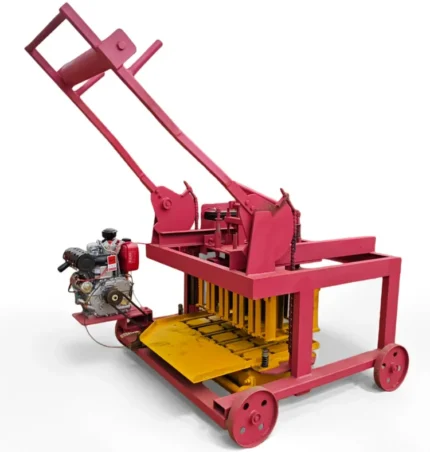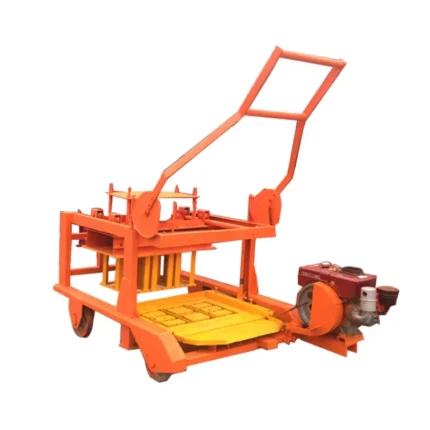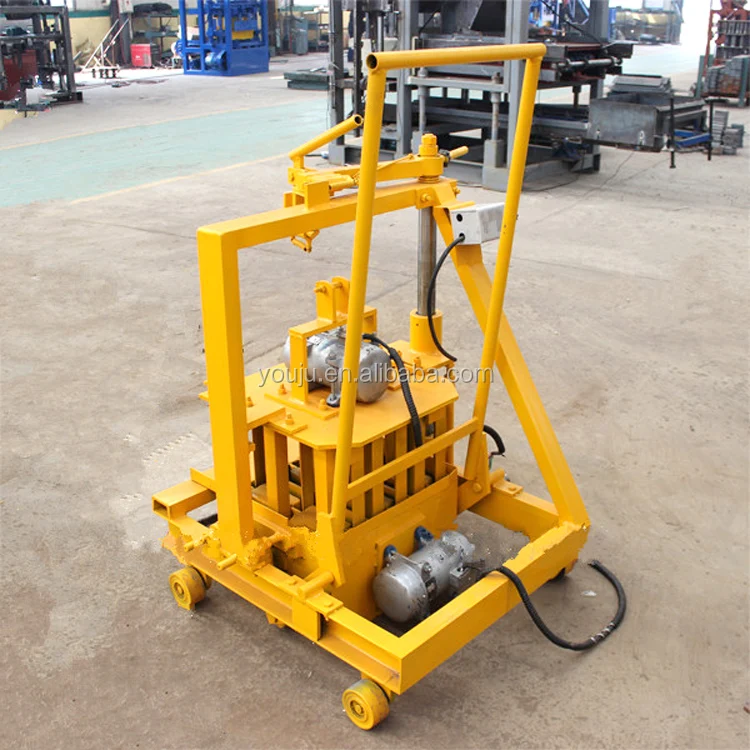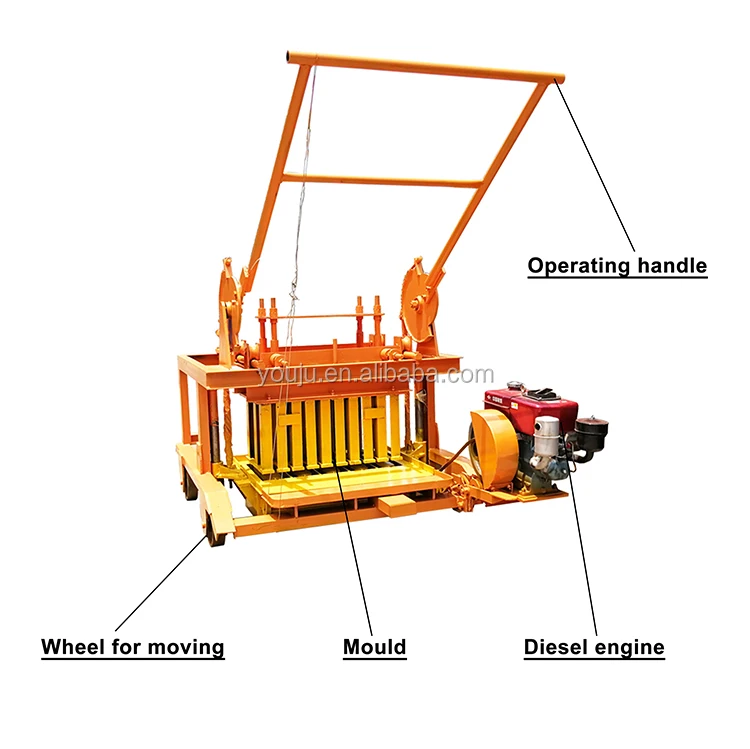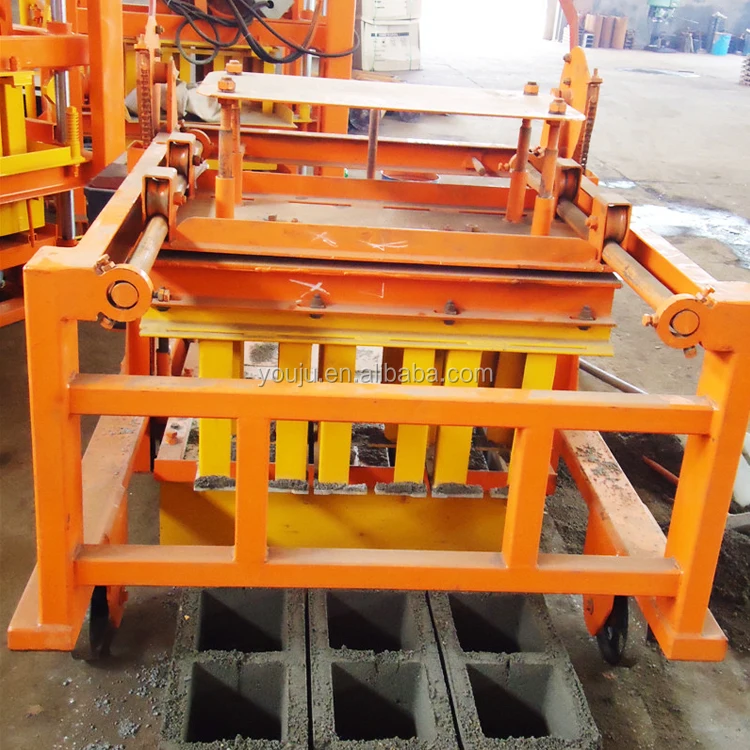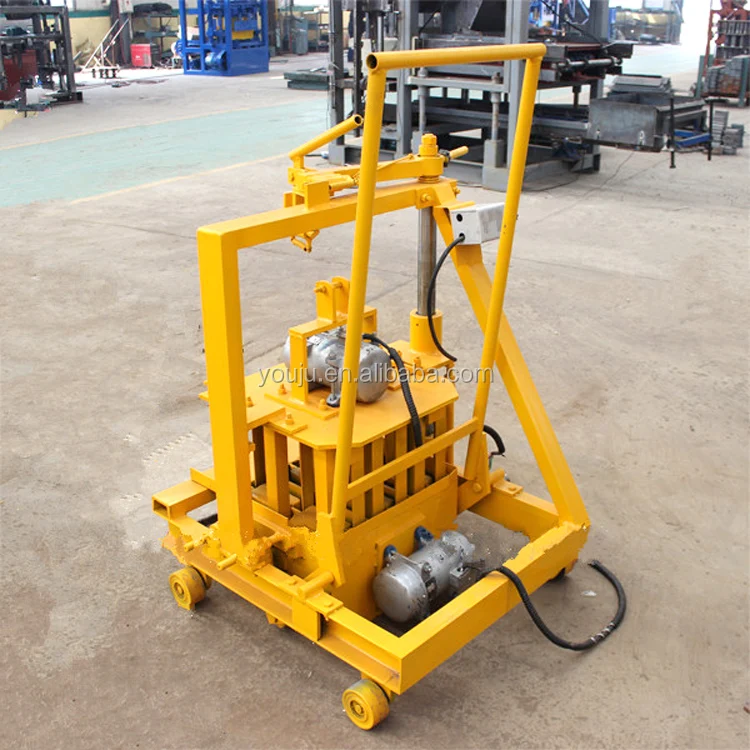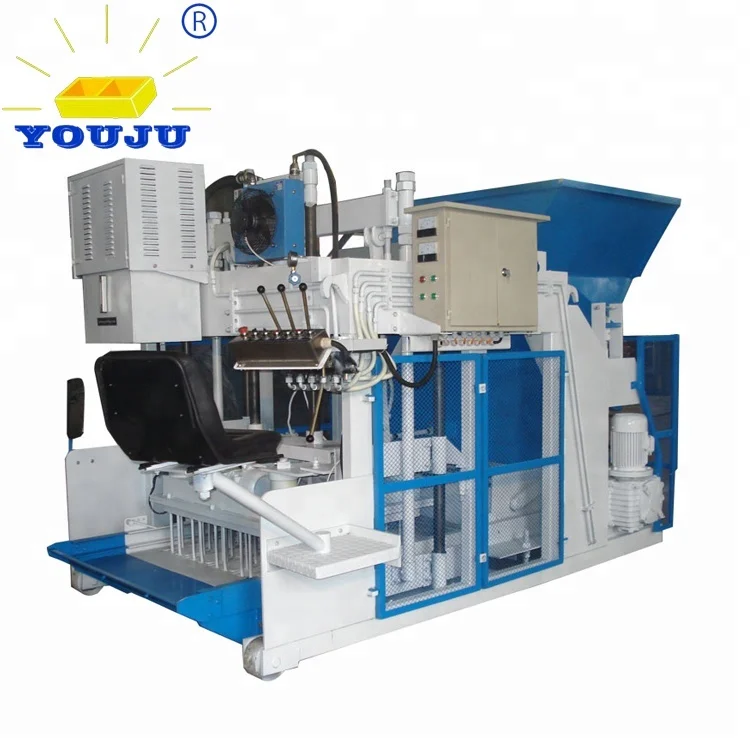
Description
Consistent Cycle Control — every moulding sequence on the QMY12-15 is governed by the PLC rather than operator reflex, so block density holds steady from the first hour of a shift to the last.
Technical Specifications
| Parameter | Value |
|---|---|
| Model | QMY12-15 |
| Product Type | Automatic Cement Hollow Block Making Machine |
| Automation Level | Automatic |
| Drive System | Engine & Gear |
| Block Size Range | 4–9 Inch |
| Mould Format | Hollow Block |
| Machine Configuration | Mobile / Egg-laying |
| Output Capacity | High Efficiency (basis not stated in source — confirm block format and mix) |
Application Suitability
| Application | Material or Output |
|---|---|
| On-site hollow block production for building contractors | Cement, crushed stone, sand, and water mix |
| Small-to-medium block yard start-ups | 4–9 inch hollow block formats via mould change |
| Housing project block supply at remote locations | Engine-driven operation independent of grid power |
Why "Cycles per Hour" Means Nothing Without the Block Format
Capacity is only meaningful when tied to a specific block size, mix design, and curing schedule.
Many mobile block machine quotations list a single cycles-per-hour figure and leave it at that. In practice, a 4-inch hollow block and a 9-inch hollow block demand different vibration durations, different feed volumes, and different demoulding times on the QMY12-15. [NEED_CITE: block format impact on actual daily output in mobile egg-laying machines] If the supplier does not break output down format by format, the number on paper will not match what your crew actually stacks at the end of a shift. I have watched contractors plan a project timeline around a headline capacity only to fall short once the larger format went into production.
What the PLC Actually Removes from the Operator
On a manual egg-laying machine, the operator decides when to feed, when to vibrate, and when to move forward. That judgement varies with fatigue, experience, and shift changes. The QMY12-15 automatic mobile hollow block making machine PLC controlled system takes those timing decisions out of human hands. Each cycle follows a programmed sequence for feed, vibration, and travel, so the block that comes off the machine at hour eight matches the one from hour one in density and dimension.
Engine and Gear Drive: Production Beyond the Grid
Construction sites in developing regions often lack stable three-phase power, or the available supply fluctuates enough to damage sensitive drives. The QMY12-15 pairs an internal combustion engine with a gear transmission, delivering mechanical power to the vibration and travel systems without relying on grid electricity. [NEED_CITE: off-grid block production challenges in West African construction projects] This configuration suits remote housing developments and infrastructure camps where bringing in a generator large enough for an electric press would add a separate capital line to the project budget.
Reading the Spec Sheet for What Matters
The 4–9 inch block size range tells you the mould envelope, not the daily throughput. Mould change time on a mobile unit determines how many formats you can realistically run in one shift; if a changeover consumes most of a morning, the flexibility is theoretical. The engine-and-gear drive delivers consistent torque across the vibration cycle, which directly affects how well the mix consolidates inside the mould box. Gear-driven transmission also means fewer hydraulic hoses to maintain in dusty site conditions. Automation level — automatic in this case — defines the labour headcount: fewer hands needed on timing, more available for mixing and curing rack duties.
The Language Mistake That Stops Commissioning Cold
Last time we shipped a QMY12-15 to a West African job site, the PLC touchscreen arrived in English. The operator spoke only French. Day one of commissioning, nobody could navigate the panel, and the machine sat idle while I walked the site supervisor through a remote language switch that took an entire afternoon. [NEED_CITE: PLC interface language requirements for exported industrial machinery] Now I treat control language confirmation as a non-negotiable step before the crate leaves the factory. A mobile block press that cannot be operated on arrival is just an expensive crate of steel.
Why Buyers Come Back for a Second Machine
Block machinery is the single focus here, so the QMY12-15 arrives with its mould, pallet, and handling specified as one matched system rather than assembled from unrelated suppliers. Configuration is set against your actual mix design and local aggregate, not a catalogue default. Mould design covers the hollow block formats your market actually buys, with custom drawings available when standard formats do not fit. The automation level is selectable — you can start with the automatic PLC cycle and add pallet handling upgrades later as production volume grows. Installation support includes on-site commissioning and operator training so the crew runs the machine correctly from the first week.
Documentation & Verification
- Machine specification sheet listing QMY12-15 cycle time per hollow block format
- Mould drawing pack with dimensional tolerances for each block size ordered
- PLC language and voltage confirmation record signed before dispatch
- Factory test record run on your specified mix proportion and block format
- Operation and maintenance manual with engine service intervals included
- Wear parts and mould catalogue with part numbers for reordering
Installation, Commissioning & Support
- Level compacted ground required; no fixed foundation needed for the QMY12-15 mobile configuration
- Engine commissioning includes fuel system bleed and gear drive alignment check
- PLC panel powered up and language verified on site before first production cycle
- Operator training covers cycle start, emergency stop, and mould change procedure
- Spare mould wear strips and gear drive lubrication schedule provided at handover
- Follow-up support for mix adjustment once local aggregate behaviour is observed
Before You Request a Quote
Tell us the hollow block formats your market sells most — not just the size in inches, but the wall thickness and whether you need open-bottom or closed-bottom designs. Share your local aggregate type and the cement brand available, because the QMY12-15 vibration and feed timing can be tuned to match. Confirm the site voltage and frequency if any electric auxiliaries are planned, and state the PLC display language your operators need before the machine ships.
Frequently Asked Questions
Q: How is the output capacity of the QMY12-15 calculated for my block format?
A: Capacity depends on the specific hollow block size, wall thickness, and mix you intend to run. We calculate cycle time per format — including feed, vibration, and travel — then multiply by effective working hours. Always request a format-by-format breakdown rather than a single headline figure so your daily plan matches reality.
Q: Can the PLC display be set to my local language before delivery?
A: Yes. We confirm the required PLC interface language during the order stage and set it before the machine leaves the factory. This step avoids commissioning delays on site. If your operators speak a language not listed in the default options, let us know early so the correct language pack is loaded.
Q: How long does a mould change take on this mobile unit?
A: Mould changeover on the QMY12-15 involves unbolting the current mould box, lifting it clear, and seating the replacement. With the correct tools and a trained operator, the swap is straightforward. We provide the required spanners and alignment pins with each machine. Plan changeovers at shift start to avoid interrupting a production run.
Q: What voltage and control configurations does the QMY12-15 support?
A: The primary drive is engine-and-gear, so the press itself does not depend on a specific voltage. Any electric auxiliaries in the line — such as a mixer or conveyor — can be configured to your local voltage and frequency. Confirm these values at the order stage so the wiring and control components match your site supply before shipment.