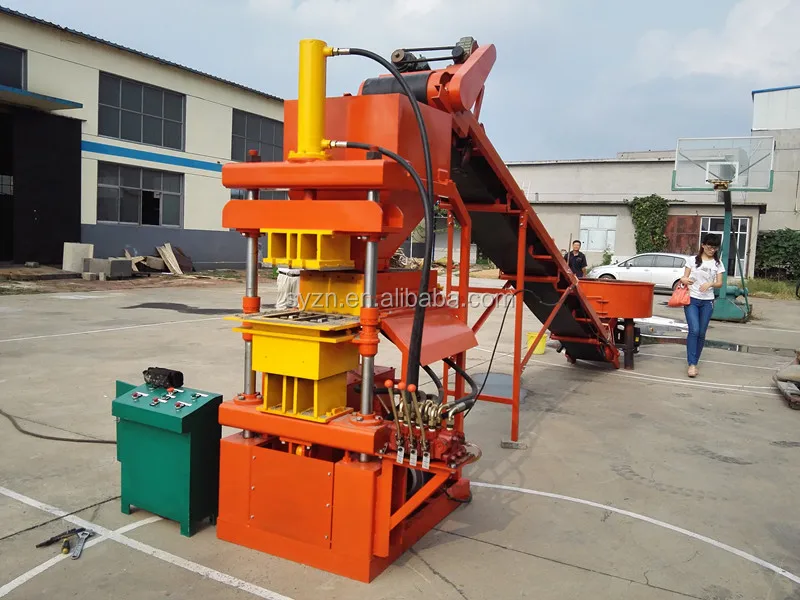
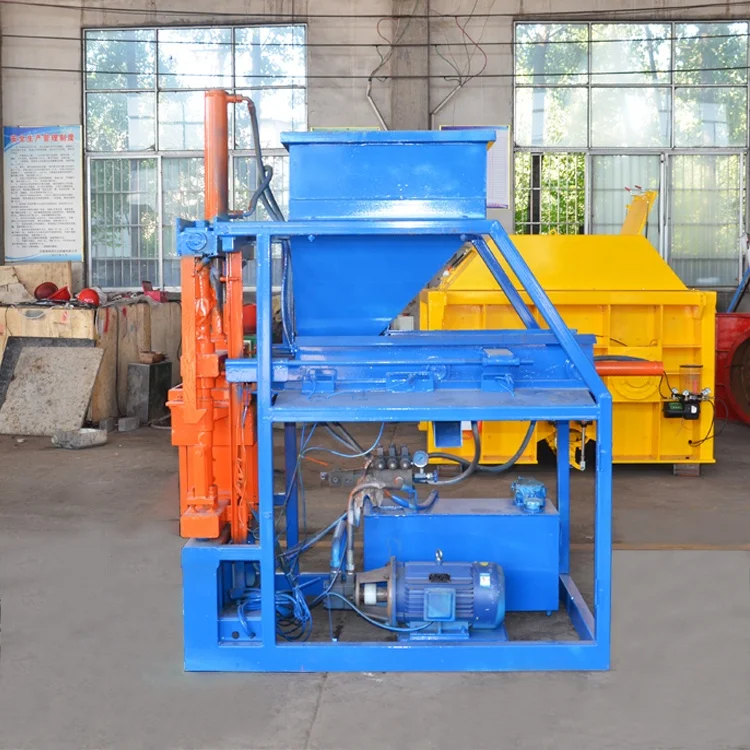
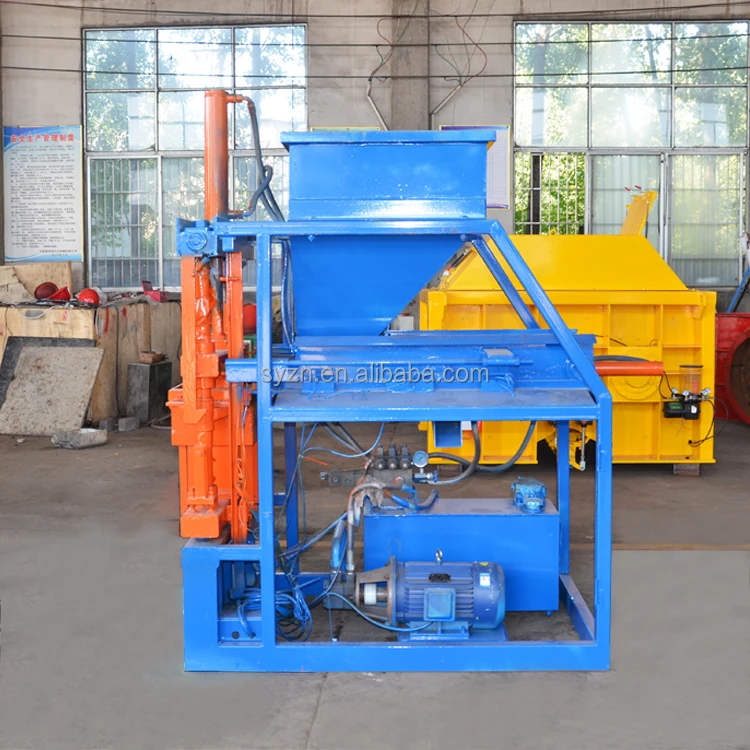
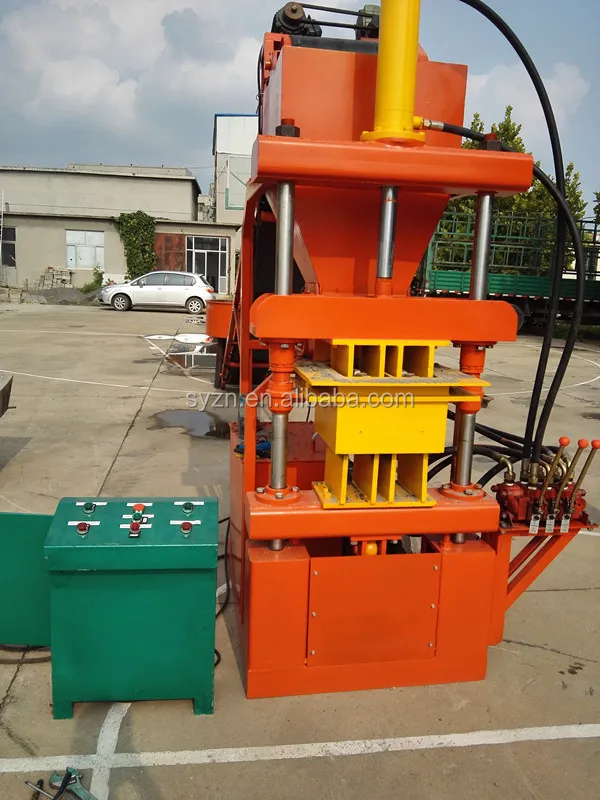
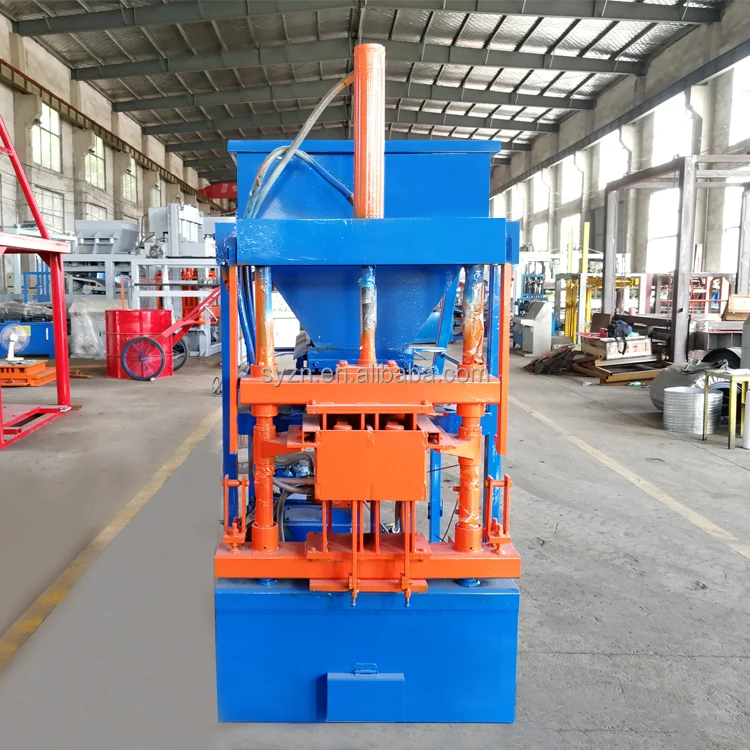
Description
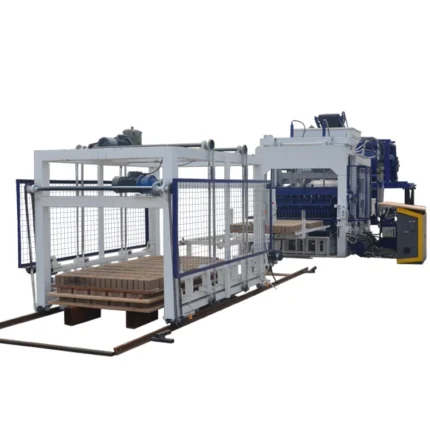
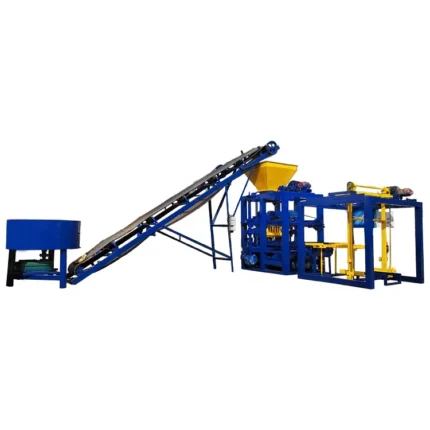
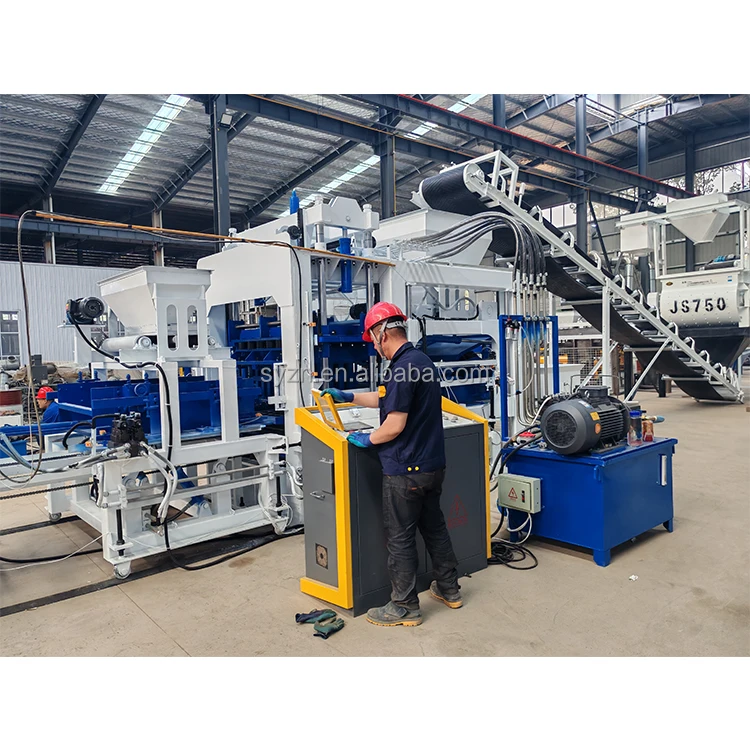
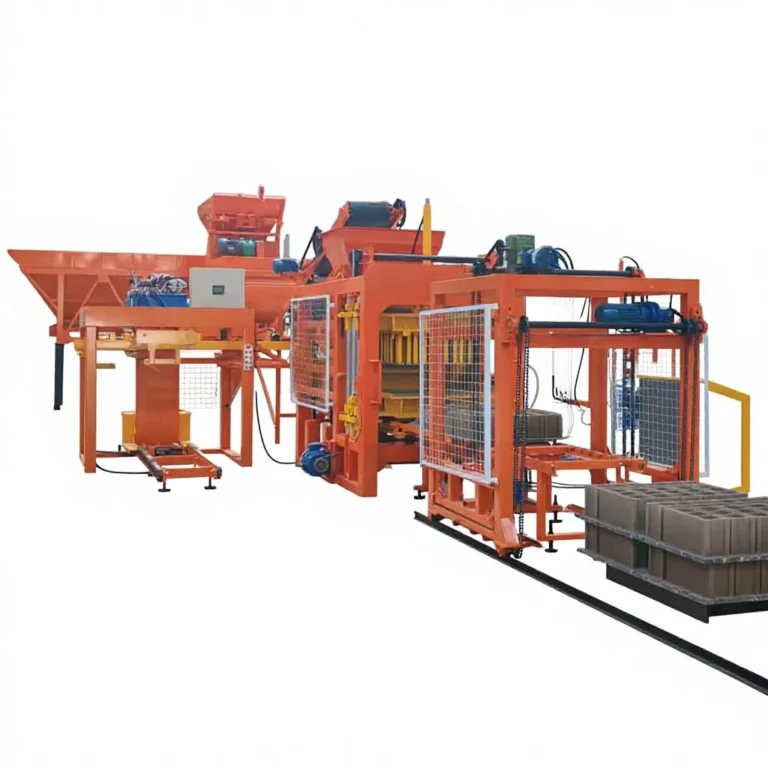
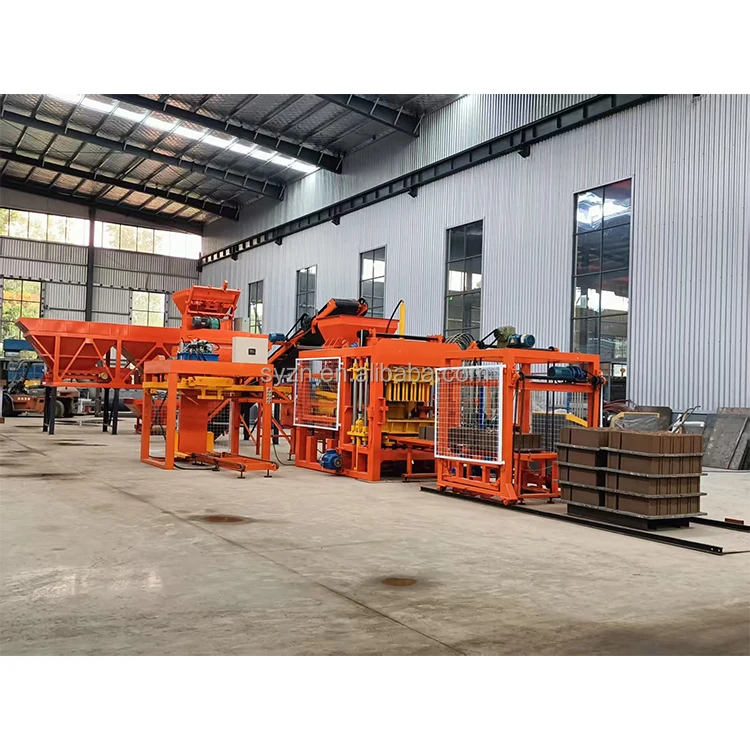
Automation Level Configurable — The LY2-10 ships as a semi-automatic clay brick press but accepts PLC, automatic pallet feeding, and stacking modules so a plant can scale control complexity as operators gain experience.
Technical Specifications
| Parameter | Value |
|---|---|
| Model | LY2-10 |
| Product Type | Clay Interlocking Brick Making Machine |
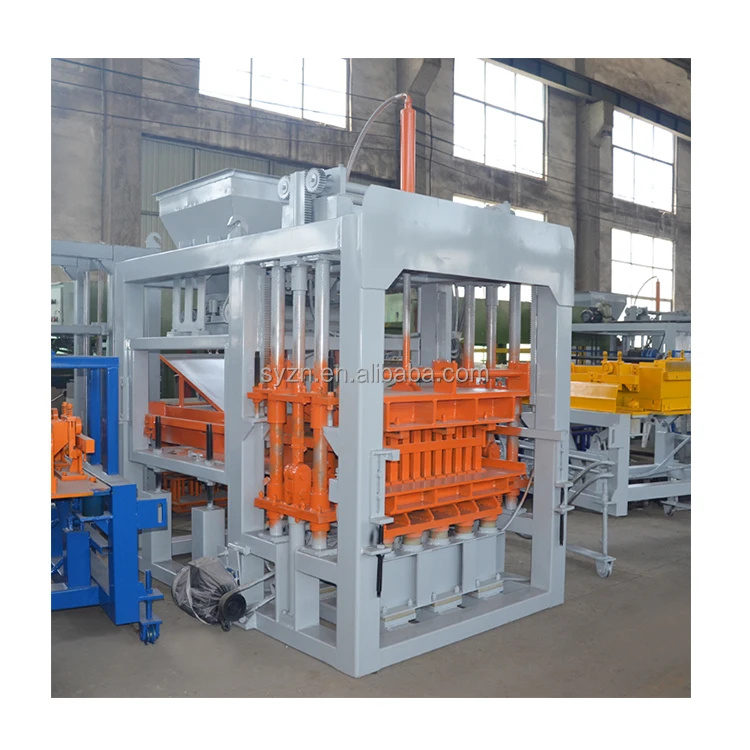
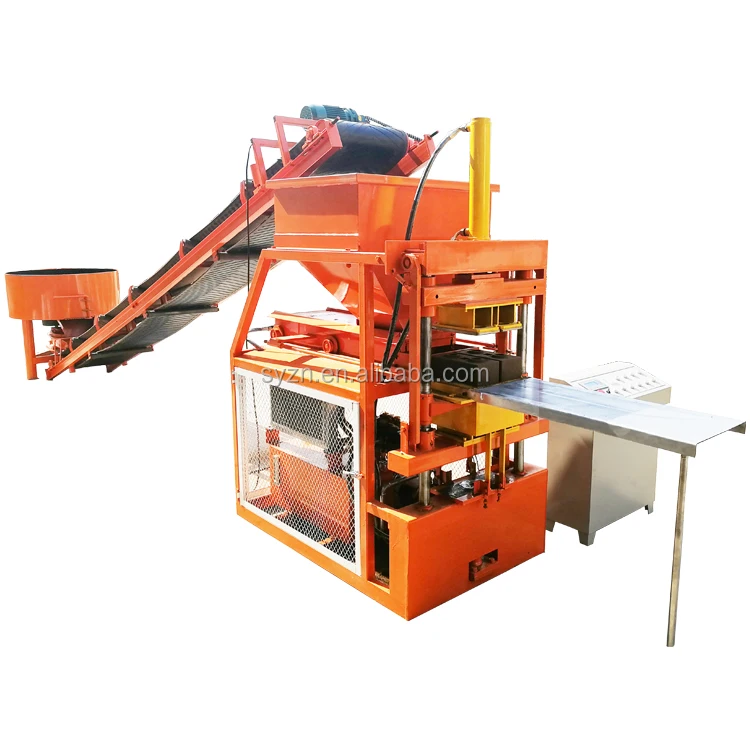
| Machine Type | Semi-automatic clay and cement interlocking brick making machine |
| Rated Power | 7.5 kW |
| Molding Cycle | 10 s |
| Output Capacity | 750 pcs/h (basis not stated in source — confirm block format) |
| Output Capacity (8 h shift) | 6,000 pcs (basis not stated in source — confirm block format) |
| Raw Materials | Clay, soil, earth, mud, concrete, cement, fly ash |
| Overall Dimensions (L×W×H) | 1,300 × 1,800 × 2,400 mm |
| Bricks per Mould | 2 pcs (description) / 1 pc (capacity table) — verify with manufacturer |
| Mould Formats | 300×150×100 mm, 250×125×75 mm, 230×220×115 mm |
| Automation Level | Semi-automatic, upgradeable to PLC control |
| Voltage & Frequency | Configurable — confirm before production |
| Control System Language | Configurable — confirm before dispatch |
| Certification | To be confirmed |
Application Suitability
| Application | Material or Output |
|---|---|
| On-site interlocking brick production for small contractors | Clay, soil, mud mixes with or without cement stabilisation |
| Small-plant solid and interlocking brick runs | Concrete, cement, fly ash blends |
| Building material distributors adding interlocking formats | Multiple mould sizes on a single host machine |
| First-plant entrepreneurs starting semi-automatic | Low initial investment with future PLC and stacking upgrade path |
What "10-Second Cycle" Actually Means for Your Daily Tally
Cycle time is only one variable — the brick format, pallet return speed, and stacking method decide whether that number holds across an entire shift.
Every PLC controlled clay brick machine datasheet lists a cycle figure, and 10 s sounds competitive until you realise it was measured on the smallest mould in the catalogue with an operator hand-feeding pallets. Swap to the 300×150×100 mm interlocking format and the vibration dwell alone lengthens. Add the seconds lost waiting for a pallet to return from a manual curing rack and the hourly count drops noticeably. When I commissioned a semi-automatic line in a humid coastal region, the local crew could not keep pallets circulating fast enough, so the press sat idle between strokes — a problem that only surfaced once the whole line, not just the press, was timed [NEED_CITE: line balancing for block production plants].
Matching the Control Layer to the Operator, Not the Brochure
The LY2-10 leaves the factory with relay-based semi-automatic logic, which keeps the initial capital outlay low for a first-time buyer. When the plant is ready to move toward full automatic interlocking brick machine operation, a PLC cabinet, sensor array, and automatic pallet feeder bolt on without replacing the press frame. This staged approach means the same 7.5 kW main motor and mould carriage serve both configurations, protecting the original investment while the control layer grows with the operator’s skill.
Why the Interface Language Must Be Locked Before the Crate Is Nailed
I once watched a fully wired line sit idle for three days because the HMI defaulted to Chinese characters the local technician could not read. Since that job, every automatic interlocking brick machine I touch has its PLC display language and voltage confirmed in writing before the electrical panel is closed. The LY2-10’s configurable control means the HMI text, alarm messages, and cycle counters can be set to the buyer’s local language at the factory, eliminating the most common commissioning delay [NEED_CITE: PLC HMI language and encoding standards for export machinery].
Reading the Numbers That Actually Shape Your Shift
The 7.5 kW rated power tells you the press fits a standard industrial circuit, but it also signals the vibration force ceiling — enough for clay-cement interlocking bricks yet below what high-density concrete pavers demand. The 10 s moulding cycle is achievable on lighter mixes; heavier fly ash blends extend dwell, so capacity must be recalculated per material. Mould formats span 300×150×100 mm down to 230×220×115 mm, and each size changes the bricks-per-mould count, which directly rewrites the hourly output figure. The two conflicting brick counts in the source data — two per mould in the description, one per mould in the capacity table — must be resolved before any production plan is signed off, because that single variable halves or doubles the projected shift total. Pallet size is absent from the current datasheet; without it, a buyer cannot confirm whether existing curing racks and forklifts will accept the output.
The Hidden Cost of Skipping the Pallet and Stacking Conversation
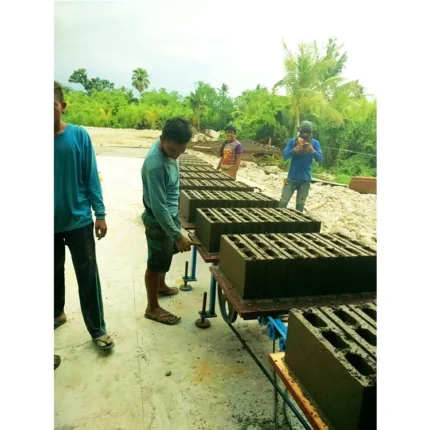
Buyers who focus on the press price and ignore pallet circulation end up paying for it in labour. Hand-stacking 6,000 bricks per shift sounds manageable until you count the wheelbarrow trips, the breakage from dropped units, and the fatigue that slows the crew by mid-afternoon. A pallet size that does not match the curing yard forces double-handling, and an undersized forklift cannot lift a fully loaded rack. None of these issues appear on the quotation, yet they show up on the very first production day [NEED_CITE: material handling losses in small-scale block plants].
Why Buyers Keep Coming Back for the Next Line
Block machinery is the only product category this workshop builds, so the press, mould, pallet, and handling stations are specified as one matched set rather than assembled from unrelated suppliers. Every LY2-10 configuration starts with the buyer’s actual mix design and target brick format, not a catalogue default. Mould drawings are produced in-house, including custom interlocking profiles the buyer’s local market demands. Automation is selectable — a plant can begin with manual pallet handling and add PLC control, automatic stacking, and remote diagnostics later. Installation crews stay on-site through commissioning, training operators on the exact mould change sequence and PLC alarm responses they will face daily.
Documentation & Verification
- Line layout showing pallet flow and curing rack positions matched to your site dimensions
- Capacity calculation table stating the brick format and mix assumed for each output figure
- PLC program backup with HMI language file specific to your operator’s native language
- Voltage, frequency, and phase confirmation sheet signed before panel assembly
- Factory test record run on your specified mould and raw material blend
- Hydraulic and electrical schematic package for local maintenance teams
Installation, Commissioning & Support
- Foundation pad sized for 1,300 × 1,800 mm footprint with vibration isolation anchors
- Dedicated 7.5 kW circuit with the confirmed voltage and frequency before the press arrives
- Press shipped partially assembled; mould carriage and hopper bolted on-site to reduce container volume
- First production run supervised to verify 10 s cycle on your chosen interlocking format
- Operator training covers PLC alarm reset, mould change procedure, and daily grease points
- Wear parts list with hydraulic seal and vibration spring part numbers for local sourcing
What We Need to Size Your Line Correctly
Send the exact interlocking brick dimensions your market sells, along with the clay or cement mix you plan to run. Tell us your local voltage, frequency, and the language your operators read. If you already have curing racks or forklifts, share the pallet dimensions they accept so the handling stations match from day one.
Frequently Asked Questions
Q: Is the 750 pcs/h figure valid for every interlocking brick size?
A: No. The 750 pcs/h and 6,000 pcs per eight-hour shift are listed without a stated block format in the source data. Actual output depends on the mould size, bricks per mould, mix density, and whether pallets return automatically or by hand. We provide a per-format capacity table once your target brick dimensions are confirmed.
Q: How does the semi-automatic LY2-10 transition to full PLC control?
A: The press frame and mould carriage remain unchanged. A PLC cabinet, sensor set, and automatic pallet feeder are added as a module. Wiring channels and mounting points are pre-machined so the upgrade can happen during a scheduled shutdown without structural modification to the existing line.
Q: Will the PLC display show alarms in my local language?
A: Yes, provided the language is confirmed before the electrical panel is built. We load the HMI text file at the factory and run a bench test with the buyer’s technical contact on a video call to verify every alarm string is readable before the crate is sealed.
Q: What voltage and frequency options are available?
A: The LY2-10 motor and control panel can be wound and wired for the buyer’s local supply, but the exact voltage, frequency, and phase must be confirmed in writing before production begins. Shipping a 380 V press to a 220 V site delays commissioning by weeks.
Q: How long does a mould change take between interlocking formats?
A: Mould change time depends on whether the carriage uses quick-release clamps or bolted retention. On a semi-automatic setup with manual clamps, expect the swap to take a noticeable portion of a shift; adding a quick-change frame during the PLC upgrade reduces this to a matter of minutes per format.