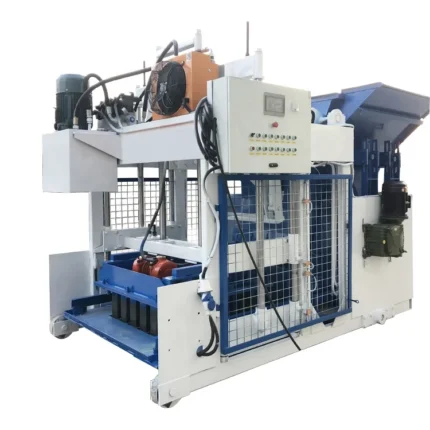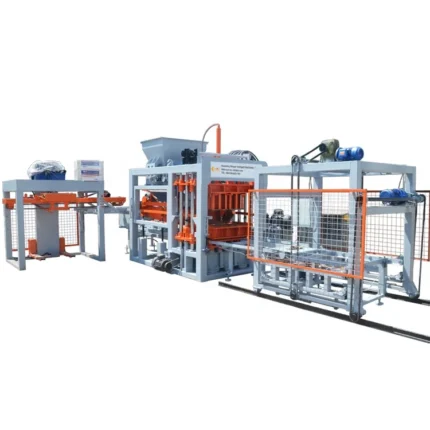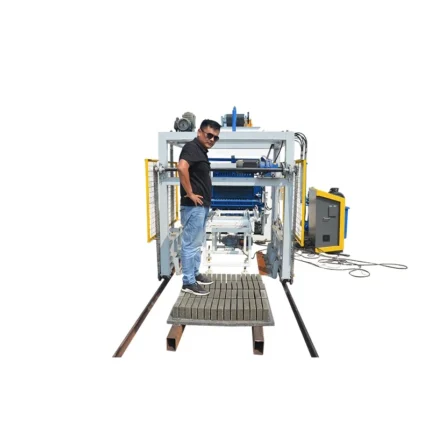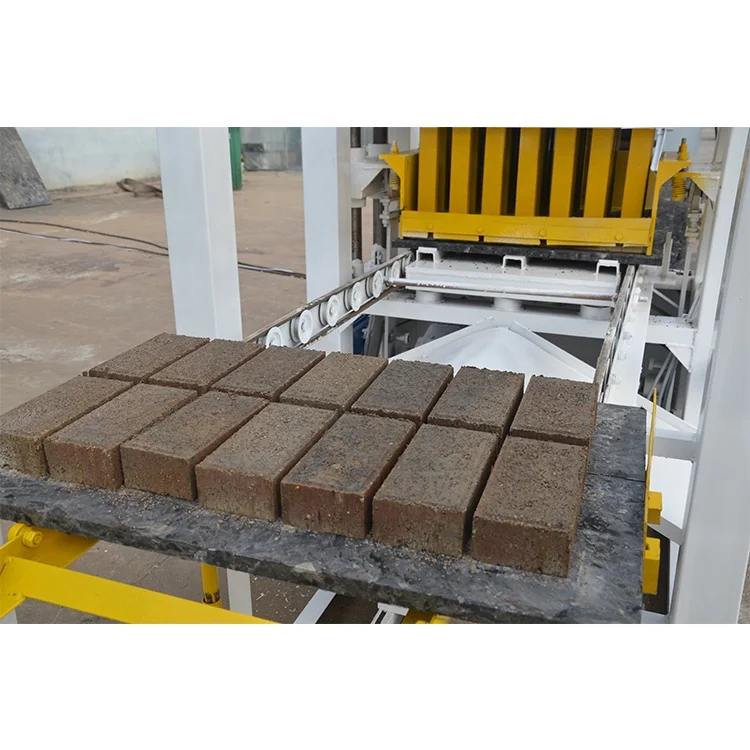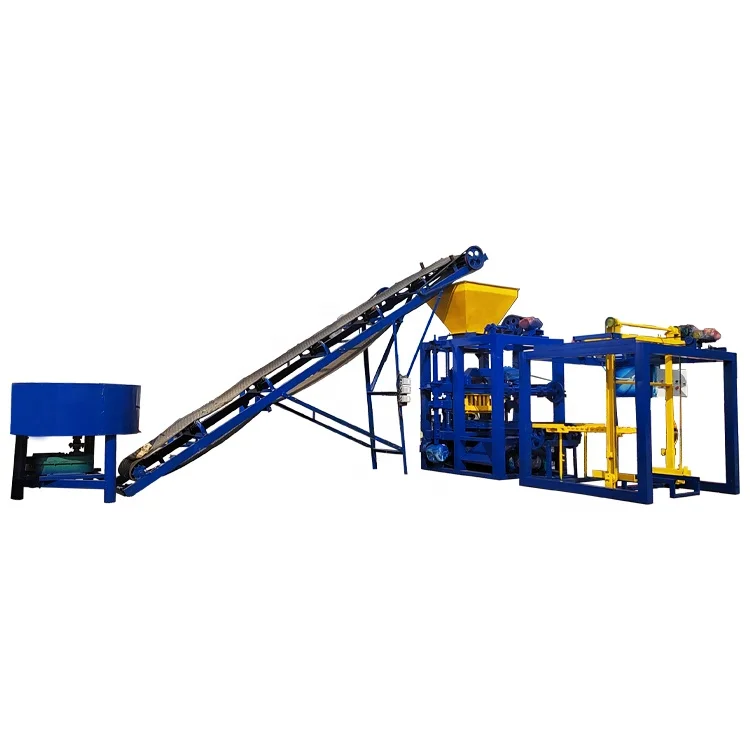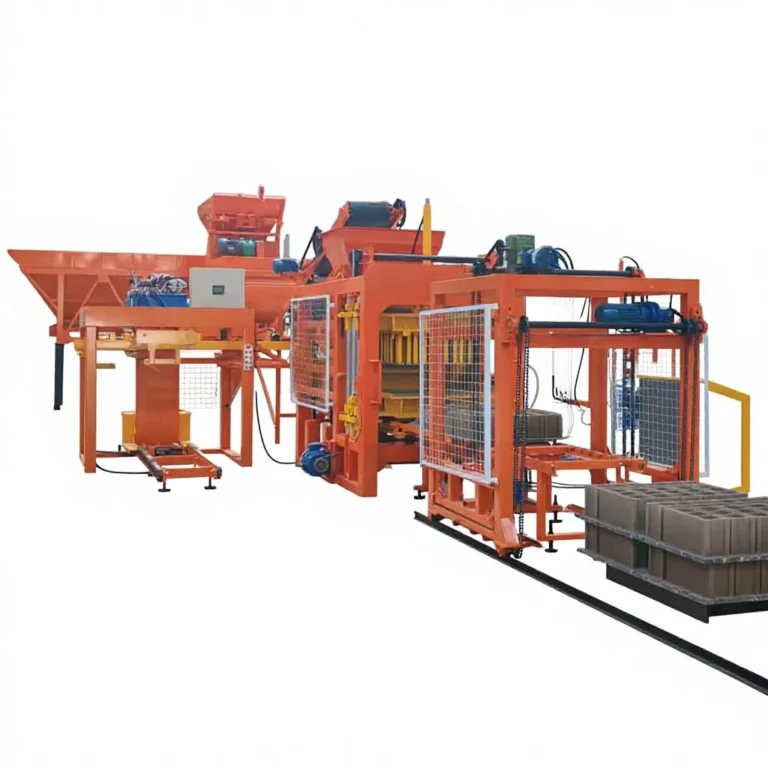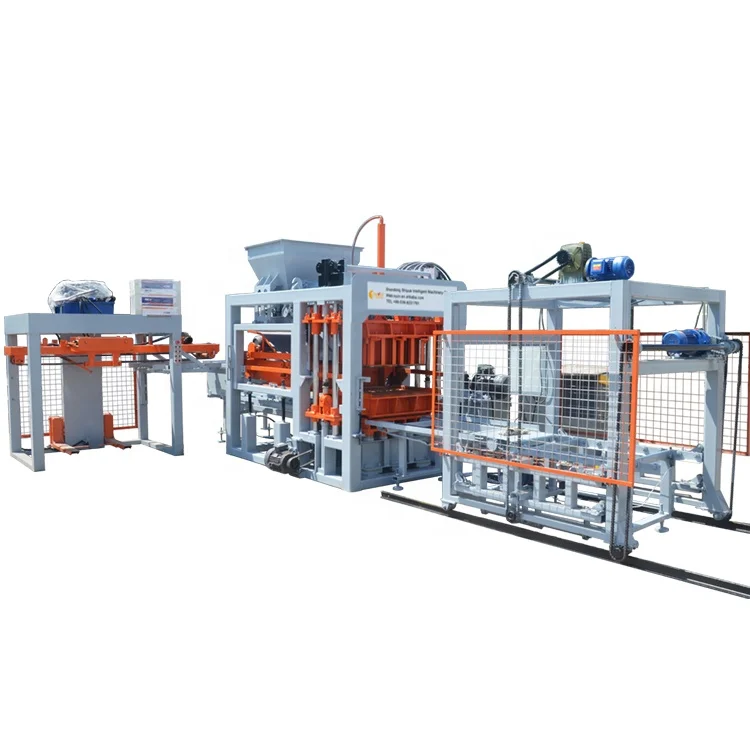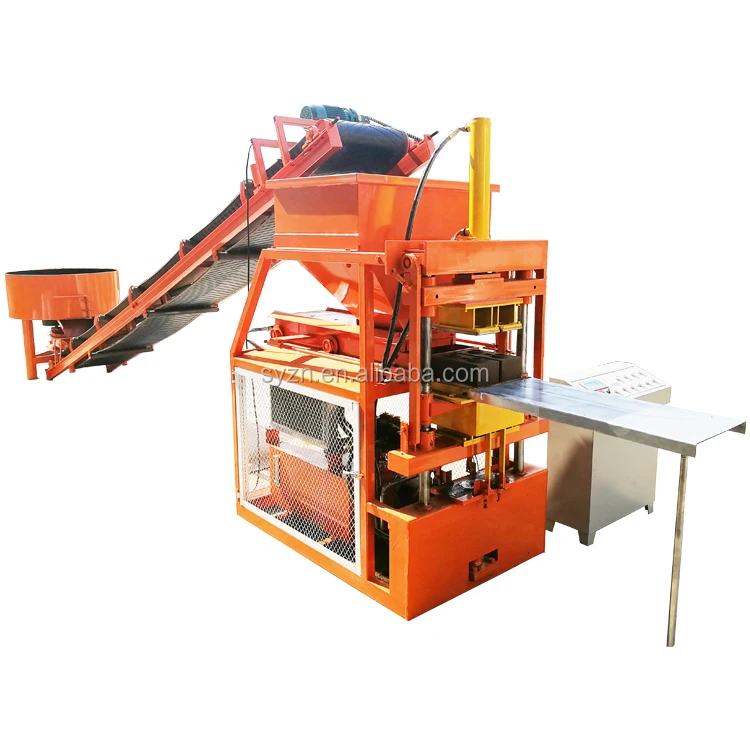
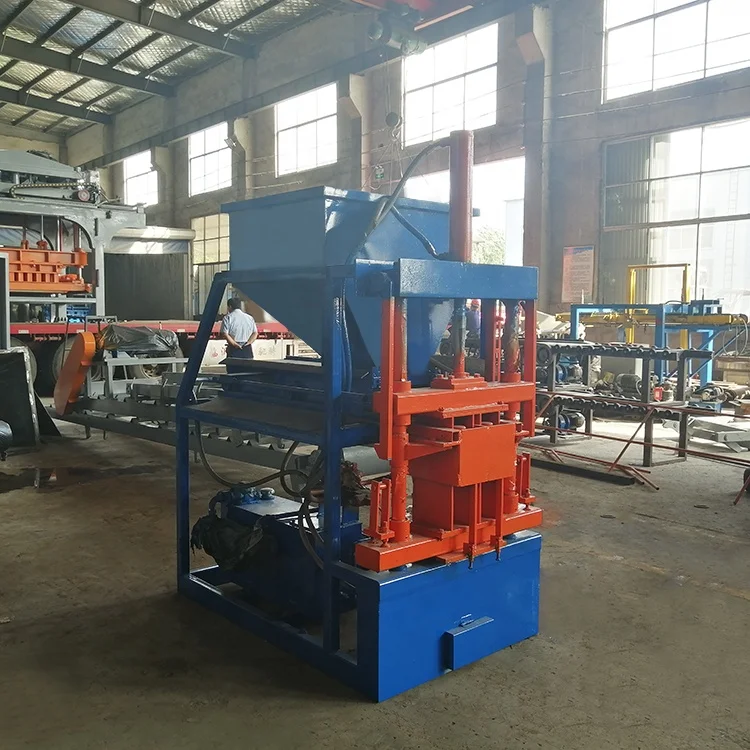

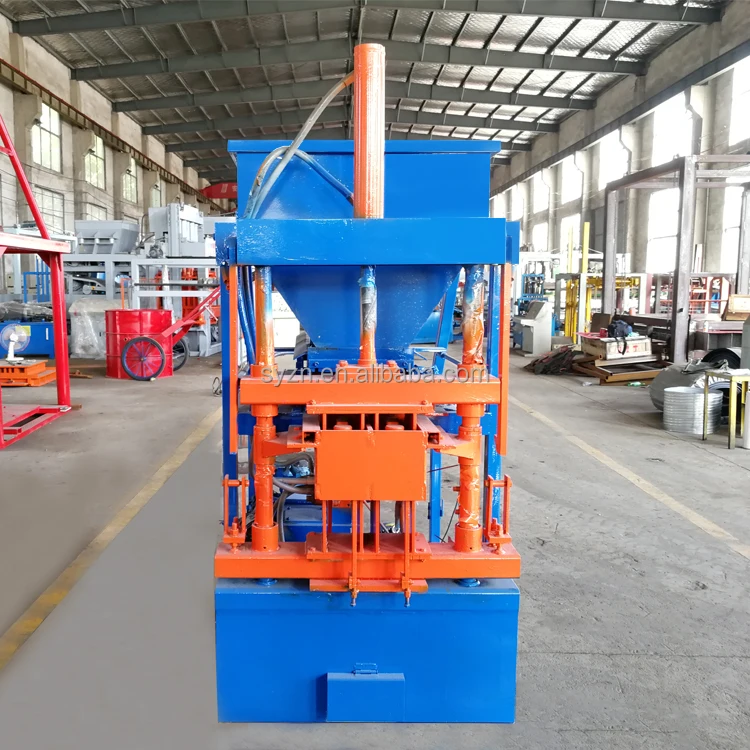
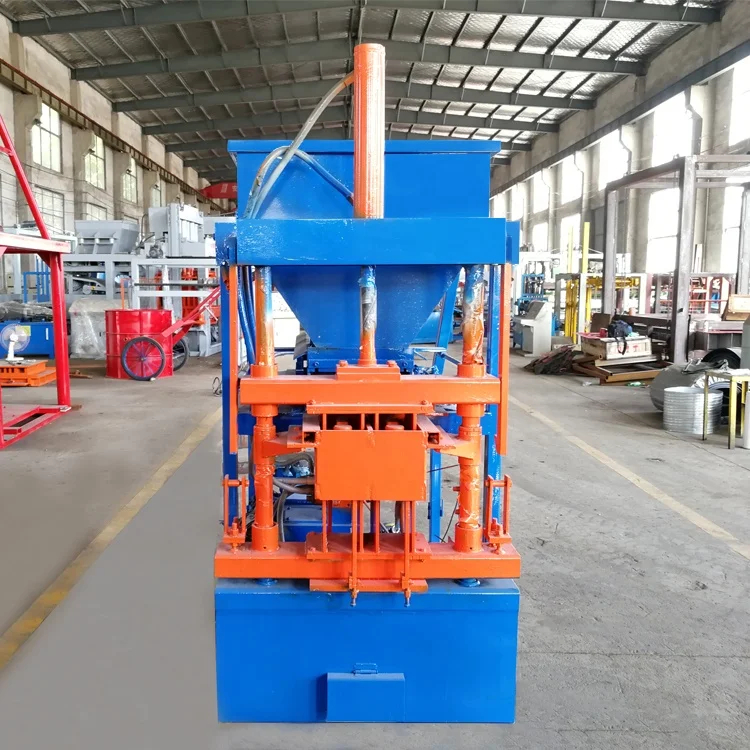
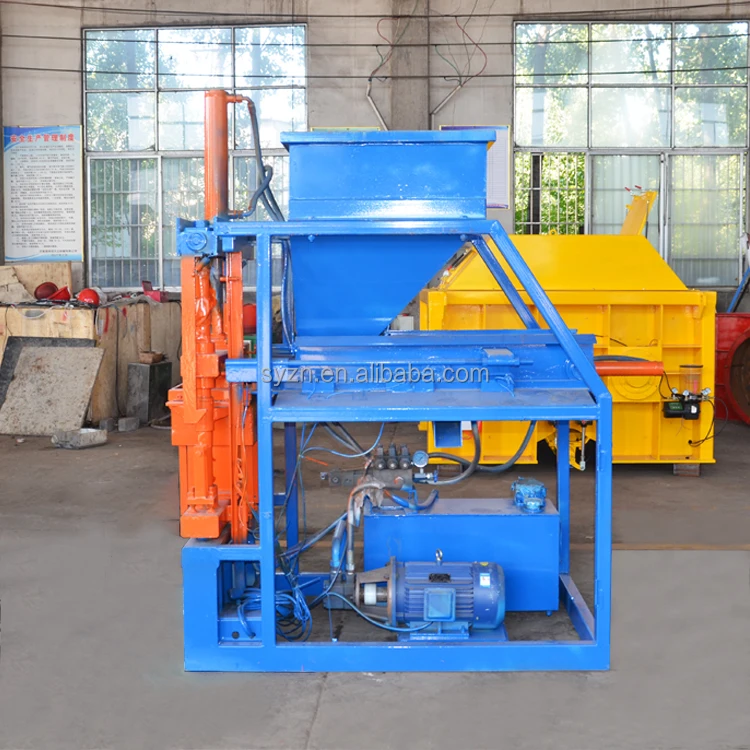
Description
Specified Control Logic — every LY2-10 configuration is matched to your local soil behavior and mix ratio before PLC parameters are written, eliminating guesswork at commissioning.
Technical Specifications
| Parameter | Value |
|---|---|
| Model | LY2-10 |
| Product Type | Clay Interlocking Brick Making Machine |
| Machine Power | 7.5 kW |
| Molding Cycle | 10 s |
| Output Capacity | 6000 pcs / 8 hours (basis not stated in source — confirm block format, material, and thickness before quotation) |
| Raw Material Compatibility | Clay, soil, earth, mud, concrete, cement, fly ash |
| Overall Dimensions (L × W × H) | 1300 × 1800 × 2400 mm |
| Automation Level | Semi-automatic |
| Bricks per Mould | 1 pc or 2 pcs depending on selected mould size |
| Listed Mould Formats | 300 × 150 × 100 mm, 250 × 125 × 75 mm, 230 × 220 × 115 mm |
| Control System | Configurable PLC or relay logic (voltage, frequency, and display language to be confirmed before production) |
| CE Declaration | Available where applicable to destination market |
Application Suitability
| Application | Material or Output |
|---|---|
| Interlocking wall construction | Stabilized clay or soil with cement binder |
| Rural housing projects | Locally sourced earth and mud with fly ash |
| On-site block production for contractors | Compressed soil blocks using available subsoil |
| Small to medium brick plants | Clay and cement mixes in semi-automatic layout |
| Paving or kerb production (with optional mould) | Concrete and crushed aggregate blends |
What "Semi-Automatic" Actually Means for the automatic LY2-10 clay brick machine
Automation is a dial, not a switch — set it where your workforce and budget meet.
I have watched plant owners pay for full PLC stacking systems they never used because their curing yard was too small for the output rate. Others bought bare manual presses and spent the margin on extra labour that introduced inconsistency batch after batch. The LY2-10 sits in the middle on purpose. The press itself is motor-driven with a fixed 10-second moulding cycle, but pallet feeding, stacking, and raw material batching are selectable modules. This means you can commission the automatic LY2-10 clay brick machine with the exact degree of automation your site conditions justify, then add pallet handling or cubing later without replacing the press [NEED_CITE: upgrade paths on semi-automatic block presses].
How PLC Control Changes the Operator’s Day
On a fully manual clay press, the operator decides when to feed, when to cycle, and when to release. Every decision introduces variation. With PLC-controlled interlocking block machine logic, the cycle timing, vibration duration, and demoulding delay are written into the program. The operator loads material and retrieves bricks. Batch-to-batch density stays consistent because the machine does not get tired or distracted.
Where Remote Diagnostics Fit a Rural Clay Site
Many interlocking brick plants operate far from service technicians. A PLC-controlled interlocking block machine can log fault codes and cycle counts that a local electrician can read, or that can be shared with our support team for remote troubleshooting. This removes the dependency on a specialist being physically present for every minor stoppage [NEED_CITE: remote diagnostics adoption in distributed block plants].
Reading the Specs That Actually Matter
The 7.5 kW motor rating tells you the press can compress stabilized clay without stalling mid-cycle, but it does not tell you what clay moisture content will stick to the mould. The 10-second cycle time is achievable with a well-graded soil mix at correct moisture — high-clay soils with excess water will require longer demoulding delays written into the PLC, which extends the real cycle. The three listed mould formats cover most interlocking wall systems, but switching between them involves loosening bolts and realigning the feed shoe; if your production plan requires daily format changes, confirm the mould change procedure and expected time before ordering. Machine dimensions of 1300 × 1800 × 2400 mm mean the press fits inside a standard shipping container and can be positioned in a compact workshop, but you still need clearance above for mould removal and crane access.
The Cost of Skipping the Soil Sample
I have seen machines arrive on site and produce perfect bricks for the first hour, then gradually slow as the local clay absorbs moisture differently from the test sample. Without that soil sample tested before shipment, the PLC vibration curve and demoulding delay are guesses. The result is stuck moulds, cracked bricks, and a production rate that falls well short of the quoted figure [NEED_CITE: impact of untested raw materials on block machine output consistency].
Why Procurement Through This Channel Works for Control Systems
Block machinery is the single focus here, so the PLC program is written against your confirmed soil sample and target brick format, not a generic template. The mould is designed for the interlocking profile your market actually builds, including custom drawings when standard formats do not match. Voltage, frequency, and PLC display language are confirmed before production starts, which prevents the common delay where a machine arrives with a control panel the local electrician cannot read. Automation level is selectable at order, so the same press can start semi-automatic and accept pallet feeders or stackers as your volume grows. Factory testing uses your material profile where possible, and the test record ships with the machine.
Documentation & Verification
- Line layout showing the LY2-10 position relative to mixer, pallet store, and curing area
- PLC program printout with cycle times stated per selected interlocking brick format
- Mould drawing and format list confirming the exact profile dimensions you ordered
- Voltage, frequency, and control language confirmation sheet signed before production
- Hydraulic and electrical schematic for local maintenance teams
- Factory test record using your soil or clay sample where available
Installation, Commissioning & Support
- Foundation must be level concrete capable of supporting the 1300 × 1800 mm footprint under vibration load
- Dedicated 7.5 kW circuit with correct voltage and frequency as confirmed on the control language sheet
- Machine ships partially assembled; press frame, mould, and control panel require on-site connection
- Commissioning includes PLC parameter adjustment to match your local clay moisture and cement ratio
- Operator training covers mould change procedure, daily lubrication points, and fault code reading
- Wear parts list included with first-order spare recommendations for mould liners and hydraulic seals
Before You Request a Quote
We need to know the clay or soil type you plan to use, including moisture range if you have tested it. Tell us which interlocking brick format your market demands and your target daily output so we can confirm the cycle calculation. Specify your site voltage, frequency, and the language your operators read on a screen.
Frequently Asked Questions
Q: How is the 6,000 pcs/8hours capacity calculated for the LY2-10?
A: That figure appears in source documentation without a stated block format, material mix, or thickness. Real output depends on the specific interlocking mould selected, the soil-cement ratio, and the PLC cycle parameters tuned to your material. Request a capacity calculation sheet that names the exact brick format before committing to a production target.
Q: What automation upgrades are available from the semi-automatic base?
A: The LY2-10 can be configured with automatic pallet feeding, stacking, and batching modules added at order or retrofitted later. The PLC-controlled interlocking block machine framework supports these additions without replacing the press. Specify which modules you need based on your curing area capacity and available labour.
Q: How do I confirm voltage, frequency, and control language before shipment?
A: These parameters are confirmed in writing before production begins. Provide your local grid specifications and the preferred PLC display language during inquiry. The confirmation sheet becomes part of the documentation package and prevents commissioning delays caused by mismatched electrical standards or unreadable control menus.
Q: What is the mould change procedure when switching brick formats?
A: Changing between the listed interlocking formats involves removing the current mould assembly and installing the replacement, then realigning the feed shoe and adjusting PLC parameters for the new cavity depth. Confirm the expected change time and required tools during quotation so you can plan format switches without losing a full shift.
Q: Which raw materials are compatible and how does batching adapt locally?
A: The LY2-10 handles clay, soil, earth, mud, concrete, cement, and fly ash. Automated batching modules adjust ratios to match your local mix design when included in the configuration. Submit a soil sample before shipment so the PLC vibration curve and demoulding delay are calibrated to your actual material behavior rather than a generic default.