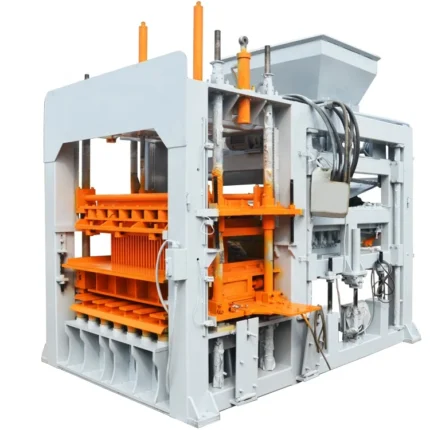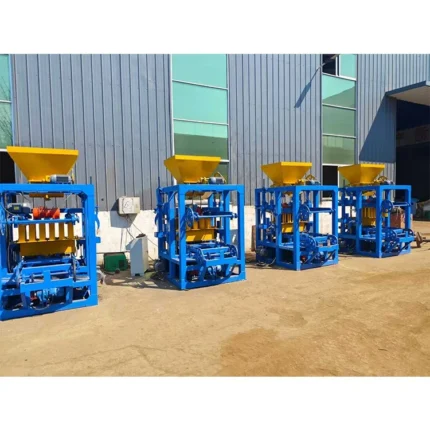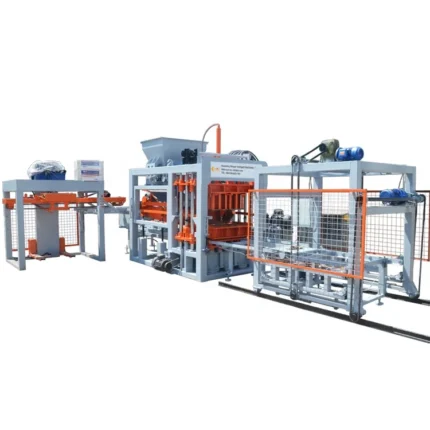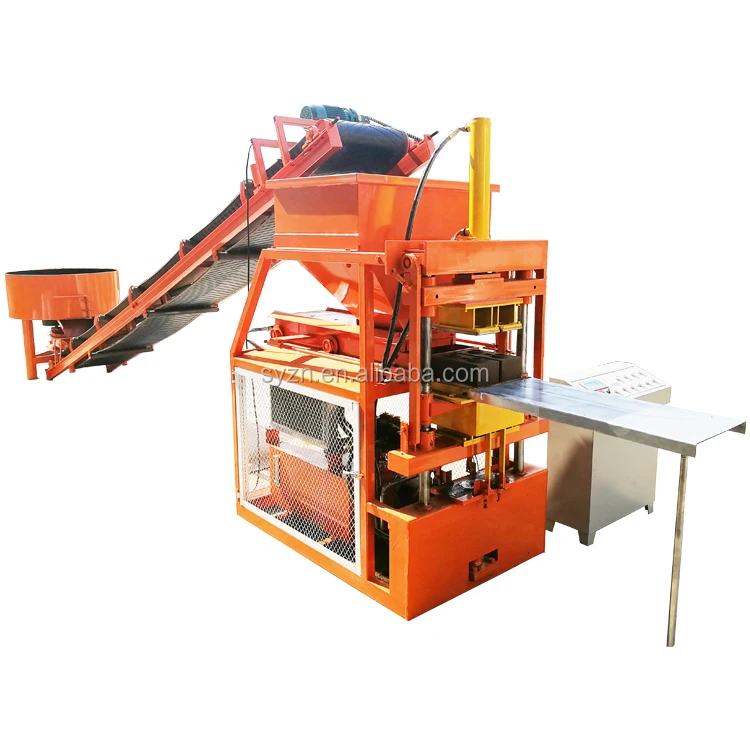
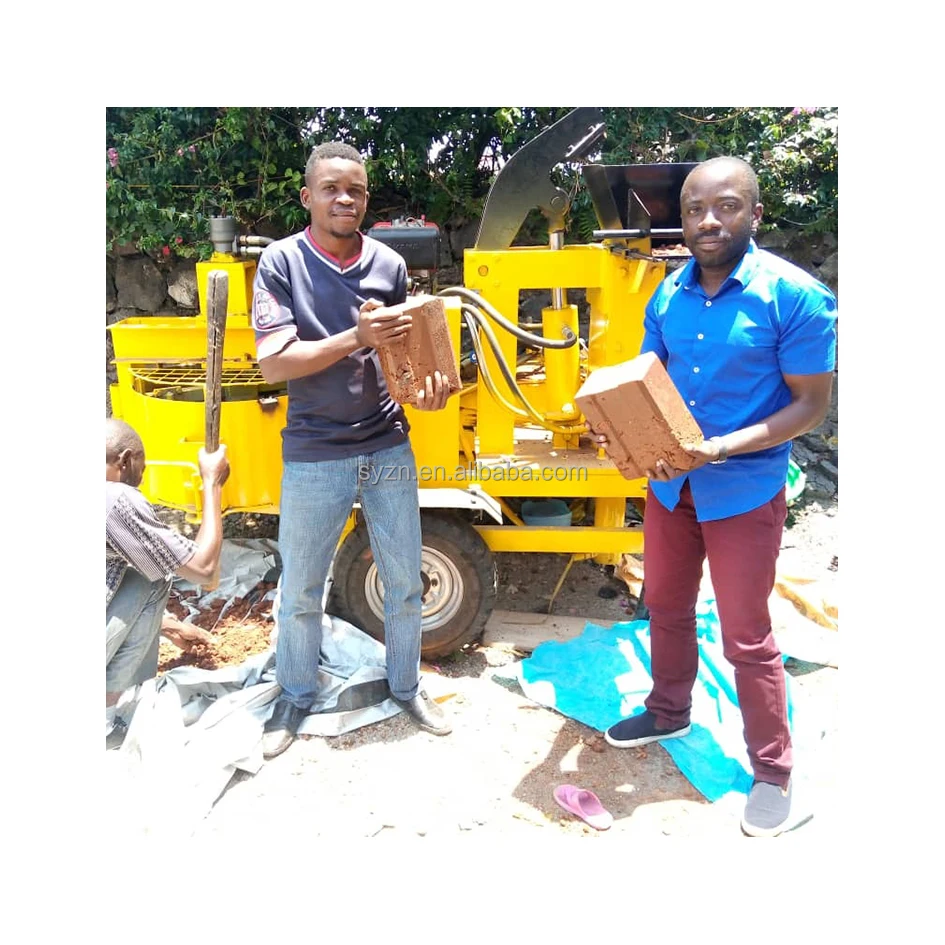
Description
System-level automation readiness — the M7MI ships with a diesel-driven hydraulic core that is pre-wired for future PLC integration, so your control upgrade happens without replacing the press.
Technical Specifications
| Parameter | Value |
|---|---|
| Model | M7MI |
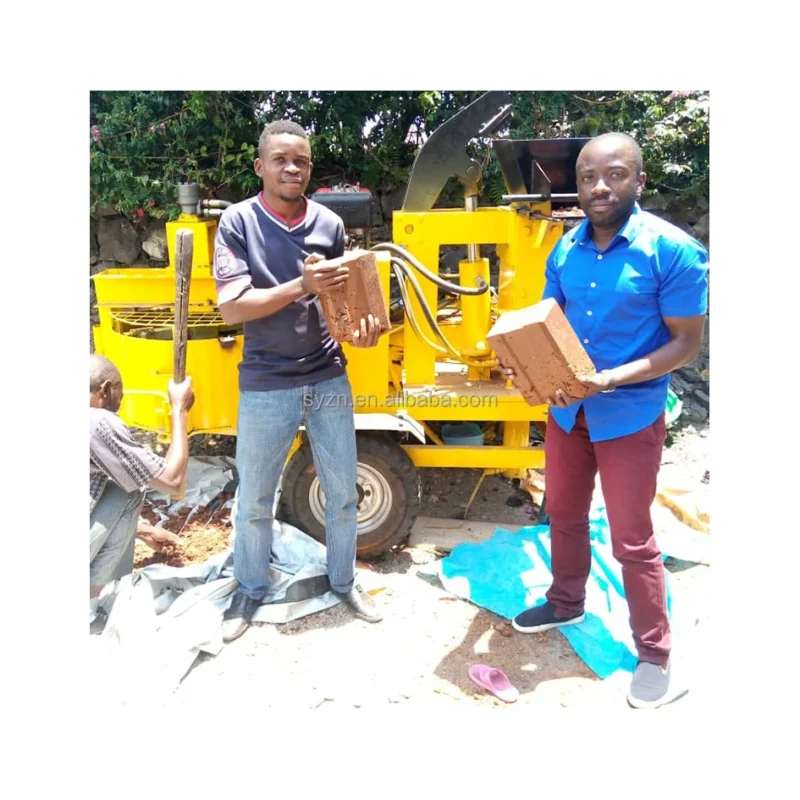
| Product Type | Hydraulic Clay Interlocking Block Making Machine |
| Hydraulic Pressure | 16 MPa |
| Molding Cycle | 15–20 s |
| Output Capacity | 1600 pcs/8hr based on 300×150×100mm interlocking block, 1 pc/mould, 20s cycle |
| Raw Materials | Clay, soil, concrete |
| Power Source | Diesel Engine |
| Automation Level | Manual / semi-automatic (PLC-ready upgrade path) |
| Overall Dimensions (L×W×H) | 3200×1100×1500 mm |
| Total Mass | 1100 kg |
Application Suitability
| Application | Material or Output |
|---|---|
| On-site housing projects | Interlocking blocks from local clay and soil |
| Remote construction camps | Diesel-powered production without grid electricity |
| Small block plants adding formats | Concrete interlocking pavers and wall blocks |
| Development contractors | Mobile block production moved between job sites |
What "2200 Pieces per Day" Leaves Out About Control Language
A capacity number without a block format and control-language confirmation is just a brochure line.
I once spent three hours on a remote call watching an operator stare at a PLC screen in a language he could not read. The machine ran fine mechanically, but the control interface had shipped in a default setting nobody had confirmed. Commissioning stalled while we loaded the correct language pack. For an automatic hydraulic clay interlocking block making machine, the operator who presses the buttons must understand what the screen says — and that confirmation belongs in the pre-production checklist, not the arrival-day scramble [NEED_CITE:].
From Manual Lever to Automated Sequence
The M7MI starts as a manual or semi-automatic press where the operator handles material feeding and block extraction. Its diesel engine removes grid dependency entirely, which matters when your site has no stable electrical supply. The automation angle here is not about what the machine does today — it is about what the hydraulic platform can accept tomorrow. When you are ready to add automated pallet feeding or stacking, the hydraulic circuit and frame geometry are already configured to receive those modules without a structural rebuild.
Planning the Control Upgrade Path
Moving from manual operation to PLC-controlled batching and pallet handling involves more than bolting on sensors. The control panel needs to match your site voltage and frequency for any future electrically driven peripherals, and the display language must match your operators. We document these requirements before production starts so the automatic hydraulic clay interlocking block making machine arrives with a clear migration path. Waiting until the machine is on-site to sort out control integration is how commissioning turns into a multi-week delay [NEED_CITE: voltage and frequency standards by export market].
Reading the Numbers That Matter
Hydraulic pressure at 16 MPa determines how tightly the clay or concrete mix compresses inside the mould cavity. Higher pressure produces denser blocks with greater compressive strength, but only if the mix design and moisture content are matched to that force — too dry and the block cracks on ejection, too wet and it slumps before curing. The 15–20 second molding cycle governs your actual throughput per format, and the 1600-piece figure assumes a specific 300×150×100mm interlocking block at a 20-second cycle. Change the mould to a larger format or a different thickness, and the cycle time shifts, which changes your realistic daily count.
The Cost of Skipping Control Confirmation
When voltage and control language are left unconfirmed before shipment, the machine arrives and sits idle while transformers are sourced or software is reloaded. In remote locations where the M7MI typically operates, finding a local technician who can reflash a PLC display is unlikely. The diesel engine keeps the press running, but any future automation add-ons — batching sensors, pallet feeders, stackers — all depend on electrical specifications being correct from day one [NEED_CITE: CE machinery directive requirements for industrial equipment].
Why This Source Supports Your Automation Plan
Block machinery is the single focus here, so the M7MI is specified as a matched system of press, mould, pallet and handling rather than assembled from unrelated suppliers. The configuration is set against your actual mix design and local aggregate, not a catalogue default. Mould design covers the interlocking formats your market sells, including custom drawings. The automation level is selectable — you can start manual and upgrade pallet handling and stacking as volume grows. Installation includes operator training, and wear parts availability is confirmed before the machine ships.
Documentation & Verification
- Capacity calculation sheet stating block format, mould size and cycle time assumed
- Hydraulic and electrical schematic showing future automation connection points
- Voltage, frequency and control display language confirmation record
- Factory test record on your specified interlocking block format before dispatch
- Wear parts and mould list with lead times for first replacement order
Installation, Commissioning & Support
- Level compacted ground required; 3200×1100 mm footprint with clearance for material feed and block extraction
- Diesel engine eliminates electrical supply requirement for base press operation
- Machine ships assembled; hydraulic lines and mould are fitted and tested before loading
- On-site commissioning covers hydraulic pressure verification at 16 MPa and cycle timing
- Operator training includes mould change procedure and daily maintenance checkpoints
- Wear parts list provided with recommended first-order quantities for seals and hydraulic hoses
What to Include in Your Inquiry
Tell us which interlocking block format your market demands and what daily output you need to hit. Confirm the raw material available locally — clay, soil or concrete — and whether your site has any electrical supply for future automation peripherals. Specify the control display language your operators read and the voltage and frequency standard in your region.
Frequently Asked Questions
Q: How is daily output verified per interlocking block format?
A: The capacity figure is calculated using a specific mould size, block dimension and cycle time. For the M7MI, the reference output of 1600 pieces per eight-hour shift is based on a 300×150×100mm interlocking block at a 20-second cycle. When you confirm your target format, we provide a revised calculation showing the realistic daily count for that exact mould and cycle duration.
Q: What automation upgrades are available from the base M7MI?
A: The hydraulic platform is designed to accept automated pallet feeding, stacking and PLC-controlled batching modules as your production volume grows. Each upgrade is specified against your existing frame and hydraulic circuit so integration does not require replacing the press. We confirm the electrical and control requirements for these additions before the machine ships.
Q: How do you confirm control language before the machine ships?
A: During the pre-production confirmation stage, we document the display language your operators read and the voltage standard at your site. This record is signed off before manufacturing begins, ensuring the control panel — and any future PLC modules — arrive configured for your team.
Q: What mix testing is done to match hydraulic pressure to my material?
A: We review your local clay, soil or concrete mix composition and moisture range against the 16 MPa hydraulic rating. The mould design and compression parameters are then adjusted so block density and ejection quality match your specific raw material, rather than relying on a default setting.
Q: How long does a mould change take on the M7MI?
A: The mould change procedure involves releasing the hydraulic clamps, lifting out the current mould and seating the replacement. On the M7MI this is completed within a single shift segment, allowing you to produce multiple interlocking block formats on one machine across a working day without significant downtime.