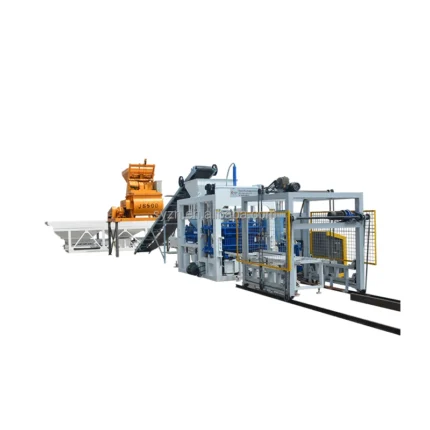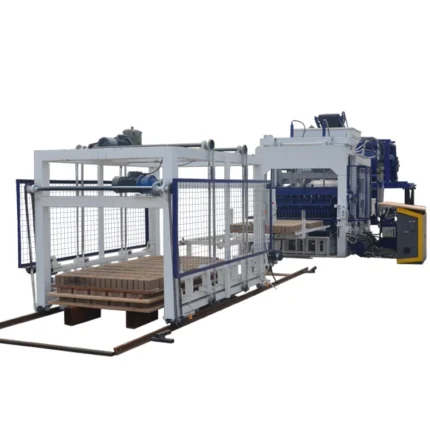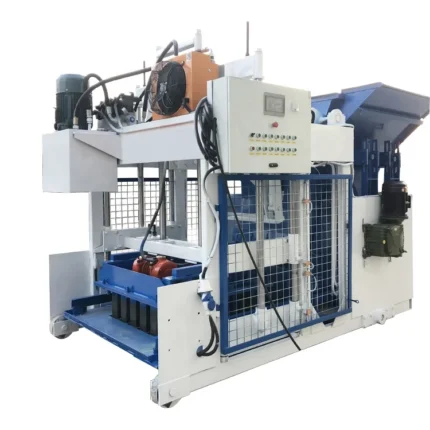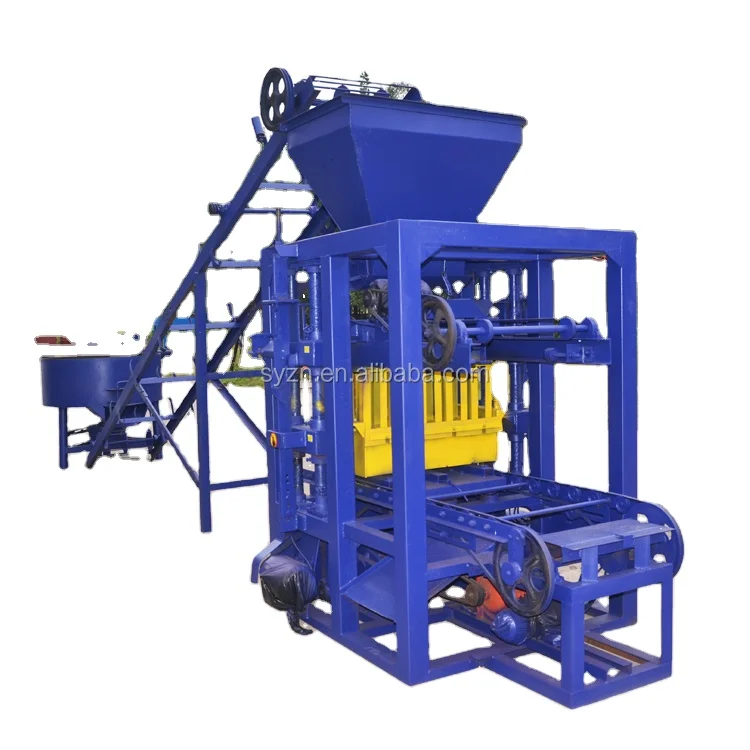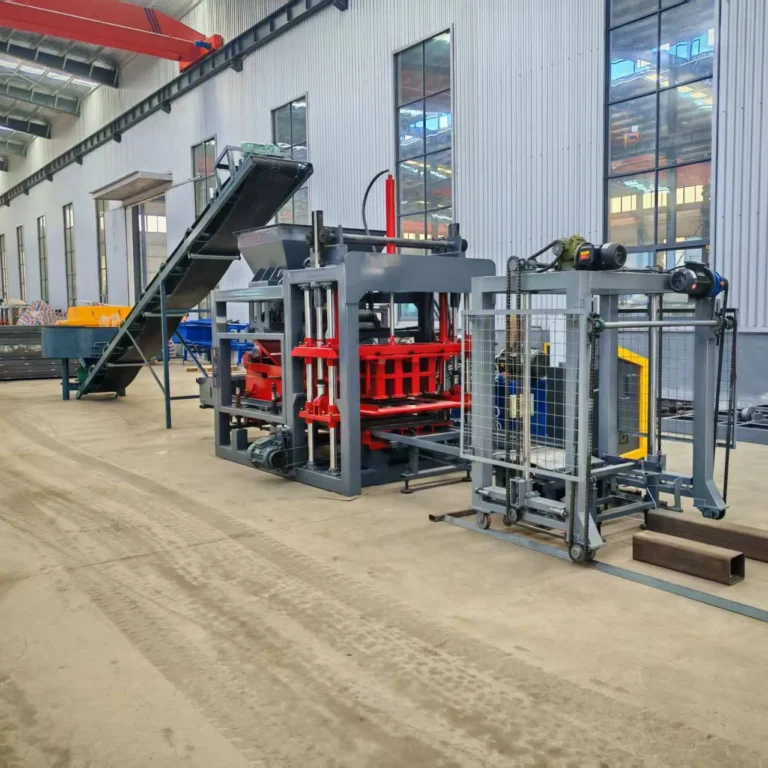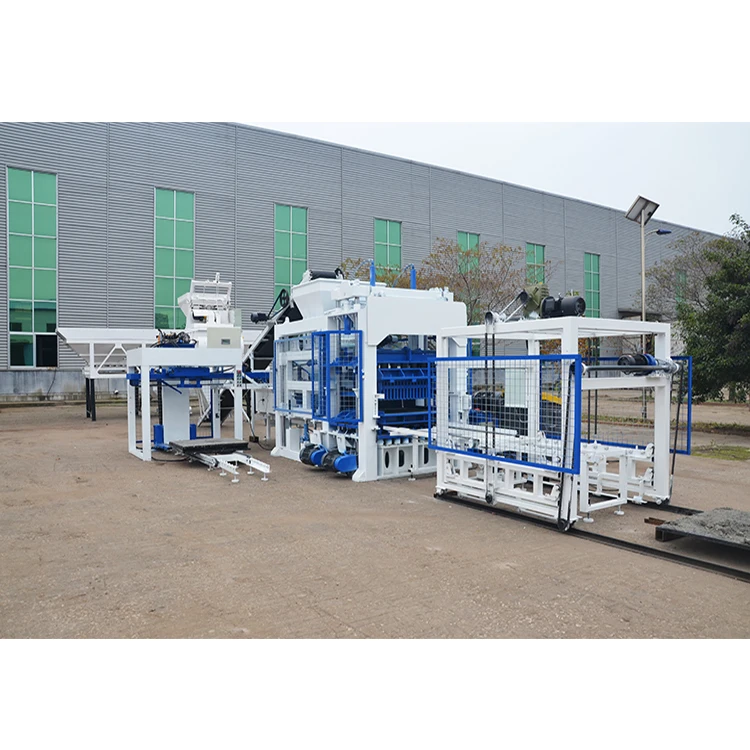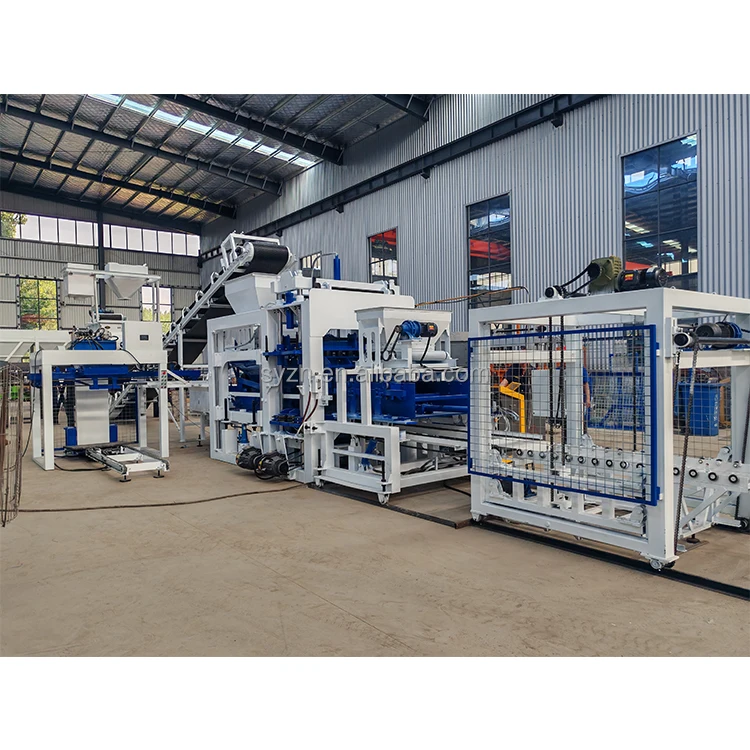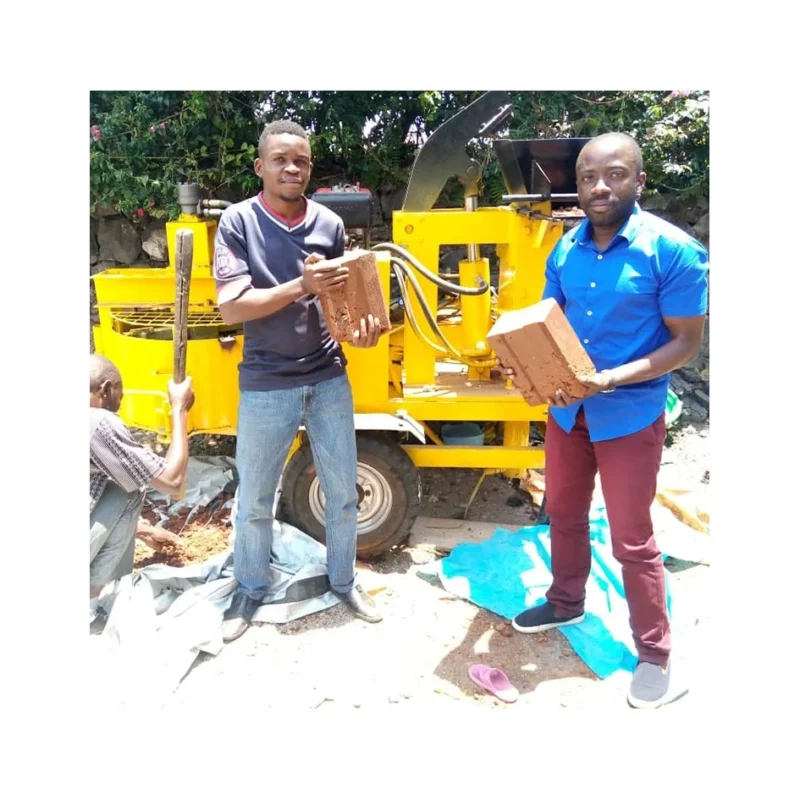
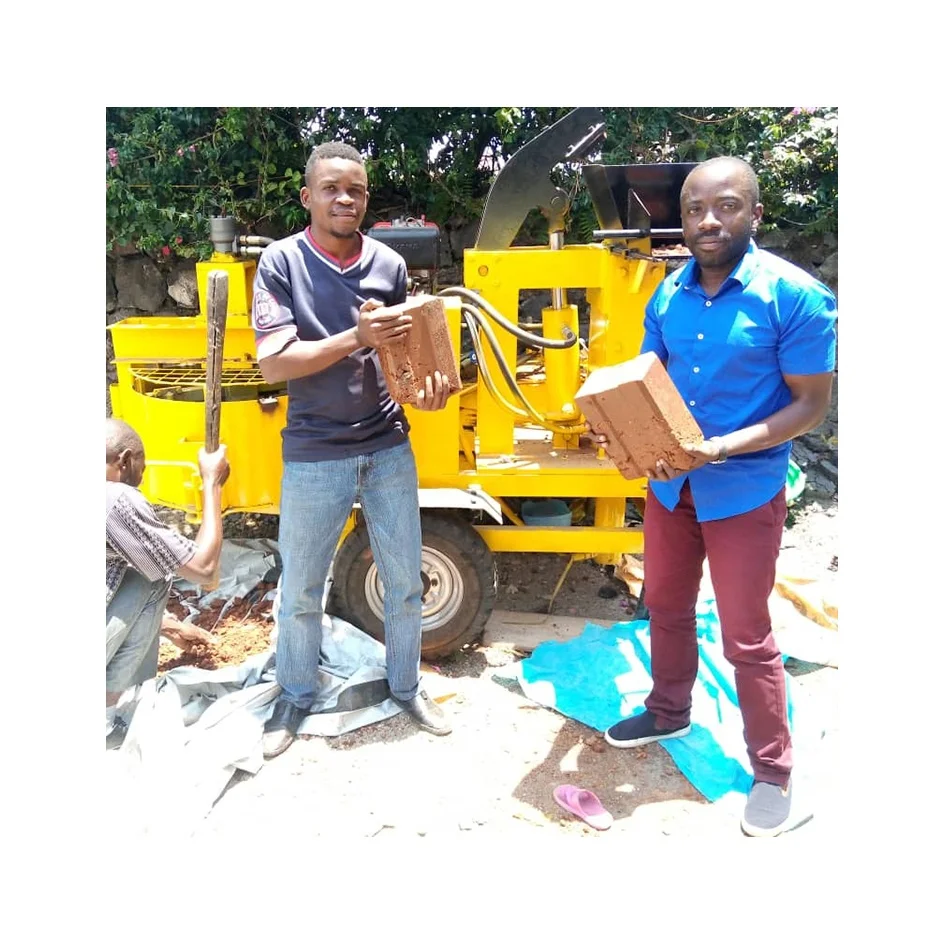
Description
Mould-System Match — every M7MI configuration starts from the buyer’s interlocking block drawing and local clay sample, not a catalogue default.
Technical Specifications
| Parameter | Value |
|---|---|
| Model | M7MI |
| Product Type | Hydraulic Interlocking Clay Block Machine |
| Engine | Diesel Engine |
| Hydraulic Pressure | 16 MPa |
| Molding Cycle | 15–20 s |
| Overall Dimensions (L×W×H) | 3200 × 1100 × 1500 mm |
| Net Weight | 1100 kg |
| Capacity per Format | 1 pc/mould, 20 s cycle, 200 pcs/h, 1600 pcs/8hr (300×150×100 mm interlocking block) |
| Daily Output Reference | 2200 pcs/day (basis not stated in source — confirm block format / material / thickness) |
| Raw Materials | Clay, soil, concrete |
| Mould Change | Interchangeable moulds for different interlocking block formats |
| Automation Level | Manual / semi-automatic, PLC-ready upgrade path |
| Power Source | Diesel (suitable for sites without grid electricity) |
| Voltage & Frequency | N/A (diesel-powered) |
Application Suitability
| Application | Material or Output |
|---|---|
| On-site interlocking block production for housing projects | Local clay or stabilised soil |
| Off-grid rural building sites with no reliable electricity | Diesel-powered operation, no grid dependency |
| Entrepreneurs commissioning a first interlocking earth block plant | Clay, soil, or concrete mixes |
| Concrete product manufacturers adding interlocking formats to an existing range | Concrete with local aggregate |
| Development contractors producing blocks locally to cut transport cost | Stabilised soil or clay on project site |
What "1600 Blocks per Day" Actually Means for Your Site
Every capacity figure on this page is tied to a specific interlocking block format, cycle time, and material — so you know the real daily output before the machine ships.
Capacity claims in the block machinery trade are often quoted as a single headline number with no mention of the block size, wall thickness, or curing method behind it. When the automatic hydraulic interlocking clay block machine arrives and the buyer starts running a different format, actual output can fall noticeably short of expectation. I have watched project schedules slip by weeks because the daily target was calculated on a 300×150×100 mm block, but the site needed a thicker wall format that pushes the cycle time well beyond 20 seconds [NEED_CITE: capacity calculation methods for interlocking block production]. The M7MI capacity is therefore stated per format: 1 piece per mould at a 20-second cycle yields 200 pieces per hour and 1600 pieces over an 8-hour shift for the 300×150×100 mm interlocking block.
Automation as a Growth Path, Not a Fixed Decision
The M7MI ships in manual or semi-automatic configuration, with the hydraulic circuit and frame designed to accept automatic pallet feeding and stacking modules later. Buyers working on a remote housing project can start with manual pallet handling and add automation as production volume grows. This upgrade path means the same automatic hydraulic interlocking clay block machine serves a first-time entrepreneur and an established concrete products plant at different stages of their investment cycle.
PLC Readiness for Diesel-Powered Sites
Diesel configuration removes dependency on grid electricity, which matters on rural development sites across East and Southern Africa where power supply is unreliable. When grid connection becomes available, the control architecture allows a transition to PLC-managed batching, mould cycle sequencing, and automatic stacking. The PLC-ready upgrade path keeps the machine relevant as site infrastructure improves [NEED_CITE: PLC retrofit options for diesel block machines].
Reading the Numbers That Matter
Hydraulic pressure at 16 MPa determines how densely the clay or stabilised soil is compressed inside the mould cavity. Higher pressure produces a block with greater compressive strength, but only if the vibration force and the mix design are matched to that pressure level. The 15–20 second molding cycle reflects the dwell time needed for the hydraulic ram to reach full pressure and hold it while the interlocking features form. Net weight of 1100 kg and overall dimensions of 3200 × 1100 × 1500 mm mean the machine can be transported on a single flat-rack container and positioned on a prepared concrete slab without heavy foundation work. The interchangeable mould system lets one press produce multiple interlocking block formats, reducing the capital outlay for plants that serve markets with varied building codes.
The Hidden Cost of Skipping a Soil Sample
Running a factory test with standard red soil and then shipping the machine to a site with high-sand clay is one of the most common reasons commissioning stalls. The mould pressure and vibration parameters that work on one soil type can produce cracked or crumbled blocks on another, forcing on-site recalibration that delays the project by days or weeks. Every M7MI order now requires a soil sample from the buyer’s actual source before the factory test, so the 16 MPa hydraulic pressure and cycle settings are validated against the material the machine will actually run [NEED_CITE: soil variability effects on interlocking block strength].
Why Buyers Specify Here
Block machinery is the single focus of the production line, so the M7MI press, moulds, pallets, and handling equipment are specified as one matched system rather than assembled from separate suppliers. Configuration is set against the buyer’s actual mix design, local aggregate, and target block format, not pulled from a catalogue default. Mould design covers the formats the buyer’s market sells, with custom drawings available when standard formats do not match local building codes. The automation level is selectable, letting a buyer start semi-automatic and upgrade to automatic pallet feeding and stacking when volume justifies the investment. Installation and commissioning support includes operator training so the crew can run the machine independently from the first week.
Documentation & Verification
- Line layout and capacity calculation stating the exact interlocking block format assumed for each output figure
- Mould drawing and format list supplied before production, matched to the buyer’s market requirements
- Hydraulic and electrical schematic showing circuit layout and valve positions
- Factory test record run on the buyer’s soil sample before dispatch
- Operation and maintenance manual with wear parts and mould replacement intervals
- CE declaration supplied where applicable per destination market
Installation, Commissioning & Support
- Prepared concrete slab required, sized to the 3200 × 1100 mm footprint with anchor bolt provisions
- Diesel engine eliminates electrical supply requirements; electric motor option available for grid-connected sites
- Machine ships partially assembled; hydraulic hoses and mould mounts connected on site
- First-run commissioning includes pressure and cycle calibration against the buyer’s clay or soil sample
- Operator training covers mould change procedure, daily greasing points, and hydraulic fluid level checks
- Wear parts list with recommended reorder intervals for hydraulic seals and mould liners
Before You Request a Quote
To size the M7MI correctly for your project, share the target interlocking block format and dimensions, the daily output you need to meet your construction schedule, and a soil or clay sample from your local source. If you are considering the PLC upgrade path, confirm the voltage and frequency that will be available on site, along with the preferred control display language.
Frequently Asked Questions
Q: How is daily capacity calculated and which interlocking block format is it based on?
A: Daily capacity is calculated per block format, not as a single headline number. For the 300×150×100 mm interlocking block, the M7MI produces 1 piece per mould at a 20-second cycle, delivering 200 pieces per hour and 1600 pieces over an 8-hour shift. If your project requires a different block size or wall thickness, the cycle time and daily output will change accordingly, and a revised capacity calculation is provided before order confirmation.
Q: Can the M7MI be upgraded from diesel to electric with PLC control and automatic pallet feeding?
A: Yes. The hydraulic circuit and frame are designed to accept an electric motor, PLC control panel, and automatic pallet feeding modules as your site infrastructure develops. The upgrade path is planned at the quotation stage so mounting points and hydraulic valve blocks are already in place, avoiding a full machine rebuild when you transition from diesel to grid power.
Q: What mould formats are available and how long does a mould change take on site?
A: Standard interlocking block formats are available, and custom moulds can be manufactured to the buyer’s drawings when local building codes require non-standard dimensions. The mould change procedure is completed with basic hand tools and is covered during operator training so format switches do not consume a full shift.
Q: How is hydraulic pressure matched to local clay or soil mix design?
A: The 16 MPa hydraulic pressure is calibrated during the factory test using a soil sample from the buyer’s actual source. If the local clay has high sand content or unusual plasticity, the pressure and cycle dwell time are adjusted before shipment so the blocks meet the required compressive strength without cracking during curing.
Q: What documentation ships with the machine?
A: Each M7MI ships with a factory test record run on the buyer’s soil sample, hydraulic and electrical schematics, an operation and maintenance manual, a wear parts list, mould drawings, and a CE declaration where applicable. Line layout and capacity calculation documents stating the assumed block format are provided at the quotation stage.