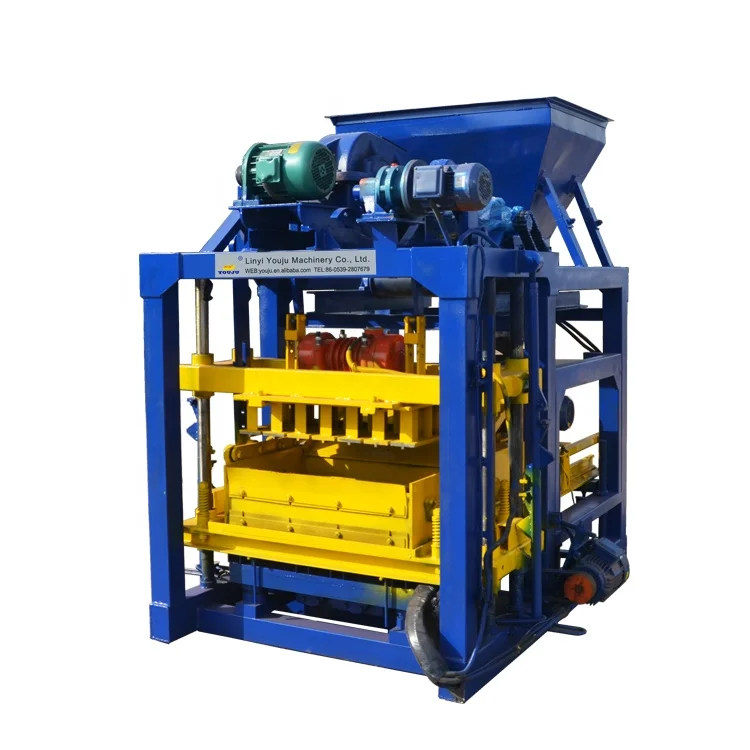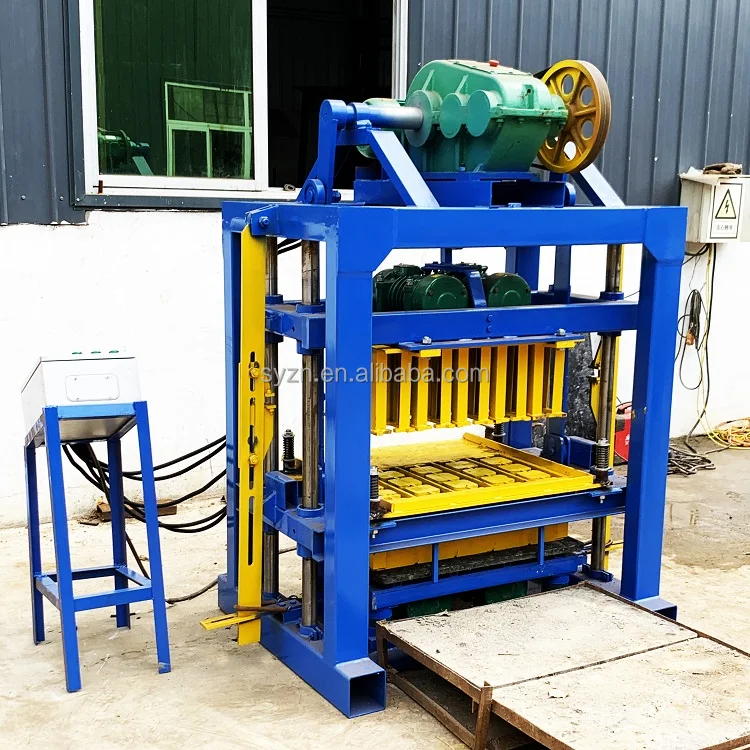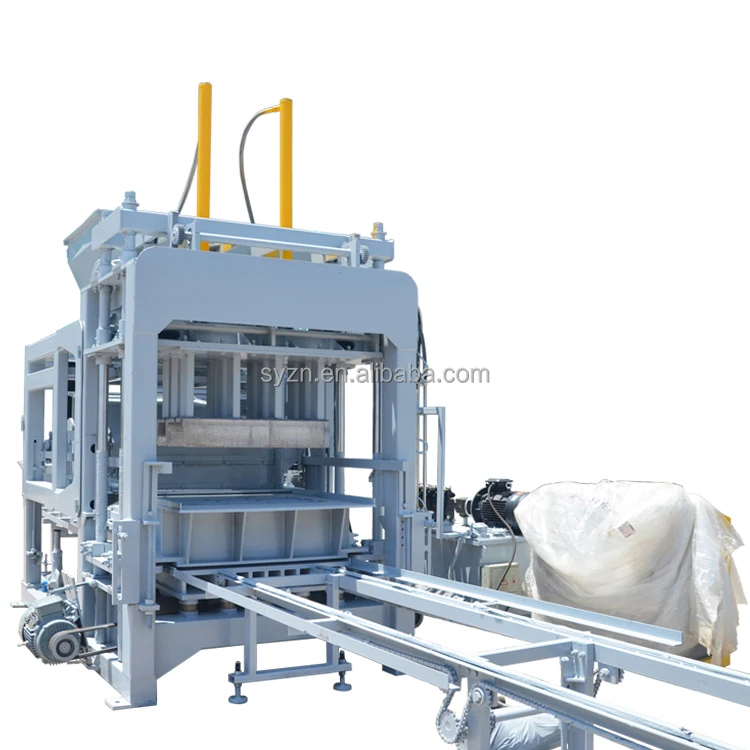
Description
Process Parameter Recall — The automatic QT7-15 block making machine PLC controlled system stores vibration frequency, pressure, and timing profiles per mould, so the operator only selects the format and the machine replicates the exact cycle every shift.
Technical Specifications
| Parameter | Value |
|---|---|
| Model | QT7-15 |
| Product Type | Stationary Block Making Machine |
| Pallet Size | 1150 × 700 mm |
| Molding Cycle | 15–20 s (basis not stated in source) |
| Overall Power | 45 kW |
| Vibration Force | 100 kN |
| Vibration Frequency | 0–60 Hz (adjustable) |
| Vibration Form | Platform Vibration |
| Total Mass | 8 T |
| Demolding Method | Hydraulic |
| Control System | PLC with touch screen interface |
| Remote Diagnostics | Supported |
| Automation Level | Automatic with intelligent process data input and storage |
| Electrical & Hydraulic Components | Imported |
| Output — Hollow Block 400×200×200 mm | 7 pcs/mould, 10080–13440 pcs/8hr |
| Output — Hollow Block 400×150×200 mm | 8 pcs/mould, 11520–15360 pcs/8hr |
| Output — Rectangular Paver 200×100×60 mm | 27 pcs/mould, 31104–38880 pcs/8hr (cycle 20–25 s) |
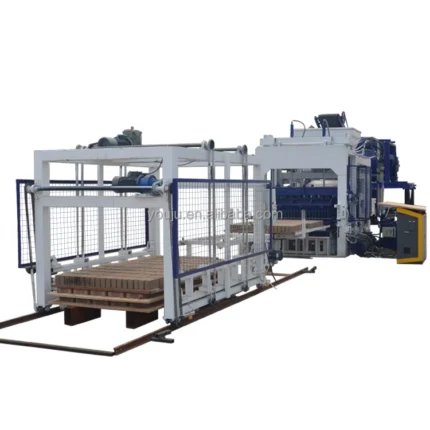
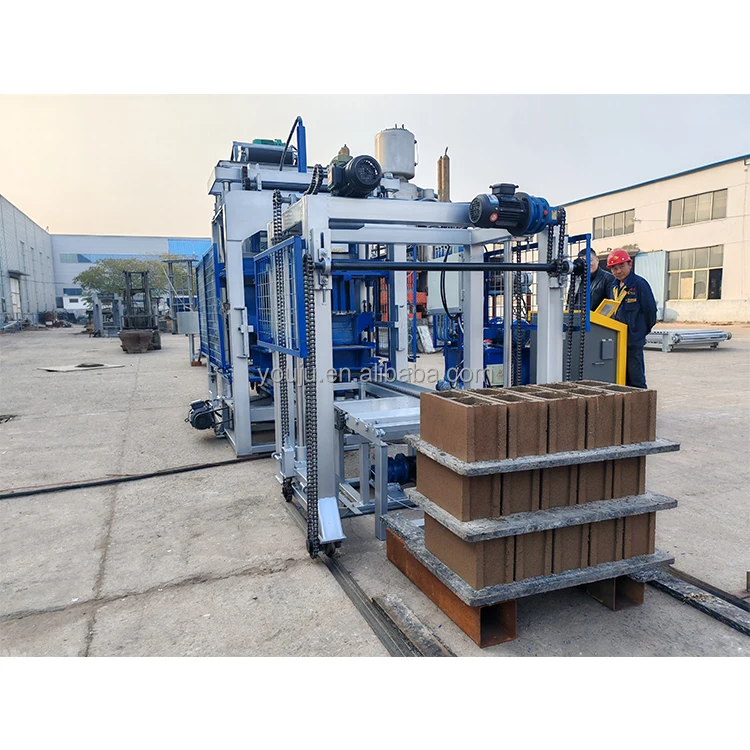
| Line Components | Pallet feed machine, block making machine, storage hopper, conveyor, hydraulic unit, PLC control cabinet |
Application Suitability
| Application | Material or Output |
|---|---|
| Hollow block production | Crushed stone, sand, cement, fly ash aggregate mixes |
| Solid block production | Dense concrete mixes requiring high hydraulic pressure |
| Interlocking brick production | Interlocking profile moulds with standard concrete aggregate |
| Rectangular paving brick production | Face-mix or mono-layer paver concrete on 1150×700 mm pallets |
Why the Language on the Screen Matters More Than the Motor
Buyers compare vibration force and cycle speed across quotations, yet the parameter that stalls commissioning most often is the language on the HMI display. Confirming the PLC display language, alarm prompts, and manual translation before production starts prevents the most expensive week of any block plant installation.
I have stood in a humid workshop in Southeast Asia watching a fully wired automatic QT7-15 block making machine PLC controlled line sit idle because every alarm message and parameter label was in a language the local crew could not read. The machine was technically perfect. The operator could not acknowledge a fault without calling the only engineer who understood the interface, and that engineer was twelve time zones away [NEED_CITE: HMI language configuration for exported industrial machinery]. What followed was a week of lost production, rewritten labels, and a frustrated buyer questioning every decision that led to that purchase.
What Automation Actually Removes From the Operator
The automatic QT7-15 block making machine PLC controlled system takes the guesswork out of cycle repetition. Process data for each block format is input once during commissioning and stored in memory, meaning the next operator on the next shift selects the mould profile and the machine recalls vibration frequency, hydraulic timing, and feed duration exactly as they were validated.
This is where semi-automatic lines fail. A skilled operator produces strong blocks; an inexperienced one produces scrap. The PLC removes that dependency by locking parameters that should never vary between shifts, while leaving only the variables that must change — pallet feed rate and raw material level — under operator supervision.
Remote Diagnostics and What Connectivity Enables
The control cabinet supports remote fault diagnosis, which means the PLC can transmit alarm states and cycle logs to an off-site engineer when network infrastructure at the plant allows it [NEED_CITE: remote monitoring connectivity standards for industrial PLC systems]. This does not replace on-site maintenance. It shortens the conversation between the local electrician and the factory support team from hours of describing symptoms to minutes of reviewing logged fault codes.
For buyers in regions where specialised block machine technicians are scarce, this capability changes the response time to an unexpected fault. The system identifies the component or sensor in question, and the support team can advise whether a parameter adjustment or a physical replacement is needed before anyone boards a flight.
Reading the Vibration and Pressure Specifications
The 100 kN vibration force combined with adjustable 0–60 Hz frequency and hydraulic demolding is the specification that determines block density, not just cycle speed. Platform vibration transmits energy through the pallet into the mould cavity, compacting the aggregate mix against the mould walls. Different block formats require different vibration profiles — a thin paving brick needs high frequency and shorter duration, while a 200 mm hollow block needs sustained lower-frequency vibration to settle the mix through a deeper cavity.
The PLC stores these profiles per format, so switching from hollow blocks to pavers is not just a physical mould change but a complete cycle parameter change. The 1150 × 700 mm pallet size dictates the maximum mould footprint and should be matched against the curing rack dimensions and forklift capacity already in use at the plant. The 45 kW overall power draw determines the dedicated circuit and transformer sizing required before the machine arrives.
The Cost of Skipping the Voltage Confirmation
Voltage and frequency are listed as unspecified in the source data, which means they must be locked before the electrical cabinet is wired. A 45 kW machine configured for the wrong supply will not simply underperform — it will trip breakers on startup or damage the motor windings within the first production run [NEED_CITE: industrial motor voltage mismatch failure patterns]. This is not a warranty claim; it is a preventable configuration error.
The PLC display language is a second late-stage trap. A machine built with Chinese alarm prompts installed in a Spanish-speaking plant does not produce blocks until someone translates the interface or replaces the HMI. Both scenarios cost more than confirming these details in writing during the quotation stage.
Block Machinery as a Single Matched System
Shandong Shiyue Intelligent Machinery focuses exclusively on block machines and their supporting equipment, which means the QT7-15 arrives as a press, moulds, pallets, and handling gear specified together rather than assembled from separate suppliers after the fact. The configuration is set against the buyer’s actual mix design and target block format rather than a catalogue default.
Mould design covers the formats the buyer’s market sells, with custom drawings available for non-standard profiles. Automation level is selectable, so a buyer can start with the current tier and add stacking or cubing modules as production volume justifies the investment. Installation support includes operator training on the PLC interface, and mould and wear parts supply continues after commissioning.
Documentation & Verification
- Machine specification sheet confirming PLC language, voltage, and frequency before production
- Line layout and capacity calculation stating block format assumed for each output figure
- Mould drawing and format list for every profile included in the quotation
- Hydraulic and electrical schematic for local maintenance team reference
- Factory test record on the buyer’s specified block format before dispatch
- Operation and maintenance manual in the confirmed display and documentation language
Installation, Commissioning & Support
- 45 kW total power requires a dedicated circuit and correctly sized transformer on site
- 1150 × 700 mm pallet specification must align with existing curing racks and forklift capacity
- PLC display language and alarm prompts confirmed in writing before cabinet wiring begins
- Commissioning includes process parameter storage per block format with operator walkthrough
- Hydraulic and electrical schematics provided for local troubleshooting without factory visits
- Wear parts list and mould maintenance schedule included in handover documentation
Before You Request a Quotation
Send the specific block formats your market requires, the daily output target per format, and the aggregate materials available locally. Confirm your site voltage, supply frequency, and the language needed on the PLC display and in the operation manual. If you have existing pallets, curing racks, or upstream batching equipment, include those specifications so the line configuration accounts for what is already on the floor.
Frequently Asked Questions
Q: How is the PLC control system configured for my local voltage, frequency, and display language?
A: These three parameters must be confirmed in writing before the electrical cabinet enters production. The PLC and HMI are configured to the specified supply and language, and the confirmation document is retained so the build matches what was agreed. No configuration is locked based on assumption or regional default.
Q: What does remote fault diagnosis actually cover, and what connectivity does my site need?
A: The system supports transmission of alarm states and cycle logs for off-site review when plant network infrastructure permits. It identifies fault codes and sensor states rather than providing live remote control. Stable internet at the control cabinet location is the minimum requirement for this function to operate.
Q: How do I verify the cycle time and daily output for the block format I will produce?
A: The quotation includes a capacity calculation sheet that states the exact block format, mould cavity count, and cycle time assumed for each output figure. These figures are validated during the factory test before dispatch using the buyer’s confirmed format rather than a generic catalogue block.
Q: What automation upgrades are available after initial installation?
A: The automation level is selectable and can be extended with automatic stacking, cubing, and pallet handling modules as production volume increases. The PLC architecture accommodates these additions without requiring a control system replacement, provided the upgrade path is discussed during initial specification.
Q: How does the PLC store and recall process parameters when switching between mould formats?
A: Each block format is saved as a profile containing vibration frequency, duration, hydraulic pressure timing, and feed parameters. The operator selects the active profile from the touch screen when changing moulds, and the machine recalls all stored values without manual re-entry, maintaining consistency across shifts.