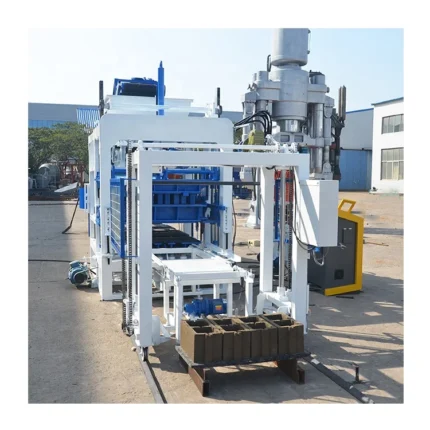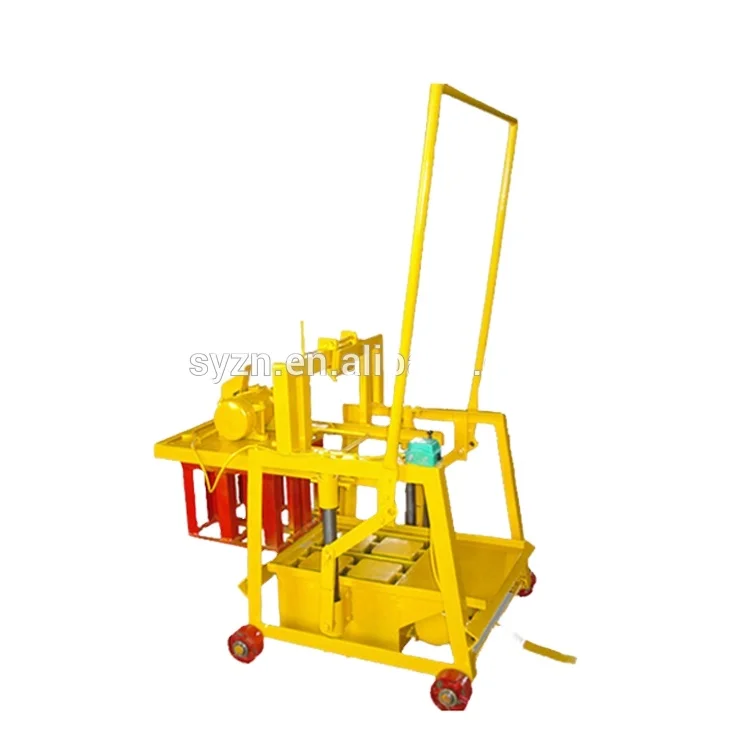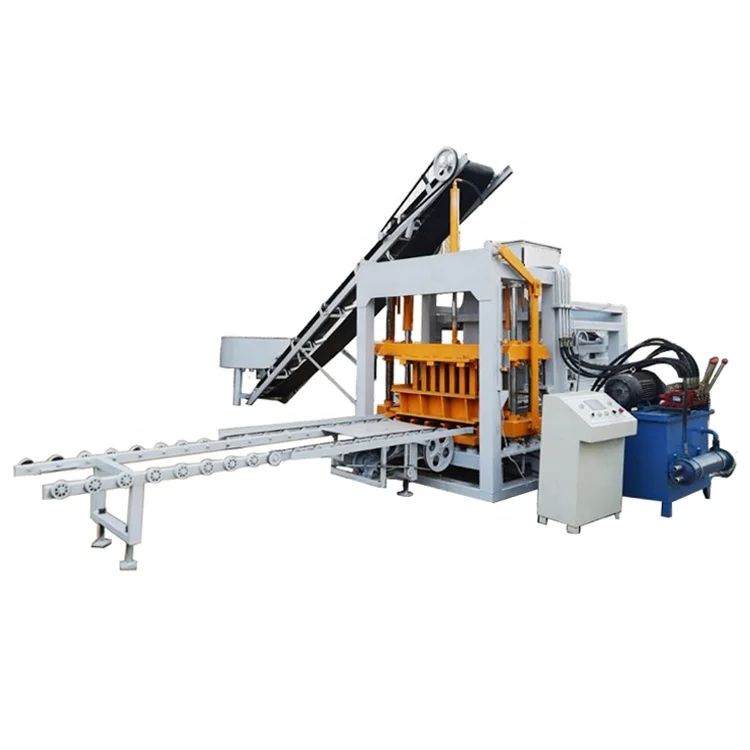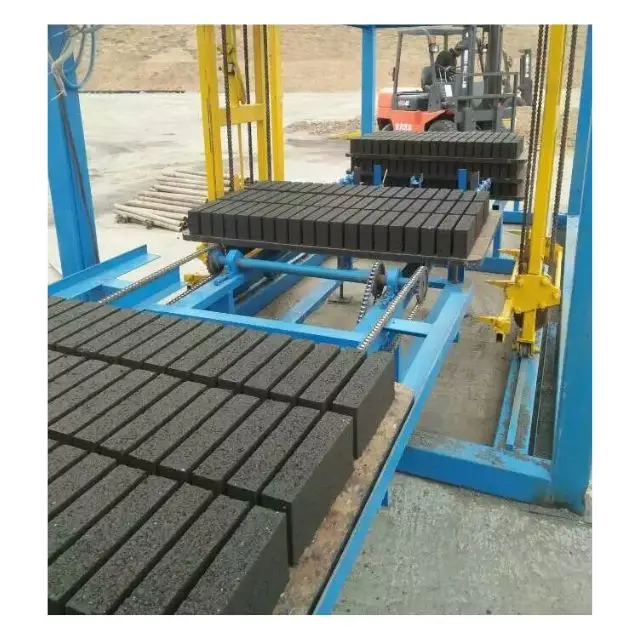
Description
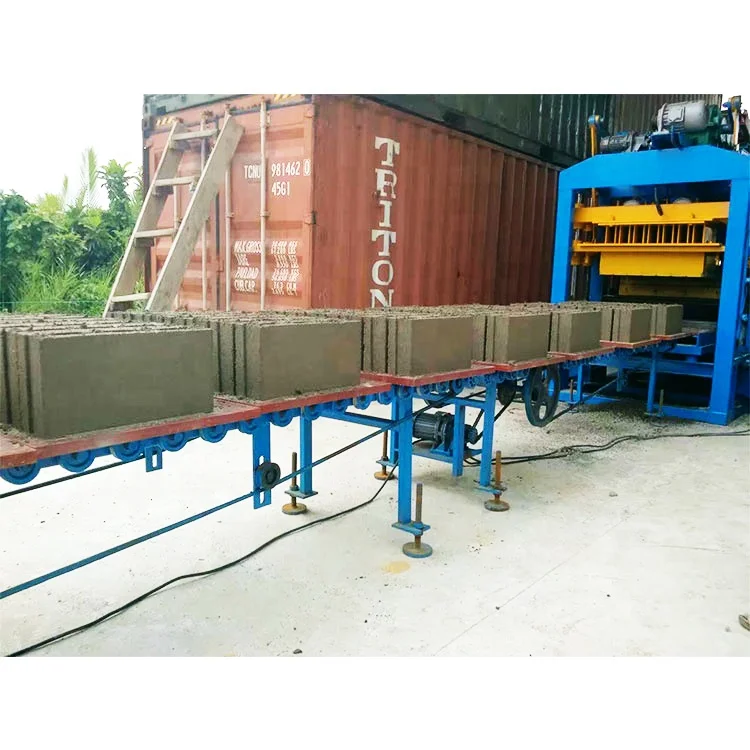
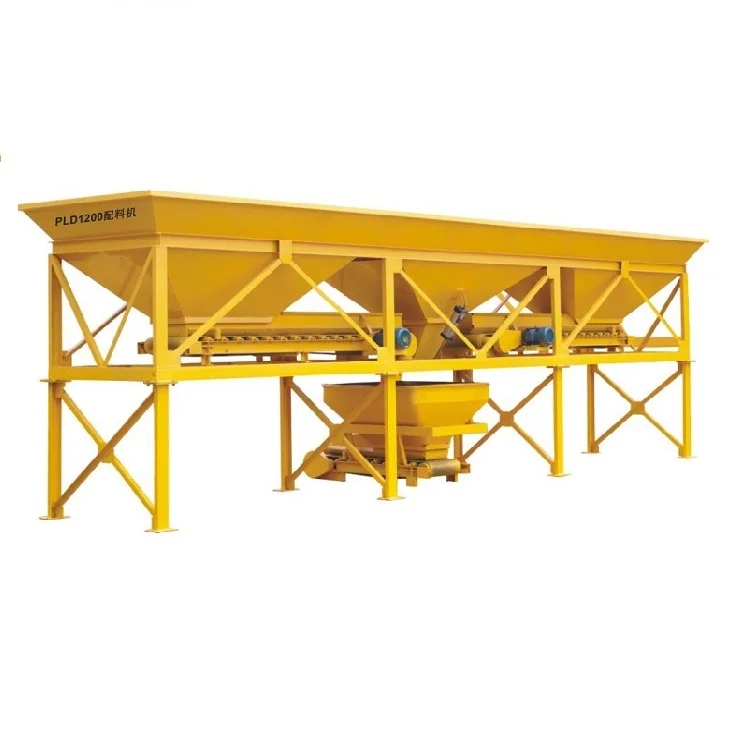
Integrated System Thinking — the PLD1200 concrete batching machine is specified as part of a matched control loop with the block press, not quoted as a standalone island of automation.
Technical Specifications
| Parameter | Value |
|---|---|
| Product Type | Concrete Batching Machine |
| Model | PLD1200 |
| Weigh-batching Hopper Capacity | 1200L |
| Ingredient Precision | ±2% |
| Belt Speed | 1.25m/s |
| Total Power | 4×4kW |
| Theoretical Productivity | 56m³/h (basis not stated in source — confirm block format / material / thickness) |
| Control System | PLC-based with configurable recipes |
Application Suitability
| Application | Material or Output |
|---|---|
| Hollow block production lines | Crushed stone, sand, cement, fly ash |
| Paving block manufacturing | Fine aggregates, pigment dosing, cement |
| Solid concrete block plants | Quarry dust, gravel, cement blends |
| Interlocking brick facilities | Laterite, sand, cement mixtures |
| Kerbstone and curb production | Coarse aggregates, cement, mineral sand |
Why Batching Consistency Dictates Block Strength
The press can only form what the mixer delivers — variable input guarantees variable output.
In my years running service calls from the Linyi workshop floor, I have seen block plants blame the press for crumbling corners and weak edges when the real problem sat thirty feet away at the batching station. Hand-scooped aggregates and uncalibrated cement feeds introduce ratio swings that no amount of vibration or hydraulic pressure can correct downstream. An automatic concrete batching machine removes that variable at the source, holding each ingredient to a fixed weight window before it ever reaches the mixer. [NEED_CITE: effect of cement ratio variance on compressive strength of concrete blocks]
How the Control Loop Closes Between Batcher and Press
The PLC governing this automatic concrete batching machine communicates directly with the block press cycle timer, triggering discharge only when the mixer is ready and the press has completed its current mold close. This handshake prevents the common failure mode where a batcher floods a mixer that is still waiting on the press, causing material to stiffen and clog the hopper throat. The 4×4kW independent drive configuration lets each bin discharge on its own schedule, so fine cement and coarse aggregate never compete for belt space.
Recipe Storage and Remote Batch Management
Modern block plants running multiple formats throughout a shift need to switch recipes without operator guesswork. The control system stores formulas keyed to block type — a hollow block call pulls one aggregate-to-cement ratio while a paving block call pulls another, each with its own discharge timing sequence. For plants running two or more presses from a shared batching station, this recipe layer prevents the costly mistake of sending a lightweight hollow block mix to a press tooling up for dense pavers. [NEED_CITE: PLC recipe management standards in concrete batching equipment]
Reading the Specs That Actually Move Production
The 1200L hopper capacity determines how many press cycles can run between refill pauses — undersized hoppers force the press to idle while the batcher catches up. At ±2% ingredient precision, cement content stays within the tolerance window that structural block standards demand, avoiding both material waste from overdosing and strength failures from underdosing. The 1.25m/s belt speed must be matched to the mixer intake rate; too fast and material piles at the mixer gate, too slow and the mixer runs partial loads. Total power of 4×4kW across four independent drives means each bin can be throttled individually — a feature that matters when local sand runs wet and needs slower discharge to prevent bridging in the bin throat.
The Cost of Skipping the Integration Check
I once spent a week at a Middle Eastern site where a batching machine had been installed without verifying the signal protocol between its PLC and the host press controller. The machines simply could not talk — the batcher ran on its own timer, dumping batches into a mixer that was frequently still full from the previous cycle. Material hardened in the overflow trough, the belt jammed twice daily, and the plant owner was convinced he had bought the wrong machine. The fix was a half-day rewiring job and a protocol bridge, but the lost production week was not recoverable. [NEED_CITE: PLC communication protocol compatibility in industrial batching systems]
Buying a batching unit from a supplier who only quotes the batcher in isolation means you absorb all the integration risk yourself. Mismatched belt speeds, incompatible voltage, and control systems that speak different languages all surface on day one of commissioning, not in the brochure.
Why Sourcing the Batcher With the Line Matters
When we configure an automatic concrete batching machine, the hopper count is set against your actual aggregate sources — not a default four-bin layout that leaves one bin permanently empty or forces two materials to share a bin and cross-contaminate. The discharge height and belt angle are verified against your mixer feed opening, so no field modification is needed on arrival. Voltage and frequency are locked to your site supply before production begins, eliminating the motor swap that stalls commissioning in markets running 440V/60Hz. The control language on the HMI screen is confirmed to match your operators, not left on a factory default that slows every recipe change. Every PLC handshake signal between batcher, mixer, and press is tested on our floor before the crate closes — we do not discover protocol conflicts on your slab.
Documentation & Verification
- Line layout showing batcher placement relative to mixer and press footprint
- PLC signal list mapping every handshake between batching and pressing controllers
- Factory test record running your specific aggregate types and recipe ratios
- Electrical schematic with confirmed voltage, frequency, and breaker sizing
- Hopper calibration certificates documenting ±2% accuracy per bin
- Operation manual with HMI screen navigation in your operator language
Installation, Commissioning & Support
- Foundation pad poured level within 5mm across the 4-bin footprint to prevent belt tracking drift
- Dedicated 4×4kW circuit with isolated breakers for each hopper drive motor
- Belt tension and tracking adjusted on-site after thermal expansion stabilizes
- First-run calibration against your local sand moisture content and aggregate density
- PLC handshake verification with your existing press controller before full production release
- Wear liner replacement schedule for hopper throat plates based on your aggregate abrasiveness
What to Include With Your Inquiry
Send us your aggregate sieve analysis and typical moisture range so we can set hopper angles and vibration intensity before build. Confirm your site voltage, frequency, and the PLC platform running your press so we pre-load the correct communication protocol. Tell us which block formats you run and your target daily output per format — we will size the hopper sequence and belt speed to match your press cycle, not a generic estimate.
Frequently Asked Questions
Q: How does the batching machine synchronize with the block press PLC?
A: The batcher controller exchanges start, ready, and fault signals with the press PLC over a hardwired or fieldbus link. Each press cycle completion triggers the next batch discharge, and any fault on either machine halts the loop. We test this handshake with your press model on our floor before shipment.
Q: What changes are needed to move from manual batching to this automatic system?
A: The manual weigh scale and hand-fed hopper are removed. Your existing mixer can typically remain if its feed opening matches the batcher belt discharge height. The main addition is a dedicated power circuit for the 4×4kW drives and a signal cable run between the batcher PLC and your press controller.
Q: Can multiple block recipes be stored and recalled on the fly?
A: The PLC stores recipes keyed to block format, each with its own bin sequence, discharge weights, and timing. Operators select the active recipe from the HMI screen — no manual recalculation of ratios is needed when switching from hollow blocks to pavers mid-shift.
Q: Does ±2% precision hold across different aggregate particle sizes?
A: Precision is maintained through load cell feedback that cuts the feed gate to dribble speed as the target weight approaches. Coarse aggregate flows faster and requires a longer dribble phase than fine cement. Each bin’s cutoff parameters are tuned during commissioning against your specific materials.